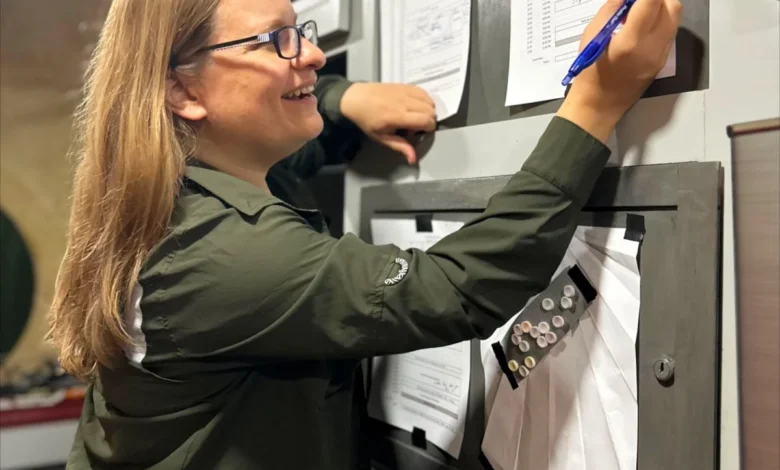
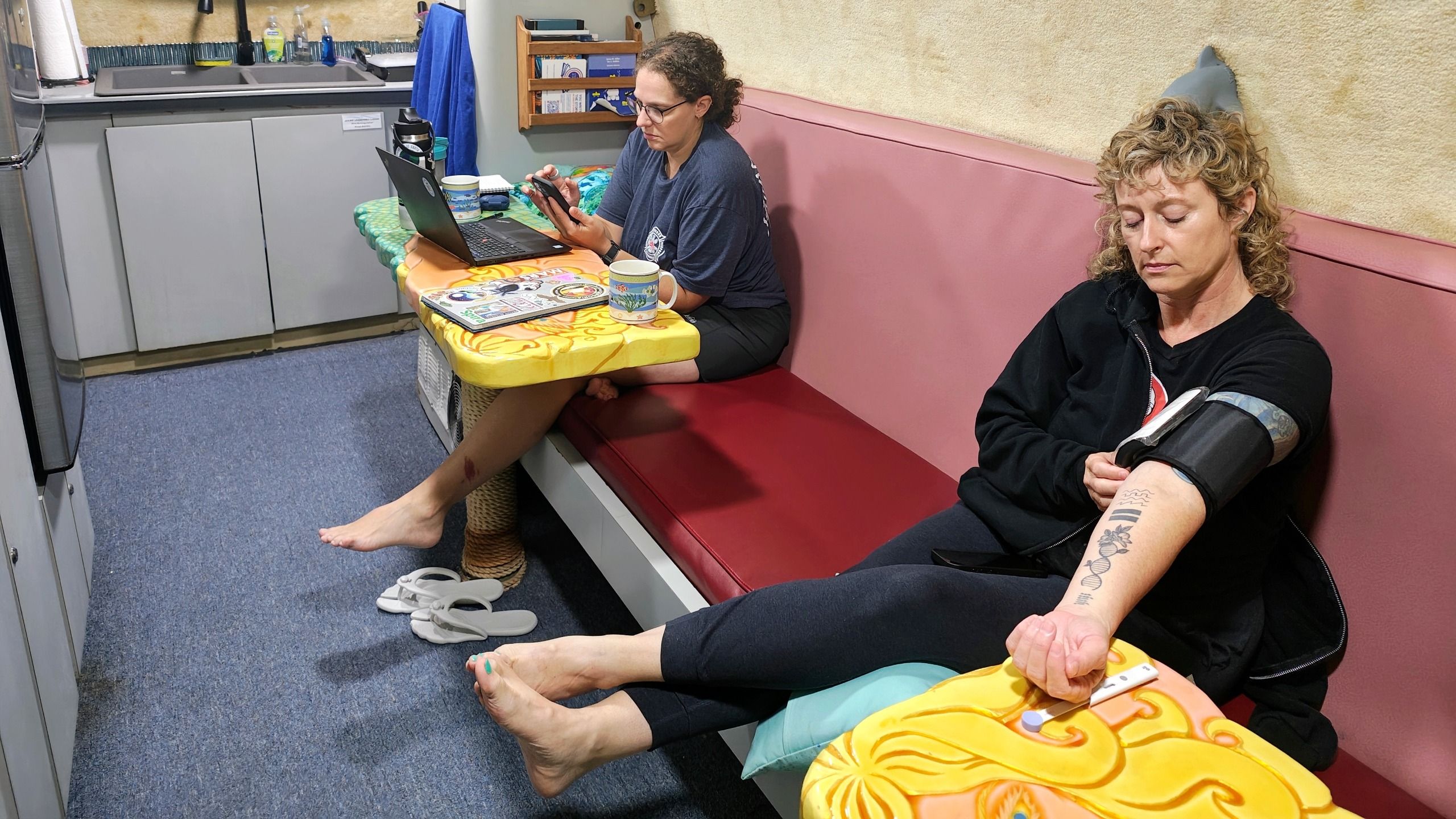
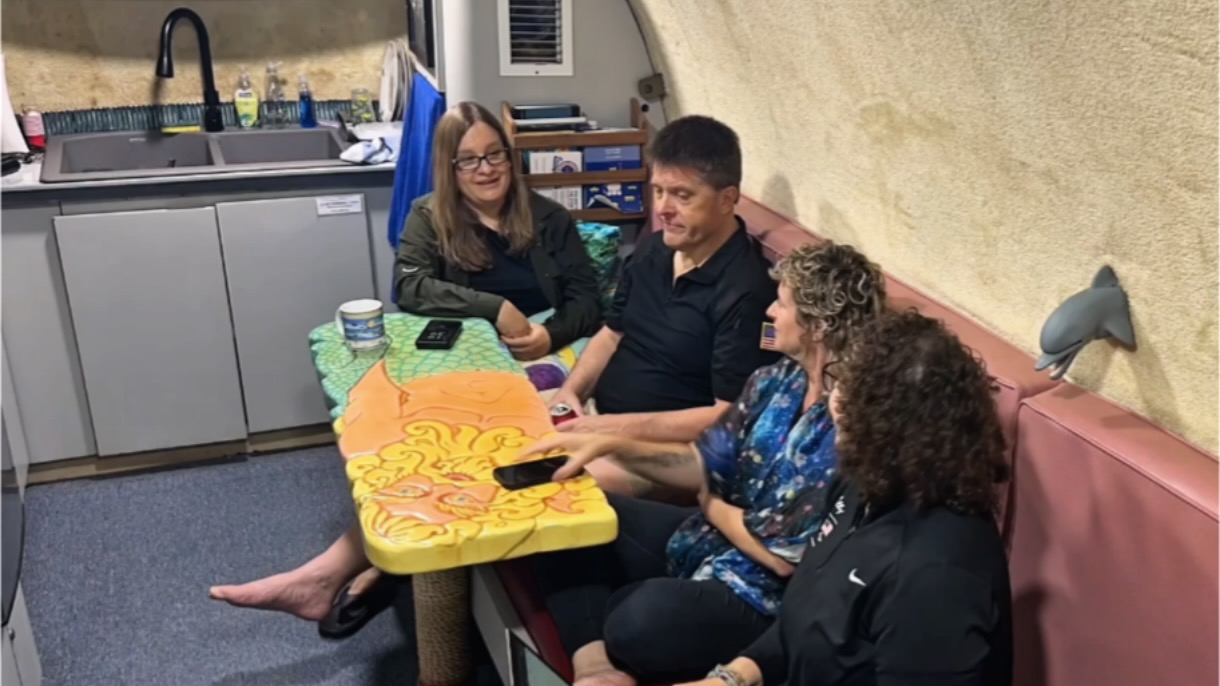
The conclusion of the SEA STAR underwater space simulation mission marked the end of a rigorous five-day physiological and psychological trial for its four-person crew. Stationed 22 feet (7 meters) beneath the surface of a lagoon near Key Largo, Florida, inside the Jules’ Undersea Lodge, the crew lived in a state of continuous physiological saturation to replicate the operational challenges, isolation, and environmental stressors faced by astronauts aboard the International Space Station (ISS). Led by veteran astrobiologist and analog astronaut commander Dr. Michaela Musilova, the mission successfully integrated scientific experimentation, environmental conservation, and human factors research, providing critical data for long-duration human spaceflight programs.
Background and Context of Analog Space Missions
Simulated space missions, or analogs, serve as vital testing grounds for space agencies and private aerospace organizations globally. Because launch opportunities to the ISS are severely limited and research time in orbit is strictly constrained, Earth-based and aquatic habitats offer a controlled environment to study human behavior, team dynamics, and technological limitations.
Undersea habitats like Jules’ Undersea Lodge provide a uniquely restrictive environment that closely mirrors space travel. Saturation diving—the physiological condition where an individual breathes pressurized gases long enough for their body tissues to absorb the maximum possible amount of inert gas, such as nitrogen, at a given depth—creates profound physiological and psychological barriers. Similar to astronauts living in microgravity, aquanauts are confined to tight, noisy quarters, rely heavily on intricate life-support systems, and face significant logistical hurdles for routine tasks.
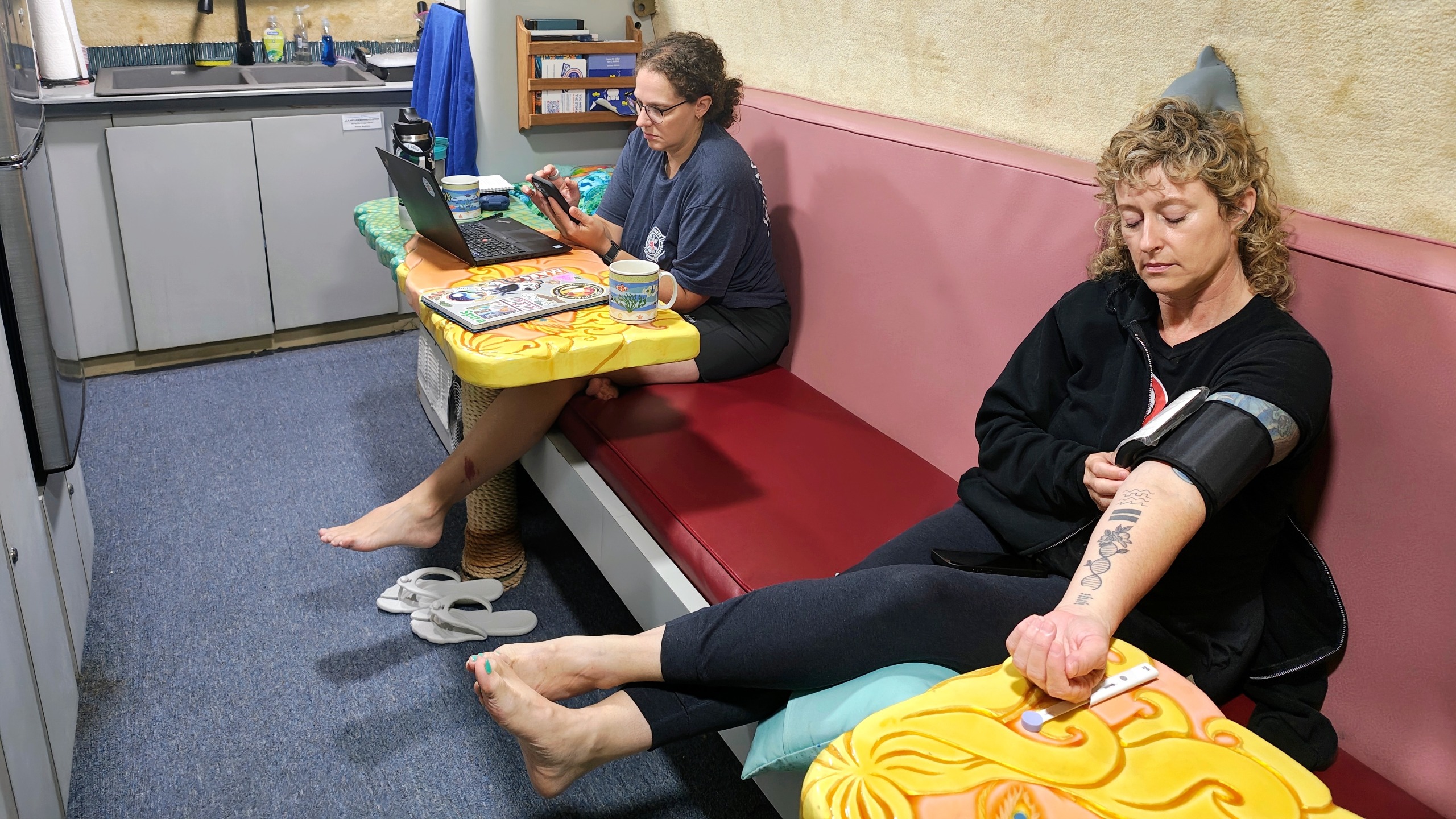
Dr. Musilova, who has previously commanded 40 simulated missions to the Moon and Mars, designed the SEA STAR mission to bridge the gap between deep-sea exploration and aerospace research. Her leadership of past missions across various extreme environments has established her as a leading figure in astrobiology and analog mission operations.
Chronology and Operational Timeline
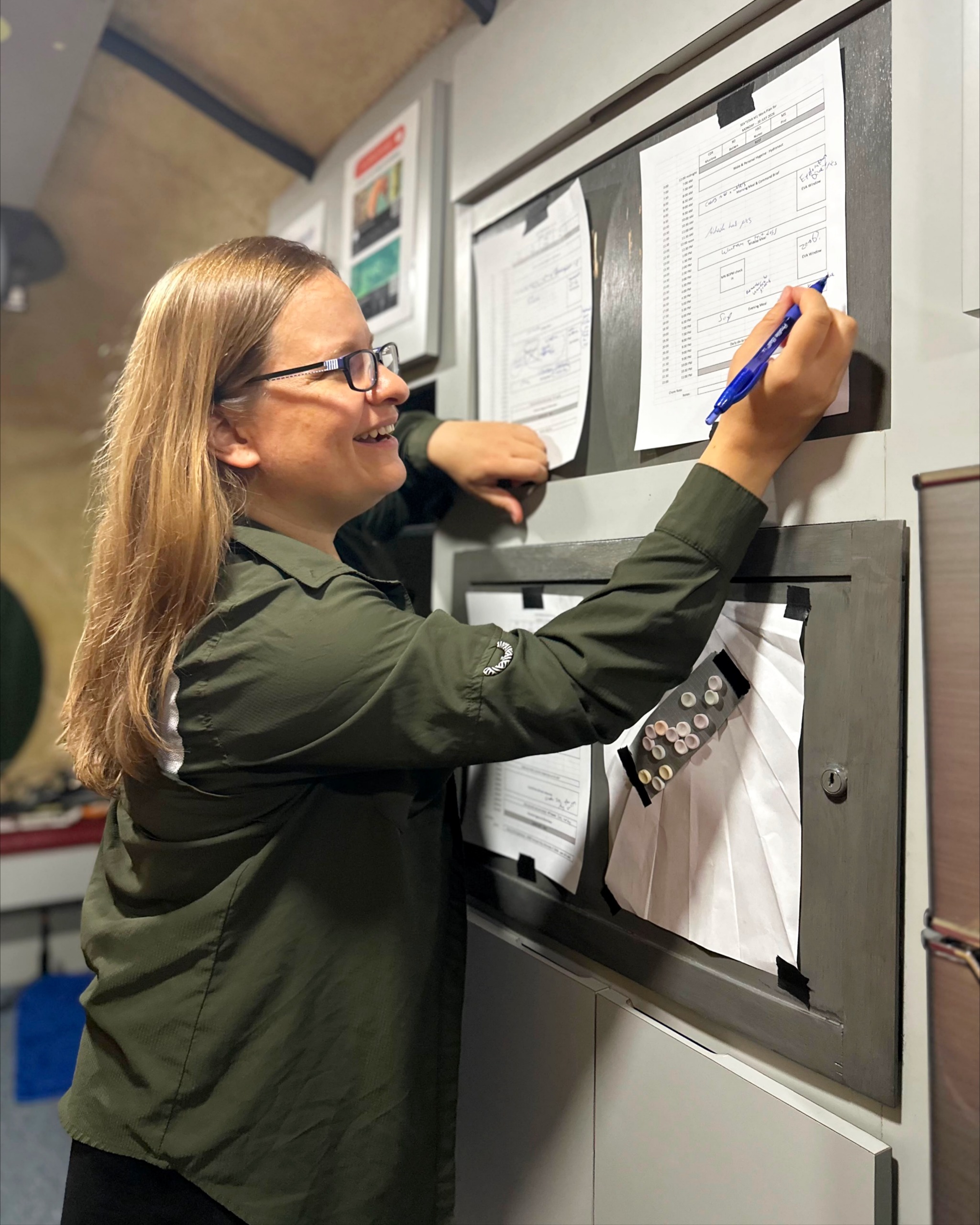
The SEA STAR mission spanned five intensive days of continuous underwater habitation, structured similarly to an operational shift aboard an orbiting laboratory.
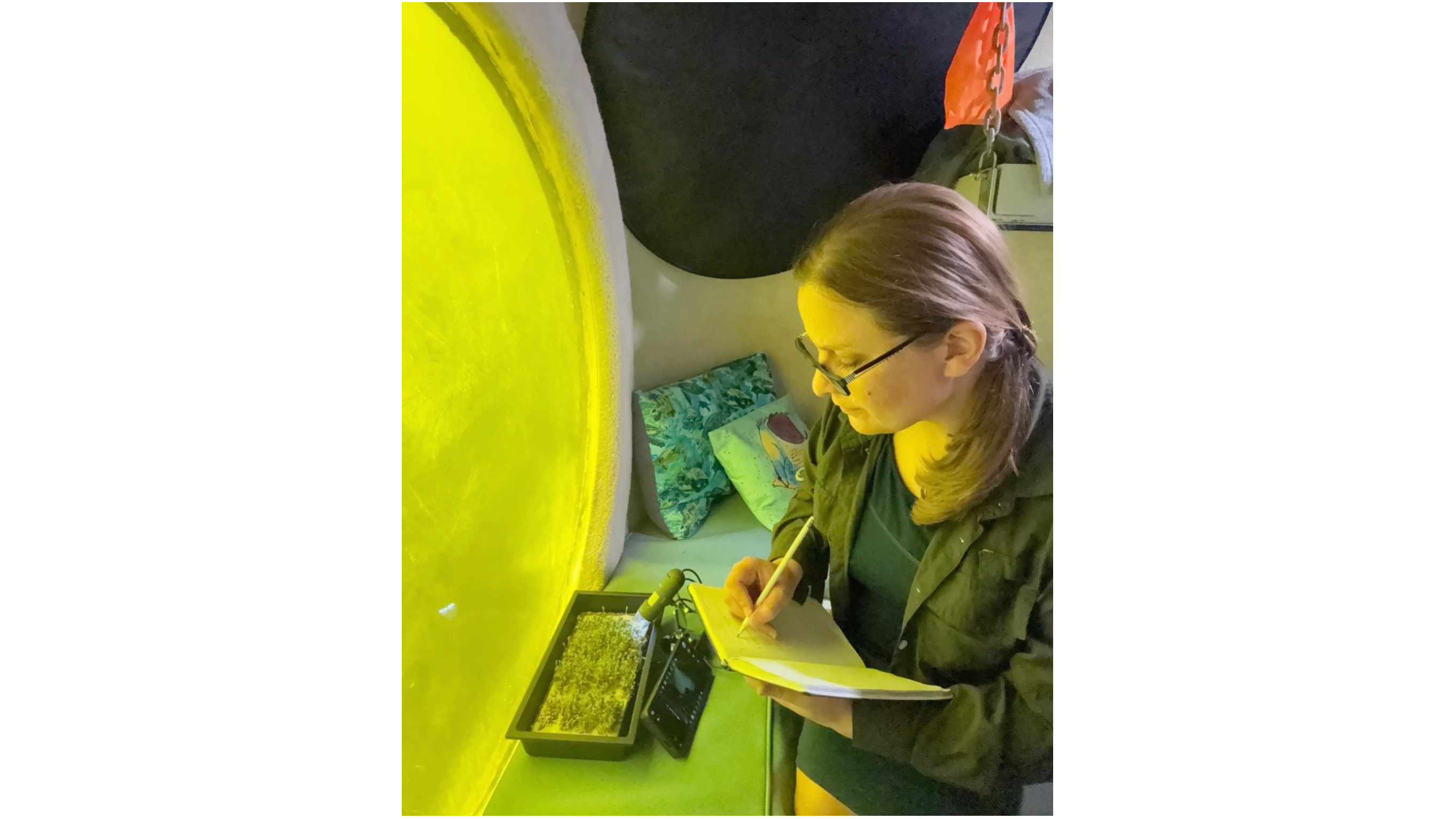
- Pre-Mission Preparation: Prior to submerging, Health & Safety Officer Dr. Brandy Nunez cultivated baseline sets of microgreens, including kale and super salad mix, to prepare for agricultural experiments under varying pressure conditions.
- Day 1: Submergence and Saturation: The crew descended into the Jules’ Undersea Lodge, officially achieving saturation status. Initial adjustments included adapting to the constant, loud background noise of life-support systems and conducting baseline cognitive assessments.
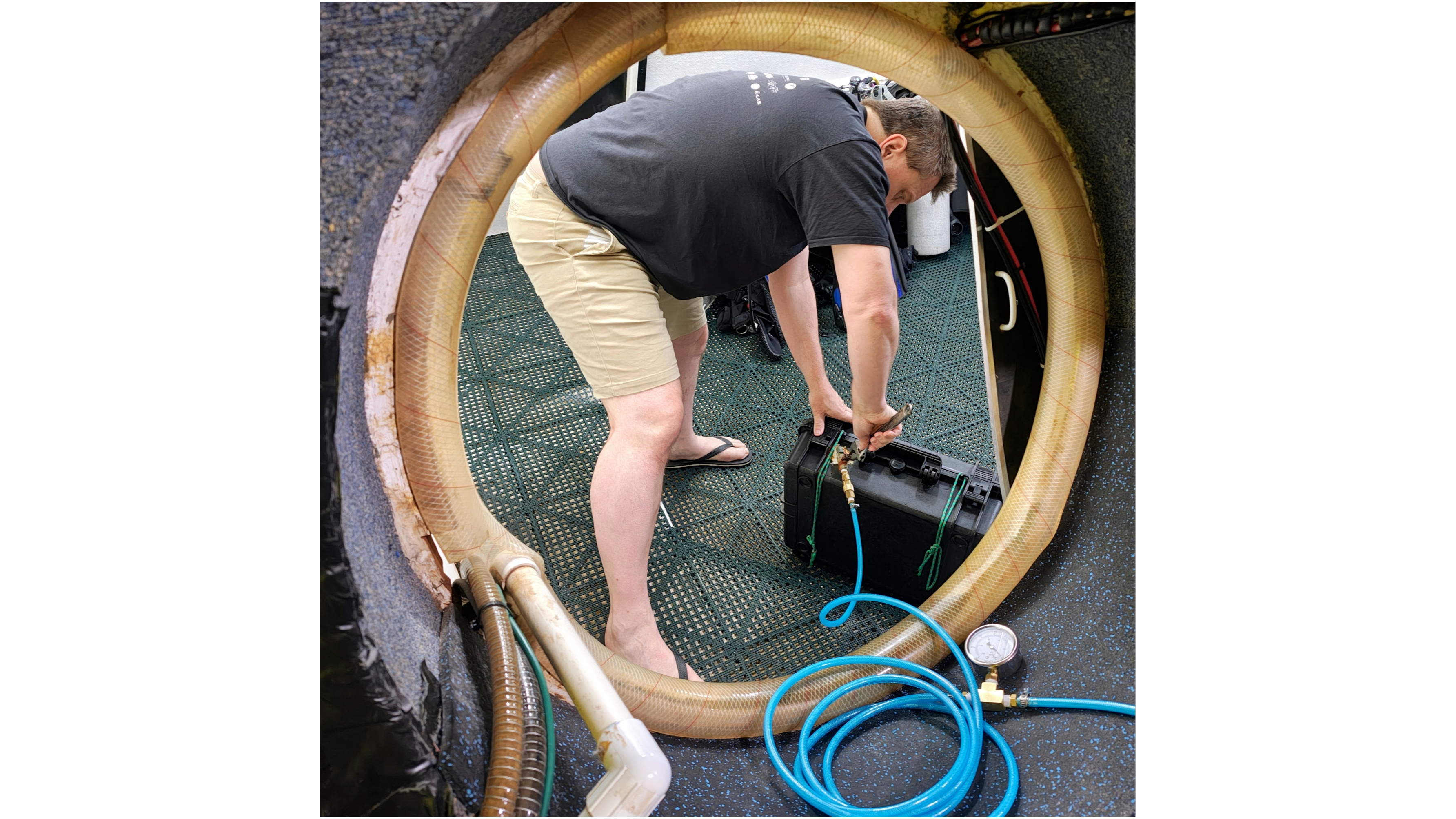
- Days 2–4: Scientific Execution and Spacewalks: Crew members carried out daily research protocols. Executive Officer Paul Bakken managed internal container pressures, Mission Specialist Jenn Pint deployed taxonomic frameworks for human factors analysis, and Dr. Musilova administered cognitive reaction-time trials. The crew also performed underwater "spacewalks"—using scuba gear to simulate extravehicular activities—which included marine conservation work and the testing of environmental sensors developed by students in Slovakia.
- Day 5: Educational Outreach and Decompression: The crew hosted a virtual tour for the Cosmic Region simulated space station in Slovakia, demonstrating an underwater spacewalk in real time. Following final experiment harvests and equipment packing, the crew initiated their ascent protocol, taking a prolonged decompression detour in the lagoon to mitigate the risks of decompression sickness before breaching the surface.
Scientific Research and Technical Objectives
The SEA STAR mission prioritized multidisciplinary scientific investigations designed to yield actionable data for future deep-space exploration.
Cognitive Performance Under Pressure
Dr. Musilova spearheaded a cognitive study in collaboration with the Center for Hyperbaric Medicine at the Faculty of Medicine of the University of Ostrava and City Hospital Ostrava in the Czech Republic. The research evaluated whether heightened atmospheric pressure and confinement affected human cognitive abilities and reaction times. Preliminary observations indicated noticeable delays in crew response times throughout the mission, offering psychological insights relevant to astronauts operating under chronic stress and altered atmospheric compositions.
Agricultural Resilience and Barotrauma
Plant biology experiments tested the resilience of microgreens when subjected to acute pressure differentials. Seeds introduced to the underwater habitat via gradual versus sudden pressure releases demonstrated that rapid decompression during transfer caused clear barotrauma—cellular and structural damage resulting from abrupt air pressure increases. These findings hold implications for transporting biological materials and establishing sustainable bioregenerative life support systems on lunar or Martian bases.
Logistics and Human Factors Taxonomy
Executive Officer Paul Bakken focused on logistical transport containers, specifically analyzing how internal pressures fluctuate when exposed to environmental shifts. Meanwhile, Mission Specialist Jenn Pint collaborated with Interstellar Performance Labs to refine a taxonomy categorizing environmental triggers and crew interaction variables during isolated missions. Additionally, environmental sensors designed by high school and university students in Slovakia provided continuous telemetric data, augmenting the habitat’s life-support monitoring metrics.
Broader Impact and Implications
The insights gathered during the SEA STAR mission extend beyond academic curiosity, addressing fundamental engineering and physiological bottlenecks associated with extended human presence in hostile environments.
As commercial spaceflight expands and long-duration missions to Mars become a primary objective for international space agencies, understanding the limits of human cognition, psychological resilience, and biological transport under pressure is critical. Analog missions like SEA STAR demonstrate that aquatic habitats are cost-effective, high-fidelity test beds for validating hardware, protocols, and countermeasures before they are deployed in space.
Furthermore, the integration of environmental conservation—such as utilizing underwater vacuums to clear debris and protect the marine ecosystem surrounding the Jules’ Undersea Lodge—underscores a growing ethos within exploration: minimizing the ecological footprint of human outposts while simultaneously fostering a deeper appreciation for Earth’s delicate ecosystems. This phenomenon, which Dr. Musilova described as an "underview effect" akin to the psychological shift experienced by astronauts viewing Earth from orbit, reinforces the psychological imperative to protect our home planet while pushing the boundaries of exploration.
Related posts: