Artemis II Commander Reid Wiseman Transitions From Deep Space to Leadership at NASA Jet Propulsion Laboratory

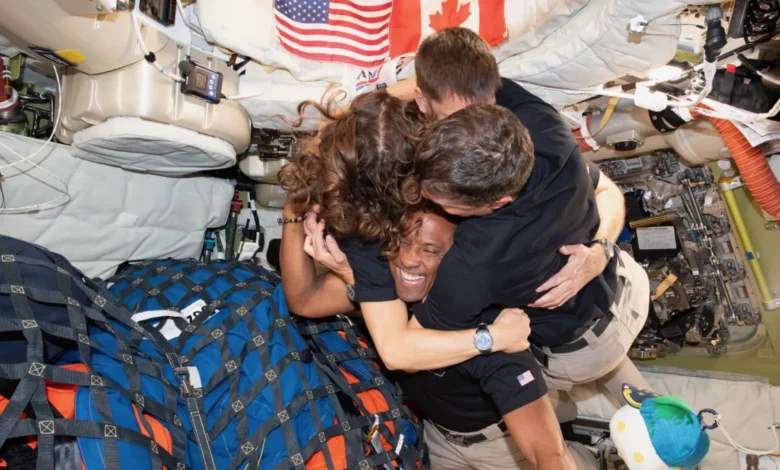
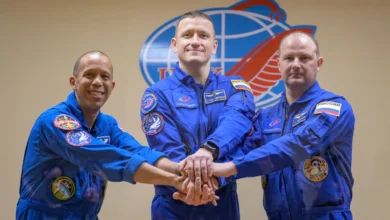
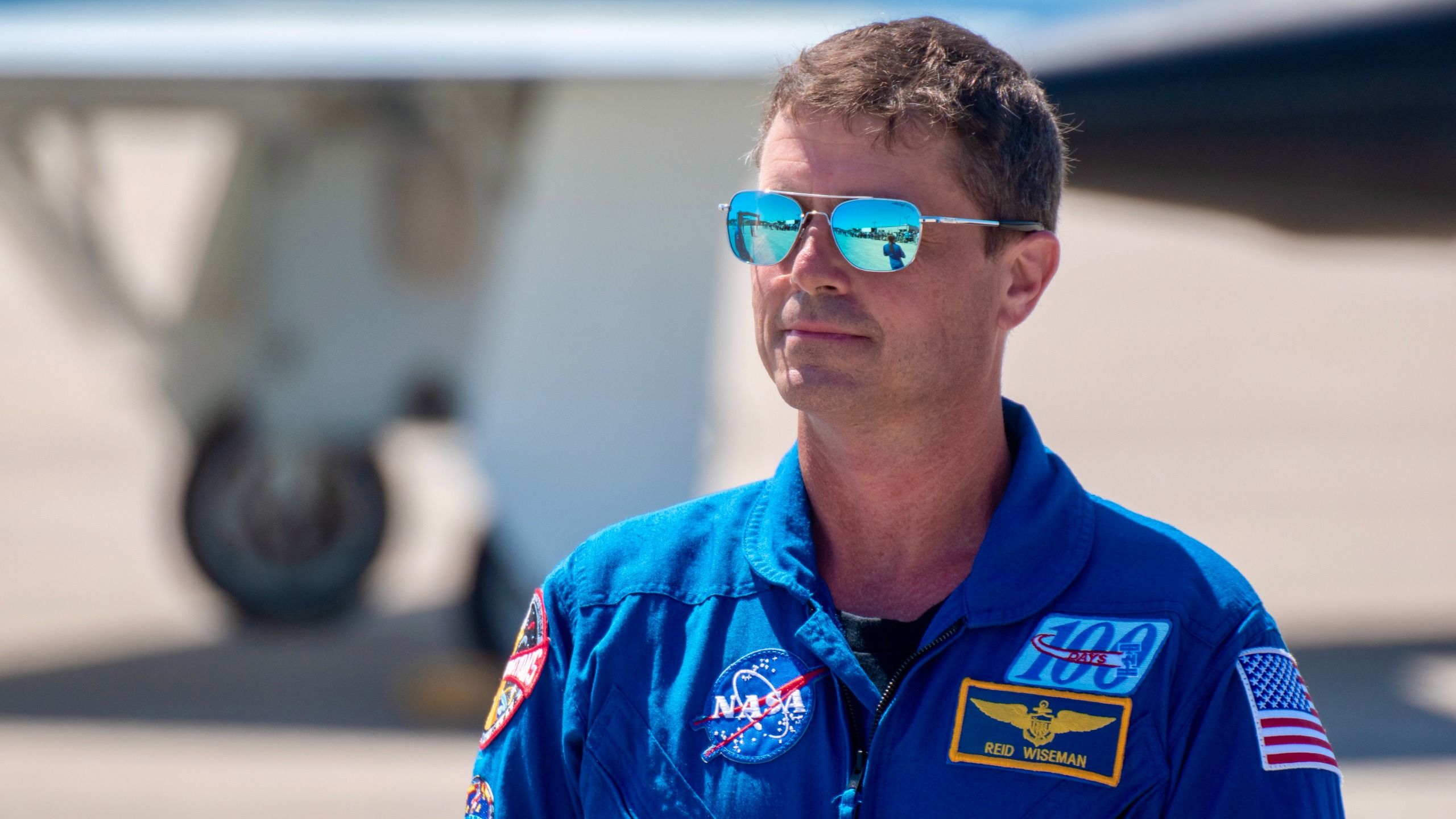
The final commander of NASA’s historic first crewed lunar loop in half a century has officially charted his post-flight trajectory. Former astronaut Reid Wiseman, who led the landmark Artemis II mission around the moon earlier this year, has been appointed as Caltech associate vice president and deputy director of the NASA Jet Propulsion Laboratory (JPL), effective November 30. With this announcement, all four members of the pioneering Artemis II crew have formally stepped down from active astronaut status, marking the definitive closing chapter of a mission that propelled humanity further into deep space than ever before.
The transition was confirmed in an official statement released by JPL, which is managed for NASA by the California Institute of Technology (Caltech) in Pasadena, California. Wiseman’s appointment follows a meticulously planned shift away from active flight assignments shared by his fellow crewmates. With decades of operational, military, and spaceflight experience under his belt, Wiseman is poised to steer robotic space exploration and laboratory operations into a new era, bridging the gap between human spaceflight legacy and automated planetary science.
A New Chapter for the Artemis II Crew
Wiseman’s appointment completes a synchronized exodus of the Artemis II quartet from active flight rosters. In September, Wiseman and mission pilot Victor Glover announced their transition to "astronaut emeritus" status at NASA, ending active eligibility for upcoming flight rotations while retaining agency ties. Glover quickly accepted a full-time position as executive advisor to the president of his alma mater, California Polytechnic State University (CalPoly), bringing his wealth of leadership and engineering expertise back to the academic sector.
Meanwhile, mission specialists Christina Koch and Jeremy Hansen also transitioned away from active flight duties. Hansen, representing the Canadian Space Agency, announced his career change in July, subsequently entering reservist duty with the Royal Canadian Air Force to contribute his strategic experience to national defense and aerospace coordination. Koch, who captured global attention during her record-breaking long-duration missions on the International Space Station, was appointed NASA’s acting deputy chief engineer, a critical structural role effective November 1.
The coordinated career shifts of all four crew members underscore a broader trend within modern space exploration: leveraging the unique, high-stakes operational experience of veteran astronauts to guide aerospace policy, institutional engineering, academic mentorship, and robotic mission management.
The Historic Flight of Artemis II
The quartet’s professional evolution follows their awe-inspiring journey aboard NASA’s Orion spacecraft. Launched on April 1, 2026, from Kennedy Space Center’s historic launch complexes, the Artemis II mission sent the four astronauts on a 10-day orbital flight looping around the far side of the moon and safely back to Earth.
The voyage shattered longstanding distance records for human spaceflight. By venturing past the lunar far side, Wiseman, Glover, Koch, and Hansen traveled further from Earth than any human beings in history. The mission tested critical environmental control systems, deep-space communications, and crew maneuverability within the Orion capsule, serving as an irreplaceable technical validation flight for the entire Artemis architecture.
Millions across the globe tuned in to watch the mission unfold, captivated not only by the high-definition vistas of the lunar landscape rising above the horizon of Earth, but also by the camaraderie and poise displayed by the crew. Their journey served as a psychological and operational bridge, proving that human crews can effectively live, work, and operate complex life-support systems deep within the treacherous environment of cislunar space.
Building the Bridge to the Lunar Surface
The success of Artemis II was never intended as an isolated achievement; rather, it functioned as the crucial stepping stone required to validate systems before human boots touch the lunar regolith. NASA’s overarching Artemis program is structured to establish a sustainable, long-term human presence on and around the moon, serving as a proving ground for eventual crewed missions to Mars.
Current agency timelines point toward mid-2027 for the launch of Artemis III. That mission is slated to serve as a critical flight test for the human landing system, utilizing either SpaceX’s Starship Human Landing System or Blue Origin’s Blue Moon lander. If upcoming uncrewed developmental milestones and integrated system tests proceed according to schedule, Artemis III will pave the way for Artemis IV, which targets the first crewed lunar landing of the 21st century by late 2028.
As human missions inch closer to the lunar South Pole—where permanently shadowed craters harbor billions of tons of water ice—the backend infrastructure supporting these flights must scale accordingly. This is where leaders with frontline operational backgrounds, such as Wiseman, become indispensable to institutional strategy.
Reid Wiseman’s Distinguished Career Path
Wiseman’s journey to the helm of JPL is rooted in a lifetime of rigorous aviation and aerospace leadership. Born in Baltimore, Maryland, Wiseman earned a bachelor’s degree in computer and systems engineering from Rensselaer Polytechnic Institute and a master’s degree in systems engineering from Johns Hopkins University.
He was commissioned as an officer in the United States Navy in 1995, eventually earning his designation as a naval aviator and serving as an F-14 Tomcat pilot. He deployed to the Middle East and later graduated from the U.S. Naval Test Pilot School, logging thousands of flight hours across dozens of different aircraft types before NASA selected him as part of the 2009 astronaut candidate class.
Wiseman’s spaceflight pedigree includes a 165-day stint aboard the International Space Station as a flight engineer for Expeditions 40 and 41, which launched aboard a Russian Soyuz spacecraft in 2014. During that mission, he conducted two spacewalks totaling nearly 13 hours and became widely known for sharing stunning orbital photography and early social media insights into daily life in microgravity.
Following his return, Wiseman took on critical administrative and operational responsibilities within NASA’s Flight Operations Directorate. From December 2020 through November 2022, he served as NASA’s chief astronaut, bearing direct responsibility for the selection, training, and flight assignments of the entire active astronaut corps during a critical period of commercial crew maturation and Artemis mission planning.
Steering the Future of Robotic Exploration at JPL
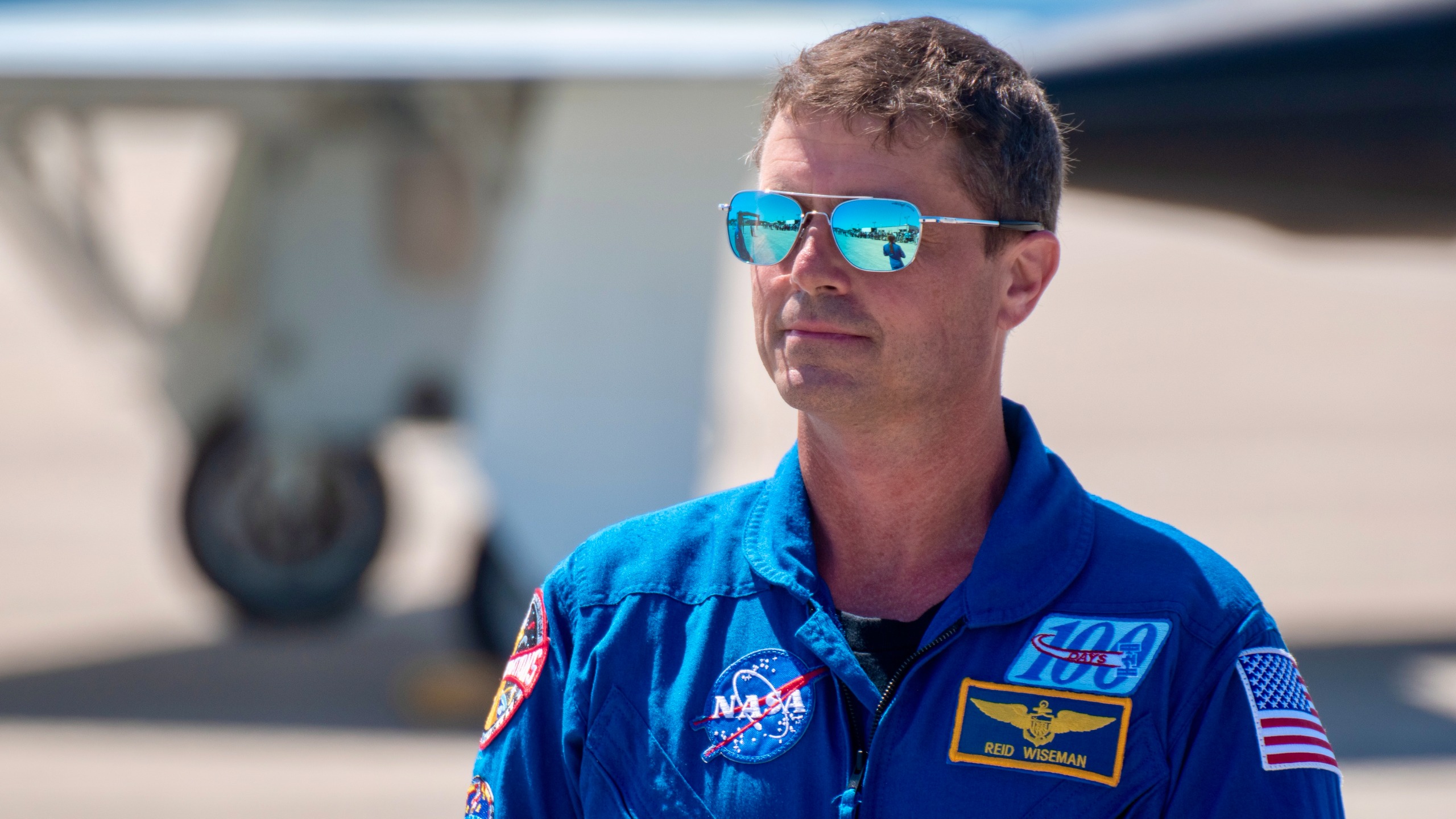
In his new role as Caltech associate vice president and deputy director of JPL, Wiseman will report directly to JPL Director Dave Gallagher. He will be tasked with providing strategic leadership, ensuring institutional stewardship, and driving continuous operational improvement across a laboratory renowned for defining planetary science.
JPL stands as NASA’s premier federally funded research and development center specializing in robotic space exploration. Over the decades, the laboratory has engineered, built, and operated humanity’s most ambitious windows into the solar system. JPL is the operational home of iconic planetary explorers, including the Curiosity and Perseverance Mars rovers, the historic Voyager interstellar probes, the Cassini-Huygens mission to Saturn, and the recently launched Europa Clipper spacecraft, which is currently journeying toward Jupiter’s icy moon to investigate its habitability potential.
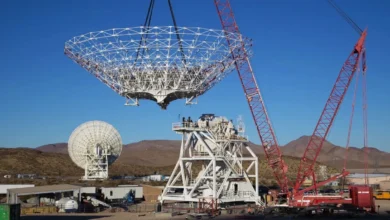
Furthermore, JPL manages the Deep Space Network, a global array of massive radio antennas that provides continuous, critical communications and navigation telemetry for nearly every spacecraft operating beyond Earth orbit.
Implications of the Appointment
Wiseman’s transition from commanding humanity’s farthest deep-space flight to managing the nation’s premier robotic exploration laboratory highlights a strategic convergence between human and robotic space programs. As NASA prepares to establish permanent infrastructure on the moon, the synergy between human crews conducting field geology and robotic precursors scouting hazardous terrain becomes increasingly vital.
In statements accompanying his appointment, Wiseman reflected on the profound perspective gained from viewing Earth from the far side of the moon and how that experience informs his future objectives.
"I’ve explored the furthest reaches of what a human can explore at NASA—and there were truly no words in the English vocabulary to describe seeing the sun disappear behind the moon from deep space," Wiseman said. "But that experience was really the jumping off point to go do the impossible things that Caltech and JPL dream, dare together, and do for NASA and the nation."
With veterans of the caliber of Wiseman, Glover, Koch, and Hansen moving into foundational leadership positions across academia, defense, engineering, and laboratory management, the foundational knowledge gained during the opening acts of the Artemis era will continue to reverberate across the aerospace sector for decades to come.