The Digital Gauntlet of Alexandria: How Alex Gibneys Epic Documentary on Elon Musk Navigated Tech Censorship and Box Office Turbulence

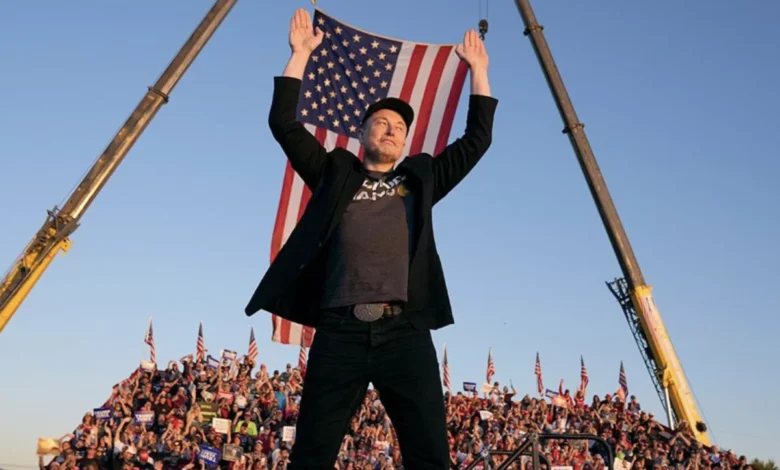
The intersection of modern media, corporate tech governance, and political campaign finance has rarely produced a collision as chaotic as the theatrical rollout of Musk, Academy Award-winning documentary filmmaker Alex Gibney’s sweeping portrait of the world’s first trillionaire. Clocking in at a formidable three hours and forty-two minutes, the film aims to offer an unvarnished, macro-level exploration of Elon Musk’s immense global footprint, stretching far beyond his recent headlines in the Trump administration or his staggering financial contributions to the 2026 midterm elections. Yet, long before audiences could weigh in on its narrative merits, the film became the epicenter of an unprecedented digital firestorm. Across Meta, YouTube, and TikTok, the marketing campaign for Musk found itself repeatedly neutralized, shadow-banned, and tangled in opaque moderation loops that distributors and free-speech advocates alike describe as a watershed moment for digital advertising censorship.
The systemic friction began weeks before the film’s targeted wide release. Bleecker Street, the independent distributor steering the project, launched a robust paid trailer and promotional campaign across major social media ecosystems. Almost immediately, automated filters and human moderation teams flagged the content. Meta and YouTube initially pulled paid trailer placements entirely, attributing the removals to internal policy violations regarding political advertising. Though both platforms later reversed course, conceding that the removals had been processed in error, the damage to the marketing momentum was already accumulating. The situation deteriorated further when TikTok enacted a permanent suspension of the film’s official promotional account over the midterm weekend, citing repeated infractions related to paid political content boosting. While TikTok ultimately reinstated the account after a grueling 48-hour blackout, the temporary ban effectively eliminated the film’s digital visibility during the crucial opening-weekend window. X, formerly Twitter and directly owned by Musk, predictably declined to host or facilitate any promotional ad buys for the documentary altogether.

Bleecker Street CEO Kent Sanderson, navigating what he has characterized as the most frustrating distribution campaign of his professional career, watched in real-time as the company hit an administrative brick wall. According to Sanderson, his marketing team systematically adjusted ad assets—even stripping out footage depicting Musk at political rallies—only to watch the revised content face immediate flagging and removal. The communication loop with the tech platforms was described as opaque and maddeningly circular, characterized by repeated automated notices of "removal in error" followed immediately by subsequent takedowns of adjacent promotional assets. While still images and static posters occasionally evaded the automated sweeps, static marketing remains fundamentally incapable of driving modern box office demand for a major cinematic release.
Compounding these digital hurdles was the sheer logistical challenge of keeping a nearly four-hour documentary on multiplex screens. Expanding to roughly 500 theaters during a fiercely competitive autumn frame, Musk opened alongside high-profile genre titles like Clayface and Wicker, while competing against fellow long-form documentary releases such as A24’s You Can See Everything, which tripled its screen count during its second weekend. For theater owners, allocating a single screen to a nearly four-hour runtime meant sacrificing two alternative exhibition slots, creating a high-stakes calculus that inevitably constrained the film’s theatrical footprint. Consequently, the theatrical box office stalled at a modest $672,000 across its first three weeks—a disappointing yield that forced Bleecker Street to recalibrate its distribution strategy and pull the Premium Video-on-Demand (PVOD) release forward to November 6.
Despite the theatrical undertow, consumer demand for the digital release has defied conventional industry metrics. Priced at $20 for pre-orders on platforms like Apple, Musk has surged to the upper echelon of digital transactional charts, outpacing high-profile studio blockbusters weeks ahead of its home-video debut. Sanderson noted that the title is tracking to become the most pre-ordered movie of his career, suggesting that the film’s substantial runtime made it inherently more appealing as an at-home viewing experience rather than a traditional theatrical outing. Furthermore, industry observers have closely monitored potential corporate fallout following Musk’s recent $1 billion equity investment in Skydance, the media entity that now oversees HBO and HBO Max. With the documentary slated for future streaming distribution on the platform, questions arose regarding potential corporate interference. Sanderson, however, has confirmed that discussions with HBO remain active and uninterrupted, noting that his team has encountered zero resistance or hesitation from network executives regarding the project’s eventual streaming rollout.

The broader implications of the Musk promotional saga extend far beyond the financial balance sheet of a single independent distributor. Industry analysts and legal observers view the episode as a glaring symptom of automated content governance gone awry, where algorithms trained to suppress election interference and foreign disinformation inadvertently catch legitimate cultural and journalistic works in their sweep. Notably, the suppression of the Musk campaign coincided with parallel moderation controversies, such as the temporary suspension of the No Kings Rally Instagram account under similar political rationales—an incident that prompted cross-organizational discussions between Bleecker Street and the affected civic groups.
Sanderson is quick to emphasize that his concerns are rooted in democratic principle rather than partisan grievance. Acknowledging the necessity of content moderation to combat genuinely dangerous digital material, he questions whether private technology conglomerates possess the calibrated nuance required to police the boundary between political advocacy and independent cinematic journalism. As the documentary transitions from its bruised theatrical run to an anticipated digital premiere, the fallout from its marketing blockade serves as a cautionary case study. It exposes the fragile architecture of online advertising ecosystems and underscores the profound vulnerabilities independent creators face when algorithmic gatekeepers misinterpret artistic inquiry as electoral interference.
Related posts: