Jack Grealish dropped by Everton after breaching club discipline ahead of Newcastle Carabao Cup tie

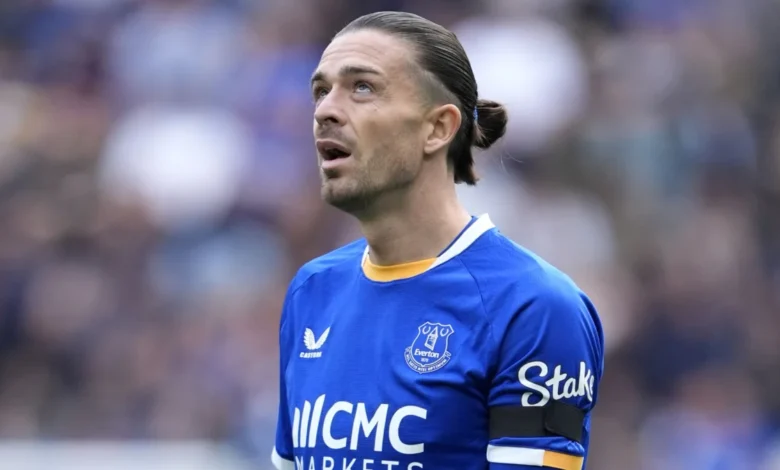
The absence of the Manchester City loanee from the squad list for Thursday night’s fixture at the Hill Dickinson Stadium sent shockwaves through the Everton fanbase, as the club confirmed the decision was a direct disciplinary measure. The incident marks a significant turning point in the midfielder’s tenure at Goodison Park, raising questions about his commitment to the club’s current campaign under David Moyes.
The Incident and Disciplinary Action
The official confirmation from Everton came just hours before kick-off, stating that Jack Grealish was "unavailable for selection due to a breach of club discipline." While the club initially maintained a degree of confidentiality regarding the specifics of the infraction, reports corroborated by Sky Sports News suggest that the catalyst for the decision was an unexcused absence from a vital training session.
According to reporter Keith Downie, the breakdown in protocol occurred during the high-stakes preparation period leading up to the Carabao Cup tie. "My understanding is the reason he’s not involved, and the reason he has been disciplined, is because he failed to show for a training session in the build-up to tonight’s cup tie," Downie stated.
For a manager like David Moyes, known for his stringent emphasis on discipline, work rate, and collective accountability, such an oversight is rarely overlooked. By excluding one of the club’s most high-profile players from a competitive cup fixture, Moyes has signaled that no individual, regardless of their status or transfer pedigree, is exempt from the standards expected at the club.
A Chronology of Recent Form and Availability
To understand the weight of this disciplinary action, it is necessary to examine Grealish’s trajectory since arriving on loan from Manchester City. His integration into the Everton squad had, until this week, appeared to be trending in a positive direction.
- Mid-October 2026: Grealish establishes himself as a regular starter in the Everton setup, providing necessary creativity in the midfield.
- The Three-Match Streak: He makes three consecutive starts in the Premier League against Ipswich Town, Hull City, and Chelsea, proving his fitness and tactical utility to Moyes.
- Late October 2026: Grealish is sidelined for the trip to the Emirates Stadium to face Arsenal. The club cites illness as the reason for his absence.
- October 29, 2026: Returning to the training ground, Grealish allegedly misses a session, leading to his exclusion from the matchday squad against Newcastle United.
The juxtaposition of his recent illness and this latest disciplinary failure has created a narrative of inconsistency that the club will likely be eager to address privately. With the congested fixture list of the English football calendar, the loss of a player of Grealish’s caliber for a cup competition—a tournament often viewed as a primary path to silverware—is a blow to the team’s aspirations.
Contextualizing the Everton Squad Status
The disciplinary issue with Grealish compounds existing selection headaches for David Moyes. The Everton manager was already forced to navigate the Newcastle tie without the services of defender Jarrad Branthwaite. Branthwaite, a cornerstone of the Everton backline, remained sidelined for the second successive match as he continued to follow the FA-mandated concussion protocols.
The absence of both Branthwaite and Grealish represents a significant dilution of the starting XI’s strength. While the club maintains a deep roster, the tactical balance Moyes has sought to cultivate in recent weeks—blending the defensive stability offered by players like Branthwaite with the attacking flair of Grealish—was clearly disrupted.
Implications for the Loan Agreement and Career Trajectory
The decision to discipline Grealish has broader implications for his career and his relationship with both parent club Manchester City and loan club Everton. When a high-profile player is sent on loan, the expectation is that they will serve as a professional exemplar, gaining vital minutes while contributing to the loaning club’s success.
When that relationship is tested by disciplinary issues, it can complicate future transfer dealings and the player’s reputation. Clubs are often wary of loaning talent to environments where internal strife is public knowledge. For Grealish, this event serves as a wake-up call. The scrutiny he faces under the spotlight of the Premier League is relentless, and incidents involving training ground attendance are often interpreted by the media and the public as a lack of focus.
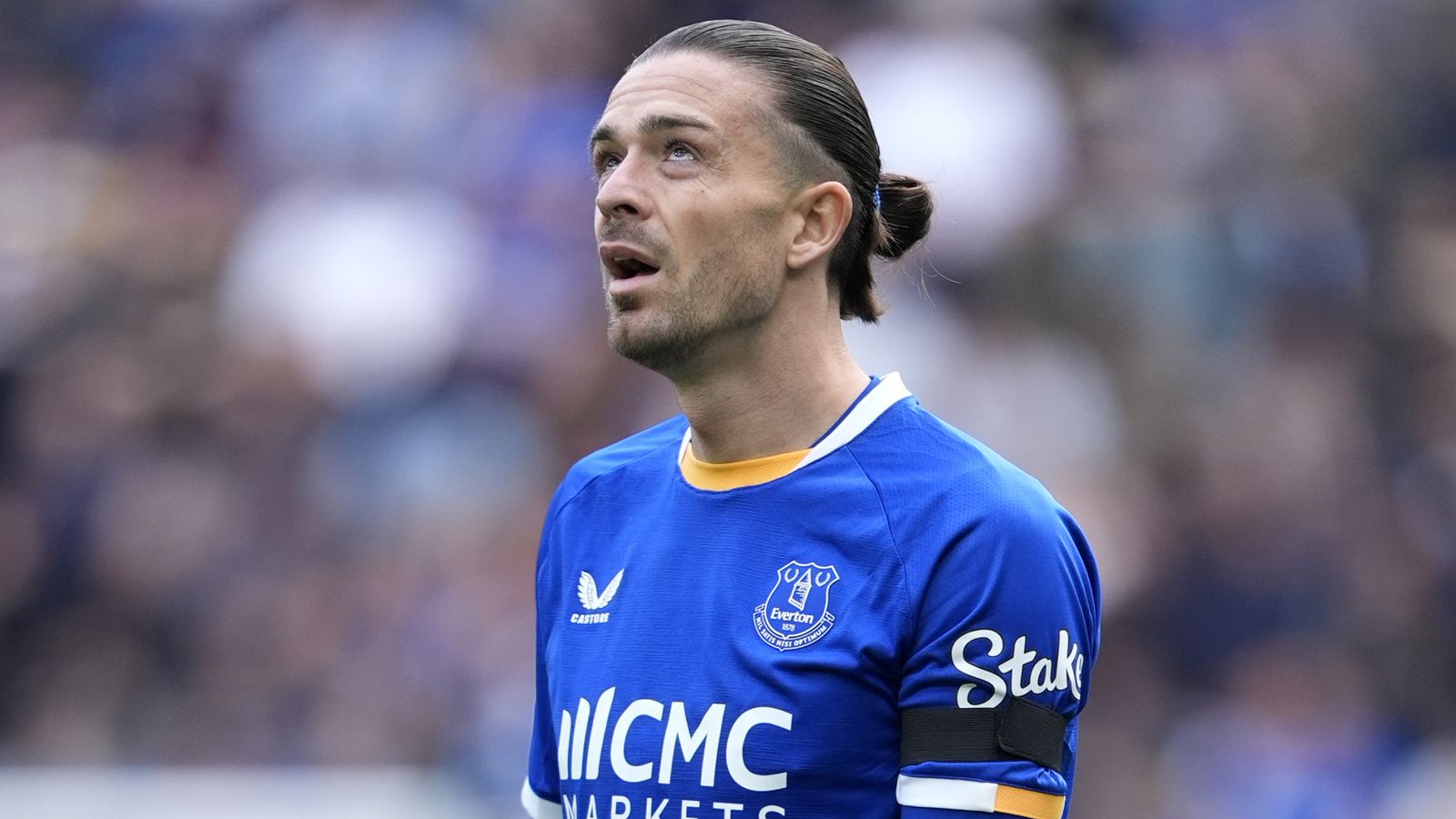
Furthermore, Manchester City’s hierarchy will likely be monitoring the situation closely. City, known for their rigorous standards under Pep Guardiola, generally expects their players to maintain peak professionalism regardless of where they are stationed. Any repeat of such behavior could jeopardize his standing within his parent club’s long-term plans.
David Moyes’ Management Style
David Moyes has never been a manager to tolerate deviations from his tactical or behavioral blueprints. Throughout his career—spanning his tenure at Everton, Manchester United, Real Sociedad, and West Ham—he has prioritized a "team-first" culture. By dropping Grealish for a game of this magnitude, Moyes is reinforcing a culture of accountability.
This move is also a message to the rest of the Everton dressing room. In a season where the club is fighting for consistency, maintaining the morale and the buy-in of the entire squad is paramount. If the manager allows a breach of discipline to slide for a high-profile loanee, he risks losing the respect of the home-grown players and the staff who adhere strictly to the schedule.
Statistical Analysis and Performance Metrics
Before this incident, Grealish had been functioning as a creative outlet for Everton. His involvement in the matches against Ipswich, Hull, and Chelsea showcased his ability to transition the ball from midfield to the final third. Statistically, his presence had helped stabilize Everton’s possession metrics in the middle of the park.
Without him, Everton faces a challenge in breaking down organized defenses, particularly against a high-pressing Newcastle United side. The data suggests that Grealish’s absence forces a tactical reshuffle, often requiring a more rigid or defensive-minded player to take his place, which can limit Everton’s offensive output. The impact of this absence is not merely symbolic; it is a measurable deficit in the team’s creative capacity.
The Road Ahead: Reintegration or Friction?
The immediate question facing the Everton board and the coaching staff is how to manage Grealish’s reintegration. Often, such disciplinary measures are followed by a period of internal review, where the player is expected to demonstrate a renewed commitment during training.
Whether Grealish returns to the starting lineup for the next Premier League fixture will depend on his reaction to this punishment. If he accepts the manager’s authority and redoubles his efforts, the incident may be viewed as a temporary lapse. However, if there is further friction, the club may have to evaluate whether the loan agreement serves the best interests of either party.
As the Carabao Cup campaign progresses, Everton will need their full complement of players to remain focused on the objectives set at the beginning of the season. For the fans, the hope remains that this is an isolated incident, and that the talent Grealish brings to the pitch can be channeled back into positive results in the coming weeks.
Conclusion: A Critical Moment for the Season
As the dust settles on the announcement, the focus turns to the pitch. The Newcastle game, broadcast live on Sky Sports+, is a reminder of the high stakes involved in professional football. Disciplinary issues, while unfortunate, are part of the landscape of the sport. The hallmark of a successful club is its ability to handle such issues decisively, maintain internal order, and continue the pursuit of its objectives.
Everton’s handling of this situation demonstrates a firm commitment to institutional standards. By placing the team’s integrity above the individual profile of a player, David Moyes has reminded the squad and the supporters that the badge remains the most important element of the club. As the team moves forward, the focus will undoubtedly shift back to the primary objective: securing results and climbing the league table, regardless of the personnel available on any given night.