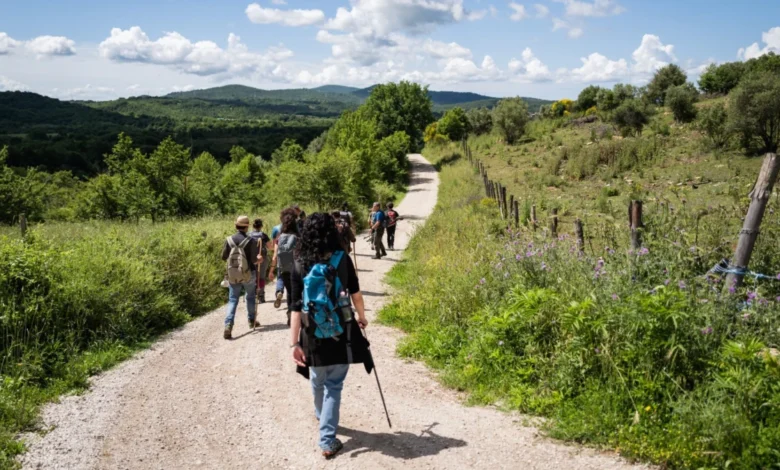
The Via Francigena, a historic network of pilgrimage routes tracing the footsteps of Sigeric the Serious, Archbishop of Canterbury, in 990 AD, is undergoing a profound transformation. While the route spans approximately 1,250 miles from Canterbury to Rome, recent travel data indicates that the path is shifting from a niche religious observance to a significant European tourism corridor. As travelers increasingly seek alternatives to the overcrowded hubs of Florence and Venice, this medieval artery offers a starkly different, albeit challenging, window into the Italian landscape—one defined by industrial history, rural isolation, and a burgeoning culinary identity.
A Chronology of the Modern Pilgrimage
The Via Francigena has historically served as a secondary alternative to the Camino de Santiago, which remains the continent’s most frequented long-distance walking trail. The Via’s modern resurgence began in the early 2000s, driven by infrastructure investments from the European Association of the Via Francigena Ways (AEVF). Unlike the Camino, which benefits from a centuries-old, standardized hospitality infrastructure, the Via Francigena remains a patchwork of ancient trails, secondary roads, and heavy-industry transit zones.
For the modern traveler, the journey is typically broken into weekly segments. While the full 90-day traversal is reserved for a dedicated minority, the final 60 miles leading into Rome have become the standard threshold for pilgrims to obtain the Testimonium, the official certificate of completion. Data from the AEVF shows that while 2025 marked a peak year during the Rome Jubilee—with approximately 12,000 certified completions—the total number of people traversing at least a portion of the route reached an estimated 100,000. This represents a substantial growth trajectory, with completion numbers effectively doubling in each of the last two years, signaling a shift in how European walking tourism is being consumed.
The Geography of Industry and Heritage
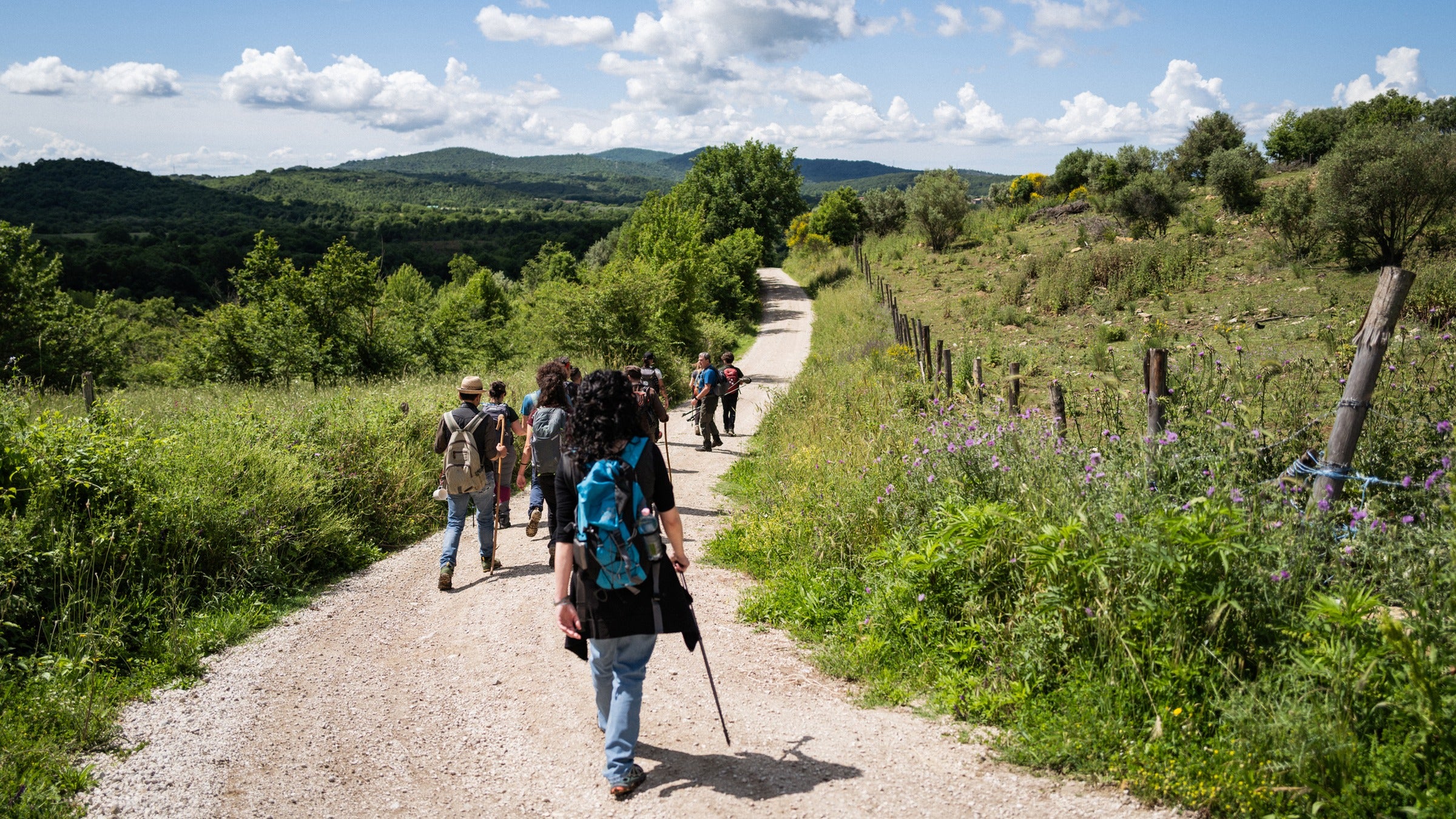
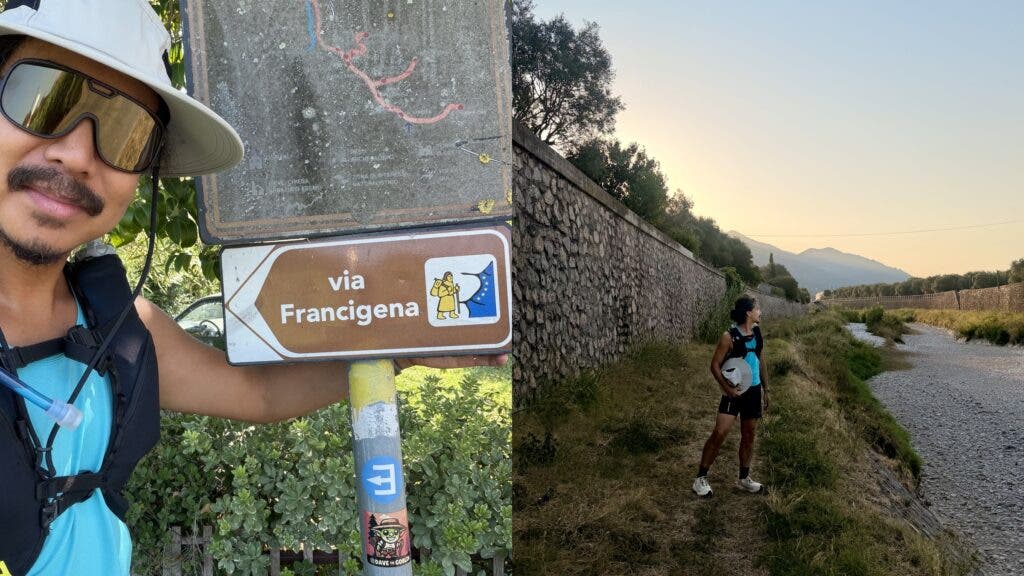
The stretch between Camaiore and Sarzana offers a definitive break from the idyllic imagery often associated with Tuscany. This region is dominated by the Apuan Alps, where two millennia of marble extraction have fundamentally altered the topography. Carrara, the epicenter of this industry, presents a stark contrast to the verdant, rolling hills of the Val d’Orcia. Here, the landscape is scarred by white, jagged cuts in the mountainside—a visual reminder of the raw materials that have shaped Western art and architecture, from Michelangelo’s David to the modern luxury kitchen market.
From an analytical perspective, this section of the trail represents the "B-side" of the Via Francigena. While the southern sections—such as the Crete Senesi and the volcanic cones near Radicofani—cater to the expectations of the "postcard tourist," the northern segments force an engagement with the reality of contemporary Italy. Hikers must navigate alongside active asphalt roadways, contending with the constant, high-speed transit of Fiat Pandas and electric vehicles. This "gritty" reality, however, is precisely what preserves the route’s authenticity. By lacking the heavy foot traffic of the popular southern stages, this segment remains one of the few places in Italy where a traveler can walk for days without encountering another tourist, a phenomenon becoming increasingly rare in the post-pandemic travel landscape.
Logistical Challenges: The Turigrino Spectrum
The rise of the "turigrino"—a portmanteau of the Spanish turista and peregrino—highlights a tension within the trekking community. This demographic seeks the cultural immersion of a pilgrimage but maintains a preference for creature comforts, such as luggage forwarding services and high-end dining.
However, the logistics of the Via Francigena are less forgiving than those of the Spanish Camino. As of late 2026, many northern stretches of the Via lack the robust "slackpacking" services (where luggage is ferried between hotels) found elsewhere. This structural void creates a barrier to entry that mandates self-sufficiency. Travelers accustomed to the "Type 2" ease of modern guided walking tours are often forced into "Type 2 Heavy" scenarios, carrying their own gear, hydration, and supplies. This shift in logistical requirement acts as a natural filter, discouraging mass tourism and ensuring that those who do complete these stretches are typically more committed to the physical realities of the path.
Culinary Integration as a Cultural Anchor
Perhaps the most compelling argument for the Via’s growth is its evolving culinary landscape. Because the route bypasses major tourist traps, the dining experience remains localized. In towns like Massa and Seravezza, the menu reflects a hyper-local approach: maltagliati made from corn flour, baccalà, and sophisticated interpretations of local seafood.
This culinary trajectory culminates in establishments like the Locanda de’ Banchieri in Sarzana. Housed in a former Malaspina residence that once functioned as a tax station for the marble trade, the inn represents the intersection of the route’s historical significance and modern gastronomic standards. By utilizing regional ingredients—such as San Rossore pine nuts, Tuscan black kale, and local marjoram—chefs are effectively curating a landscape-driven menu that mirrors the hiker’s physical journey. This integration of local produce and historical preservation provides a unique selling point that distinguishes the Via Francigena from more homogenized travel experiences.
Implications for Sustainable Tourism
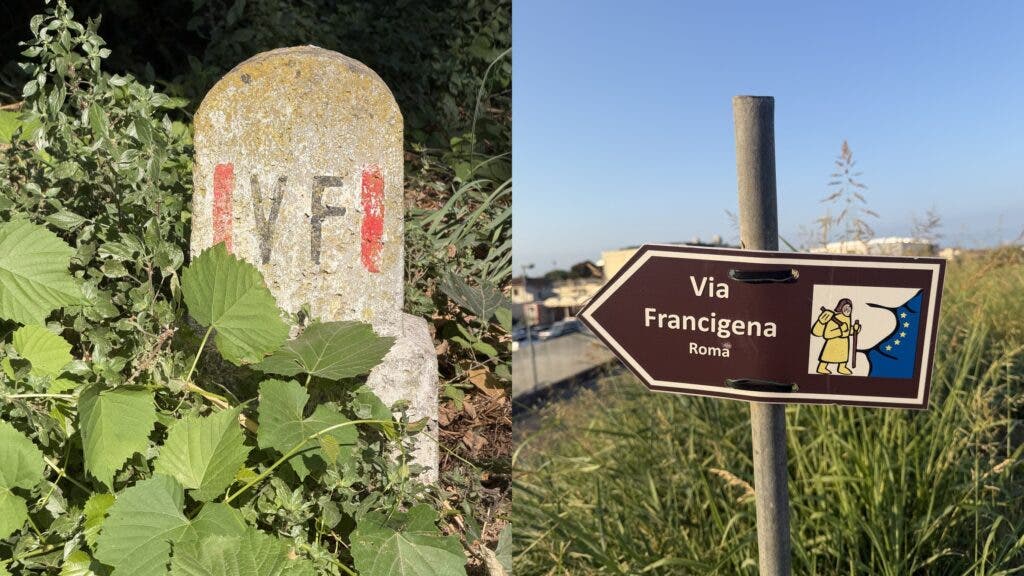
The rapid growth of the Via Francigena presents a critical challenge for local authorities: how to scale infrastructure without compromising the very isolation that defines the experience. Currently, the route operates at a fraction of the volume seen on the Camino de Santiago, which issued over 530,000 credentials in 2025. This discrepancy suggests that the Via still possesses a significant "cushion" for growth before it reaches the saturation point that has historically plagued sites like Florence or Rome.
Economic analysts observe that the path’s development is largely decentralized. Unlike state-sponsored tourism projects, the Via’s evolution is driven by a network of independent hoteliers, restaurateurs, and small municipalities. This decentralized model offers a buffer against the negative impacts of over-tourism. However, as the route gains popularity, the pressure to upgrade trail markers, increase security on road sections, and standardize accommodation will mount.
Ultimately, the Via Francigena serves as a microcosm for the future of European travel. It is a route that demands patience—the local philosophy of calma—and offers a departure from the "screensaver" aesthetic of traditional Italian tours. While the path may present moments of boredom or physical discomfort, it is precisely this lack of artificial refinement that secures its value. For the modern traveler, the Via Francigena offers something increasingly elusive: the opportunity to exist in a famous place without being treated as a spectator. As the route continues to mature, its ability to balance industrial history, rural charm, and quiet, low-density tourism will determine its long-term viability as a premier global pilgrimage.