Exploring Alaska Through Travel Rewards and Loyalty Programs: A Comprehensive Guide to Glacier Bay National Park and Beyond

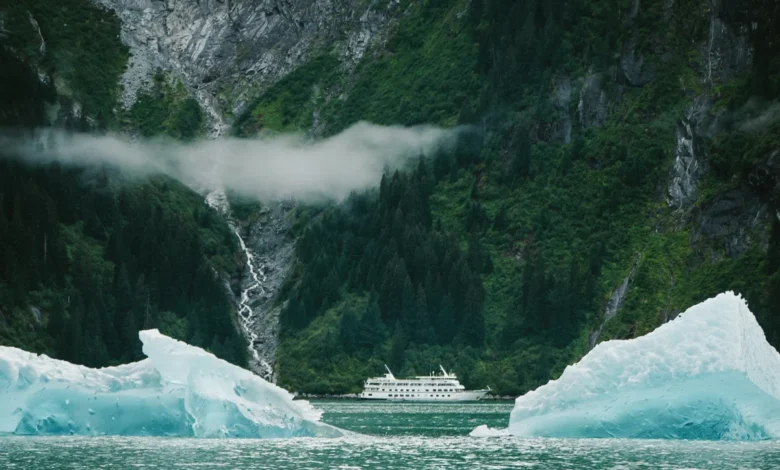
Alaska remains one of the most sought-after destinations for travelers seeking raw wilderness, majestic glaciers, and unparalleled wildlife viewing opportunities. Among the crown jewels of the Last Frontier is Glacier Bay National Park and Reserve, a sprawling protected area of rugged mountains, dynamic tidewater glaciers, and deep, ice-carved fjords. Visiting this remote region, however, often requires substantial financial planning due to the logistical challenges of traveling to and within Alaska. Fortunately, savvy travelers can leverage credit card travel rewards, airline miles, and hotel points to offset the high costs of an Alaskan expedition. This comprehensive guide explores how to strategically use loyalty programs to experience Glacier Bay National Park, alongside a detailed look at the park’s history, logistics, and broader economic impact.
The Financial Landscape of Alaskan Travel
Traveling to Alaska presents unique financial hurdles compared to the contiguous United States. Flights to regional hubs like Juneau, Anchorage, or Ketchikan frequently command high cash prices, especially during the peak summer tourism window between June and August. Furthermore, because much of Glacier Bay is accessible primarily by boat or small aircraft—there are no roads leading directly into the national park—transportation costs add up quickly.
To mitigate these expenses, consumers increasingly turn to travel rewards credit cards. By accumulating sign-up bonuses and everyday spending points, travelers can book flights on major carriers such as Alaska Airlines, Delta Air Lines, and United Airlines, all of which maintain robust networks serving the region. Similarly, hotel loyalty programs from brands like Marriott Bonvoy, Hilton Honors, and IHG One Rewards offer redemption opportunities in major urban centers before or after a wilderness excursion, helping to preserve out-of-pocket travel budgets.
Understanding Glacier Bay National Park
Encompassing 3.3 million acres of protected land, Glacier Bay National Park and Reserve is a biosphere of astonishing diversity. Designated as a national monument in 1925, a national park and preserve in 1980, and a UNESCO World Heritage Site in 1992, the park tells a compelling story of rapid glacial retreat and ecological succession.
Historical Context and Chronology
The history of Glacier Bay is characterized by dramatic environmental transformation:
- Late 18th Century: When explorer Captain George Vancouver sailed through Icy Strait in 1794, he found Glacier Bay choked by a massive wall of ice more than 4,000 feet thick and over 20 miles wide.
- Late 19th Century: Naturalist John Muir visited the area in 1879, sparking widespread scientific and public interest in the rapidly retreating ice fields. By this time, the glacier had already begun its historic retreat.
- 1925: Recognizing the scientific and aesthetic value of the rapidly changing landscape, President Calvin Coolidge proclaimed the area Glacier Bay National Monument under the Antiquities Act.
- 1980: The Alaska National Interest Lands Conservation Act (ANILCA) enlarged the protected area, officially designating it as Glacier Bay National Park and Reserve.
- 1992: The United Nations Educational, Scientific and Cultural Organization (UNESCO) inscribed Glacier Bay and surrounding parks as an international biosphere reserve and World Heritage Site, highlighting its global ecological importance.
Today, the glacier retreat continues to serve as a living laboratory for glaciologists and ecologists worldwide, offering insight into how plant and animal life reclaim barren landscapes left behind by melting ice.
Strategic Points and Miles Redemptions for Alaska
Planning a trip to Glacier Bay requires a multi-faceted approach to booking flights, lodging, and excursions using loyalty currencies.

Securing Airfare with Airline Miles
Because Glacier Bay is not accessible by car, visitors typically fly into Juneau International Airport (JNU) and connect via regional carriers, floatplanes, or cruise ships.
- Alaska Airlines Mileage Plan: As the dominant carrier in the state, Alaska Airlines offers extensive connectivity to Juneau from Seattle (SEA), Anchorage (ANC), and other West Coast gateways. Partner awards via the Oneworld alliance also allow travelers to book flights using American Airlines or British Airways miles.
- Flexible Point Currencies: Programs like Chase Ultimate Rewards, American Express Membership Rewards, and Capital One Miles offer transfer partners that fly to Alaska or regional hubs. Transferring points to carriers like Air Canada Aeroplan or Singapore Airlines KrisFlyer can sometimes yield high-value redemptions on partner airlines serving the Pacific Northwest.
Maximizing Hotel and Resort Stays
While overnight accommodations inside Glacier Bay National Park are limited primarily to the historic Glacier Bay Lodge in Bartlett Cove, travelers usually spend a night or two in Juneau or Anchorage.
- Urban Redemptions: Major hotel chains have properties in Anchorage and Juneau. Using free night certificates earned from co-branded credit cards can significantly reduce accommodation expenses before boarding a cruise or a small vessel into the park.
- Independent and Partner Lodges: For stays closer to the park entrance, specialized travel credit cards that function as "statement credit" or "travel eraser" tools allow users to offset the cost of boutique wilderness lodges and authorized concessionaires using accumulated cash-back or travel points.
Logistical Challenges and Visitor Guidelines
Visiting Glacier Bay demands careful preparation. Unlike national parks connected by highway systems, Glacier Bay is primarily experienced via cruise ships, tour boats, or private vessels permitted by the National Park Service (NPS).
Park Access and Regulations
The National Park Service strictly regulates vessel entries to protect the marine ecosystem, particularly endangered humpback whales, harbor seals, and sea otters. Cruise ship entries are capped annually, and private boaters must secure permits in advance. Weather conditions can change rapidly, with frequent rain, high winds, and dense fog creating unpredictable travel windows throughout the summer season.
Environmental Impact and Conservation
As tourism to Alaska rebounds to pre-pandemic levels, balancing visitor access with environmental preservation remains a top priority for park administrators and local indigenous communities, particularly the Huna Tlingit people, who hold deep ancestral ties to the land. Sustainable travel practices, supported by responsible tourism boards and eco-certified tour operators, aim to minimize the carbon footprint of travelers exploring these fragile northern ecosystems.
Broader Economic and Industry Implications
The integration of travel rewards into high-end wilderness expeditions reflects a broader trend within the travel industry: the democratization of luxury and remote travel. Credit card issuers increasingly tailor their benefits toward experiential travel, offering perks such as elite status, comprehensive travel insurance, and statement credits for outdoor gear or adventure tours.
For Alaska’s tourism economy, which generates billions of dollars annually and supports tens of thousands of jobs, the accessibility provided by loyalty programs helps sustain visitor numbers outside of traditional urban centers. Local businesses, charter boat operators, and regional air services benefit from travelers who reallocate their cash savings toward guided excursions, flightseeing tours, and cultural experiences.
Conclusion
A journey to Glacier Bay National Park represents the pinnacle of North American wilderness exploration. By understanding the logistical requirements, appreciating the rich history and ecological significance of the region, and strategically deploying travel rewards and credit card points, adventurers can make this once-in-a-lifetime expedition both feasible and rewarding. As travel loyalty programs continue to evolve, they remain powerful tools for unlocking remote, awe-inspiring destinations while maintaining financial prudence.