Felipe Carrillo Puerto International Airport Transforms Travel to the Mexican Caribbean with Strategic Expansion and Growing Global Connectivity

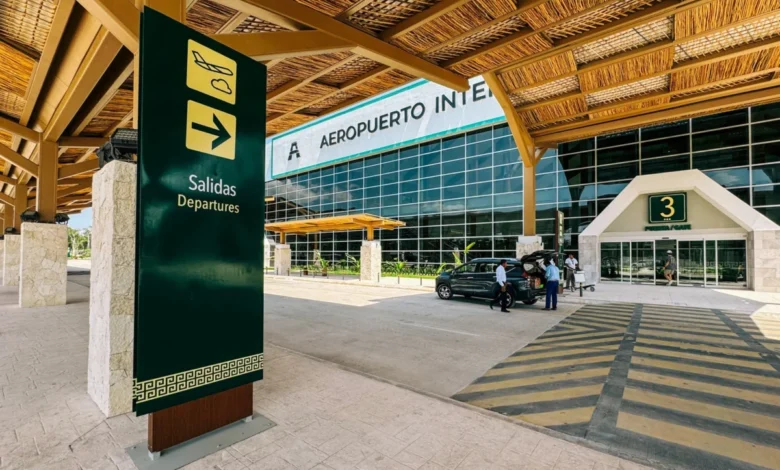
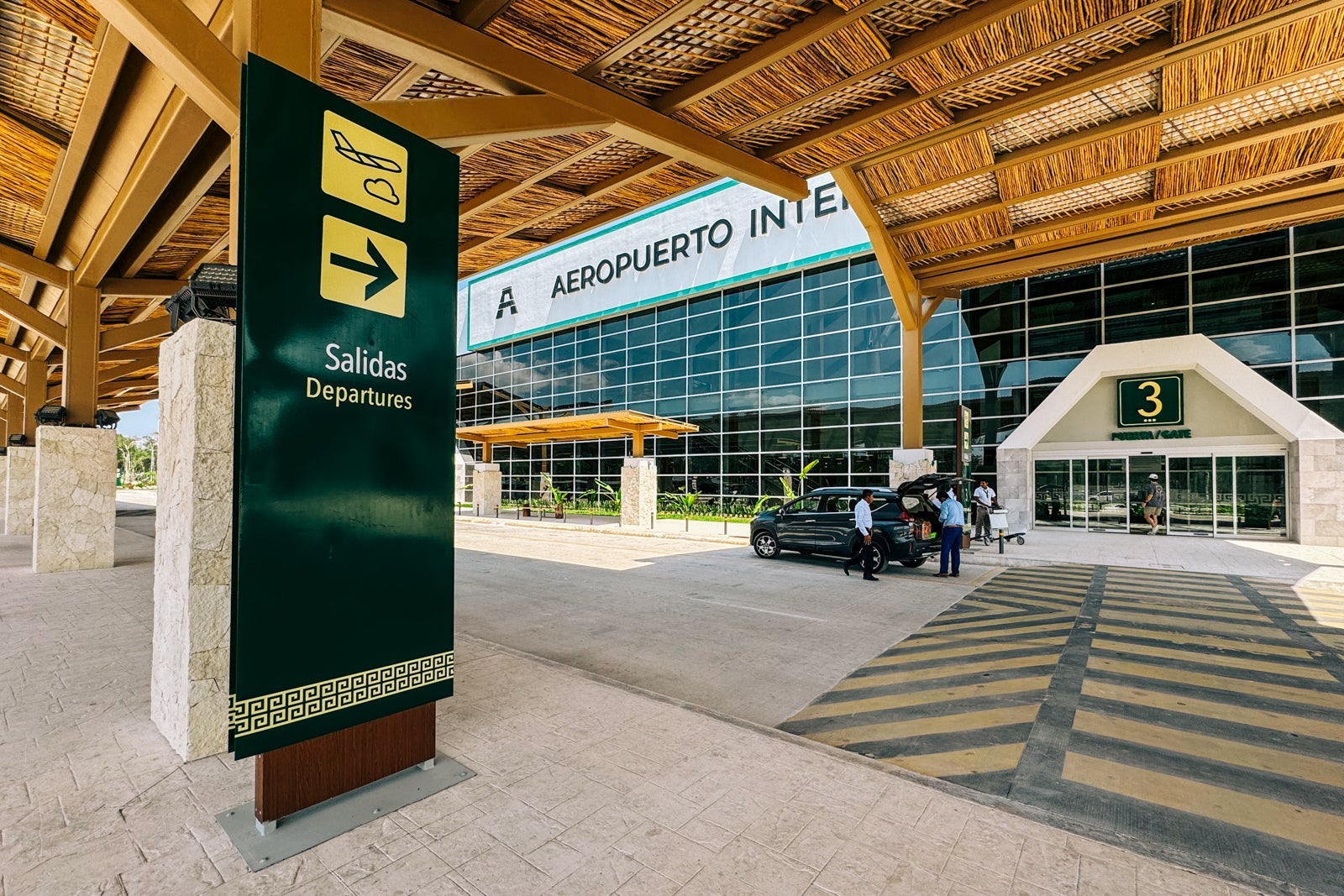
The landscape of tourism and aviation in the Mexican Caribbean has undergone a profound transformation following the continued growth and operational maturation of Felipe Carrillo Puerto International Airport in Tulum. Situated approximately 25 miles southwest of Tulum’s city center, this strategic infrastructure project—initially inaugurated to alleviate severe congestion at the chronically overburdened Cancún International Airport—has rapidly evolved into a vital international gateway. As airlines from across North America and beyond establish robust flight schedules to the facility, the airport is redefining accessibility to the Riviera Maya, shifting regional economic dynamics, and presenting new considerations for travelers and the hospitality sector alike.
Main Facts and Operational Overview
Constructed under the oversight of Mexico’s federal government and operated by the Olmeca-Maya-Mexica Airport, Railway, and Auxiliary Services Group (GAFSIAMAM)—a conglomerate managed by the Mexican Ministry of Defense—the Tulum airport was conceived to bridge the gap between burgeoning tourist demand and regional infrastructure limits. Spanning thousands of acres of jungle terrain, the facility features a modern, expansive terminal building capable of handling millions of passengers annually, complemented by a state-of-the-art commercial aviation apron and a 3,700-meter runway designed to accommodate wide-body aircraft from long-haul international destinations.
Since its opening, the airport has steadily attracted major carriers. Domestic heavyweights such as Aeroméxico, Volaris, and Viva Aerobus established immediate connectivity linking Tulum with key Mexican hubs including Mexico City, Monterrey, and Guadalajara. Concurrently, major U.S. carriers—including American Airlines, Delta Air Lines, United Airlines, and JetBlue—inaugurated nonstop routes from primary aviation gateways such as Miami, Dallas-Fort Worth, Atlanta, Houston, and New York. This rapid influx of air service has transformed Tulum from a bohemian, relatively isolated coastal enclave reachable primarily via a two-hour drive south of Cancún into a globally accessible destination.
Chronology of Development and Expansion
The realization of the Felipe Carrillo Puerto International Airport represents the culmination of decades of regional planning and an accelerated recent construction timeline. For years, tourism stakeholders in Tulum lobbied for localized aviation infrastructure to capture the high-end luxury and eco-tourism markets that frequently bypassed the region due to the lengthy ground transit times from Cancún.
The project broke ground in late 2022 as part of a broader federal push to spur economic development in Mexico’s southeast, closely tied to the rollout of the Maya Train (Tren Maya) project. Built at an expedited pace by military engineers, the airport was completed in record time, welcoming its inaugural commercial flight in December 2023.
Throughout 2024 and 2025, the airport experienced a phased operational ramp-up. Initially handling primarily domestic traffic and select U.S. carrier routes, the facility steadily expanded its infrastructure to support international customs and border processing capabilities. By late 2025 and into 2026, the airport solidified its status as a fully international facility, welcoming seasonal and year-round transatlantic and transcontinental flights. The integration of the airport with local ground transportation networks, including dedicated shuttle services and a nearby Maya Train station, marked subsequent milestones aimed at creating a seamless multi-modal transit ecosystem across the Yucatán Peninsula.
Supporting Data and Regional Economic Metrics
The economic and logistical impact of the Tulum airport is reflected in comprehensive regional data. Prior to the airport’s opening, Cancún International Airport handled the vast majority of the more than 30 million annual visitors to the Mexican Caribbean, leading to severe highway congestion along federal route 307 and straining municipal services in Tulum, Playa del Carmen, and Akumal.
Preliminary operational data from regional aviation authorities indicate that Felipe Carrillo Puerto International Airport handled well over one million passengers within its first full year of operation, with projections pointing toward significant double-digit growth year-over-year. International arrivals currently comprise a substantial portion of total traffic, with U.S. travelers representing the primary demographic, followed by domestic tourists and a growing share of European visitors.
Hotel occupancy rates in Tulum, which historically experienced pronounced seasonal fluctuations, have shown greater resilience and year-round stability following the establishment of direct flight corridors. Furthermore, real estate values and foreign direct investment in hospitality projects surrounding Tulum have surged, as developers capitalize on the reduced friction of travel for international high-net-worth visitors and digital nomads.
Official Responses and Stakeholder Reactions
The launch and maturation of the airport have elicited widespread commentary from tourism boards, airline executives, and local business associations, reflecting a mixture of high optimism and pragmatic caution.
Federal tourism officials have repeatedly praised the project as a masterclass in strategic infrastructure development, emphasizing its role in decentralizing tourism revenue from Cancún and distributing economic benefits deeper into the Mayan communities of Quintana Roo. In official briefings, representatives from the Ministry of Tourism have noted that the airport not only improves visitor satisfaction by eliminating grueling post-flight road transfers but also positions the southern Riviera Maya to compete more effectively on the global luxury tourism stage.
Airlines have similarly expressed enthusiasm. Commercial aviation analysts point out that the ability to market Tulum as a direct destination rather than an extension of a Cancún itinerary has unlocked new consumer segments. Network planners for major U.S. carriers have highlighted strong load factors on Tulum routes, validating the initial risk of launching unproven international service to a secondary market.
Conversely, local environmental groups and community advocates have voiced measured concerns. While acknowledging the economic windfall, conservationists emphasize the urgent need for robust municipal planning to manage wastewater, energy consumption, and urban sprawl. The rapid pace of development catalyzed by the airport has intensified calls for strict ecological zoning laws to protect Tulum’s delicate subterranean cenote systems and coastal mangrove habitats.
Broader Impact and Strategic Implications
The long-term implications of Felipe Carrillo Puerto International Airport extend far beyond local tourism metrics, signaling a shift in how regional infrastructure projects are deployed to reshape national economies.
From a geopolitical and logistical standpoint, the involvement of the military in constructing and overseeing the facility underscores a distinct model of public works administration in Mexico—one capable of bypassing bureaucratic bottlenecks to deliver mega-projects on aggressive timelines. This model is likely to serve as a blueprint for future infrastructure initiatives across Latin America.
For the global aviation industry, the success of the Tulum gateway demonstrates the viability of opening secondary airports in high-density leisure markets. As primary hubs worldwide face capacity constraints and slot shortages, airlines are increasingly willing to test point-to-point service to specialized leisure destinations, provided the ground infrastructure can support wide-body aircraft and efficient passenger processing.
Ultimately, Felipe Carrillo Puerto International Airport stands as a testament to the evolving dynamics of modern travel. By bridging the gap between remote natural beauty and global connectivity, the facility has permanently altered the geography of the Mexican Caribbean. As aviation routes continue to multiply and regional integration solidifies, the true test for Tulum will lie in balancing this unprecedented global accessibility with sustainable stewardship of the natural and cultural assets that drew the world to its shores in the first place.