FAA Finally Certifies Boeing 737 Max 10 For Commercial Delivery, Bringing The Entire 737 Family Into Service

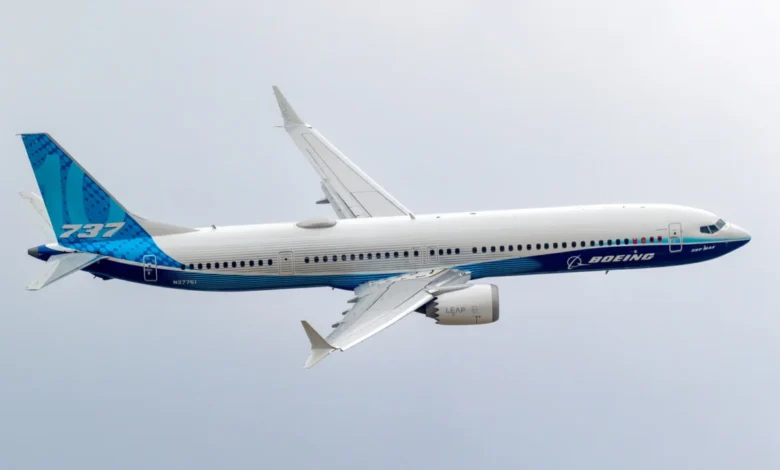
The Federal Aviation Administration has officially certified the Boeing 737 Max 10 for commercial delivery, marking a major milestone for the aerospace manufacturer and completing the certification process for its entire best-selling single-aisle aircraft family. As the largest variant in the Max lineup, the 737 Max 10 can accommodate up to 210 passengers in a standard two-class configuration. This capacity makes it a long-awaited spiritual successor to Boeing’s retired mid-size 757, offering airlines a high-capacity, narrow-body option capable of handling high-density domestic and regional routes efficiently.
The milestone brings the Max 10 into active standing alongside its sibling variants. The 737 Max 8 and Max 9 have been operational for years, while the smallest variant, the Max 7, received its federal certification earlier in the year. For Boeing, this development caps off a period of operational recovery, during which the company regained vital regulatory privileges, including the ability to self-certify individual aircraft for safety under strict FAA oversight, and competed aggressively with rival Airbus for annual commercial sales dominance.
Chronology and Regulatory Hurdles
The path to certification for the 737 Max 10 was notably protracted. Boeing completed the aircraft’s maiden test flight in 2021, entering a multi-year testing and evaluation phase that faced intense scrutiny from regulators globally. The heightened regulatory caution stemmed directly from the tragic 737 Max crashes in 2018 and 2019, which grounded the global fleet for nearly two years and severely damaged public and regulatory trust in the manufacturer.
Compounding these challenges was the legislative landscape. Following the 2018 and 2019 incidents, the United States Congress passed the Aircraft Certification, Safety, and Accountability Act in 2020. This legislation fundamentally transformed the certification process, mandating significantly stricter oversight, comprehensive reviews of flight control systems, and heightened transparency from manufacturers. The 737 Max 10 became the first brand-new Boeing aircraft design to navigate this rigorous framework from inception to final approval, a process that ultimately spanned approximately five years.
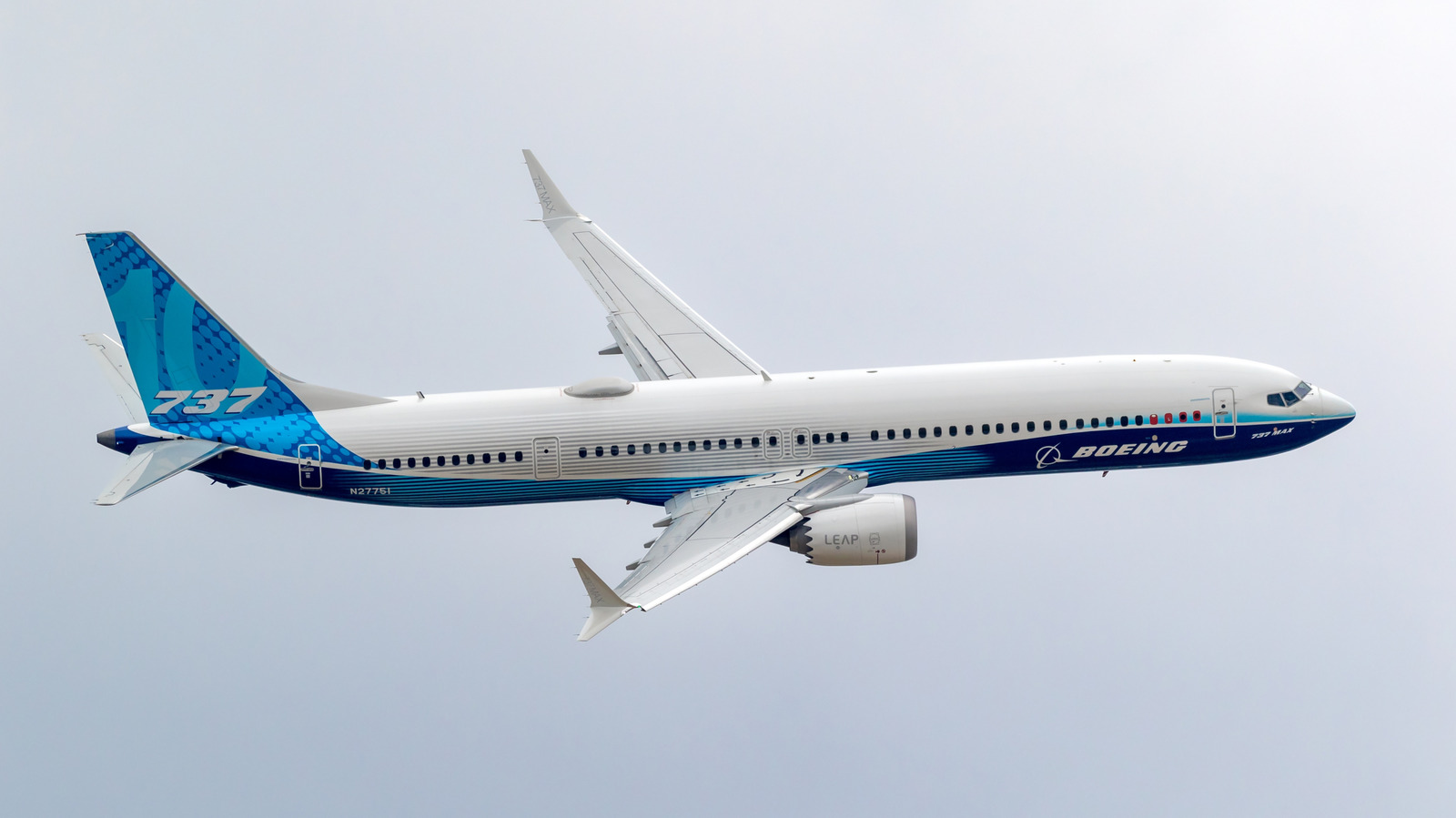
Throughout testing, engineers and regulators identified various technical adjustments, including a known software anomaly affecting the flight deck’s navigation system. These items were addressed and mitigated through software patches and system redundancy checks to meet the FAA’s upgraded safety thresholds. With the type certificate now granted, airlines anticipate integrating the aircraft into their active schedules as early as next year.
Evaluating the Max Family: Size, Range, and Performance
Each model within the 737 Max family is engineered to serve distinct operational niches within commercial aviation networks. The Max 10 prioritizes volume and operational economy, designed to maximize passenger yield per flight. According to Boeing’s commercial specifications, the increased capacity of the Max 10 delivers the lowest per-seat operating cost of any single-aisle aircraft currently on the market.
However, size dictates trade-offs in aviation physics. The Max 10 possesses a flight range of approximately 3,100 nautical miles. While sufficient for transcontinental domestic routes across North America or intra-European corridors, it represents the shortest range of any Max variant. By contrast, the smaller Max 7 boasts a range of up to 3,800 nautical miles, allowing it to service thinner, longer-distance routes despite a reduced seating capacity capped at roughly 160 passengers in a two-class setup. The lighter aerodynamic footprint of the Max 7 also makes it exceptionally well-suited for high-altitude or high-temperature airports where takeoff performance is restricted.
The market heavyweights remain the Max 8 and Max 9 variants, which form the operational backbone of many major domestic and international carriers. The Max 8 accommodates up to 180 passengers with a range of 3,500 nautical miles, while the Max 9 extends capacity to 195 passengers over a 3,300-nautical-mile radius. The commercial success of these two variants propelled the broader 737 Max program to become the fastest-selling aircraft family in Boeing’s corporate history, a status reinforced by the recent green lights given to both the smallest and largest bookends of the portfolio.
Market Demand and Global Delivery Schedule
Market demand for the 737 Max 10 remains robust, accounting for roughly 30 percent of the total backlog for the 737 Max program. Industry analysts note that carriers eager to replace aging mid-market fleets have placed substantial bets on the aircraft’s economics.
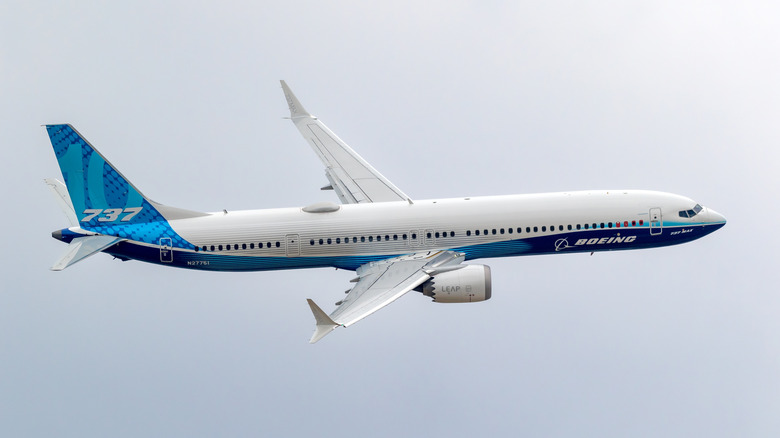
Canadian carrier WestJet is slated to take delivery of the first production models in early 2027, contingent upon final validation and type certification by Transport Canada. Following WestJet’s introduction, Boeing faces the task of working through a backlog of approximately 1,555 orders for the Max 10 variant alone, originating from a diverse portfolio of domestic and international airlines.
Broader Economic and Industry Implications
The completion of the 737 Max family certification provides a much-needed financial and operational stabilizer for Boeing. By securing regulatory clearance for its high-capacity narrow-body, the company can better compete against competing long-range narrow-body offerings from Airbus, such as the A321neo. The ability to offer a complete family of aircraft allows airlines to standardize pilot training, maintenance protocols, and spare parts inventories across fleets ranging from 130 to 210 seats.
Despite this positive momentum, challenges remain for the manufacturer. Industry observers point out that Boeing must maintain its rigorous safety compliance under the post-2020 regulatory framework while simultaneously working to resolve ongoing certification delays for its widebody flagship, the Boeing 777X.
Ultimately, the FAA’s certification of the 737 Max 10 represents a turning point in a turbulent chapter of modern aviation history. It signifies that the manufacturer has met the heightened statutory requirements of post-crisis regulation, restoring a full complement of single-aisle options to the commercial aviation marketplace as airlines prepare for fleet modernization through the remainder of the decade.