Reviewing the Historical Impunity and Political Silence Surrounding the 1985 Assassination of Alex Odeh

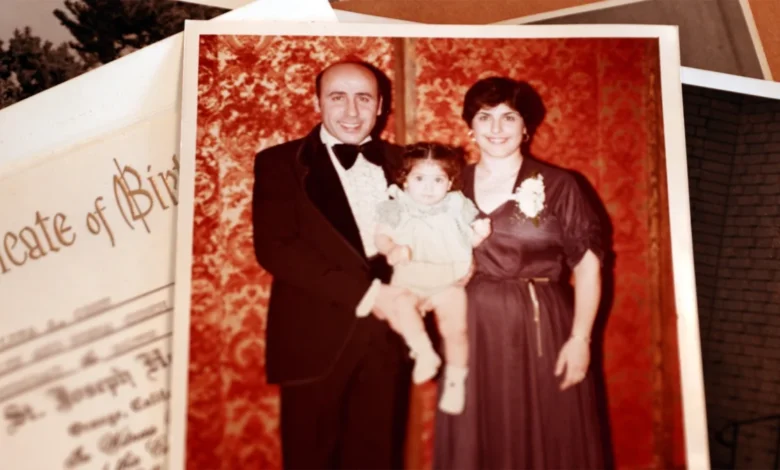
The assassination of Alex Michel Odeh on October 11, 1985, stands as one of the most prominent yet unresolved acts of political violence directed against an Arab-American civil rights leader on United States soil. Odeh, who served as the West Coast regional director of the American-Arab Anti-Discrimination Committee (ADC), was killed instantly when a pipe bomb detonated as he unlocked the door of his office in Santa Ana, California. More than four decades later, the crime remains officially classified as unsolved by federal law enforcement agencies. However, investigative reporting, documentary filmmaking, and public records have consistently pointed toward members of a militant right-wing faction as the perpetrators. The enduring failure to secure extraditions, prosecutions, or official accountability has transformed the Odeh case into a foundational study of systemic blind spots regarding political extremism, foreign policy intersections, and the disparate enforcement of civil rights protections in the United States.
Chronology of the Attack and Immediate Aftermath
The events leading up to Odeh’s death unfolded against a backdrop of heightened geopolitical tensions in the Middle East and rising domestic friction within immigrant communities in the Unitedestones. In the days preceding the bombing, Odeh had made several high-profile media appearances, including a notable debate on the television program "Newsline" where he addressed contemporary Middle Eastern politics and advocated for Palestinian rights.
On the morning of October 11, 1985, Odeh arrived at the ADC office in Santa Ana. As he opened the door, a tripwire-activated explosive device planted inside detonated. The blast caused catastrophic injuries, resulting in his immediate death. The attack also injured several others and inflicted severe structural damage to the office building.
The Federal Bureau of Investigation (FBI) launched a formal investigation into the bombing, quickly identifying primary suspects linked to the Jewish Defense League (JDL), a militant organization founded by Meir Kahane. Evidence gathered by investigators pointed toward specific individuals within the organization who had openly expressed hostility toward Arab-American figures and organizations. Despite the collection of physical evidence and substantial intelligence pointing toward the suspects, the individuals allegedly responsible managed to leave the United States and relocate to Israel before federal prosecutors could file formal charges and secure indictments.
Decades of Legal Stagnation and Jurisdictional Hurdles

In the years following the assassination, the pursuit of justice faced repeated administrative, diplomatic, and legal roadblocks. Federal investigators and human rights advocates have long maintained that the primary suspects fled to Israel to evade American jurisprudence. Under Israeli law and extradition treaties, bringing the suspects back to the United States for trial has encountered profound diplomatic hurdles.
Furthermore, investigative findings published over the subsequent decades—highlighted by recent documentary projects such as Jason Osder and William Youmans’s "Who Killed Alex Odeh?"—have scrutinized the level of cooperation between American and foreign intelligence agencies. Archival reviews and journalistic inquiries suggest that geopolitical considerations during the Cold War era may have contributed to a lack of aggressive diplomatic pressure from Washington to compel extraditions. To date, none of the primary suspects identified by federal investigators have stood trial in an American court for the murder of Alex Odeh, and the case remains formally open within the FBI’s counterterrorism files.
Contextualizing the Threat of Domestic Extremism
The murder of Alex Odeh did not occur in a vacuum; it represented a violent escalation in a pattern of intimidation targeting Arab-American activists during the 1980s. Prior to the Santa Ana bombing, the ADC and other advocacy groups had reported numerous threats, acts of vandalism, and intimidation campaigns designed to silence prominent voices speaking out against Israeli government policies or advocating for Palestinian self-determination.
Civil rights organizations have frequently contrasted the federal response to the Odeh assassination with investigations into other domestic terrorist incidents of the era. Critics, including leadership from the ADC, have argued that acts of political violence directed against Arab-Americans and Muslims have historically received a lower priority within federal law enforcement frameworks compared to threats targeting other demographic groups. This perceived institutional indifference, critics argue, created an environment of tacit impunity that allowed violent extremists to operate with limited fear of federal prosecution.
Political Reactions and Institutional Silence
In the immediate aftermath of the bombing, responses from the highest levels of the federal government were heavily scrutinized. Ronald Reagan’s administration issued standard condemnations of political violence, but critics have long pointed out a notable absence of personal outreach to Odeh’s grieving family. President Reagan did not issue a formal letter of condolence to Odeh’s widow, Norma, or their three daughters—Helena, Samya, and Susan—nor did he visit the site of the attack.

This official silence was interpreted by civil rights advocates as a signal that the murder of a Palestinian-American citizen did not carry the same political weight as attacks on citizens of other backgrounds. Decades later, political campaigns involving Arab-American or Muslim candidates continue to encounter heightened scrutiny and polarized rhetoric from across the political spectrum, demonstrating that the underlying biases identified during the 1980s persist in contemporary American political discourse.
Broader Implications and Modern Relevance
The enduring legacy of the Alex Odeh assassination extends far beyond the confines of a single cold case. It serves as a benchmark for evaluating the consistency of American civil rights protections and the application of domestic counterterrorism laws.
Legal scholars and human rights advocates emphasize that the failure to resolve the Odeh case establishes a dangerous precedent regarding accountability for transnational and domestic political violence. When individuals suspected of perpetrating deadly hate crimes are permitted to reside abroad without facing extradition, it undermines public trust in the judicial system and sends a damaging message regarding which lives the state is willing to protect and avenge.
As contemporary documentary works and ongoing journalistic investigations continue to bring renewed attention to the case, public pressure mounts on federal agencies to review archival files and exhaust remaining avenues for international cooperation. However, barring a major diplomatic shift or unexpected cooperation from foreign authorities, the prospects for formal legal accountability remain remote. Consequently, the assassination of Alex Odeh remains a stark reminder of the historical vulnerabilities faced by minority advocacy groups in the United States and the enduring challenges of achieving universal justice under the law.