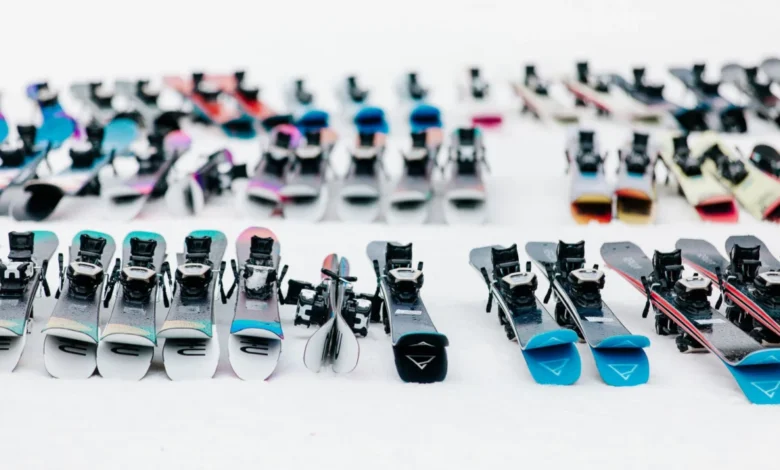
The transition from a beginner to an intermediate skier is arguably the most pivotal phase in a winter sports enthusiast’s development. It is a period defined by the move from tentative survival on green slopes to confident exploration of the entire mountain. Recognizing this shift, manufacturers have increasingly focused on the "value-performance" segment, engineering skis that prioritize accessibility, forgiveness, and affordability without sacrificing the technical capabilities required to refine one’s technique. In late October 2026, a comprehensive field test conducted at Eldora Mountain, Colorado, evaluated 13 of these models, identifying the top performers for the 2027 season.
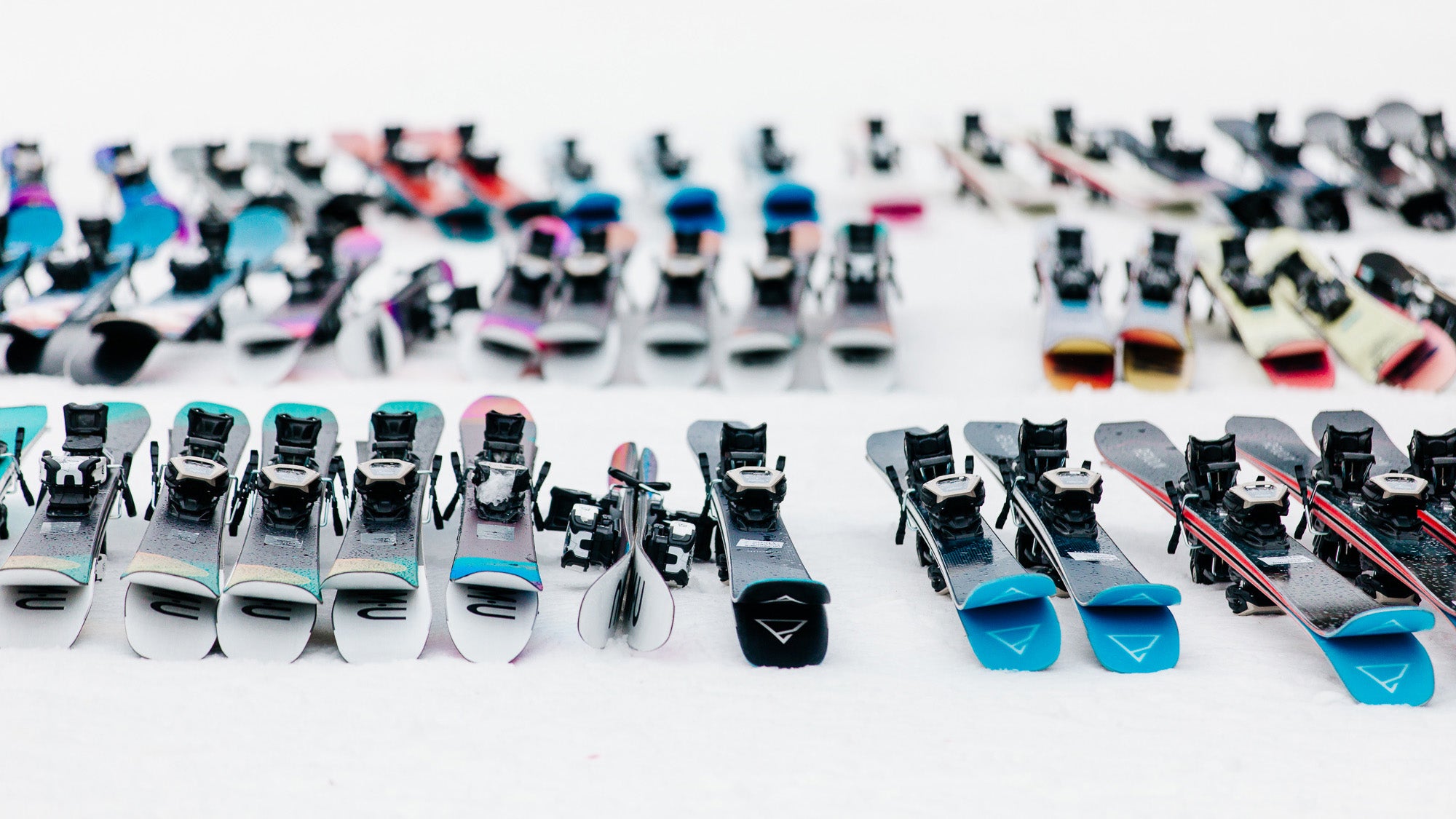
The testing initiative, a joint project between Outside and SKI, brought together a cohort of 10 industry professionals, including veteran ski instructors, resort patrollers, and specialized shop technicians. The goal was to rigorously assess equipment priced under $650—a critical price point for many consumers—to determine which models best facilitate skill progression. The resulting data provides a roadmap for skiers seeking a balance between high-end performance and budget-conscious design.
Defining the Intermediate Tier
Intermediate skis are engineered with a specific geometry in mind, typically featuring waist widths between 75 and 85 millimeters. This narrow profile allows for rapid edge-to-edge transitions, which is essential for skiers still mastering the art of the carved turn. Unlike expert-level gear, which often incorporates layers of heavy metal or carbon fiber that require high speeds and aggressive force to activate, intermediate skis utilize lighter materials such as poplar wood cores and targeted dampening technology.
These design choices directly address the most common challenges faced by developing skiers: leg fatigue, intimidation by steep terrain, and the technical difficulty of initiating turns in varied snow conditions. By reducing the physical input required to maneuver, these skis allow the user to focus on body positioning and weight distribution, effectively accelerating the learning curve.
Key Findings from the Eldora Field Test
The 2026 test session at Eldora provided consistent conditions across several days, allowing testers to push the equipment on both firm morning groomers and the softer, more inconsistent snow found later in the day. The consensus among the experts was that the current market for intermediate gear is stronger than it has been in the last decade.
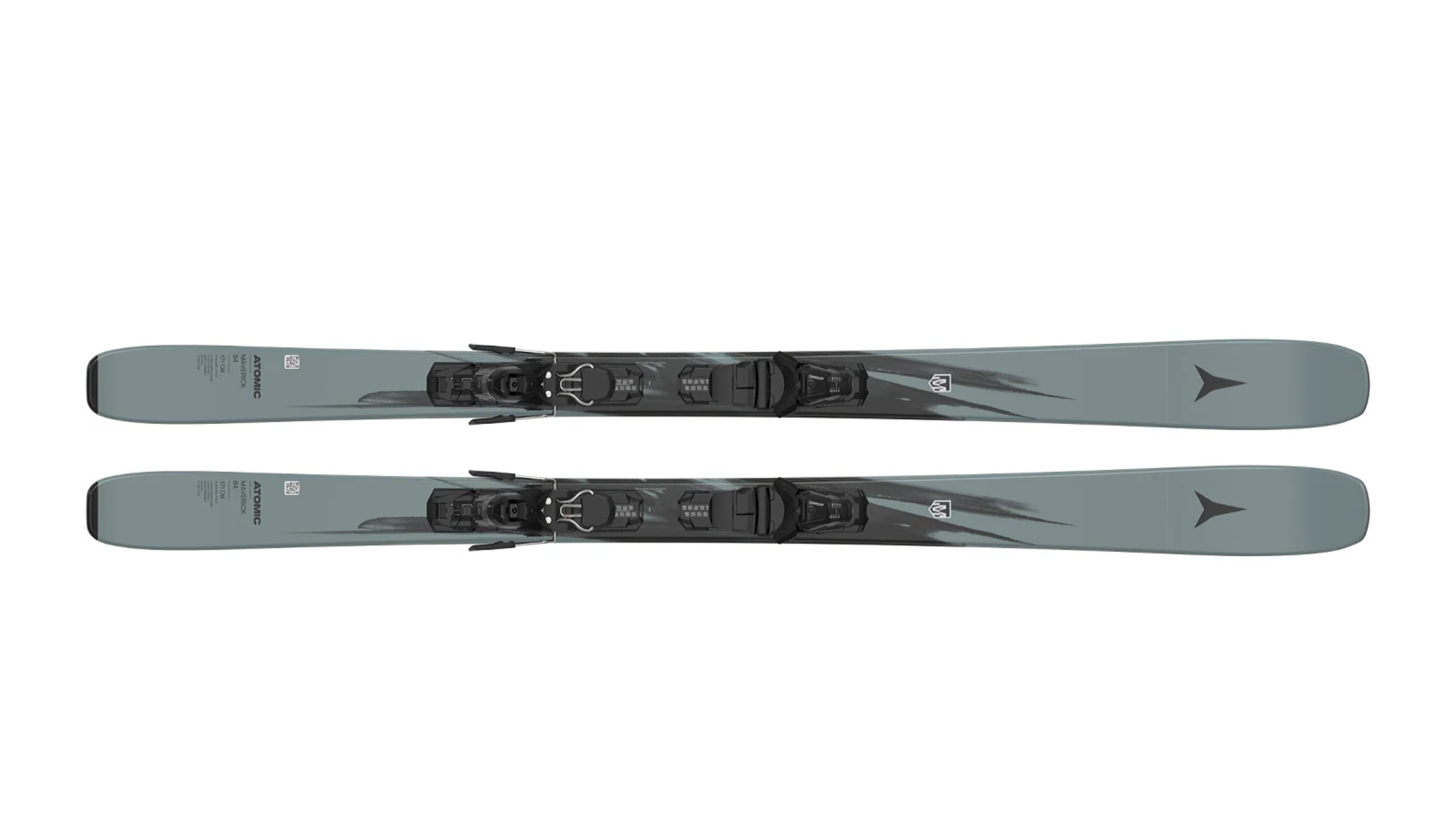
The Atomic Maverick 84 emerged as the overall standout, earning the Editors’ Choice designation. Testers highlighted its remarkable versatility, noting that while it is primarily a frontside tool, it possessed enough structural integrity to handle light bumps and variable conditions. "The Maverick 84 functions as a true quiver killer for this ability level," noted one instructor involved in the testing process. The inclusion of a Titanal stabilizer—a rarity in this price bracket—provided a level of vibration absorption usually reserved for more expensive, race-oriented models.
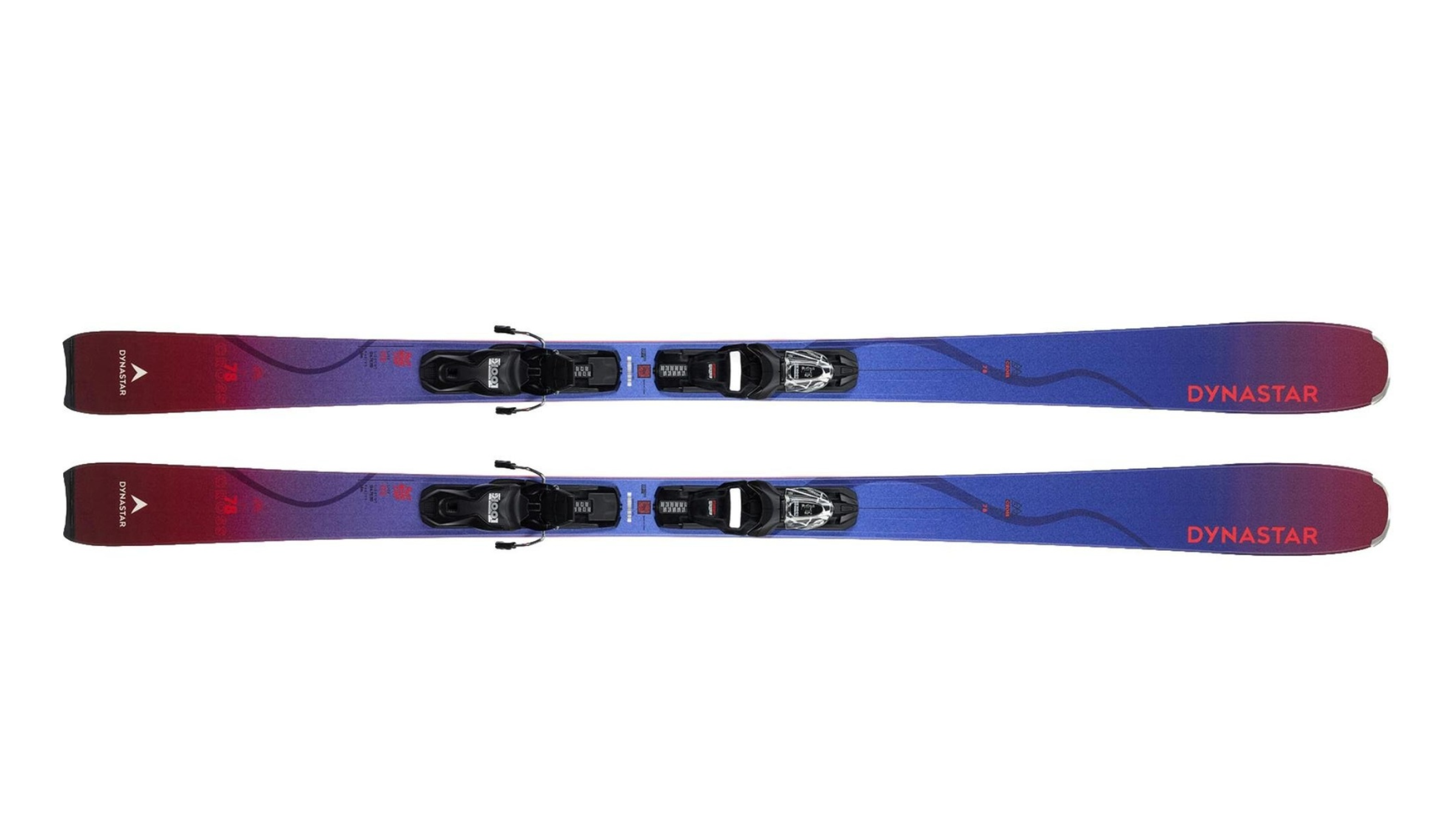
Conversely, the Dynastar M-Cross 78 was lauded for its "intuitive" handling. Testers observed that the ski seemed to anticipate the user’s intent, making it the most forgiving option for those prone to backseat balance issues. By employing a Hybrid Core 2.0 construction, Dynastar has successfully created a platform that feels stable without being demanding.
Performance Breakdown and Categorical Leaders
The diversity of the 13 tested models allowed testers to categorize them based on specific skier needs, ranging from the high-performance carver to the ultra-dependable all-mountain cruiser.
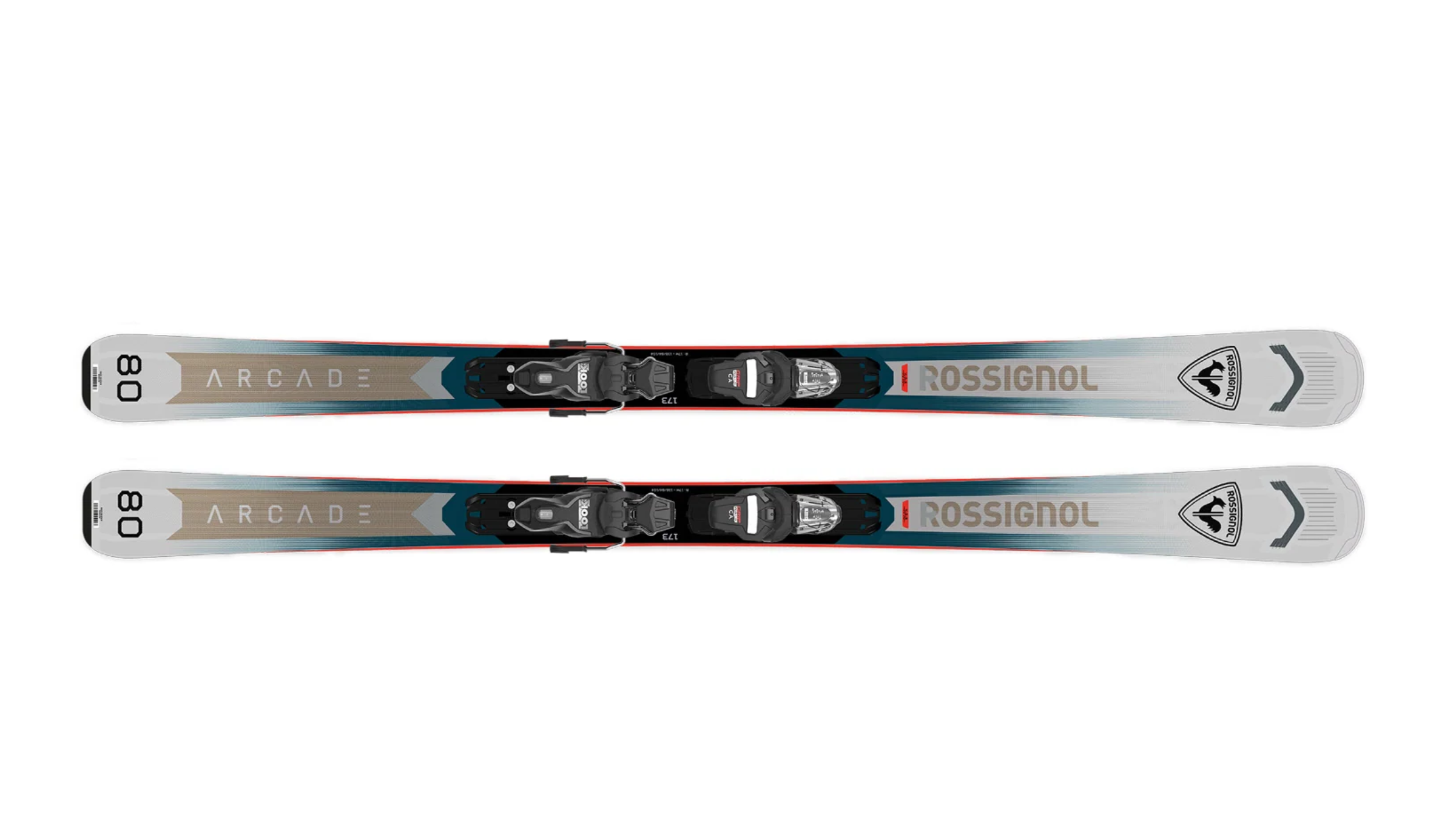
- Best Carver: The Rossignol Arcade 80 claimed this title. With a tight 13-meter turn radius and a construction optimized for short-to-medium radius arcs, it outperformed its peers in pure edge-to-edge engagement.
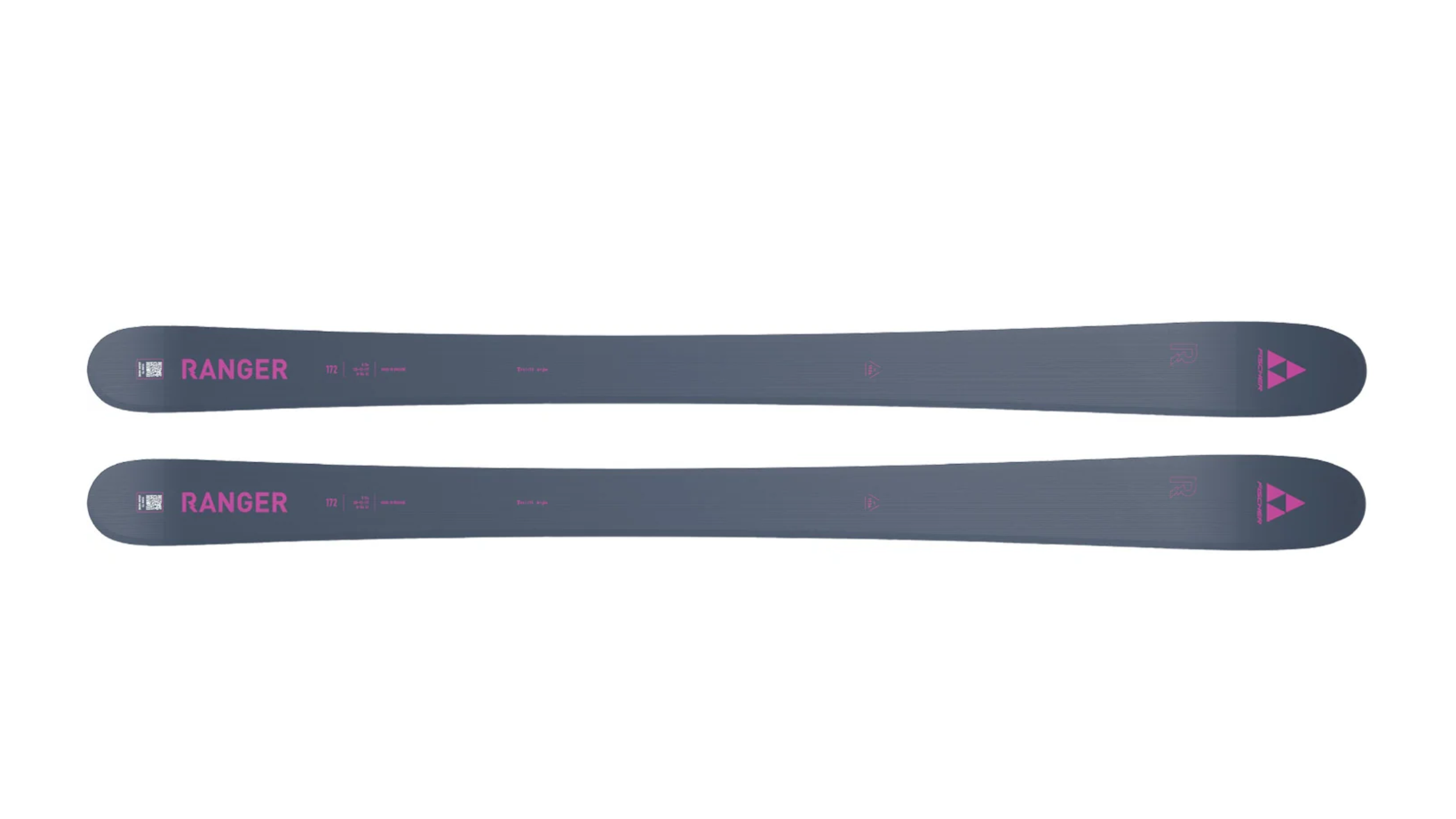
- Most Stable: The Fischer Ranger 84 stood out as the most robust option for those looking to advance into higher speeds. Its sandwich sidewall construction offers a level of hard-snow reliability that is often lacking in lightweight intermediate skis.
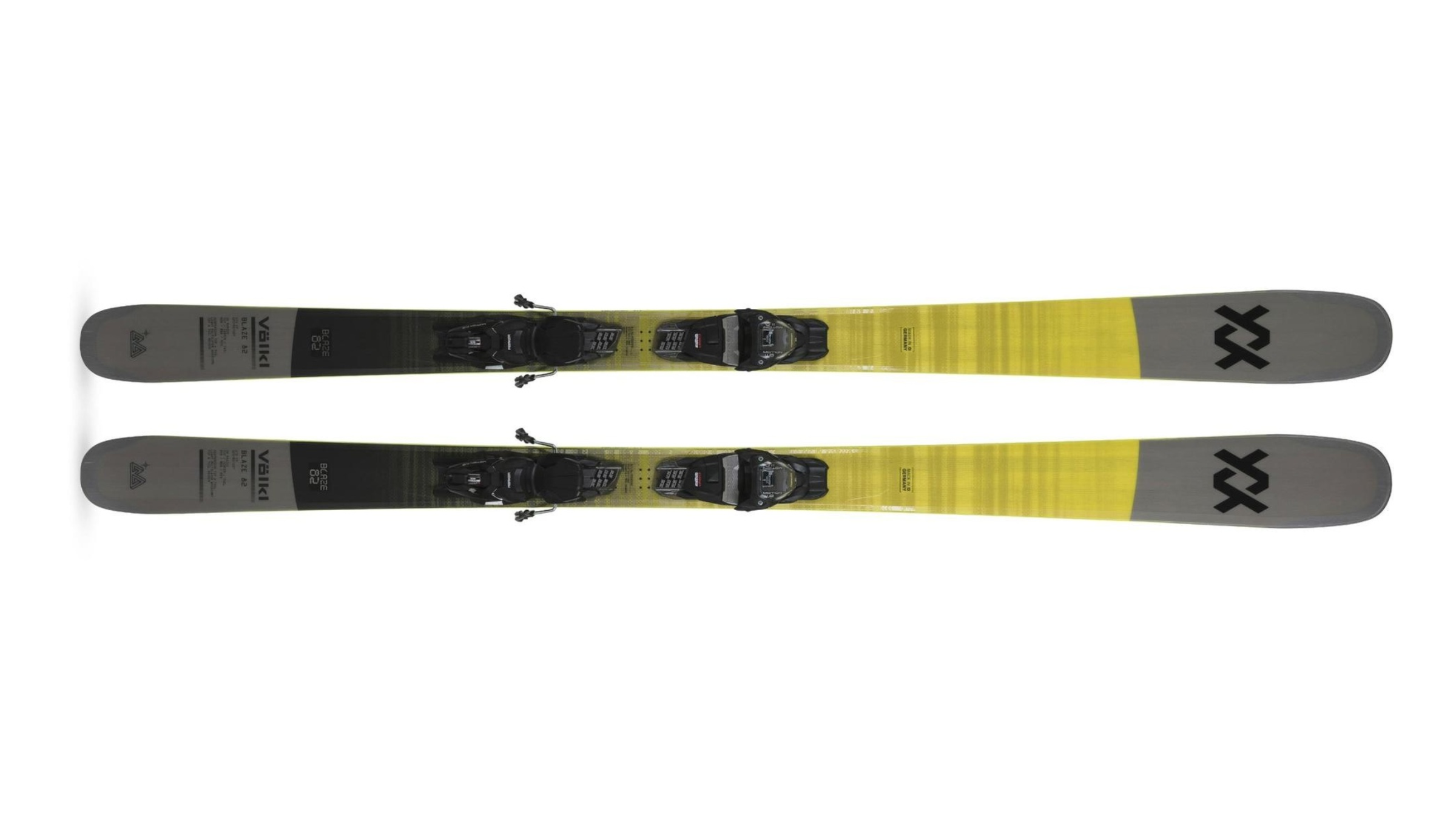
- Best for Strong Intermediates: The Völkl Blaze 82 received high marks for its power-to-weight ratio. As a "narrow freeride" ski, it bridges the gap between traditional frontside carving and off-piste exploration, making it ideal for the skier preparing to move toward advanced terrain.
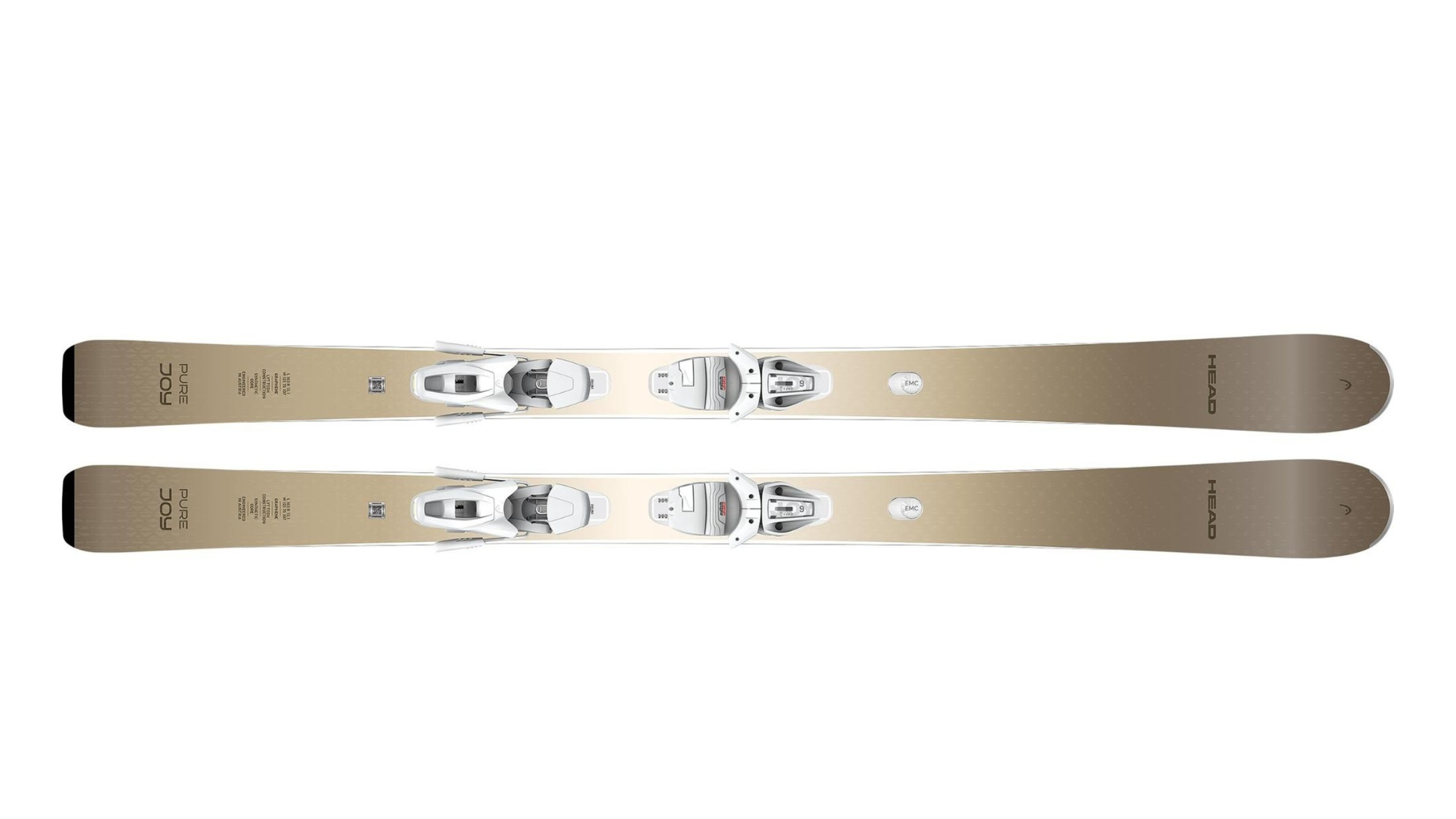
- Women’s Specific Selection: The Head Pure Joy was identified as the premier system ski. By integrating a specific binding system with a frame designed around a constant ramp angle, Head has addressed the biomechanical differences that often impact the learning process for female skiers.
The Economics of Intermediate Equipment
The financial implications of these findings are significant. In a market where high-end "pro-model" skis can easily exceed $1,200, the $500 to $650 range represents a sweet spot for the average skier. The inclusion of factory-mounted bindings in many of these packages—such as the Head Pure Joy and the Atomic Maverick 84—further lowers the barrier to entry.
Industry analysts suggest that the focus on "system skis" (skis sold with bindings) is a strategic response to the rising costs of professional mounting services at retail shops. By offering a pre-integrated setup, manufacturers ensure that the binding’s elasticity and the ski’s flex profile are perfectly matched, which enhances both safety and performance.
Comparative Analysis: Intermediate vs. Expert Gear
One of the most frequent questions addressed by the testing panel was the distinction between intermediate and expert-level equipment. The primary differentiator remains the "penalty" for errors. Expert skis are generally unforgiving; if a skier loses their balance or fails to maintain an aggressive stance, the ski will not assist in regaining control.
Intermediate skis, by contrast, are designed with a "big sweet spot." They allow for a wider range of technical inconsistencies while still providing feedback to the user. As a result, they are not merely "entry-level" tools but are sophisticated instruments designed to provide the stability required for the user to eventually graduate to more advanced, metal-reinforced equipment.
Future Outlook and Industry Trends
The data collected at Eldora points toward a broader trend in the ski industry: the democratization of high-performance materials. Technologies like Graphene, which once served only the most elite racing skis, are now finding their way into the intermediate category to help keep weight down while maintaining structural rigidity.
Looking forward, the 2027 season will likely see an even greater emphasis on sustainable construction within this category. As manufacturers refine their manufacturing processes, the ability to produce high-performing, long-lasting skis at a sub-$650 price point will likely become a primary competitive battleground. For the consumer, this suggests a future where the gap between "good" gear and "great" gear continues to shrink, providing more value to the casual skier than ever before.
Summary of Recommendations
When selecting a ski, the testing panel emphasized that the user’s physical build and intended terrain should dictate the choice as much as the "category" of the ski. A shorter, lighter skier may find the Dynastar M-Cross 78 to be their ideal match, while a taller, more aggressive skier might find the added stability of the Fischer Ranger 84 more appropriate.
Ultimately, the most important takeaway from the 2026 test is that progress in the sport is rarely limited by the equipment itself, provided the equipment is chosen with an honest assessment of one’s current ability. By selecting a ski that matches their developmental goals, intermediate skiers can ensure that their time on the slopes is spent building confidence rather than struggling against ill-suited hardware. With the 2027 season approaching, the available options represent a convergence of durability, accessibility, and high-level engineering that makes this an ideal time for the intermediate skier to invest in their own progression.