The Ultimate Guide to Aruba: Exploring the Island’s Evolution, Top-Tier Accommodations, and Enduring Caribbean Appeal

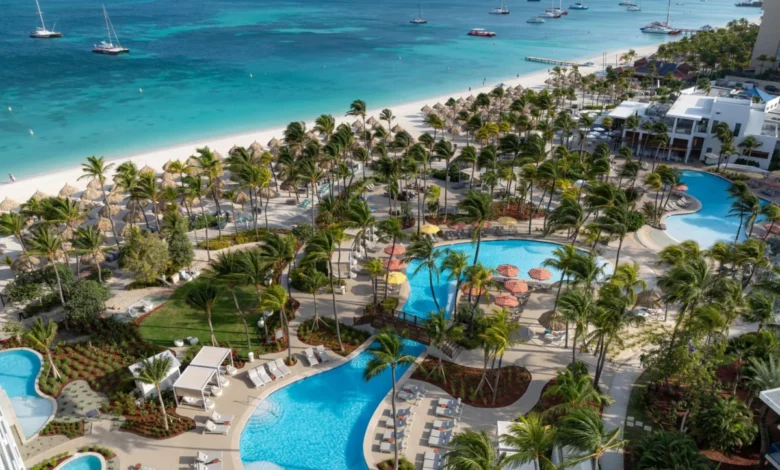
Aruba has long maintained its reputation as a cornerstone of Caribbean tourism, distinguished by its powder-white shorelines, crystal-clear aquamarine waters, and a consistently breezy, arid climate that ensures comfortable year-round travel. Situated safely outside the traditional Atlantic hurricane belt, the island has historically attracted millions of international visitors seeking reliable weather and seamless travel logistics. Beyond its meteorological advantages, Aruba’s unique socio-cultural tapestry—shaped by centuries of Indigenous Arawak heritage, Spanish colonization, and deep-rooted Dutch influences—has fostered a vibrant culinary and architectural landscape.
While the island spans a modest 69 square miles, it packs remarkable geographic diversity within its borders. Approximately twenty percent of Aruba’s total landmass is federally protected under Arikok National Park, a rugged sanctuary featuring dramatic limestone formations, ancient cave drawings, hidden natural pools, and sprawling desert-like terrain populated by towering cacti and divi-divi trees. This juxtaposition of high-end resort infrastructure and untamed natural wilderness allows the destination to cater to a broad demographic of travelers, ranging from short-term weekend vacationers to extended-stay holidaymakers.
Historical Context and Evolution of Aruba’s Tourism Sector
The transformation of Aruba from a quiet, oil-dependent economy into a premier global leisure destination represents one of the Caribbean’s most successful economic pivots. For much of the twentieth century, the island’s economic engine was driven heavily by the Lago oil refinery, established in the late 1920s on the southeastern coast in San Nicolaas. However, anticipating the eventual decline of the petroleum industry, the Aruban government—particularly following its attainment of Status Aparte within the Kingdom of the Netherlands in 1986—made a calculated strategic shift toward international tourism.
During the late 1980s and 1990s, foreign direct investment flowed into the construction of major hotel chains along the western and southwestern coasts, specifically concentrated in the Palm Beach and Eagle Beach corridors. Early development favored low-rise, intimate properties that blended harmoniously with the coastline. As global travel demand surged into the twenty-first century, these gave way to high-rise luxury towers and globally recognized hospitality flagships.
Data from the Aruba Tourism Authority (ATA) underscores this steady trajectory. Prior to the disruptions of 2020, Aruba regularly welcomed over one million stay-over visitors annually, supported by a dense network of international air routes connecting the island to North America, Latin America, and Europe. In the wake of global travel resurgences, tourism arrival metrics have not only rebounded to pre-pandemic baselines but have frequently set new benchmarks, reinforcing the island’s economic resilience.
Chronology of Tourism Development and Infrastructure Milestones
A review of Aruba’s modern development highlights key milestones that shaped its current standing as a hospitality leader:
- 1959: The opening of the Caribbean Hotel (now the Radisson Blu Aruba area / historic Aruba Caribbean Hotel site) marks the official dawn of modern luxury tourism on Palm Beach, spearheaded by visionary hotelier Aruba Caribbean.
- 1986: Aruba achieves Status Aparte, separating administratively from the Netherlands Antilles, granting local authorities direct control over economic planning, taxation, and tourism development policies.
- 1990s: The "High-Rise" district experiences an unprecedented construction boom, introducing major international brands such as the Hyatt Regency and Marriott, fundamentally altering the architectural skyline of Palm Beach.
- 2000: The establishment of Arikok National Park by formal government decree, protecting the island’s interior ecosystems, wildlife species, and geological treasures from over-development.
- 2015–Present: A strategic pivot toward sustainable tourism models, including single-use plastic bans, reef-safe sunscreen regulations, and investments in green energy infrastructure, positioning Aruba as a regional leader in environmental stewardship.
The Hospitality Landscape: From Low-Rise Retreats to Luxury All-Inclusives
Accommodations in Aruba are broadly categorized by geography and style, catering to distinctly different visitor preferences. The hospitality ecosystem is generally divided between the bustling Palm Beach strip—known for its high-rise resorts, high-energy beach clubs, and proximity to shopping and dining—and the quieter, more serene Eagle Beach and low-rise districts to the south.
Industry experts and long-term travelers note that Aruba’s hotel sector has undergone significant modernization over the past decade. Properties have increasingly shifted toward wellness-focused amenities, multi-bedroom residential suites for families, and robust all-inclusive packages that appeal to travelers seeking predictable budgeting and comprehensive on-site dining options.
According to hospitality analysts, the diversification of Aruba’s lodging portfolio has been critical in maintaining high occupancy rates year-round. While traditional American and European tourists form the core demographic, boutique properties and independent boutique hotels have successfully captured niche markets, including eco-tourists, remote workers, and luxury wellness seekers.
Economic Implications and Sustainable Tourism Initiatives
The heavy reliance on tourism—which accounts for the vast majority of Aruba’s Gross Domestic Product (GDP) and employment—presents both economic prosperity and environmental challenges. To safeguard the island’s natural assets against over-tourism, public and private stakeholders have implemented aggressive sustainability frameworks.
The Aruba Tourism Authority, in collaboration with the Global Sustainable Tourism Council (GSTC), has championed the "Aruba Pact," a formal commitment emphasizing destination stewardship, community engagement, and resource conservation. Key measures include:
- Legislative Bans: Complete prohibition of single-use plastic bags, polystyrene containers, and oxybenzone-containing sunscreens known to bleach coral reefs.
- Renewable Energy Goals: Ongoing initiatives by Piedra Plat and WEB Aruba to transition municipal power grids toward wind and solar generation, reducing the island’s historical dependence on imported heavy fuel oil.
- Carrying Capacity Studies: Implementation of data-driven visitor caps for fragile ecosystems within Arikok National Park to prevent habitat degradation.
Economists emphasize that these protective measures are not merely ecological ideals, but fundamental economic necessities. The long-term viability of Aruba’s tourism product directly correlates with the pristine condition of its beaches, marine life, and inland landscapes.
Culinary Evolution: A Melting Pot of Cultures
Aruba’s culinary scene reflects its rich geopolitical history and demographic makeup, blending elements from Dutch, Spanish, African, and indigenous South American traditions. Dining options range from casual beachside sharks serving fresh catch-of-the-day to high-end gastronomic establishments helmed by internationally trained chefs.
Traditional Aruban cuisine heavily features local seafood, such as mahi-mahi (locally known as dorado), red snapper, and wahoo, often accompanied by pan bati (a slightly sweet, pancake-like cornbread) and funchi (a savory cornmeal mash similar to polenta). The influence of Dutch colonization is evident in the widespread availability of cheeses like Gouda, incorporated into dishes like keshi yena (stuffed cheese filled with spiced meat or seafood).
Furthermore, the island’s status as a culinary hub has been bolstered by annual gastronomic events, such as the Aruba Gastronomic Association’s restaurant weeks and international wine festivals, drawing culinary tourists from across the globe.
Future Outlook and Strategic Challenges
As Aruba looks toward the future, tourism authorities face the ongoing task of balancing volume with value. Industry projections indicate that while raw visitor numbers remain strong, the primary objective moving forward is yield management—attracting high-value travelers who spend more locally while minimizing per capita environmental impact.
Infrastructure investments are currently underway to support this balanced growth, including expansions at Queen Beatrix International Airport, enhancements to public transportation networks, and smart-city initiatives in Oranjestad. These developments ensure that Aruba will retain its competitive edge in the fiercely contested Caribbean travel market while preserving the unique natural and cultural identity that continues to captivate visitors generation after generation.
Related posts: