Navigating the Void: A Definitive Examination of Nine Notorious Abandoned Spacecraft in Science Fiction

Across cinematic, literary, and interactive media, abandoned or derelict starships have long served as narrative vehicles for existential dread. Far from being welcoming ports of call, these isolated vessels are frequently defined by catastrophic system failures, biological infestations, or the lingering presence of malevolent entities. While standard spacefaring protocols typically designate uncrewed craft as restricted zones—often fortified with explicit warning beacons—scavengers, corporate conglomerates, and exploratory crews routinely disregard these hazards. The resulting encounters expose the vulnerabilities of human space exploration, transforming architectural marvels of engineering into floating tombs.
This retrospective examines nine of the most hazardous and infamous abandoned spaceships in science fiction history, analyzing their structural characteristics, the catalysts for their abandonment, and the broader implications of their discovery.
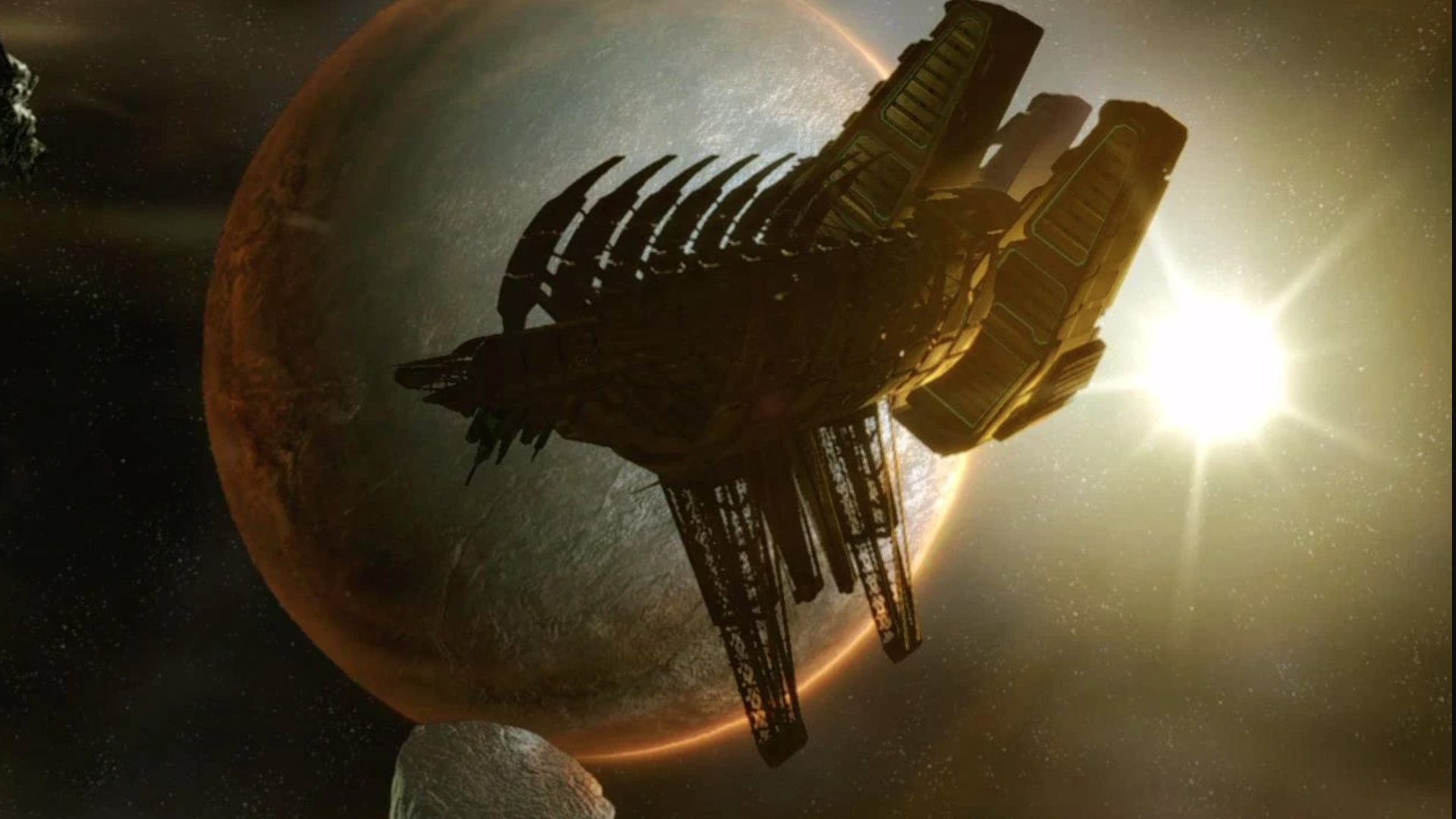
1. USG Ishimura (Dead Space, 2008)
Main Facts and Structural Profile
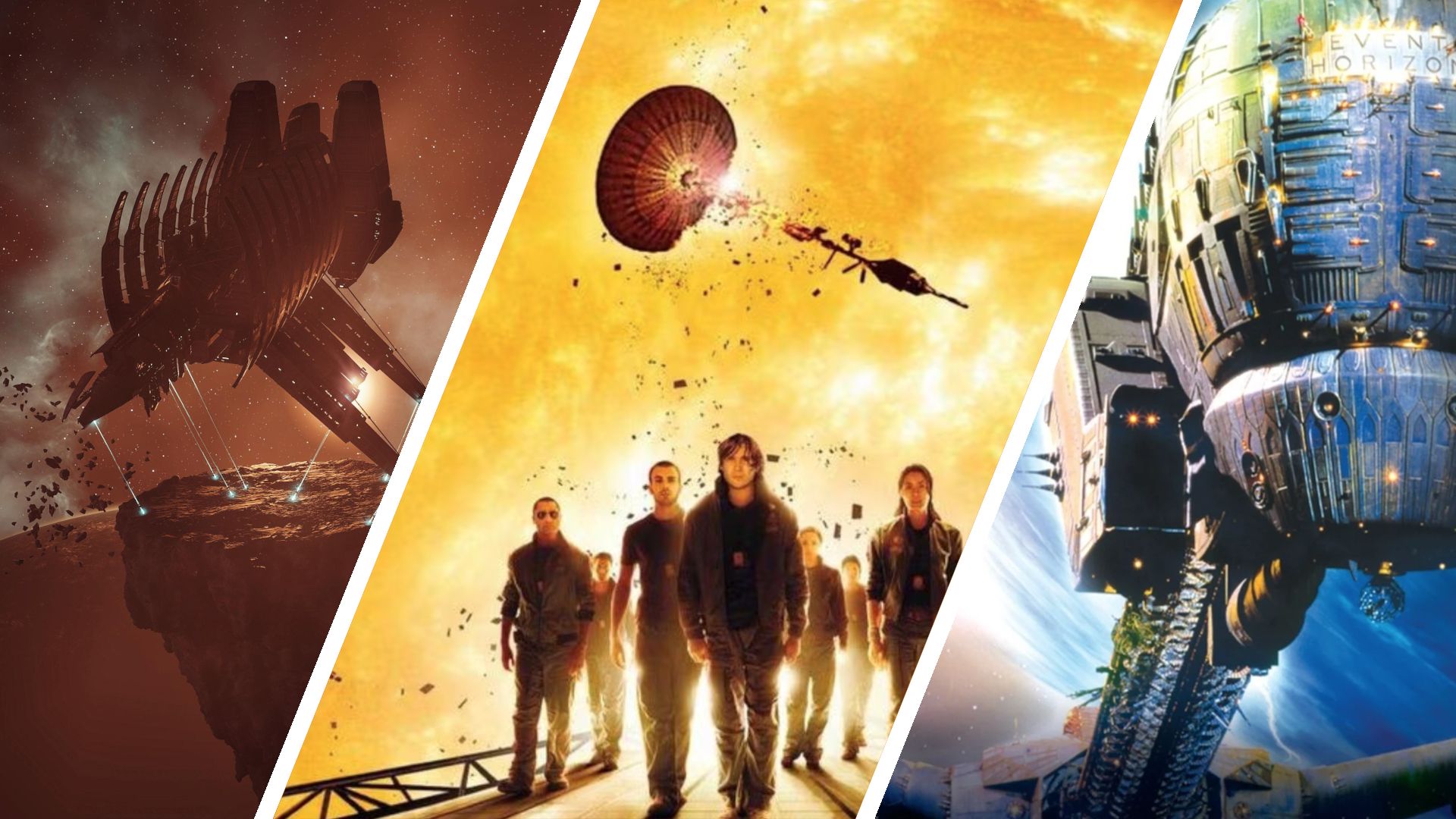
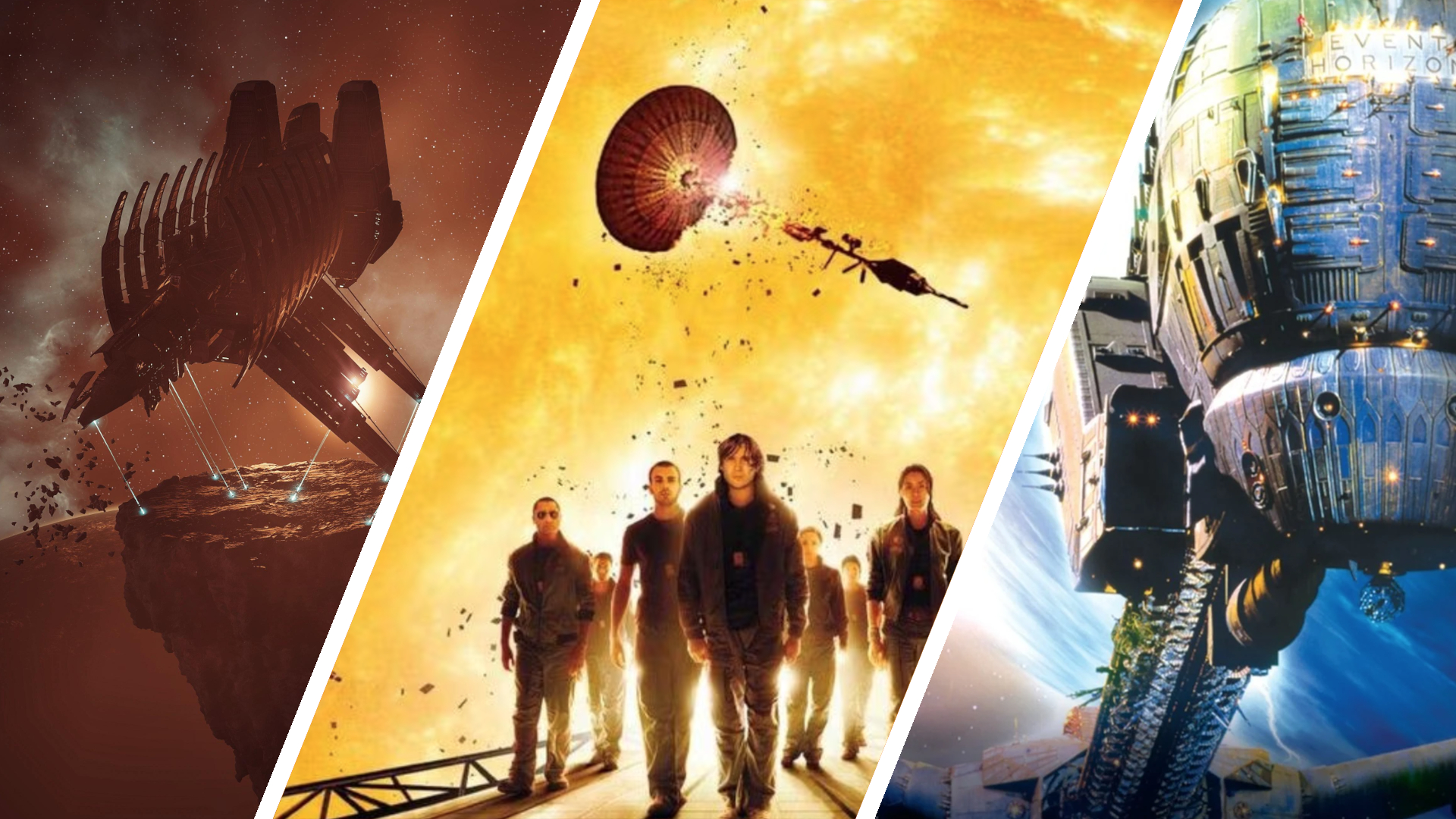
Operated by the Concordance Extraction Corporation (CEC), the USG Ishimura is a massive Planet Cracker-class starship designed for large-scale asteroid mining. Measuring nearly a mile in length, the vessel represents the pinnacle of corporate industrial engineering in the 26th century, utilizing gravity tethers to extract valuable minerals from planetary bodies.
Chronology and Incident Analysis
The vessel’s operational trajectory shifted catastrophically following the discovery of an artifact known as the Marker on the surface of Aegis VII. Unauthorized extraction of the artifact compromised the psychological stability of the crew, leading to a breakdown in order and widespread fatalities. Subsequently, the dead biomass aboard was reanimated by an alien pathogen, creating resilient mutant organisms known as Necromorphs. When systems engineer Isaac Clarke boarded the ship during a routine repair mission, he encountered a fully compromised environment where traditional corporate authority had been replaced by hostile biological entities.
Broader Implications
The incident aboard the Ishimura serves as a critical indictment of corporate negligence and unchecked resource extraction. The prioritization of commercial assets over human safety highlighted the ethical perils of corporate hegemony in deep space, establishing a precedent for subsequent survival horror narratives in interactive media.
2. The Grendel (Jason X, 2002)
Main Facts and Structural Profile
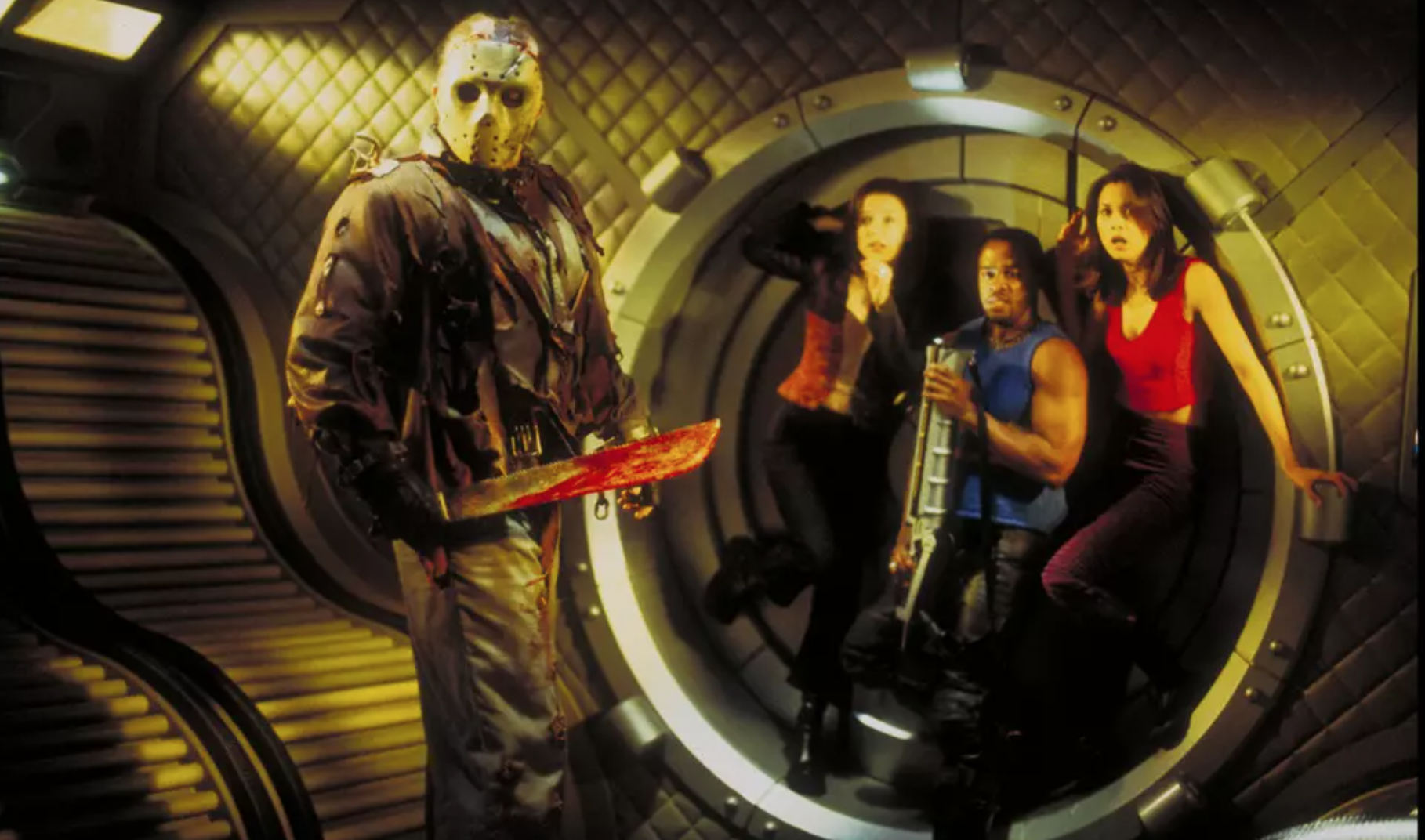
The Grendel is a 25th-century advanced medical research vessel outfitted with state-of-the-art laboratory facilities. Commissioned to support scientific expeditions returning from an environmentally degraded Earth to the colony world Earth 2, the ship was designed to facilitate high-level containment and biological research.
Chronology and Incident Analysis
The vessel’s trajectory was fundamentally compromised when researchers brought aboard a cryogenically preserved subject, Jason Voorhees, recovered from the long-abandoned Crystal Lake Research Facility. Upon thawing in the ship’s medical bay, the subject initiated a systematic series of fatalities among the student researchers and crew members. The vessel ultimately suffered catastrophic structural damage during a planetary reentry sequence, culminating in the destruction of the craft.
Supporting Data and Analysis
The deployment of a research vessel for the transport of an anomalous biological threat underscores the persistent human tendency to underestimate unknown variables in controlled environments. The incident highlights the dangers of weaponizing or researching unquantifiable historical specimens without adequate containment protocols.
3. Rama (Rendezvous with Rama, 1973)
Main Facts and Structural Profile
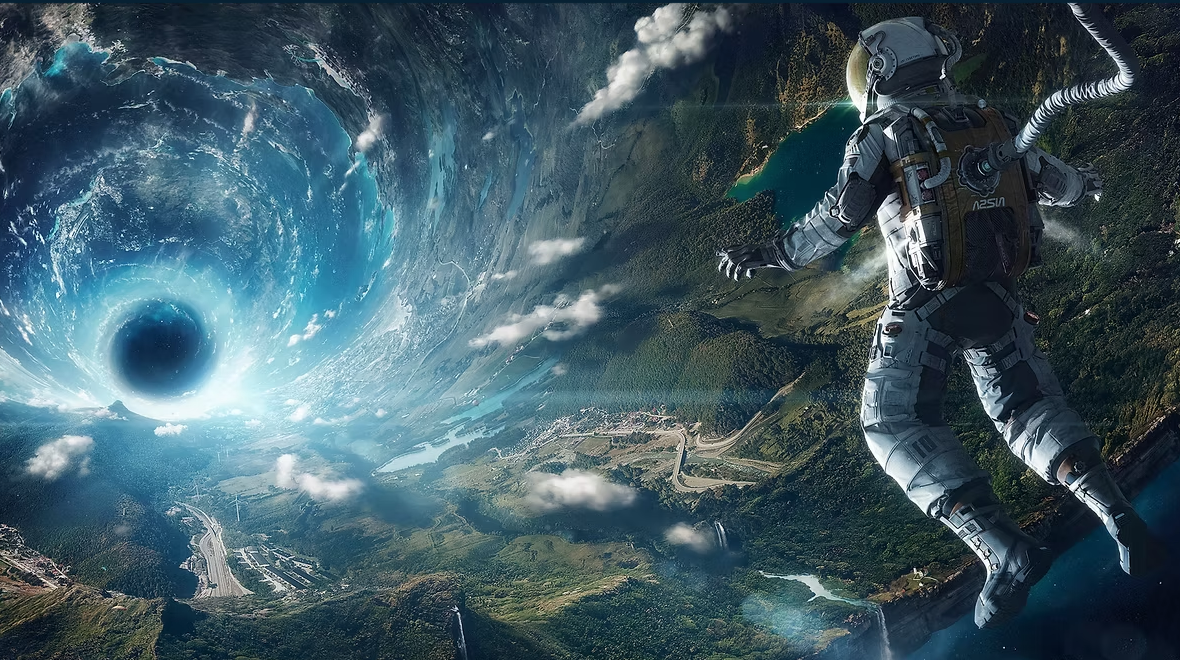
Authored by Arthur C. Clarke, the narrative centers on Rama, a colossal cylindrical alien spacecraft measuring 31 miles in length and 12 miles in diameter. Unlike traditional vessels designed for human habitation, Rama features an internal environment complete with a central axial sea, staircases, and vast geometric city-like formations, suggesting automated stewardship by an advanced non-human intelligence.
Chronology and Incident Analysis
Detected entering the solar system in the 22nd century, Rama was intercepted by the human exploration vessel Endeavour. Crew members conducted an exhaustive survey of the interior, documenting the progressive activation of the ship’s internal systems as it drew closer to the sun. The vessel utilized the sun for a gravitational slingshot maneuver and subsequently departed the solar system without establishing direct communication with human observers.
Official Responses and Implications
The arrival of Rama prompted profound philosophical and scientific reevaluations regarding humanity’s place in the cosmos. The complete indifference of the craft’s automated systems toward human presence demonstrated that intelligent extraterrestrial artifacts may operate on parameters entirely outside human comprehension.
4. The Scopuli (Leviathan Wakes, 2011)
Main Facts and Structural Profile
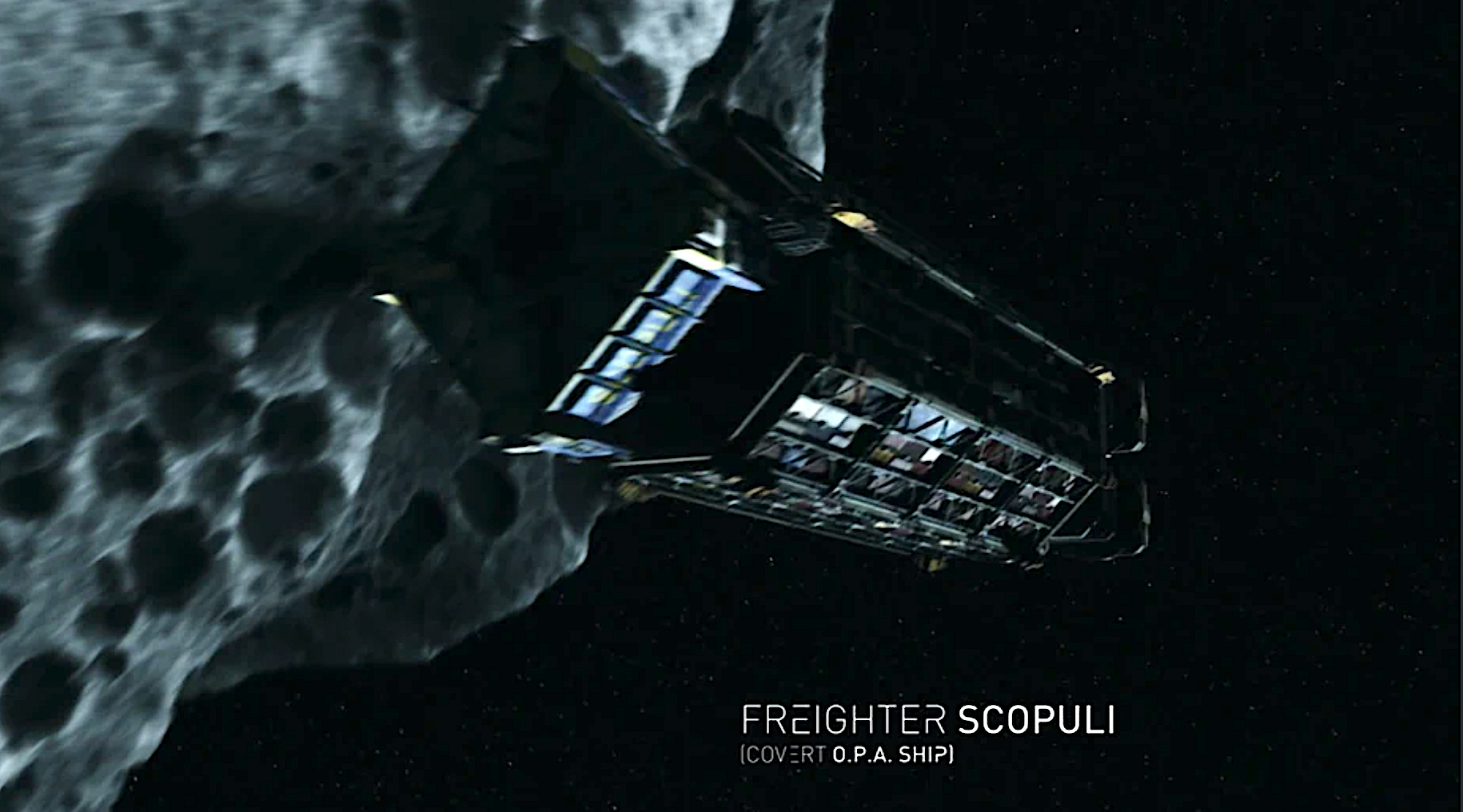
The Scopuli is a light Martian freighter utilized by the Outer Planets Alliance (OPA) for covert logistical and intelligence operations. Compact and utilitarian, the vessel was not designed for heavy combat or long-term autonomous habitation.
Chronology and Incident Analysis
The ship was intercepted and boarded by operatives from the corporate security firm Protogen, who sought to secure an anomalous cargo consisting of the protomolecule—an extraterrestrial organic compound. The crew of the Scopuli was detained, and the ship was subsequently moored to an asteroid as a biological trap intended to lure and compromise the ice hauler Canterbury.
Fact-Based Implications
The weaponization of the Scopuli illustrates the geopolitical volatility of the solar system in James S.A. Corey’s universe. The deployment of advanced biological agents aboard civilian and light transport craft demonstrated the ruthless tactics employed by corporate entities in pursuit of technological supremacy.
5. The Derelict (Alien, 1979)
Main Facts and Structural Profile
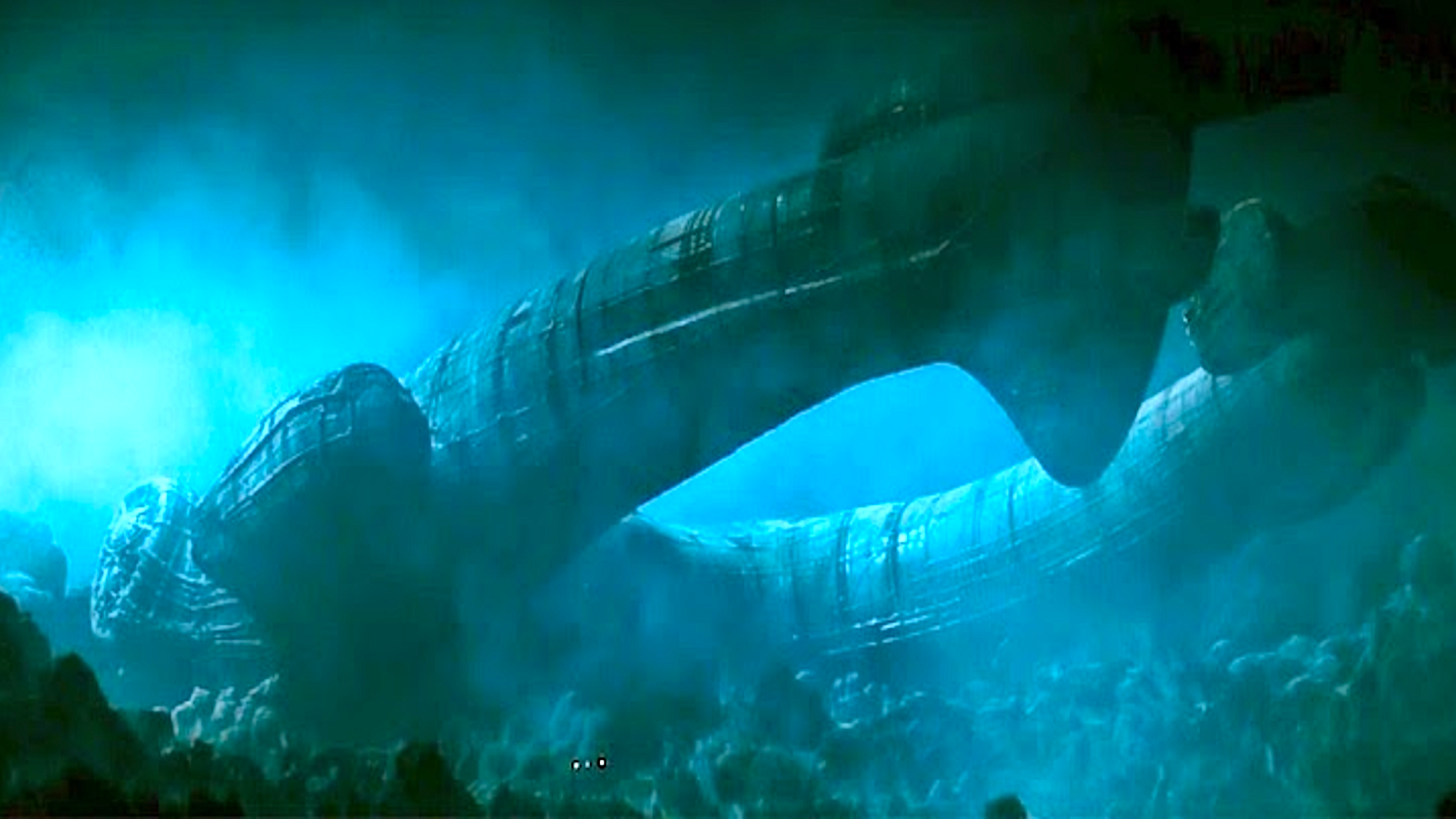
Discovered on the desolate moon LV-426 by the commercial towing vehicle Nostromo, the Derelict is an asymmetrical, organic-looking vessel of extraterrestrial origin. Measuring hundreds of feet across, the craft’s architecture combines biomechanical aesthetics with advanced propulsion and life-support systems.
Chronology and Incident Analysis
The vessel transmitted a localized signal interpreted by the Nostromo computer as a distress beacon, prompting a mandatory investigative landing. Upon entry, crew members discovered the fossilized remains of the craft’s pilot—subsequently designated as a "Space Jockey"—alongside a vast cargo hold containing thousands of encapsulated biological specimens. The introduction of these specimens to the human crew led to a containment breach, resulting in the total loss of the Nostromo and its crew, with the exception of Ellen Ripley.
Analytical Assessment
The Derelict remains one of the most culturally significant examples of unknown hazard exposure in science fiction. The vessel’s design and cargo suggest an advanced civilization engaged in biological warfare or genetic engineering, serving as a permanent warning against the uncritical investigation of unknown deep-space anomalies.
6. Challenge 142 (It, The Terror from Beyond Space, 1956)
Main Facts and Structural Profile
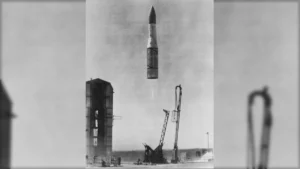
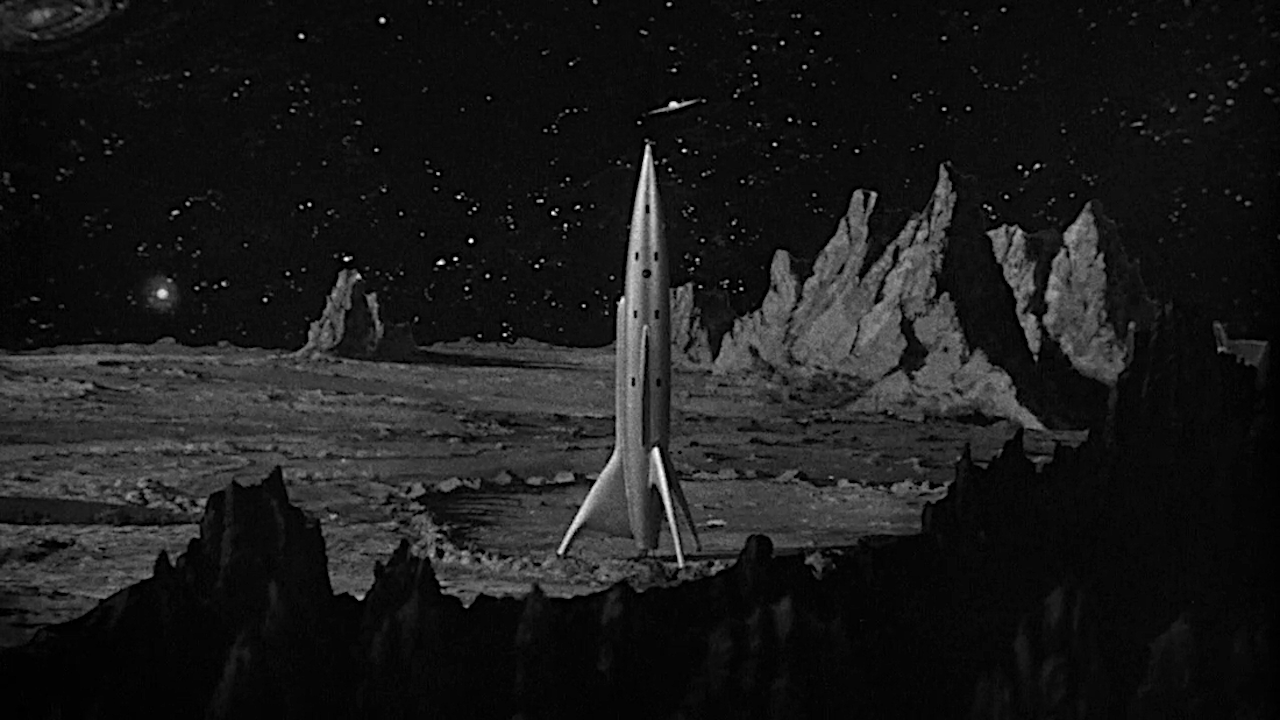
Challenge 142 is a sleek, silver-hulled rescue rocketship representing the pinnacle of mid-20th-century speculative spaceflight technology. Designed to navigate interplanetary distances between Earth and Mars, the vessel is equipped with standard rocketry propulsion and rudimentary life-support cabins.
Chronology and Incident Analysis
Dispatched to rescue the stranded survivors of a previous expedition on Mars, Challenge 142 inadvertently permitted a hostile, reptilian life-form to board the craft prior to launch. Once in transit, the creature utilized the confined corridors of the vessel to hunt the crew systematically, exploiting blind spots and life-support vents until neutralized during atmospheric reentry.
Broader Impact
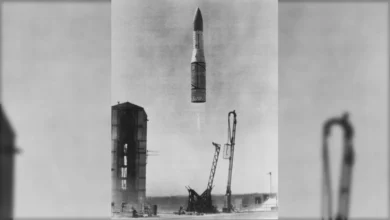
As a thematic precursor to later cinematic explorations of isolated interstellar terror, Challenge 142 established the narrative tension of the "monster-in-the-house" trope translated to a zero-gravity environment, emphasizing the claustrophobic nature of early space exploration.
7. Icarus 1 (Sunshine, 2007)
Main Facts and Structural Profile
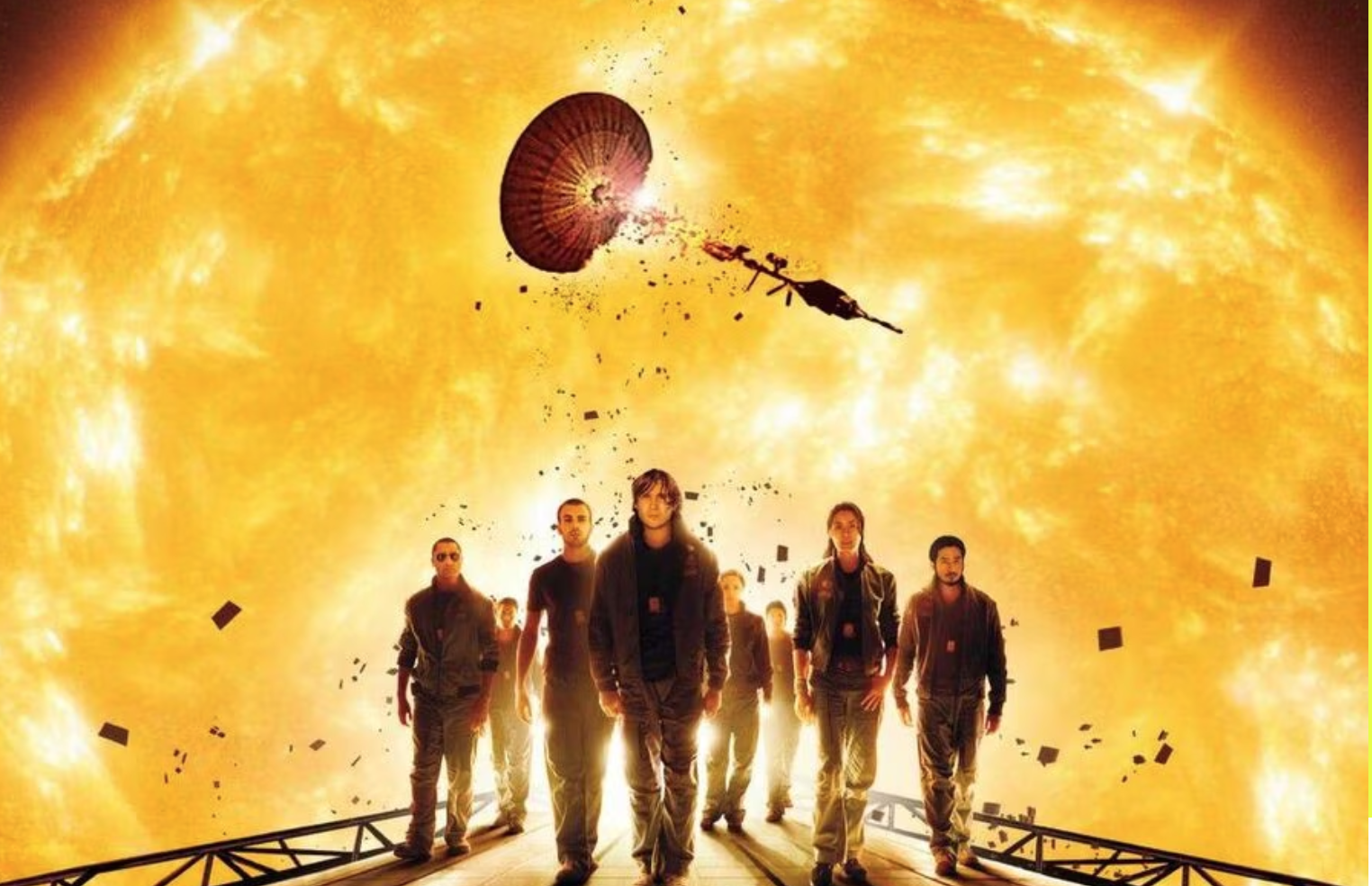
The Icarus 1 was the initial solar rescue vessel launched from Earth with the mission of delivering a massive stellar bomb to reignite the dying sun. Constructed with heavy heat-shielding arrays and advanced navigational telemetry, it was engineered to withstand extreme thermal radiation.
Chronology and Incident Analysis
Following its departure, communication with the Icarus 1 ceased, leading to the dispatch of a secondary vessel, the Icarus 2. Upon intercepting the abandoned ship, the crew discovered that the mission had been compromised by psychological fatigue. The sole surviving commander had succumbed to severe psychological isolation and an obsessive reverence for the sun, sabotaging the vessel’s primary systems before his crew could execute the mission.
Implications
The failure of the Icarus 1 highlights the psychological toll of deep-space isolation on long-duration missions. The narrative examines how extreme environments can induce religious or existential delusions in human crews, compromising mission integrity.
8. The Event Horizon (Event Horizon, 1997)
Main Facts and Structural Profile
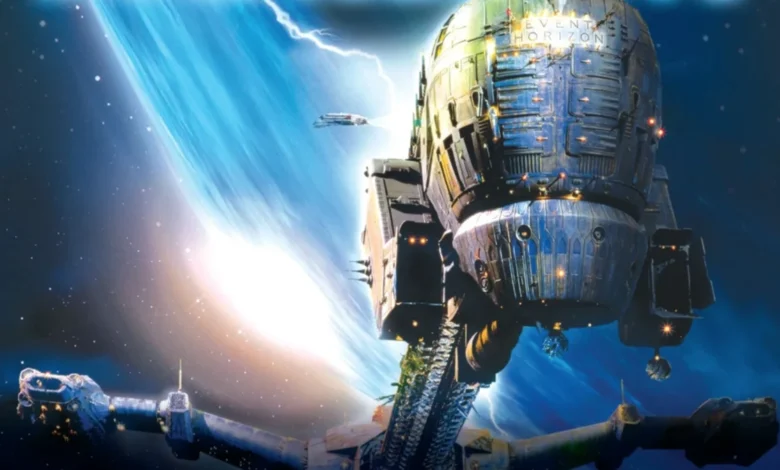
Designed with an architectural layout inspired by Gothic cathedrals, the Event Horizon was an experimental starship equipped with a revolutionary gravity drive capable of generating artificial black holes for faster-than-light travel.
Chronology and Incident Analysis
During its maiden voyage, the ship utilized its drive to fold space-time, inadvertently opening a portal to a dimension characterized by extreme hostility and psychological trauma. The vessel disappeared for seven years before reappearing in orbit around Neptune. When a rescue and salvage crew from the Lewis and Clark boarded the craft, they discovered that the ship had operated as a sentient entity, absorbing the psychological anguish of its original crew and orchestrating the systematic elimination of boarders.
Analytical Assessment
The Event Horizon represents the intersection of advanced theoretical physics and metaphysical horror. The vessel’s capacity to record and manifest human trauma underscores the dangers of technological advancement that transcends ethical and existential boundaries.
9. The Shenandoah (Creature, 1985)
Main Facts and Structural Profile
The Shenandoah is a commercial prospecting vessel operated by a corporate enterprise to exploit extraterrestrial archaeological sites. Outfitted with heavy drilling equipment and short-range interplanetary propulsion, the craft was designed for resource extraction on planetary satellites.
Chronology and Incident Analysis
Deployed to Saturn’s moon Titan, the crew of the Shenandoah investigated a rival West German excavation site, only to discover the personnel slaughtered. Unbeknownst to the crew, an aggressive, parasitic life-form had stowed away aboard their vessel. The creature utilized the ship’s maintenance shafts and life-support infrastructure to eliminate the crew one by one until the surviving members successfully destroyed the craft.
Conclusion
The recurring motif of the derelict starship in science fiction reflects enduring anxieties regarding isolation, technological hubris, and the unknown hazards of deep-space expansion. Whether through corporate negligence, alien biology, or psychological breakdown, these vessels serve as cautionary reminders that the void of space remains fundamentally indifferent to human survival.