Restoration of a Neglected 1995 Toyota Camry Highlights the Enduring Appeal of Automotive Detailing

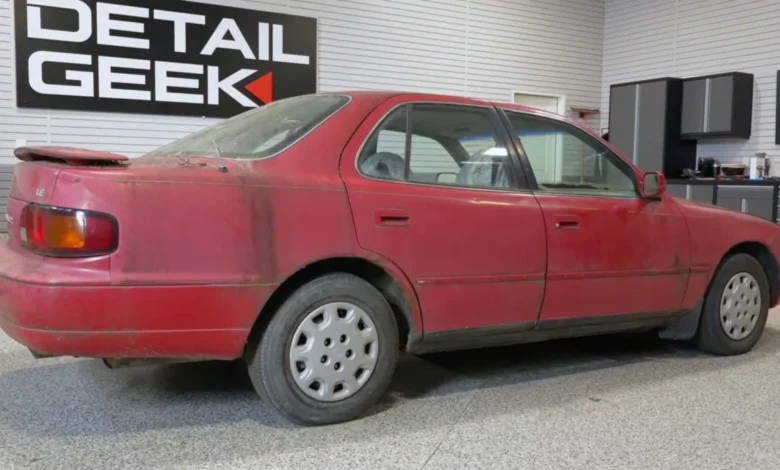
The resurgence of interest in deep-cleaning and automotive restoration has found a prominent home on digital platforms, where viewers are increasingly drawn to the meticulous transformation of neglected vehicles. A recent project by the popular YouTube channel, The Detail Geek, serves as a case study in this trend, featuring a 1995 Toyota Camry that had been subjected to years of environmental degradation. By documenting the systematic rehabilitation of this sedan, the project offers a detailed look at the intersection of automotive longevity and professional detailing techniques.
The Condition of the Subject Vehicle
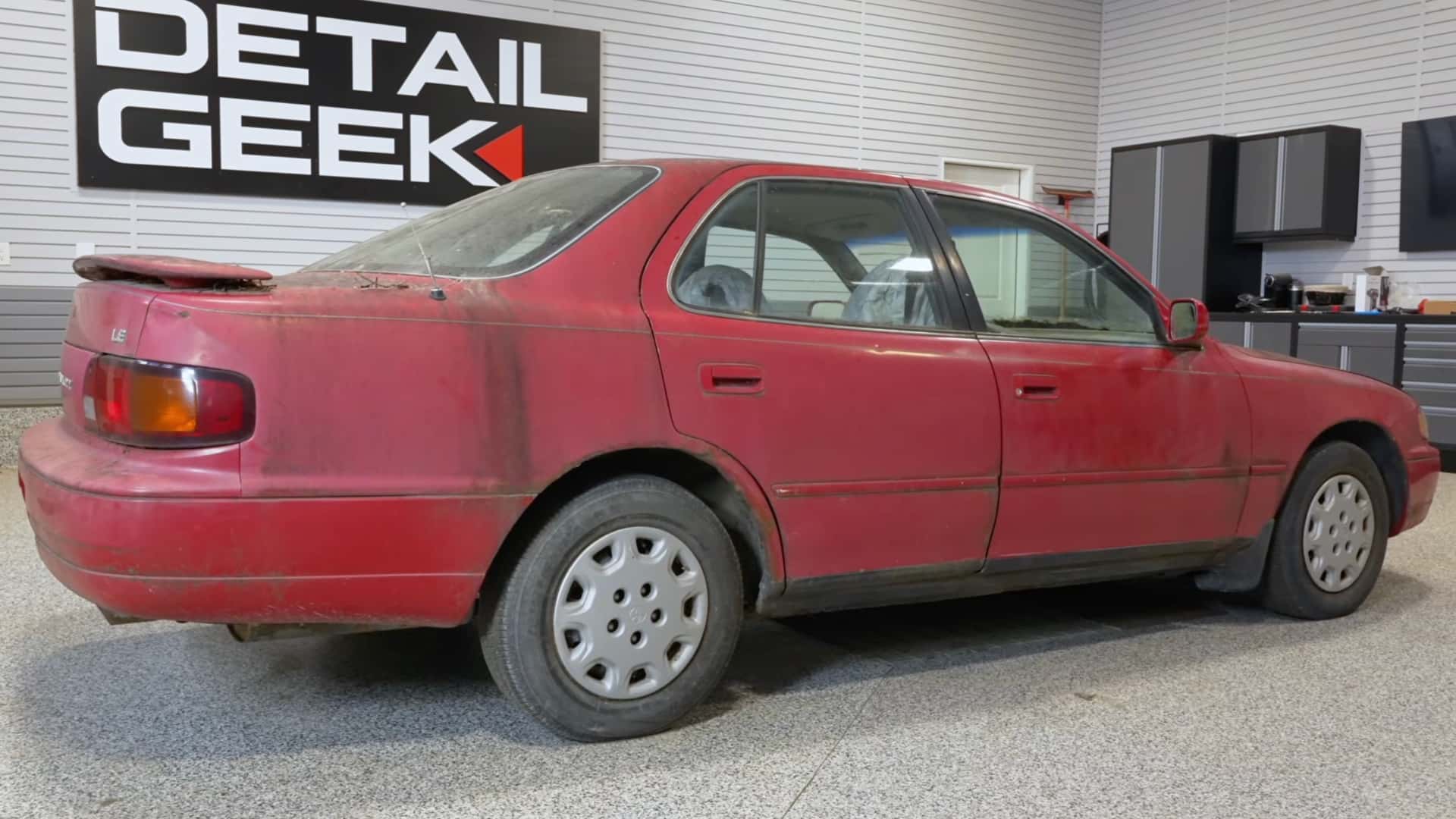
The vehicle in question, a mid-1990s Toyota Camry, arrived at the detailing facility in a state of severe neglect. Based on the presence of organic debris, such as decaying leaves and mold growth, as well as the significant accumulation of grime on the exterior panels, it is inferred that the car had been stationary for an extended duration, likely stored outdoors in an uncovered environment.
The interior presented the most significant challenge. Automotive detailers often categorize such vehicles as "bio-hazard" cases due to the presence of deep-seated contaminants. In this instance, the cabin was saturated with excessive animal fur, layers of dust, and organic matter that had compromised the upholstery and carpeting. Such conditions typically necessitate specialized equipment, including high-powered extraction vacuums, steam cleaners, and chemical agents designed to break down long-term biological accumulation.
Chronology of the Restoration Process
The restoration followed a structured protocol common in professional automotive detailing, which prioritizes the preservation of surfaces while removing decades of contaminants.
- Initial Assessment and Debris Removal: The process began with an exhaustive dry vacuuming phase. Given the volume of debris, mechanical removal was the first step to prevent further damage to the fabric fibers during the wet cleaning stages.
- Exterior Decontamination: The exterior received a comprehensive pressure-washing treatment. This phase is critical for removing abrasive road film and environmental pollutants that can lead to premature paint oxidation. Following the initial wash, a decontamination scrub was performed to prepare the paint surface for potential correction.
- Deep Extraction and Sanitation: The interior restoration involved the removal of all loose components, including floor mats and seat cushions. These were treated with industrial-strength detergents to neutralize odors and lift deep-seated stains. Steam cleaning was utilized to sanitize the cabin, addressing mold spores and bacteria that had settled into the ventilation systems and dashboard crevices.
- Final Refinement: The concluding stage focused on the restoration of plastics and leather, using conditioners to prevent cracking and re-establish the factory-intended appearance.
Industry Context and Automotive Longevity
The Toyota Camry remains one of the most statistically significant vehicles in automotive history regarding durability. According to data from the National Highway Traffic Safety Administration (NHTSA) and various long-term reliability studies, the XV10 generation of the Camry (1992–1996) is frequently cited as one of the most robust models ever produced.
The fact that this specific vehicle survived such extreme neglect—and remained structurally viable enough for a restoration—is a testament to the engineering standards of the 1990s. While modern vehicles incorporate advanced electronics and lightweight materials, the mechanical simplicity of a 1995 Camry often allows for "revival" projects that would be impossible with contemporary vehicles, where water intrusion or environmental decay would likely cause permanent, irreversible damage to onboard control units.
The Psychology of Detailing Content
The popularity of restoration videos, such as those produced by The Detail Geek, points to a broader trend in digital media consumption known as "satisfying content." From a media analysis perspective, these videos provide a tangible sense of order and completion. Unlike many complex automotive repairs that involve mechanical uncertainty, detailing is a linear process where input (labor and materials) directly correlates to a visible, high-quality output.
For the automotive industry, these videos serve a dual purpose: they promote the value of preventative maintenance and highlight the importance of professional-grade detailing. Detailers argue that regular maintenance—such as periodic waxing to protect clear coats and interior treatments to prevent fabric breakdown—can extend the functional life of a vehicle by several years.
Broader Economic and Environmental Implications
While a single restoration project may seem like a niche entertainment endeavor, it touches on the broader economic concept of the "right to repair" and the sustainability of existing vehicle fleets. As the average age of light vehicles on the road in the United States continues to rise—reaching an all-time high of approximately 12.6 years according to recent data from S&P Global Mobility—the role of detailing and refurbishment becomes increasingly relevant.
Extending the life of a vehicle, even one that is nearly 30 years old, represents a significant reduction in the environmental footprint associated with manufacturing a new vehicle. The carbon impact of producing a modern car, including the extraction of raw materials and the energy-intensive assembly process, is substantial. Consequently, the efforts of professionals to rehabilitate older, high-mileage vehicles contribute to a circular economy in the automotive sector.
Expert Analysis and Future Outlook
Professional detailers note that the primary challenge in restoring a vehicle that has sat for years is not just the aesthetic cleanup, but the mitigation of permanent material degradation. Once organic matter, such as moisture-trapping leaves or animal dander, penetrates the cabin, it can cause structural corrosion and permanent discoloration of interior plastics.
The results seen in this specific 1995 Camry project—while not reaching the level of a "factory-new" restoration—demonstrate a high degree of success. The removal of contaminants and the restoration of material integrity allow the vehicle to return to daily operational status. This level of refurbishment requires a disciplined approach, high-quality cleaning agents, and an understanding of materials science that is often underestimated by casual observers.
Conclusion: A Testament to Maintenance
The transformation of the 1995 Toyota Camry serves as an illustrative reminder that with sufficient labor, patience, and the correct chemical applications, even vehicles deemed to be at the end of their lifecycle can be reclaimed. It highlights the importance of consistent maintenance, the robustness of legacy engineering, and the rising cultural appreciation for restoring, rather than discarding, older machinery.
As the automotive landscape shifts toward electrification and highly complex software-driven systems, these restoration videos provide a nostalgic yet highly practical look at the vehicles that defined the late 20th century. Whether motivated by sentimentality or the economic necessity of maintaining an older vehicle, the meticulous work shown by The Detail Geek serves as a benchmark for what can be achieved through dedicated automotive care. For owners of aging vehicles, the project serves as a compelling case study that proper attention to detail is often the difference between a vehicle headed for the scrapyard and one that remains a functional part of the transportation ecosystem.