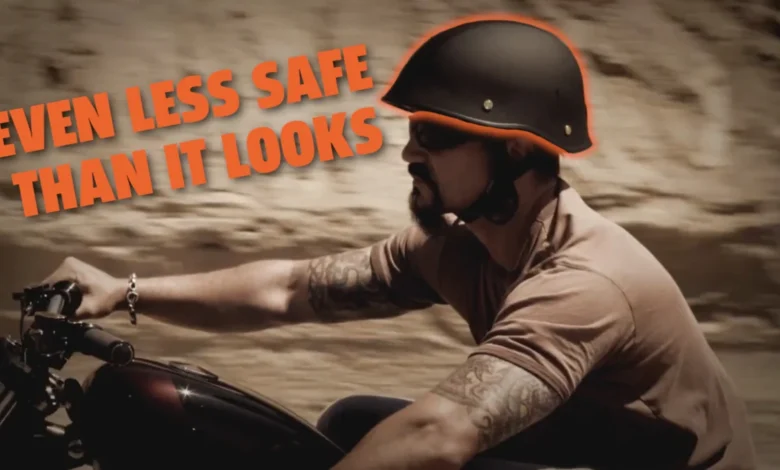
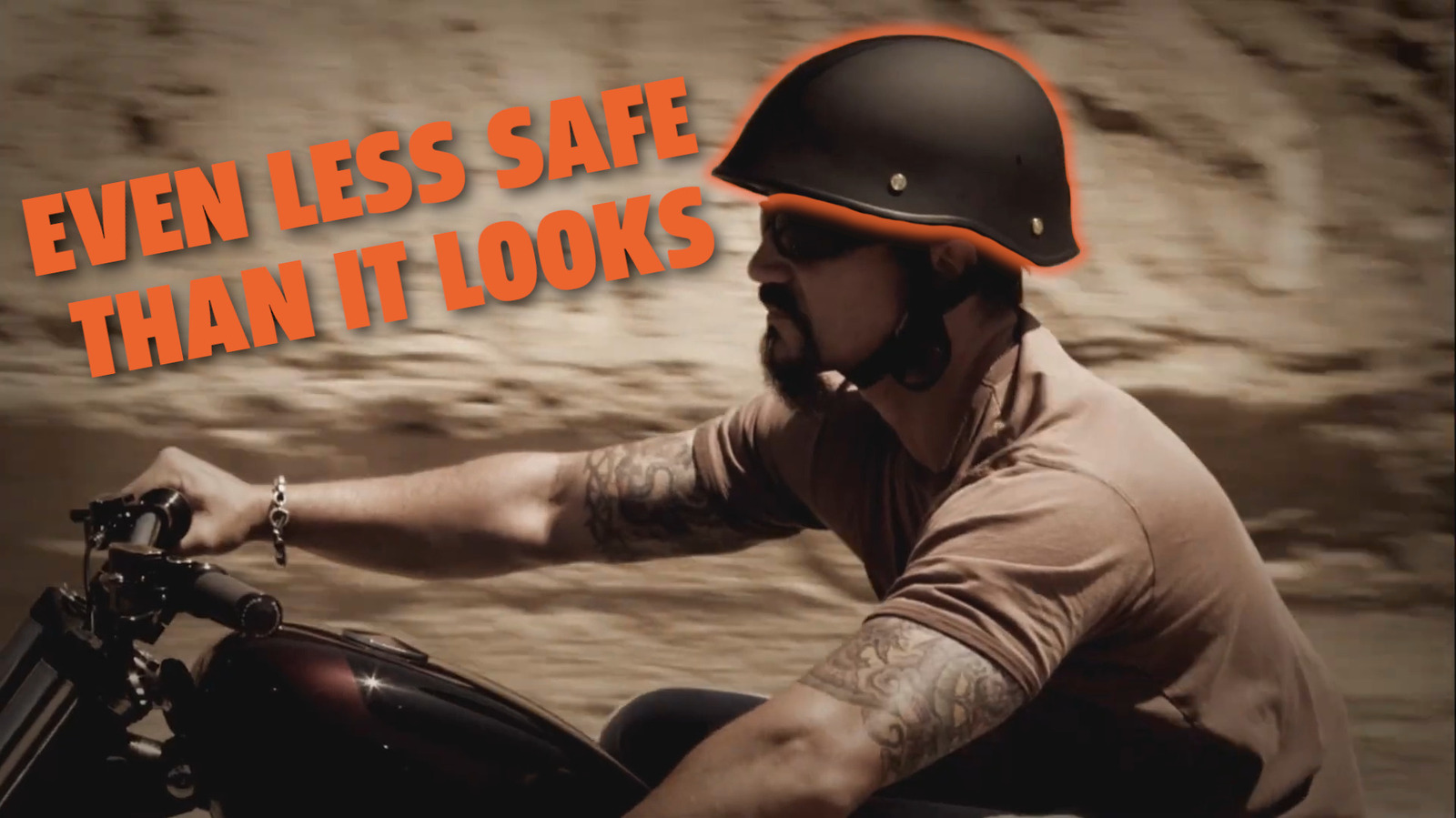
Bell Sports has officially announced a safety recall for its widely popular Pit Boss motorcycle half-helmets, dealing a significant blow to the brand’s reputation for protective gear. According to documentation filed with the National Highway Traffic Safety Administration (NHTSA), the recall affects a massive inventory of helmets manufactured over a prolonged period, specifically targeting units produced between January 1, 2025, and January 31, 2026. The root cause of the recall stems from a failure in impact attenuation, meaning the helmets are incapable of absorbing energy efficiently during a collision. What makes this regulatory failure particularly concerning within the motorcycle community is that these products failed to meet even the bare minimum legal safety benchmarks mandated by the United States government.
The Pit Boss has long served as a staple within the cruiser and chopper motorcycle segments, prized by riders seeking a minimalist aesthetic that complies with local helmet laws without adopting the heavier footprint of a three-quarter or full-face helmet. However, recent manufacturing and design revisions appear to have severely compromised the structural integrity of the product line. Because safety certification is a mandatory prerequisite for legal road use in the United States, this defect has forced both the manufacturer and regulatory bodies to take swift corrective action to prevent potential head injuries among consumers.
Understanding the Department of Transportation Safety Baseline
To fully comprehend the severity of the Bell Pit Boss recall, one must examine the regulatory environment governing motorcycle helmets in the United States. The Federal Motor Vehicle Safety Standard No. 218 (FMVSS 218), commonly referred to as the DOT standard, sets the legal baseline for all helmets sold for highway use in the country. Established decades ago and subjected to minimal foundational updates over the years, the DOT standard is widely regarded by safety advocates and testing laboratories as one of the least rigorous helmet safety benchmarks in the industrialized world.
Unlike international benchmarks such as the Economic Commission for Europe (ECE) 22.05 or 22.06 standards, or the Snell Memorial Foundation’s rigorous testing protocols, the DOT standard relies heavily on a manufacturer self-certification model. Helmet producers are expected to conduct their own laboratory testing to ensure compliance before affixing the coveted DOT sticker to the rear of the shell. Independent audits by federal regulators are relatively infrequent, meaning that consumer products occasionally slip through the cracks of quality control.
For a helmet to fail the DOT standard is an extraordinary occurrence within the industry. The baseline tests measure peripheral vision clearance, penetration resistance against sharp objects, and impact attenuation—the helmet’s ability to reduce the G-force transmitted to the human skull during a heavy strike. By failing the impact attenuation testing, the affected Bell Pit Boss helmets demonstrate an inability to manage kinetic energy safely, leaving riders vulnerable to severe traumatic brain injury even in low-speed accidents.
Chronology of the Defect and Regulatory Action
The timeline leading up to the recall highlights potential manufacturing and quality assurance breakdowns within the supply chain. The affected production window spans more than a full calendar year, beginning on January 1, 2025, and concluding on January 31, 2026. During this thirteen-month manufacturing block, thousands of units were distributed to retail dealerships, online distributors, and individual consumers across North America.
Industry observers first noted discrepancies during routine compliance audits and quality control evaluations, which subsequently prompted internal reviews by Bell Sports. Following these evaluations, the company identified a systematic variance in how either the outer shell—designed to disperse blunt force across a wider surface area—or the internal expanded polystyrene (EPS) liner—designed to crush progressively and absorb kinetic energy—performed under standard drop-test conditions.
Recognizing that the deviation directly violated federal safety regulations, Bell Sports initiated contact with the NHTSA to file formal recall paperwork. On the regulatory side, federal oversight agencies cataloged the defect under NHTSA Campaign Number 26E061, initiating mandatory notification procedures for distributors, dealers, and registered purchasers.
Remediation Steps for Affected Consumers
Bell Sports and federal safety regulators have outlined strict instructions for riders currently utilizing the impacted Pit Boss models. Due to the fundamental nature of the impact attenuation failure, the company has determined that the safety defect cannot be corrected through a secondary field repair, retrofit kit, or aftermarket adjustment.
Consequently, owners of the affected helmets have been instructed to immediately cease using the equipment. Consumers possessing a Pit Boss helmet manufactured within the specified 2025–2026 window should not attempt to wear the gear on public roadways. Instead, riders are directed to contact Bell customer service or authorized retail partners to facilitate the formal return process. In accordance with standard consumer protection guidelines, affected individuals are eligible for product replacements or appropriate remedies. Furthermore, safety officials strongly advise consumers to physically render the defective helmets unusable—such as by cutting the chin straps or destroying the outer shell—once replacements are secured, ensuring that the compromised safety equipment does not inadvertently re-enter circulation via secondary markets or resale platforms.
Broader Implications for the Motorcycle Gear Industry
The Bell Pit Boss recall shines a harsh spotlight on the broader market dynamics surrounding half-helmets and minimalist protective gear. Within the motorcycling community, a persistent cultural divide exists between riders who prioritize absolute protection through full-face, modular, or adventure-style helmets equipped with advanced energy-management systems (such as multi-directional impact protection systems, or MIPS) and those who prioritize ventilation, comfort, and traditional styling via half-helmets or "brain buckets."
Safety experts have long cautioned that half-helmets inherently offer limited coverage, protecting only the crown of the head while leaving the face, jaw, and lower cranium entirely exposed to impact and abrasion. When a product designed for this already vulnerable segment fails to meet even the laxest regulatory standard in existence, it raises serious questions regarding quality control, outsourcing, and corporate oversight within the manufacturing sector.
As modern helmet technology rapidly advances—incorporating sophisticated composite shell materials, dual-density EPS liners, and rigorous third-party certifications like ECE 22.06—the tolerance for manufacturing failures is narrowing. Consumers are becoming increasingly discerning, demanding transparency and verifiable safety ratings rather than relying solely on legacy brand reputations.
For Bell Sports, a storied brand with deep roots in motorcycle history, managing this recall effectively will be crucial to maintaining consumer trust. Beyond the immediate logistical challenges of collecting and replacing thousands of units, the incident serves as an urgent reminder to the wider powersports industry that quality assurance and rigorous independent testing must remain top priorities, regardless of price point or market segment. Riders in the market for replacement headwear are now being universally encouraged to re-evaluate their protective needs, look closely at manufacturing date codes, and consider upgrading to gear that offers a comprehensive defense against the unpredictable hazards of the open road.