Madrid, the capital of Spain and home to approximately 3.5 million residents, stands as the nation’s largest metropolitan area and a preeminent hub for European tourism. Drawing over 10 million visitors annually, the city serves as a sprawling center of political, economic, and cultural significance. Characterized by its unique social rhythms—often defined by late-night dining and an extended nocturnal lifestyle—Madrid balances its status as a modern global metropolis with a deep reverence for its Habsburg-era architecture and world-class artistic institutions.
Historical Context and Urban Development
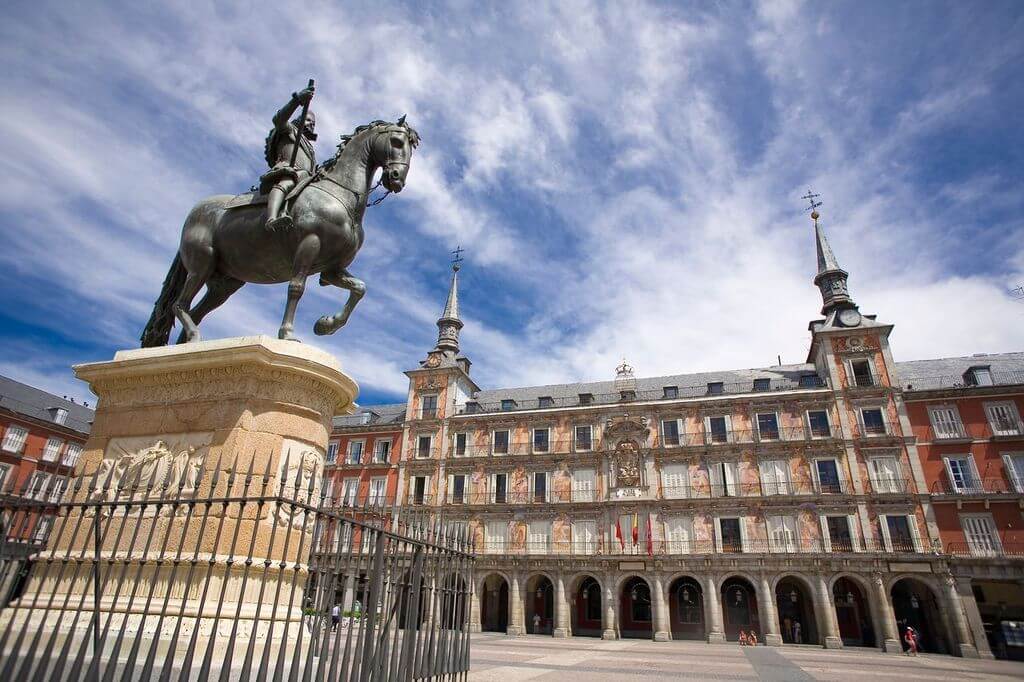
The city’s urban identity is largely rooted in the "Madrid de los Austrias" (Habsburg Madrid) period, which transformed the city into the capital of the Spanish Empire in 1561 under Philip II. This historical legacy remains visible in the city’s central layout, particularly around the Puerta del Sol—the geographic heart of Spain—and the Plaza Mayor. These locations serve as essential markers for visitors, with the Puerta del Sol hosting the "Kilometer Zero" plaque, the official starting point for the country’s radial road network.
Modern Madrid has successfully integrated its historical infrastructure with a contemporary focus on public space. In 2021, UNESCO recognized the "Paisaje de la Luz" (Landscape of Light)—a significant urban area comprising the Paseo del Prado and El Retiro Park—as a World Heritage site. This designation highlights the intentional synthesis of nature, science, and royal history that has defined Madrid’s development since the 16th century.
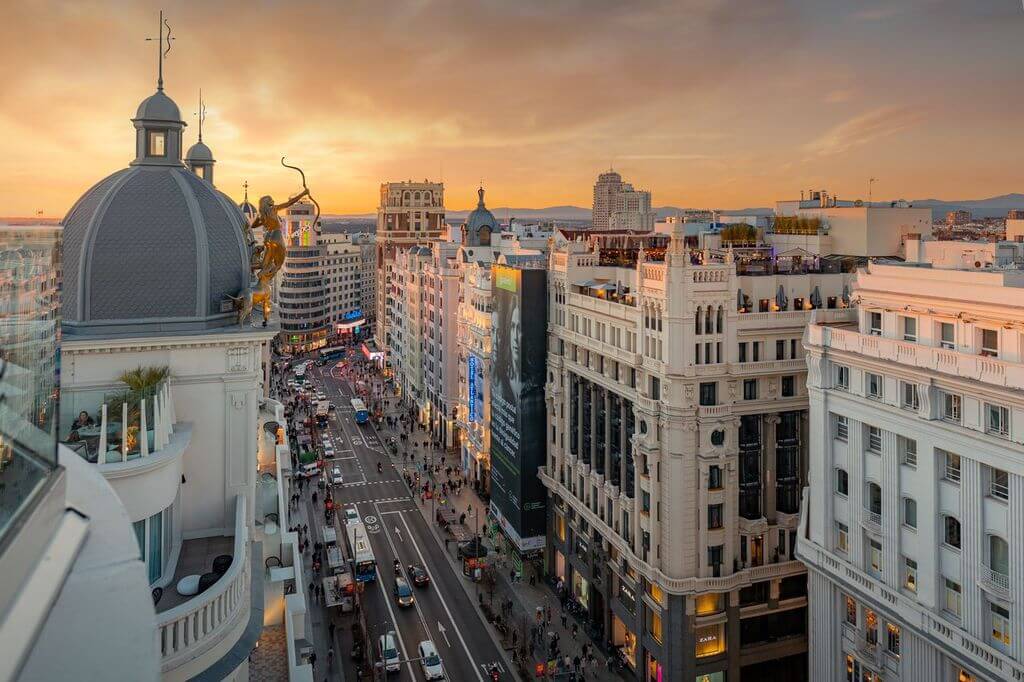
Chronological Five-Day Itinerary
Day 1: The Golden Triangle of Art
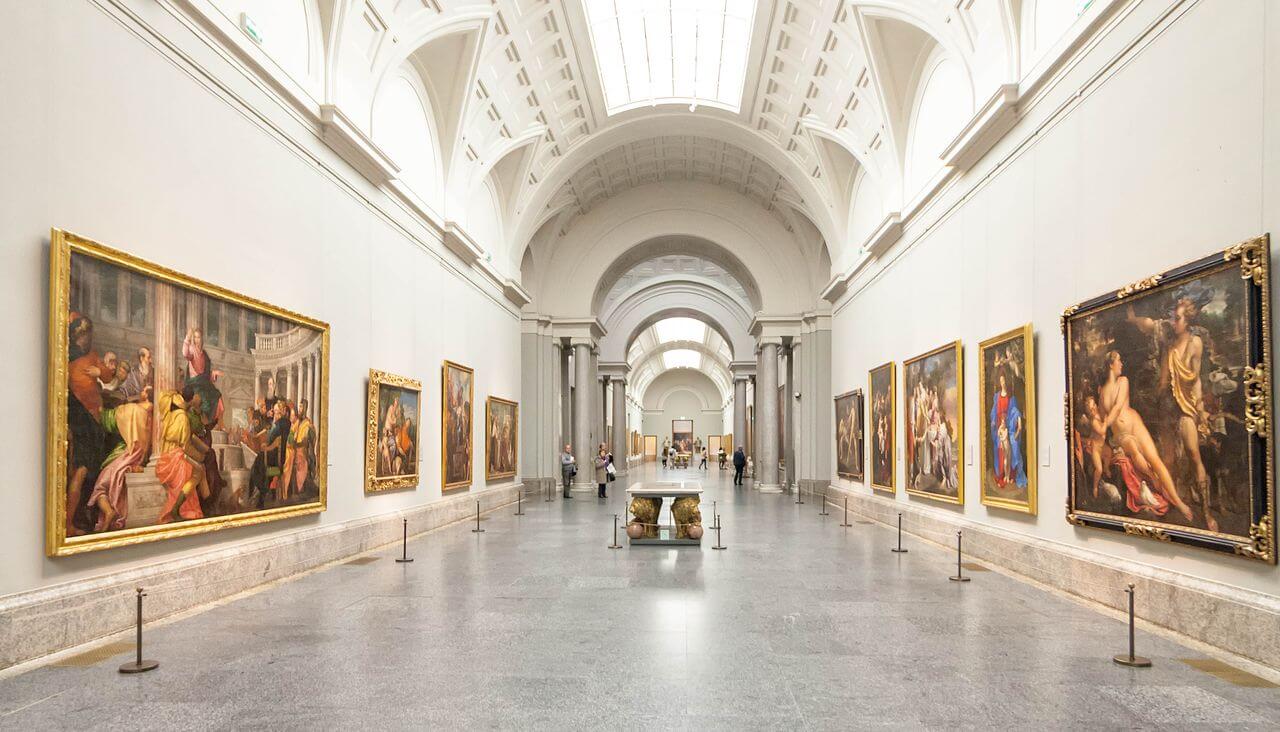
The city’s artistic infrastructure is anchored by the "Golden Triangle of Art," a collection of three world-renowned museums located along the Paseo del Prado. The Prado Museum, established in 1819, houses one of the most comprehensive collections of European art, featuring works by Goya, Velázquez, and El Greco. Following the Prado, the Thyssen-Bornemisza Museum provides a critical bridge between historical and modern collections, while the Reina Sofía National Art Center focuses on 20th-century movements. The latter is most noted for housing Pablo Picasso’s 1937 masterpiece, Guernica, a seminal anti-war work commissioned for the Spanish Pavilion at the Paris International Exposition.
Day 2: Imperial Legacy and State Architecture
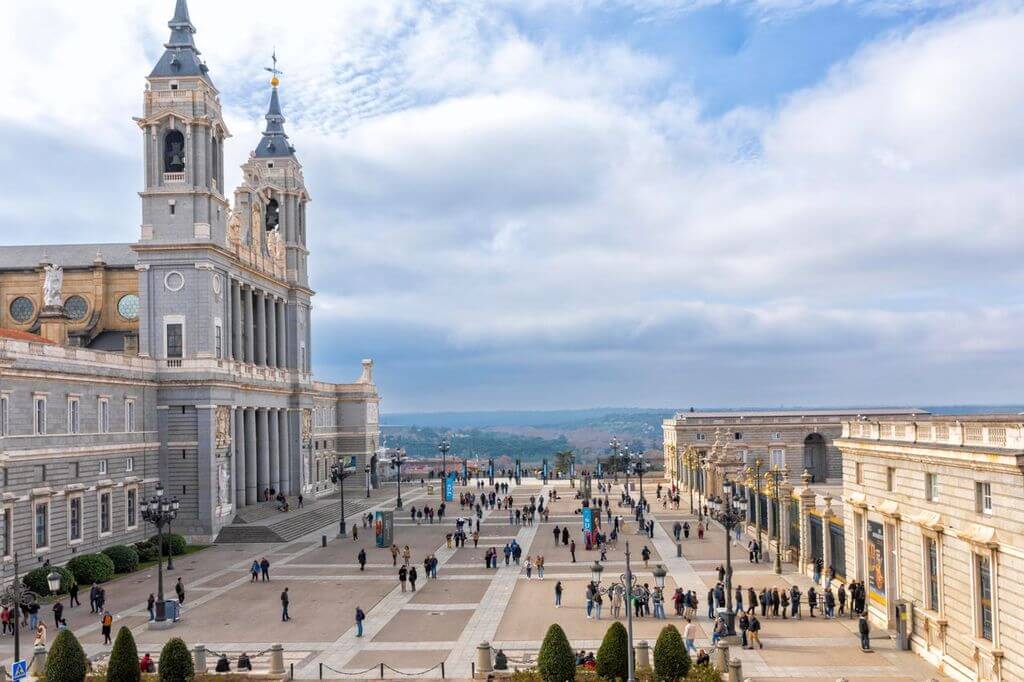
The second day of a structured visit typically focuses on the Royal Palace of Madrid and the Almudena Cathedral. The palace, which occupies the site of a 9th-century Muslim fortress, represents the pinnacle of 18th-century Baroque architecture. With over 3,400 rooms, it remains the largest royal palace in Western Europe by floor area. While it serves as the official residence of the Spanish monarchy, it is currently utilized primarily for state ceremonies, allowing for extensive public access to its armory and staterooms. Adjacent to the palace, the Almudena Cathedral offers a contrast in architectural history; although its conceptualization dates back to the 16th century, its construction was not finalized until 1993, blending Neoclassical and Neo-Romanesque styles.
Day 3: Culinary Landscapes and Gastronomic Evolution
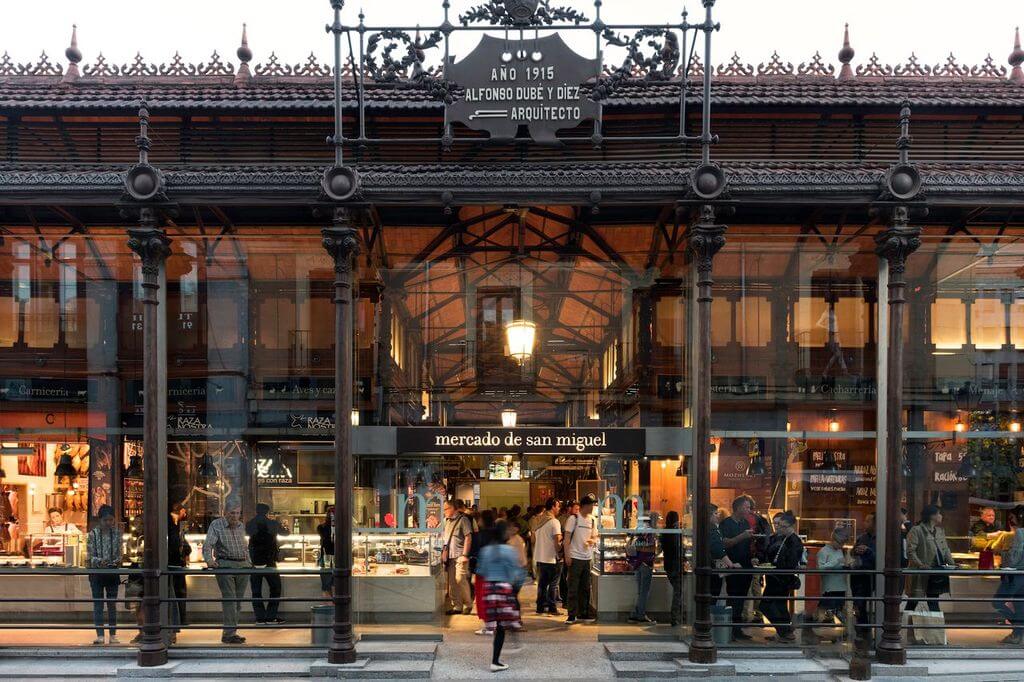
Madrid’s food scene has shifted from traditional regional fare to a sophisticated fusion of global influences. The city’s markets, such as the Mercado de San Miguel, serve as critical hubs for the "tapas" culture, which encourages a communal, iterative approach to dining. Recent data from the city’s tourism board indicates a sharp rise in vegetarian and vegan establishments, particularly in neighborhoods like Malasaña, reflecting a broader demographic shift toward plant-based diets in urban Spain. Furthermore, the city maintains its historical prestige with establishments like Sobrino de Botín, founded in 1725 and recognized by Guinness World Records as the world’s oldest continuously operating restaurant.
Day 4: Regional Proximity and UNESCO Heritage
Beyond the city center, the Madrid region offers several sites of significant historical value within a one-hour radius. San Lorenzo de El Escorial, a 16th-century complex commissioned by Philip II, serves as a mausoleum for Spanish monarchs and a testament to the austerity of the Counter-Reformation. Alternatively, the Royal Palace of Aranjuez offers a look at the Bourbon dynasty’s influence, with its extensive gardens providing a Mediterranean landscape that has been a protected World Heritage site since 2001.
Day 5: Institutional Treasures and Urban Green Spaces
The final day allows for the exploration of lesser-known cultural institutions, such as the Monastery of Las Descalzas Reales and the Royal Monastery of La Encarnación. These sites provide insight into the role of aristocratic women in preserving art and religious artifacts throughout the 16th and 17th centuries. The visit concludes in the Casa de Campo, a 1,700-hectare park that acts as the city’s "green lung." Originally a royal hunting estate, it was opened to the public in 1931 and provides panoramic views of the city skyline, illustrating the relationship between the natural landscape and the urban center.
Economic and Sociological Impact
The tourism sector is a cornerstone of Madrid’s economy, accounting for a significant percentage of the city’s GDP. Local government initiatives have increasingly focused on "sustainable tourism," encouraging visitors to disperse their presence across various neighborhoods to mitigate the effects of overcrowding in the historic center.
Urban planners and local authorities have observed that the "slow-paced" lifestyle—characterized by late dining hours and an emphasis on public interaction—has become a key component of the city’s brand identity. This cultural phenomenon is not merely a social preference but a reflection of the city’s historical adaptation to high summer temperatures, where peak activity traditionally shifted to the cooler evening hours.
Strategic Considerations for Travelers
For those planning an itinerary, logistics remain a vital consideration. Madrid’s public transportation network, particularly the Metro, is consistently ranked as one of the most efficient in Europe. The city’s connectivity through Adolfo Suárez Madrid–Barajas Airport and its high-speed rail network (AVE) facilitates both domestic and international travel.
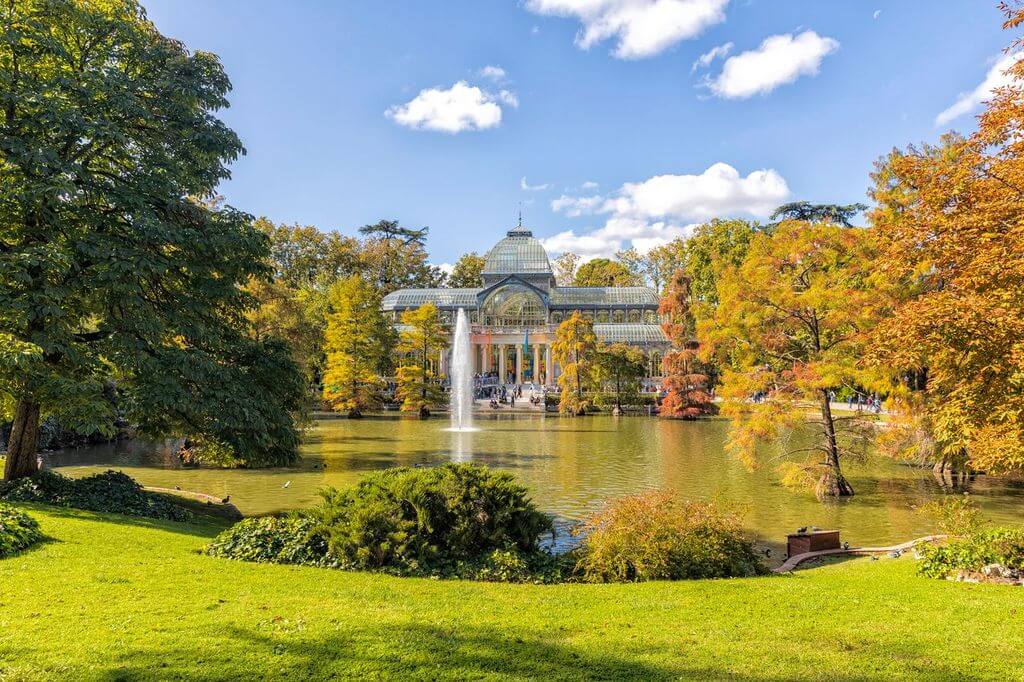
Experts in European travel emphasize that visiting during the shoulder seasons—spring and autumn—is advisable, as summer temperatures in the central Meseta plateau often exceed 35°C (95°F), which can complicate outdoor exploration. Travelers are encouraged to utilize official city tourism portals for the most up-to-date information regarding museum opening hours, which can be subject to change due to state events or restoration projects.
Conclusion and Future Outlook
Madrid continues to solidify its position as a primary European destination by balancing its historical integrity with the demands of a modern, diverse, and culinary-focused visitor demographic. The city’s ability to preserve its imperial monuments while fostering a vibrant, contemporary artistic and gastronomic scene ensures its continued relevance on the global stage. By integrating historical exploration with an appreciation for local urban rhythms, visitors can obtain a comprehensive understanding of a city that serves as both the literal and figurative heart of the Spanish nation.