Torrential downpours struck the Galápagos Islands on October 30 and 31, 2026, causing widespread environmental disruption, overflowing waterways, and severe localized flooding that impacted over 2,000 residents primarily on Santa Cruz Island. The unprecedented rainfall prompted local authorities to declare an emergency response as residential neighborhoods faced structural damage and infrastructural failures. While critical tourism hubs managed to pivot quickly and resume normal operations within days, the disaster has raised significant questions among international travelers regarding safety, infrastructure resilience, and the broader implications of visiting the archipelago during an active El Niño weather cycle.
The crisis in the Galápagos mirrors broader environmental shifts impacting high-profile tourism destinations globally, following a series of weather anomalies linked to changing ocean temperatures. As meteorological agencies project that the current El Niño cycle could maintain elevated rainfall patterns through February 2027, travel industry stakeholders, conservationists, and local authorities are emphasizing a balanced approach to tourism: ensuring traveler safety while channeling vital economic support into affected communities.
Chronology of the Event and Immediate Aftermath
The severe weather event developed rapidly at the end of October 2026, catching local emergency committees off guard.
- October 30–31, 2026: Intense, continuous torrential rainfall struck Santa Cruz Island. Waterways breached their natural boundaries, sending flash floods into residential and agricultural sectors, including Puerto Ayora and Bellavista. Over 2,000 residents suffered property damage or temporary displacement.
- November 1, 2026: International advisory bodies, including the UK Foreign, Commonwealth & Development Office (FCDO), updated their Ecuador travel advisories to reflect the infrastructural disruptions on Santa Cruz. Local disaster response committees (COE) mobilized heavy machinery to clear debris and restore basic municipal services.
- November 5, 2026: Essential transportation infrastructure connecting Santa Cruz to Baltra Airport—the primary aviation gateway for visitors—fully reopened following emergency repairs, allowing incoming flights to resume standard schedules.
- November 9, 2026: The Galápagos National Park initiated phased, safety-vetted reopenings of key visitor sites. While some trails and beaches remained closed for ecological monitoring and tide assessments, major travel routes, flights to Baltra and San Cristóbal, and marine excursions largely normalized.
- November 9–18, 2026: Tortuga Bay on Santa Cruz scheduled a temporary, preventative closure due to seasonal tide shifts coinciding with weather anomalies.
Impact on Regional Geography and Infrastructure
While Santa Cruz Island absorbed the brunt of the meteorological shock, the impact across the wider archipelago varied significantly by location. Santa Cruz serves as the central administrative and logistical hub for the Galápagos, housing the majority of hotels, tour operators, restaurants, and transit connections. Consequently, the disruption to its road networks and residential water and electricity services heavily distorted initial perceptions of safety across the entire island chain.

Conversely, neighboring islands experienced less severe infrastructural impact. Whitman Cox, a Galápagos National Park naturalist guide based on San Cristóbal Island—celebrated for its sea lion colonies and snorkeling sites—reported no structural damage to the island’s urban centers, though access to specific coastal visitor sites remained strictly regulated based on daily meteorological evaluations.
Visitor site availability continues to fluctuate under the oversight of the Galápagos National Park Directorate. As of mid-November, sites such as Playa El Garrapatero on Santa Cruz and La Lobería and Punta Carola on San Cristóbal have reopened to the public. Meanwhile, highly sensitive or erosion-prone sectors—including Las Grietas, El Chato, and El Puntudo on Santa Cruz, Puerto Chino and Playa Baquerizo on San Cristóbal, and the Los Humedales sector on Isabela Island—have experienced temporary, precautionary restrictions to protect both tourists and fragile ecosystems.
Understanding the El Niño Phenomenon in the Galápagos
The late-October floods are directly linked to an active El Niño cycle. Characterized by anomalous warming of surface waters across the equatorial Pacific Ocean, El Niño alters atmospheric circulation patterns, frequently triggering above-average precipitation along the coastal regions of Ecuador and within the Galápagos archipelago.
According to data from Ecuador’s National Institute of Meteorology and Hydrology (INAMHI), this meteorological phase remains active and is projected to maintain dynamic weather shifts for several months. For travelers, this translates into a heightened probability of intermittent heavy rainfall, short-notice trail closures, and occasional logistical adjustments for inter-island ferry and boat excursions.
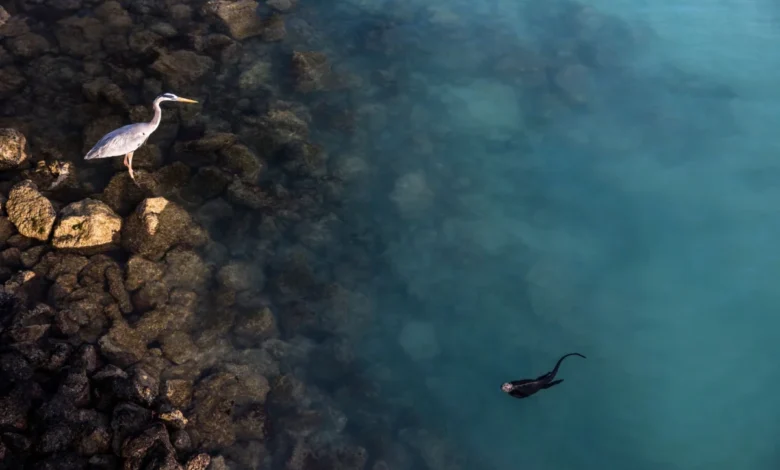
However, veteran operators and conservation experts emphasize that El Niño is a well-documented, cyclical natural phenomenon occurring roughly every decade. Charles Wittmer, president of the Association of Boat Operators in the Galápagos (ADATUR), notes that these climatic events offer a unique window into evolutionary biology. Marine and terrestrial species within the islands—ranging from Galápagos penguins and flightless cormorants to endemic marine iguanas—have evolved adaptive strategies to cope with fluctuating ocean temperatures and nutrient shifts. Furthermore, marine specialists point out that warmer waters can sometimes diversify species visibility during snorkeling and diving excursions, rewarding flexible travelers with exceptional wildlife encounters.
Safety Assessments and Official Guidance

International and local authorities agree that visiting the Galápagos remains viable, provided travelers exercise situational awareness and maintain regular communication with their service providers.
Airlines servicing Baltra Airport and San Cristóbal Airport are operating on regular timetables, and multi-day cruise vessels continue to navigate their approved itineraries with minor adjustments for adverse weather. Local tourism entrepreneurs stress that the primary tourist zones—including hotel districts, main promenades, and primary visitor corridors—are structurally sound and fully operational, even as recovery efforts persist in outlying residential neighborhoods.
To mitigate potential disruptions, travel specialists recommend the following preparations:
- Comprehensive Travel Insurance: Ensure policies explicitly cover weather-related transit delays, medical emergencies, and unexpected lodging adjustments.
- Flexible Itineraries: Build buffer days into travel schedules to accommodate potential inter-island transportation delays or rescheduled day tours.
- Continuous Verification: Reconfirm flights, hotel bookings, and cruise excursions directly with operators prior to departure, and check daily updates issued by local guides upon arrival.
- Appropriate Gear: Pack lightweight rain protection, waterproof bags for electronic devices, and quick-drying apparel suitable for tropical downpours.
Economic Implications and Community Resilience
The tourism sector forms the economic lifeblood of the Galápagos, supporting thousands of local families, small businesses, and independent guides. Following the October floods, local leaders have strongly advocated for continued tourism arrivals, emphasizing that cancellations severely compound the economic hardship faced by residents whose livelihoods were already strained by infrastructure damage.
Rodrigo Jácome, owner of a small coffee farm and a guest house on Santa Cruz who experienced agricultural losses during the deluge, notes that tourism infrastructure largely escaped catastrophic ruin. "Tourism operations resumed within days," Jácome stated, underscoring that visitor spending is essential for regional recovery and reconstruction.
Travelers wishing to support affected communities are encouraged to patronize locally owned accommodations, hire licensed community guides, and dine at independent establishments. When navigating residential zones undergoing cleanup, visitors are urged to maintain respectful boundaries, avoiding invasive photography or treating disaster-impacted areas as sightseeing attractions.

Channels for Humanitarian Relief
For visitors currently in the islands wishing to contribute directly to recovery efforts, local hotels and guides can facilitate donations of basic first-aid supplies, water purification tablets, and hygiene kits to community relief centers.
For individuals wishing to support relief operations from afar, several established institutions have mobilized formal fundraising and assistance initiatives:
- Fundación Charles Darwin: Collaborating directly with the Santa Cruz emergency response committee (COE) to channel financial resources toward urgent municipal recovery needs.
- San Francisco de Quito University (USFQ): Operating an official "SOS Galapagos" relief fund to collect donations for displaced families and infrastructure restoration.
- Fundación Torraja: Managing local community kitchens that provide daily meals and material support to households that lost personal belongings in the floods.
As the Galápagos Islands adapt to the shifting climate conditions of the ongoing El Niño cycle, the resilience of both its unique wildlife and its human communities remains a defining characteristic. By combining flexibility with informed preparation, travelers can experience the world-renowned natural laboratory of the archipelago while making a meaningful contribution to its ongoing recovery.
Related posts: