Maximizing the Chase Sapphire Reserve StubHub Credit A Deep Dive into Real World Benefits and Strategic Value

The premium credit card landscape has undergone a significant transformation over the last decade, shifting from a focus on basic travel rewards to a comprehensive "lifestyle" ecosystem. Central to this evolution is the Chase Sapphire Reserve, a flagship product that has recently enhanced its value proposition through a strategic partnership with StubHub and its subsidiary, Viagogo. This benefit, which provides cardholders with up to $300 in annual statement credits for entertainment purchases, represents a pivot toward experiential spending—a category that has seen explosive growth in the post-pandemic economy. By analyzing the mechanics of this credit, the real-world applications by frequent users, and the broader implications for the secondary ticketing market, consumers can better understand how to extract maximum utility from this high-annual-fee card.
Technical Framework of the Sapphire Reserve StubHub Benefit
The Chase Sapphire Reserve StubHub credit is structured as a biannual benefit, providing up to $150 in statement credits during two distinct six-month windows: January 1 through June 30, and July 1 through December 31. This structure is designed to encourage consistent engagement with the card throughout the year rather than a single large transaction. To utilize the benefit, cardholders must first activate it through the Chase Ultimate Rewards portal. Once activated, the credit is applied automatically to eligible purchases made directly on StubHub or Viagogo platforms.
Eligible purchases encompass a wide array of live entertainment, including professional and collegiate sports, concert tours, theatrical performances, and music festivals. It is important to note that the credit applies to the total transaction cost, which includes the base ticket price, service fees, and taxes. However, the benefit excludes the purchase of gift cards. Furthermore, the credit does not "roll over"; any unused portion of the $150 allotment at the end of a six-month period is forfeited. Currently, this specific benefit is slated to remain a feature of the card through December 31, 2027, providing a multi-year window for cardholders to recoup a significant portion of the card’s $550 annual fee.

Historical Context and Market Dynamics
To understand the significance of the StubHub credit, one must look at the history of the Chase Sapphire Reserve. When it launched in 2016, it disrupted the industry with a 100,000-point sign-up bonus and a simplified $300 annual travel credit. As competitors like the American Express Platinum Card began adding "coupon book" style credits—ranging from Uber and Walmart+ to digital entertainment—Chase was pressured to diversify its own offerings.
The choice of StubHub as a partner is a calculated move. StubHub, which was acquired by Viagogo for $4.05 billion in a deal that closed in early 2020, dominates the secondary ticket market. According to industry reports, the global secondary tickets market is projected to reach nearly $10 billion by 2027, driven by high demand for "bucket list" events and the increasing professionalization of ticket reselling. By integrating a $300 annual credit, Chase effectively lowers the "effective" annual fee of the Sapphire Reserve to $250 (when combined with the $300 travel credit), making it highly competitive for the "HENRY" (High Earner, Not Rich Yet) demographic that prioritizes live experiences.
Case Studies: Real-World Application and Strategic Use
The utility of a credit card benefit is best measured by its application in diverse scenarios. Analysis of spending patterns among high-frequency travelers and entertainment enthusiasts reveals several key strategies for maximizing the StubHub credit.
The Theater and Arts Segment
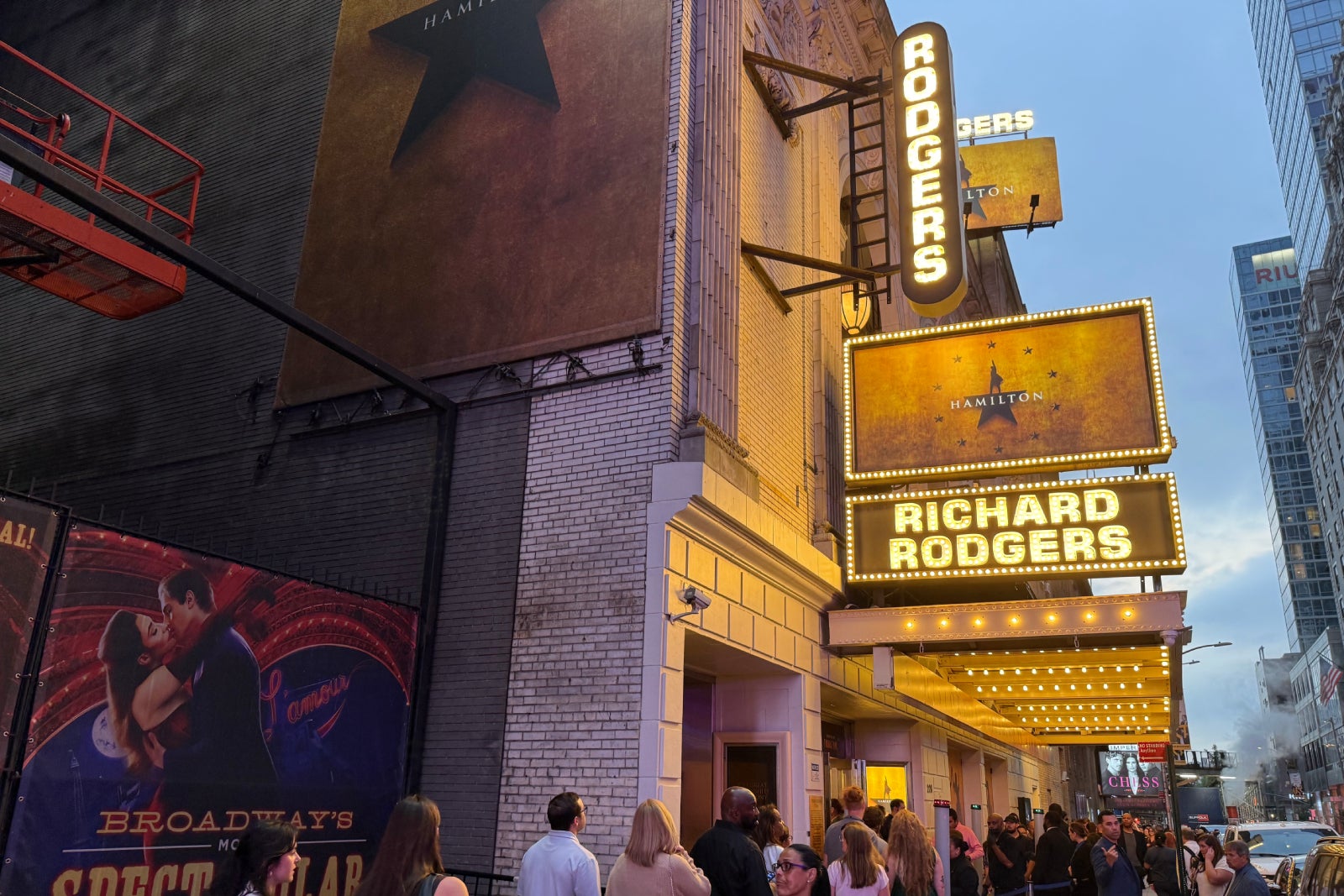
Live theater, particularly on Broadway, represents a high-value use case for the credit. In one instance, a cardholder purchased side orchestra tickets for the musical "Hamilton" during a high-demand period featuring original cast members. The total cost of $258 was mitigated by the $150 credit, resulting in an out-of-pocket expense of $108. Other users have reported using the credit for upcoming productions, such as "Paddington: The Musical" and "Oh, Mary!" on Broadway. In some cases, the credit can cover nearly the entire cost of a ticket; for example, a ticket to the production of "Ragtime" at Lincoln Center resulted in an out-of-pocket cost of less than one dollar after the credit was applied.
International Utility and Festivals
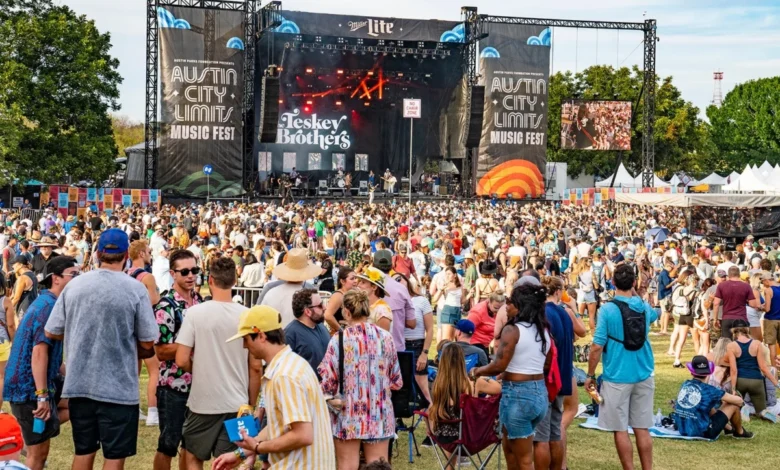
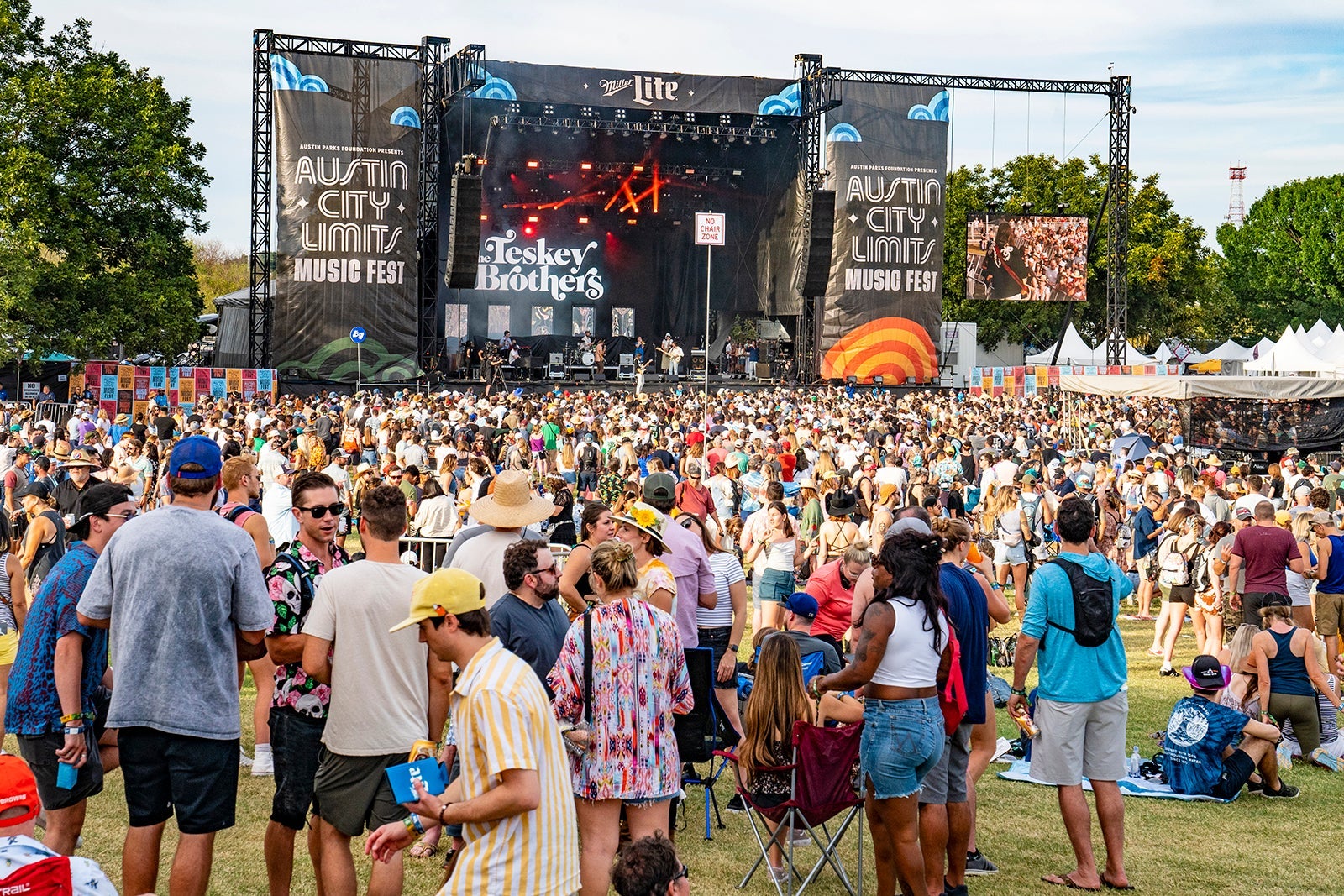
Because Viagogo operates as a global marketplace, the credit is not restricted to domestic events. This is a critical feature for international travelers. Cardholders have successfully applied the $150 credit toward tickets for "Les Misérables" in Madrid, Spain, significantly reducing the cost of cultural experiences abroad. Additionally, the credit has proven popular for music festivals, which often have high entry prices. By applying the $150 biannual credit toward passes for events like World Pride in Amsterdam, users can offset the steep costs associated with multi-day international festivals.
Sports and High-Demand Events
The secondary market is often the only recourse for fans seeking tickets to sold-out sporting events. The Sapphire Reserve credit has been utilized for major global events, including the FIFA World Cup. In more routine applications, fans of Major League Baseball have used the credit to secure premium seating near dugouts at stadiums like Oracle Park in San Francisco. In some instances, the $150 credit covered the entirety of two tickets, including all platform fees, effectively providing a "free" night at the ballpark.
Strategic Stacking and Optimization
Sophisticated cardholders often "stack" the StubHub credit with other rewards programs to increase their total return on investment. This involves using third-party shopping portals or loyalty aggregators.
- Shopping Portals: By clicking through a portal such as Rakuten or the American Airlines eShopping mall before navigating to StubHub, users can earn additional cash back or airline miles on the full purchase price, even if a portion of that price is later reimbursed by the Chase statement credit.
- Loyalty Points: Since the initial charge appears on the Chase statement as a "travel" or "entertainment" category purchase (depending on the merchant’s code), cardholders also earn 3x Ultimate Rewards points per dollar spent on the portion of the purchase that exceeds the $150 credit.
- Timing the Market: Because the credit is biannual, strategic users often split large purchases. For a festival occurring in July, a user might buy half their tickets in June to use the first-half credit and the remaining tickets in July to use the second-half credit, provided the tickets remain available.
Broader Economic Implications and Consumer Sentiment
The inclusion of an entertainment credit highlights a broader trend in consumer behavior: the "Experience Economy." Data from the Bureau of Economic Analysis and various consumer sentiment indices suggest that while spending on durable goods has fluctuated, spending on "recreation services" has remained resilient despite inflationary pressures.
For Chase, this partnership serves as a powerful retention tool. By embedding the card into the user’s leisure and hobby life—whether that is soccer, Broadway, or indie rock concerts—Chase increases the "stickiness" of the Sapphire Reserve. From a financial perspective, if a cardholder utilizes both the $300 travel credit and the $300 StubHub credit, they are essentially being paid $50 a year to hold the card, assuming they would have spent that money anyway. This "negative effective fee" is a potent argument against the rising cost of premium credit cards.
However, critics of such benefits argue that they contribute to the inflation of ticket prices in the secondary market. By providing millions of cardholders with subsidized purchasing power, there is a theoretical risk of increased demand driving up prices on platforms like StubHub. Nevertheless, for the individual consumer, the credit serves as a necessary buffer against the rising costs of live entertainment.
Chronology of Benefit Milestones
- August 2016: Chase Sapphire Reserve launches, setting a new standard for premium travel cards.
- February 2020: Viagogo completes the acquisition of StubHub for $4.05 billion.
- Late 2023/Early 2024: Chase integrates the StubHub/Viagogo credit as a core feature of the Sapphire Reserve to bolster its lifestyle value proposition.
- Current Phase: The benefit remains active with a biannual $150 refresh cycle.
- December 31, 2027: The scheduled expiration date for the StubHub credit partnership, unless renewed by JPMorgan Chase & Co.
Conclusion: A Benchmark for Modern Rewards
The Chase Sapphire Reserve StubHub credit is more than a simple discount; it is a reflection of how financial institutions are adapting to a world where consumers value memories over material possessions. By offering a broad, flexible credit that covers everything from local baseball games to international opera, Chase has successfully addressed a major spending category for its affluent user base.
For the cardholder, the key to success lies in proactive management. Setting reminders for the June and December deadlines, understanding the global reach of Viagogo, and stacking the credit with shopping portals can turn a high-cost credit card into a highly profitable financial tool. As the 2027 sunset date approaches, the performance and popularity of this benefit will likely serve as a blueprint for future iterations of premium credit card rewards, further blurring the lines between financial services and lifestyle concierge.
Related posts: