The Evolving Landscape of Barbados Tourism Balancing Legacy Luxury with Authentic Cultural Immersion

The tourism sector in Barbados is currently undergoing a significant transformation as the island moves beyond its long-standing reputation as a playground for the global elite to embrace a more diversified and authentic travel experience. While the island remains a premier destination for luxury seekers, a shifting demographic of travelers is increasingly drawn to the "wilder side" of the island, specifically the rugged eastern coastline and the culturally vibrant southern districts. This evolution reflects a broader trend in the Caribbean hospitality industry, where "island time"—a philosophy emphasizing presence and natural beauty over the "hustle culture" of the mainland—is being paired with high-end service and a renewed focus on community-driven tourism.
A Geographic and Cultural Shift: Beyond the Platinum Coast
Historically, Barbadian tourism has been concentrated on the "Platinum Coast" of the west, characterized by calm, turquoise waters and serene beaches. This region has served as the anchor for the island’s economy for decades, housing some of the most exclusive resorts in the world. However, as of 2026, industry data indicates a notable migration of interest toward the south and east coasts.

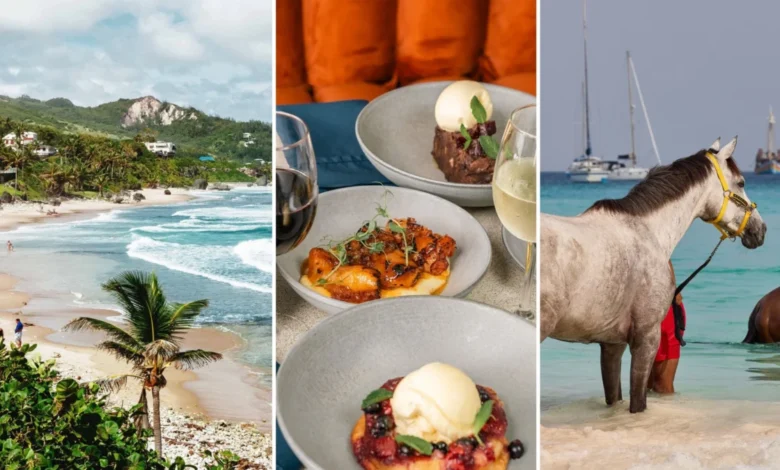
The South Coast, once overlooked by high-net-worth individuals, has developed a "hipster edge" with the introduction of new boardwalks, artisanal bars, and casual dining hubs. Meanwhile, the East Coast—often referred to by locals as being "behind God’s back"—is gaining international recognition for its raw, elemental beauty. This Atlantic-facing side of the island is becoming a hub for wellness retreats and farm-to-table culinary initiatives. Analysts suggest this shift is driven by a younger, more environmentally conscious demographic, including "Silicon Valley types" and creative professionals who prioritize authenticity over traditional opulence.
Chronology of Modern Barbadian Tourism Development
The trajectory of Barbados’s recent tourism renaissance can be traced through several key milestones over the last decade:
- The Pre-Pandemic Era (2015–2019): Barbados solidified its status as a luxury staple, with the Sandy Lane resort maintaining its position as the premier destination for celebrities and business magnates.
- The 2020 Transition: Following the global pandemic, the Barbadian government introduced the "Welcome Stamp" visa, allowing remote workers to live on the island for up to a year. This brought a new wave of long-term residents who integrated into local communities rather than staying in isolated resorts.
- The 2024 Expansion: Renewed focus was placed on the South Coast boardwalk and the revitalization of historic Speightstown, encouraging tourists to explore the island’s colonial history and local creative heritage.
- The 2025 Infrastructure Update: The official launch of Uber on the island modernized transportation, though traditional ZR buses (government-run) and private chauffeur services remain integral to the local transit ecosystem.
- The 2026 Outlook: The opening of boutique properties like the Blue Monkey Hotel & Beach Club and the recognition of the East Coast as a top global destination have signaled the completion of the island’s move toward a "multi-modal" tourism model.
The Hospitality Sector: Traditional Icons vs. Boutique Innovators
The hospitality landscape in Barbados is currently defined by a balance between family-owned legacies and modern, disruptive boutique brands.

Legacy Luxury: The Coral Reef Club and Sandy Lane
Sandy Lane remains the "top dog" of the island, offering a level of exclusivity that continues to attract a high-profile clientele. However, the Coral Reef Club represents a different facet of Bajan luxury. Still owned and operated by the O’Hara family—who purchased the property in the mid-1950s—the hotel emphasizes a "singular community" atmosphere. Matriarch Cynthia O’Hara, now 94, continues to host cocktail parties, fostering a sense of continuity that appeals to multi-generational travelers. This model serves as an antidote to the impersonal nature of modern chain resorts.
Boutique Innovation: Cobblers Cove and Blue Monkey
In contrast, newer establishments are catering to a trendier, younger demographic. Cobblers Cove, with its distinctive pink pastel architecture, has become a favorite for "Insta-Eden" aesthetics, blending manicured gardens with high-end design.
The Blue Monkey Hotel & Beach Club, which opened in June 2026 on the site of a formerly disused complex at Payne’s Bay, exemplifies the island’s "rock and roll" heritage. The property draws inspiration from the 1970s and 80s when creative icons like Eddy Grant, the Rolling Stones, and the Monty Python troupe used Barbados as a creative sanctuary. With retro tan leather interiors and Smeg appliances, the hotel targets a market that values character and history over standard luxury tropes.

Culinary Evolution and the Rise of Bajan Flavors
Barbados is increasingly positioning itself as the culinary capital of the Caribbean. The island’s food scene is bifurcated into high-end fine dining and authentic, local experiences, both of which are seeing significant investment.
Fine Dining Excellence
The Cliff remains the island’s "gastronomic grande dame." Located on a literal cliffside with floodlit views of the ocean, it offers a sophisticated menu ranging from an innovative raw bar to traditional tableside service. It remains a primary destination for high-profile visitors, including global icons like Rihanna.
The Rise of Authentic Bajan Cuisine
Newer establishments are finding success by elevating traditional flavors. Cocktail Kitchen, located in the St. Lawrence Gap, is led by award-winning chef Damian Leach. The restaurant is noted for its "curry goat" and innovative takes on "pigs’ tails" and "catch of the day," bridging the gap between street food and gourmet dining.

The island also hosts the annual Rum & Food Festival every November, which serves as a showcase for local distilling talent and culinary innovation. For those seeking the most authentic experience, the Oistins Fish Fry every Friday remains a cultural cornerstone. Dozens of family-run stalls serve freshly caught, grilled seafood in a communal, open-air setting that eschews the formalities of traditional tourism.
Environmental Stewardship and Marine Conservation
As tourism expands, the protection of Barbados’s natural assets has become a priority for both the government and local businesses. The island’s coral reefs, while threatened by climate change and invasive species, remain a primary draw for scuba divers.
Local dive shops, such as the family-run Reefers & Wreckers in Speightstown, report a steady interest in wreck diving and reef exploration. The SS Stavronika and the unique "cement plant" dive site—where seahorses and octopuses inhabit pier pilings—are among the most popular locations. Furthermore, the island has engaged in active ecological management, including community-led efforts to hunt invasive lionfish, which threaten the biodiversity of the reefs.

On land, the preservation of "green spaces" is highlighted by Hunte’s Gardens. Created by eccentric horticulturist Anthony Hunte within a sinkhole in the Barbadian jungle, the gardens are often compared to the "hanging gardens of Babylon" and represent a two-decade-long commitment to preserving the island’s tropical flora.
Economic Implications and Future Projections
Tourism accounts for approximately 40% of Barbados’s GDP and is the island’s largest source of foreign exchange and employment. The shift toward a more diverse tourism model is expected to provide greater economic stability by reducing reliance on a single demographic of travelers.
Transportation and Accessibility
Major carriers including American Airlines and Delta have maintained robust flight schedules from North American hubs like New York, Miami, and Charlotte. The peak season remains mid-December through April, characterized by elevated pricing and high occupancy. However, the "sweet spot" for travel is increasingly identified as May through June, offering a balance of lower crowds and manageable weather before the peak of the rainy season.

Community Integration
The Bajan character—described as initially guarded but deeply warm and witty once engaged—is a central component of the island’s brand. Local observers note that the most successful tourism ventures are those that integrate with the community rather than isolating themselves. This is seen in the popularity of local spots like "Dis Ole House" and the "EcoLodge," which utilize farm-to-table practices and provide employment for residents in the island’s more rural districts.
Conclusion
Barbados is successfully navigating a transition from a traditional luxury destination to a multi-faceted travel hub that honors its heritage while embracing modern trends. By balancing the "surface glitz" of the West Coast with the "raw, elemental" appeal of the East and South, the island is attracting a broader and more resilient tourist base. As of 2026, the Barbadian model serves as a case study for other Caribbean nations on how to modernize a tourism industry without sacrificing the authentic cultural identity that makes the destination unique. Whether through high-end boutique hotels, community-driven dining, or environmental conservation, Barbados continues to define what it means to live on "island time" in the 21st century.
Related posts: