Madrid, the sprawling capital of Spain and its largest metropolitan hub, serves as the primary gateway to the Iberian Peninsula, hosting a population of approximately 3.5 million residents. As the political, economic, and cultural center of the nation, the city attracts over 10 million international and domestic visitors annually. This influx is driven by a unique synthesis of historic grandeur, world-class art institutions, and a socio-cultural rhythm characterized by late-night vitality and a deliberate, laid-back pace of life. To fully comprehend the complexities of the city, urban planners and cultural historians often point to the "Landscape of Light" (Paisaje de la Luz), a central area that earned UNESCO World Heritage status in 2021, marking Madrid as a premier global destination for heritage tourism.
The Foundation of the Madrid Experience: Urban Layout and Logistics
The logistical framework of Madrid is centered around the Puerta del Sol, the symbolic "Kilometer Zero" from which all radial roads in Spain are measured. Historically, the city evolved from a 9th-century Muslim fortress into a Renaissance and Baroque masterpiece under the Habsburg and Bourbon dynasties. For the modern traveler, navigating this expanse requires a structured approach that balances high-density tourist corridors with the more subdued, authentic neighborhoods that define the local experience.
Market data indicates that the city’s tourism sector has rebounded significantly post-pandemic, with a shifting focus toward sustainable urban exploration and longer-duration stays. A five-day itinerary is increasingly viewed by industry experts as the optimal timeframe to transition from the "Golden Triangle of Art" to the lesser-known monastic retreats and regional UNESCO sites.
Day 1: The Golden Triangle of Art and the Landscape of Light
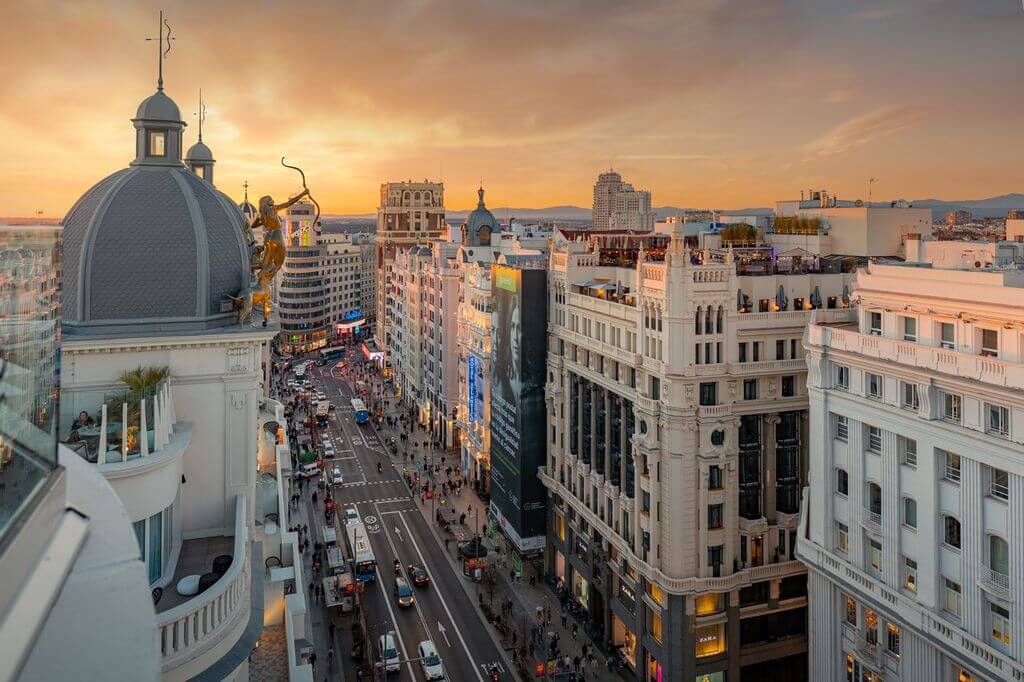
The inaugural phase of a comprehensive Madrid visit centers on the Paseo del Prado, a boulevard that serves as the backbone of the city’s intellectual and artistic identity. The 2021 UNESCO designation encompasses over 40 monuments and 40 historic buildings, emphasizing the integration of nature and science within an urban environment.
The Prado Museum and the Masters
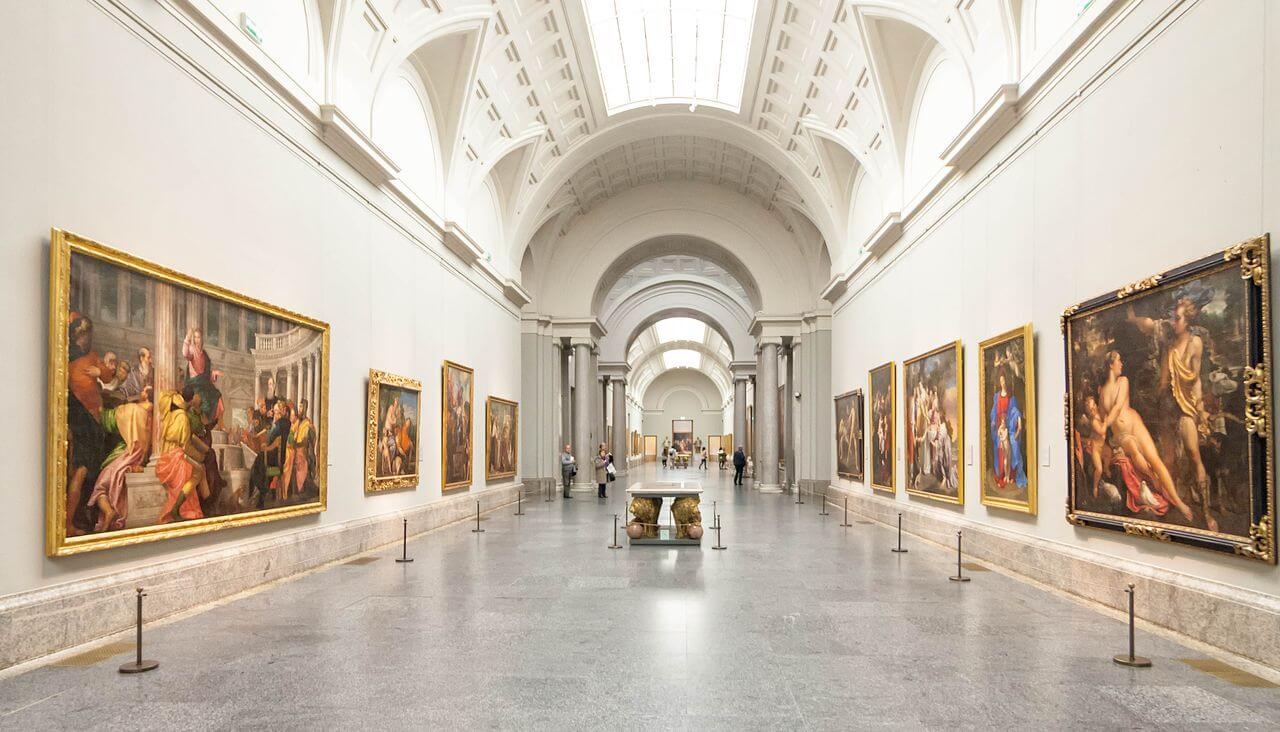
The Prado Museum stands as one of the most significant art repositories globally. Housing over 8,000 drawings, 7,600 paintings, and 1,000 sculptures, it offers a definitive survey of European art. Key highlights include the works of Diego Velázquez, particularly Las Meninas, and the haunting "Black Paintings" of Francisco Goya. The museum’s collection also features northern masters such as Hieronymus Bosch and Peter Paul Rubens, reflecting the vast reach of the Spanish Empire during the 16th and 17th centuries.
Modernism and the Thyssen-Bornemisza
A ten-minute walk leads to the Thyssen-Bornemisza Museum, which provides the necessary connective tissue between classical and contemporary art. Originally a private collection, it spans the Renaissance through Pop Art. Following this, the Reina Sofía National Art Center serves as the pinnacle of 20th-century exploration. Its most vital asset is Pablo Picasso’s Guernica, a monumental anti-war statement depicting the bombing of the Basque town during the Spanish Civil War. The museum also showcases extensive works by Salvador Dalí and Joan Miró, solidifying Madrid’s status as a capital of Surrealism.
The Rise of House Museums
Beyond the major galleries, Madrid’s "House Museums" offer a more intimate perspective on Spanish life. The Sorolla Museum, the former residence of Joaquín Sorolla—known as the "painter of light"—is scheduled for a major reopening in 2026 following extensive renovations. These smaller institutions, including the Museum of Romanticism and the Lázaro Galdiano Museum, preserve the private atmospheres of the Spanish elite and the artistic evolution of the 19th century.
Day 2: Habsburg Heritage and the Seats of Power
The second day focuses on "Madrid de los Austrias," the historic center established during the Habsburg reign. This era defined the city’s architectural silhouette, characterized by slate-topped spires and brick facades.
Puerta del Sol and Plaza Mayor
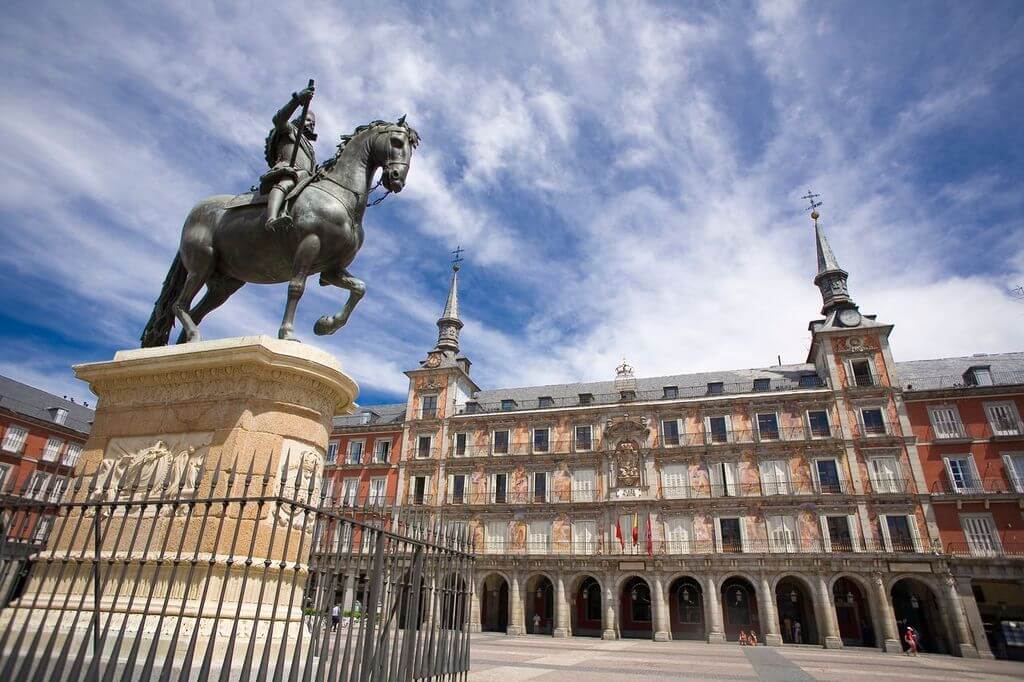
Puerta del Sol is not merely a transit hub but a site of significant historical resonance, featuring the statue of El Oso y el Madroño (The Bear and the Strawberry Tree), the city’s heraldic symbol. Nearby, the Plaza Mayor serves as the quintessential Spanish square. Completed in 1619, it has functioned as a marketplace, a theater for bullfights, and a site for the Spanish Inquisition’s trials. Today, it remains a focal point for public life, surrounded by traditional shops and cafes.
The Royal Palace and Almudena Cathedral
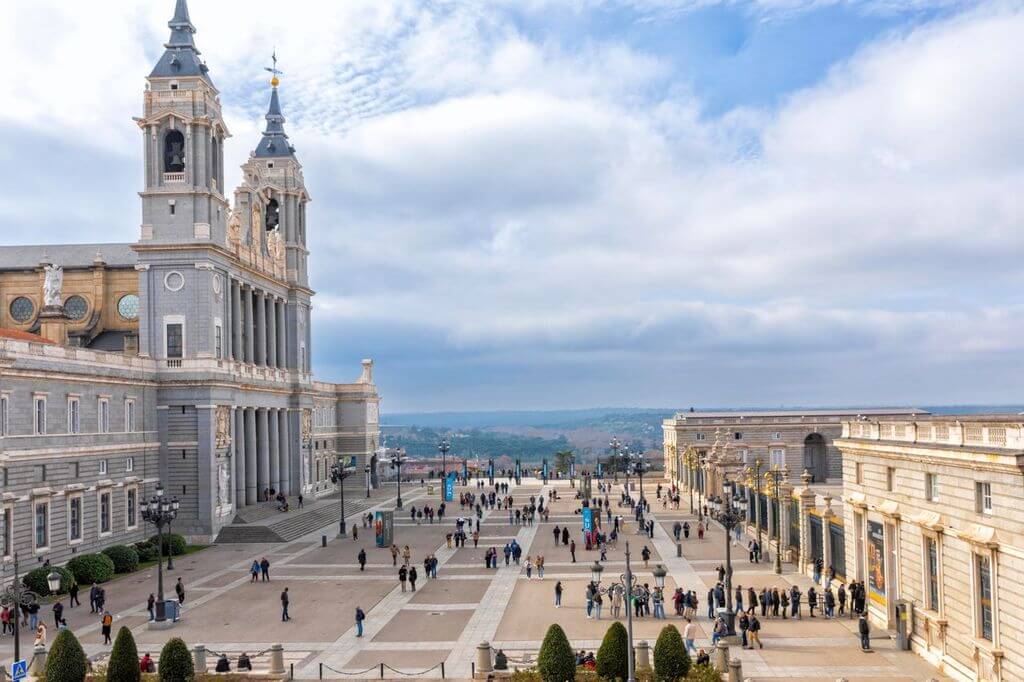
The Royal Palace of Madrid, the largest in Western Europe by floor area, boasts over 3,400 rooms. Built on the site of a 9th-century Alcázar, the current Baroque structure was commissioned by Philip V in the 18th century. While it remains the official residence of the Spanish monarch, it is primarily used for state ceremonies. Adjacent to the palace is the Almudena Cathedral. Despite its traditional appearance, the cathedral was not completed until 1993, offering a unique Neo-Classical exterior that masks a Neo-Gothic interior and a Neo-Romanesque crypt.
Day 3: Gastronomic Evolution and the Gran Vía
Madrid’s culinary identity is a critical component of its economic and social fabric. The city has transitioned from traditional Castilian fare to a modern, diverse gastronomic landscape.
Gastronomic Markets
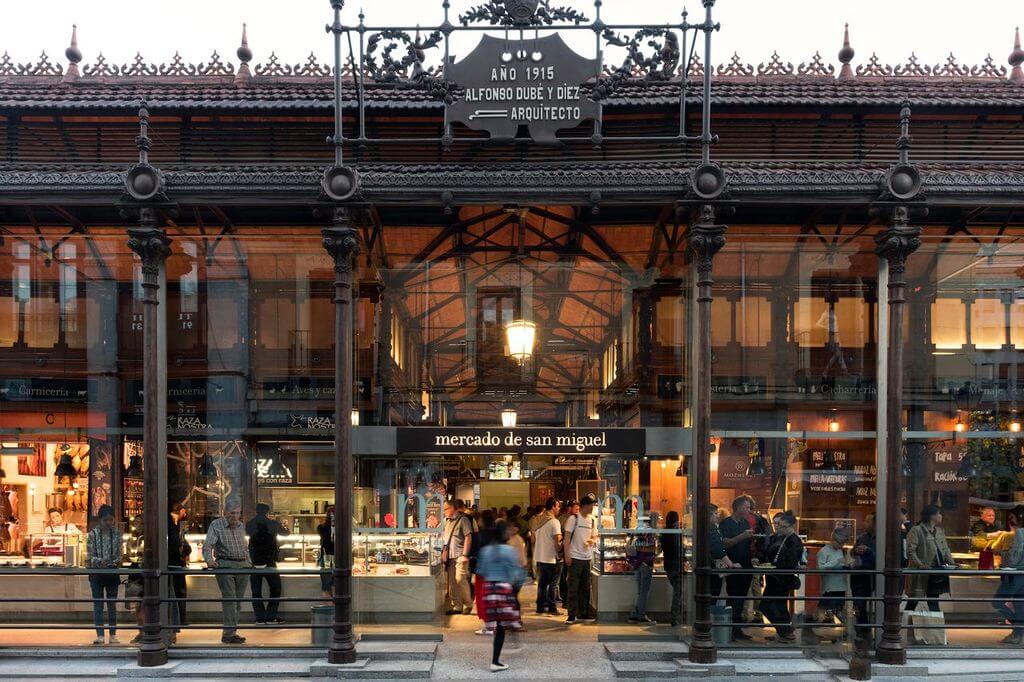
The Mercado de San Miguel, a 1916 iron-and-glass structure, has been repurposed as a gourmet tapas destination. While popular with tourists, it reflects a broader trend of "market dining" that includes the Mercado de San Antón in the Chueca district and the Mercado de Vallehermoso, which focuses on regional produce and artisanal vendors.
Historical Dining and the Vegan Movement
The city holds the Guinness World Record for the oldest continuously operating restaurant, Sobrino de Botín, founded in 1725. This establishment represents the enduring appeal of traditional roasted meats, such as cochinillo (suckling pig). Conversely, the neighborhood of Malasaña has emerged as a hub for plant-based innovation, reflecting a shift in Spanish dietary habits as the city adapts to global health and sustainability trends.
Day 4: Regional UNESCO Heritage Sites
Madrid’s central location makes it an ideal base for exploring the historical heart of Castile. Three major UNESCO World Heritage sites are located within an hour’s radius of the city center.
San Lorenzo de El Escorial
Commissioned by Philip II in the 16th century, this massive complex serves as a monastery, palace, and royal pantheon. Its austere granite architecture was intended to reflect the somber religious devotion of the monarch and the power of the Counter-Reformation.
Aranjuez and Alcalá de Henares
The Royal Palace and Gardens of Aranjuez, often compared to Versailles, served as the spring residence for the monarchy, emphasizing the integration of agriculture and courtly life. To the east, Alcalá de Henares offers a preservation of the Spanish Golden Age. As the birthplace of Miguel de Cervantes and home to one of the world’s oldest universities, it remains a center of Spanish linguistic and literary history.
Day 5: Monastic Seclusion and Green Infrastructure
The final phase of a five-day exploration focuses on the city’s interior hidden gems and its commitment to public green space.
The Royal Monasteries
The Monastery of Las Descalzas Reales and the Royal Monastery of La Encarnación offer a rare glimpse into the intersection of royalty and religious life. These active convents house immense collections of art, including tapestries designed by Rubens, gifted by noblewomen who sought refuge within their walls. These sites are often overlooked by the general public, providing a quiet counterpoint to the busy city center.
Casa de Campo: The City’s Lungs
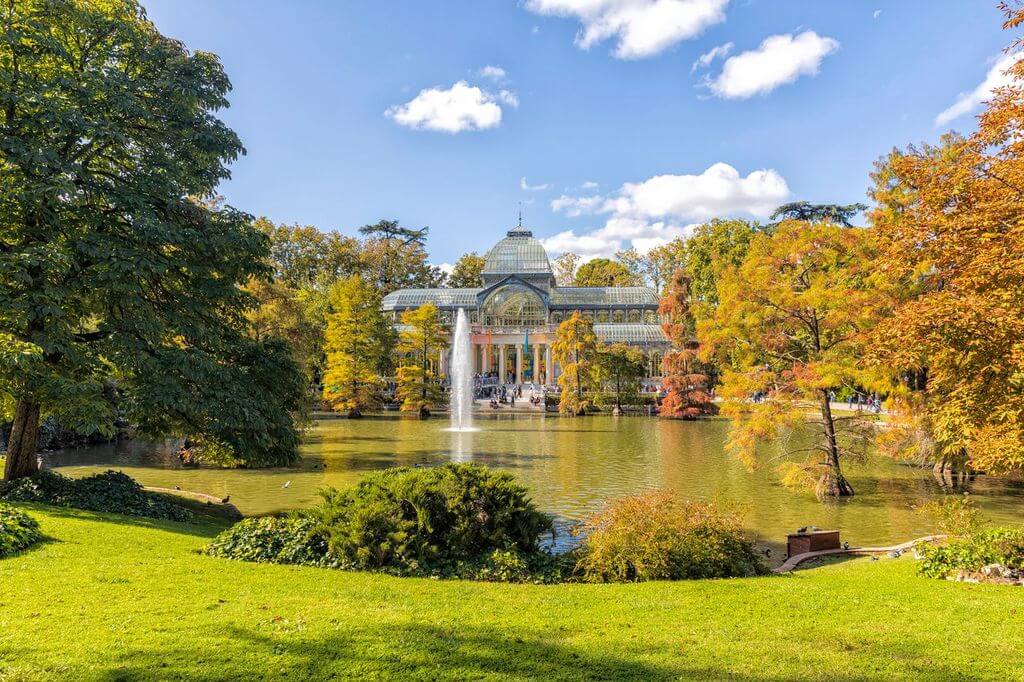
At 1,700 hectares, Casa de Campo is five times the size of New York’s Central Park. Formerly a royal hunting ground, it was opened to the public in 1931. The park’s integration into the city’s life—featuring a large lake, an amusement park, and a zoo—demonstrates Madrid’s commitment to urban green infrastructure. From the lakeside, visitors can view the city’s skyline, providing a panoramic perspective on the architectural layers explored over the previous days.
Broader Impact and Implications for Tourism
The structured exploration of Madrid reveals a city that is successfully balancing its historical legacy with modern urban demands. The integration of the "Landscape of Light" into the UNESCO registry has provided a framework for heritage preservation that also supports the local economy.
Industry analysts suggest that Madrid’s focus on cultural depth—rather than just mass tourism—is a strategic move to compete with other European capitals like Paris and Rome. By promoting regional day trips and highlighting "off-the-beaten-path" treasures like the Royal Monasteries, the city distributes the tourist load, mitigating the risks of over-tourism while enriching the visitor experience. As Madrid continues to evolve, its ability to maintain its traditional "slow" pace of life amidst a rapidly modernizing economy will remain its most significant challenge and its greatest draw.
Related posts: