United Airlines Fleet Operations and Strategic Deployment Update Amid Evolving Aviation Industry Dynamics

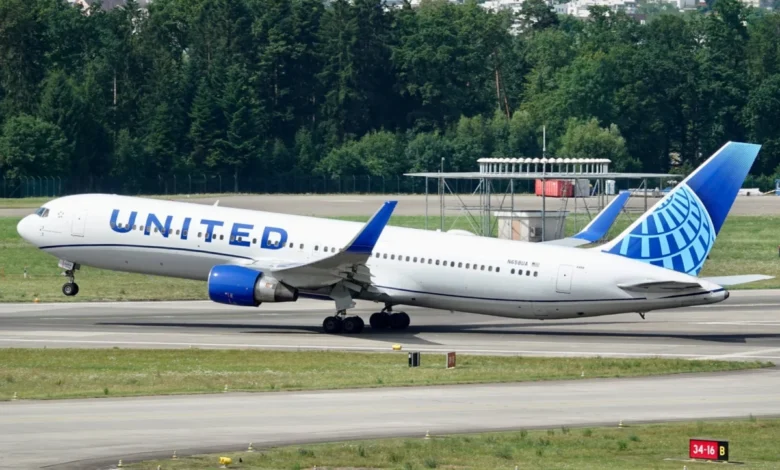
The modern commercial aviation sector operates within a complex ecosystem of regulatory oversight, passenger demand fluctuations, and rigorous fleet management strategies. For legacy carriers such as United Airlines, maintaining a competitive edge requires a delicate balance between expanding route networks, modernizing aircraft interiors, and managing aircraft utilization across major domestic and international hubs. This comprehensive overview examines the operational realities, strategic milestones, and technological integrations shaping United Airlines’ current flight operations, particularly focusing on core fleet workhorses like the Boeing 757-300 operating high-density domestic routes such as the vital Newark Liberty International Airport (EWR) to Denver International Airport (DEN) corridor.
Main Facts of Modern United Airlines Fleet Operations
United Airlines manages one of the most extensive and diverse narrowbody and widebody fleets in the global aviation industry. Serving millions of passengers annually, the carrier’s operational footprint spans hundreds of destinations across six continents. At the heart of its domestic network are high-frequency trunk routes that connect major financial, industrial, and population centers. Among these, the route linking Newark Liberty International Airport in the New York metropolitan area to Denver International Airport in the Mountain West stands out as a critical economic and logistical artery.
Operating this route efficiently requires utilizing high-capacity aircraft capable of accommodating heavy passenger volumes and substantial cargo loads. Historically and presently, aircraft such as the Boeing 757 series—specifically the stretched 757-300 variant—have played an indispensable role in maintaining this high-capacity throughput. Known for its exceptional thrust-to-weight ratio, performance in high-altitude environments like Denver, and flexible cabin configurations, the Boeing 757-300 remains a cornerstone of United’s domestic mainline operations, even as newer-generation aircraft gradually enter the broader commercial aviation market.
Chronology of Fleet Evolution and Route Development
The integration of high-capacity narrowbody aircraft into transcontinental and premium domestic routes represents a multi-decade operational strategy for United Airlines. Understanding the trajectory of these operations requires examining the chronological milestones that have defined the carrier’s fleet development over the past thirty years.
During the late 1990s and early 2000s, United Airlines recognized the growing necessity for aircraft that could bridge the capacity gap between standard single-aisle jets and widebody aircraft on domestic trunk routes. The introduction of the Boeing 757-300 allowed the airline to maximize slot efficiency at congested hubs like Newark, where gate availability and runway capacity are tightly constrained. By deploying a single-aisle aircraft capable of carrying over 200 passengers in a multi-class configuration, United successfully increased seat capacity without incurring the higher operational costs typically associated with widebody aircraft on medium-haul domestic sectors.
Throughout the 2010s, as air travel demand surged to record highs, these routes underwent continuous optimization. Fleet maintenance programs were intensified to ensure the structural integrity and reliability of the aging 757 airframes. Simultaneously, passenger experience upgrades—including the rollout of streamlined cabin interiors, seatback entertainment systems, and high-speed satellite Wi-Fi—transformed the onboard environment of these legacy workhorses to meet contemporary consumer expectations.
Entering the 2020s, the global aviation landscape faced unprecedented disruption followed by a rapid, robust recovery in passenger demand. United Airlines responded by balancing fleet retirements with strategic delivery schedules for next-generation aircraft such as the Airbus A321neo and Boeing 737 MAX families. However, due to specialized performance characteristics required for specific domestic routes—such as Denver’s demanding elevation and weather conditions—select variants of the existing fleet, including the Boeing 757-300, retained their strategic importance within the schedule planning matrix.
Supporting Data and Fleet Metrics
Analyzing the operational dynamics of United Airlines necessitates a review of key fleet metrics, capacity figures, and utilization statistics. The airline’s operational data underscores the immense scale required to maintain service reliability across its network.
Capacity and Configuration: The Boeing 757-300 typically features a premium-heavy configuration tailored to business and leisure travelers alike, often accommodating upwards of 200 to 230 passengers across United First, Economy Plus, and standard Economy sections. This configuration maximizes revenue yield per departure on high-demand business corridors like Newark to Denver.

Hub Operations: Newark Liberty International Airport and Denver International Airport serve as two of United’s primary domestic mega-hubs. EWR acts as a premier gateway to European and transatlantic markets while funneling domestic traffic, whereas DEN functions as a massive central-U.S. connecting complex. The daily passenger throughput between these two hubs frequently numbers in the thousands, requiring high-frequency rotations and strict adherence to turnaround schedules.
Fuel Efficiency and Performance: While newer composite aircraft offer distinct fuel burn advantages, the Boeing 757 series compensates with robust performance margins. Its ability to operate out of Denver’s high-altitude runways during hot summer months with full payload ranges makes it exceptionally difficult to replace on a one-to-one basis without imposing weight restrictions on newer, smaller narrowbody jets.
Official Responses and Corporate Strategy
Executives and operational planners at United Airlines have consistently emphasized a forward-looking approach to fleet modernization while pragmatically managing current assets. In various operational briefings and investor communications, airline leadership has outlined a multi-phased strategy known as "United Next," designed to revolutionize the carrier’s fleet composition over the decade.
While the primary focus of United Next centers on acquiring hundreds of new, fuel-efficient narrowbody and widebody aircraft to reduce carbon emissions and operating costs, leadership has maintained a flexible timeline regarding the complete phase-out of older legacy airframes. Corporate statements highlight that aircraft retirement schedules are continually re-evaluated against macroeconomic conditions, supply chain realities in the manufacturing sector, and surging passenger demand.
Furthermore, United’s maintenance and engineering divisions maintain rigorous safety and compliance protocols, ensuring that every aircraft in the active fleet meets or exceeds Federal Aviation Administration (FAA) standards. Spokespersons for the airline frequently reiterate that customer safety, schedule reliability, and service consistency remain the paramount pillars guiding all fleet deployment decisions.
Broader Impact and Industry Implications
The ongoing management and eventual transition of high-capacity narrowbody fleets carry significant implications for the broader commercial aviation industry. As legacy carriers navigate the complexities of fleet renewal, several key trends and challenges emerge.
Supply Chain Realities: Global aircraft manufacturers have faced documented supply chain constraints, delivery delays, and regulatory scrutiny in recent years. These industry-wide bottlenecks directly influence how quickly airlines can retire older aircraft like the Boeing 757 and replace them with next-generation equivalents. Consequently, maximizing the lifespan and utility of existing airframes through heavy maintenance checks has become an industry standard practice.
Environmental Considerations: Sustainability remains a critical focal point for modern airlines. Operating older aircraft models presents a continuous challenge in reducing carbon intensity per available seat mile (ASM). However, carriers balance this by investing heavily in Sustainable Aviation Fuel (SAF), operational efficiencies such as single-engine taxiing, and optimized flight planning, alongside their long-term fleet replacement roadmaps.
Passenger Experience Standards: The evolving expectations of modern air travelers demand consistent cabin upgrades, reliable connectivity, and enhanced comfort, regardless of the specific aircraft type operating a scheduled flight. Airlines must continually invest in interior retrofits for legacy aircraft to ensure parity with brand-new deliveries entering the fleet.
Conclusion
United Airlines remains a central player in shaping the operational standards of global commercial aviation. By carefully balancing the demands of high-density domestic routes—such as the vital Newark-to-Denver corridor—with long-term strategic fleet modernization initiatives, the carrier demonstrates adaptability in a dynamic economic and regulatory environment. As the aviation sector continues to evolve through technological innovation and changing passenger trends, the strategic deployment and meticulous maintenance of core fleet assets will continue to define operational success for major legacy carriers.