Into the Shadow of the Pines: The Search for the Unknown in Washington’s Gifford Pinchot National Forest

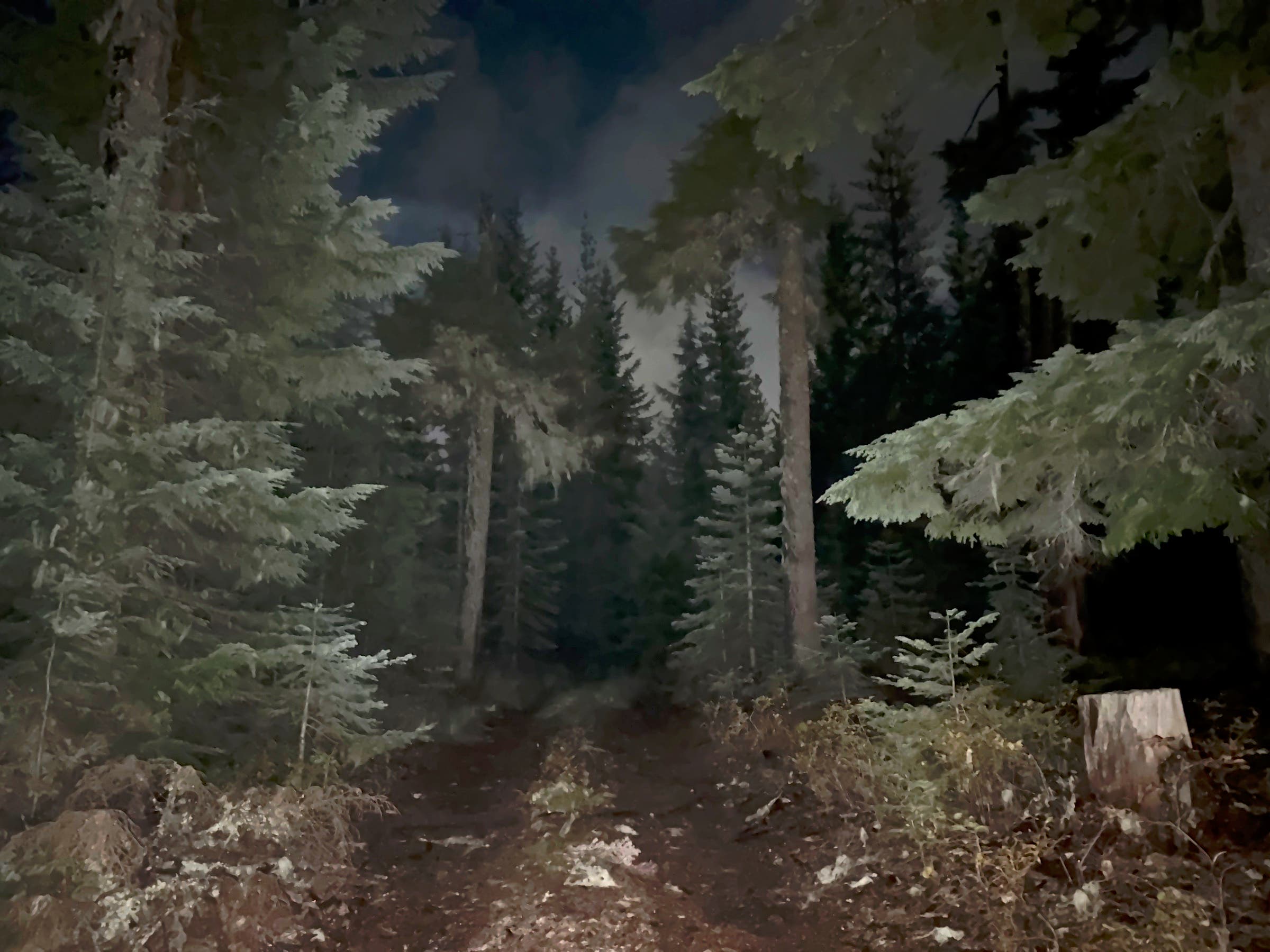
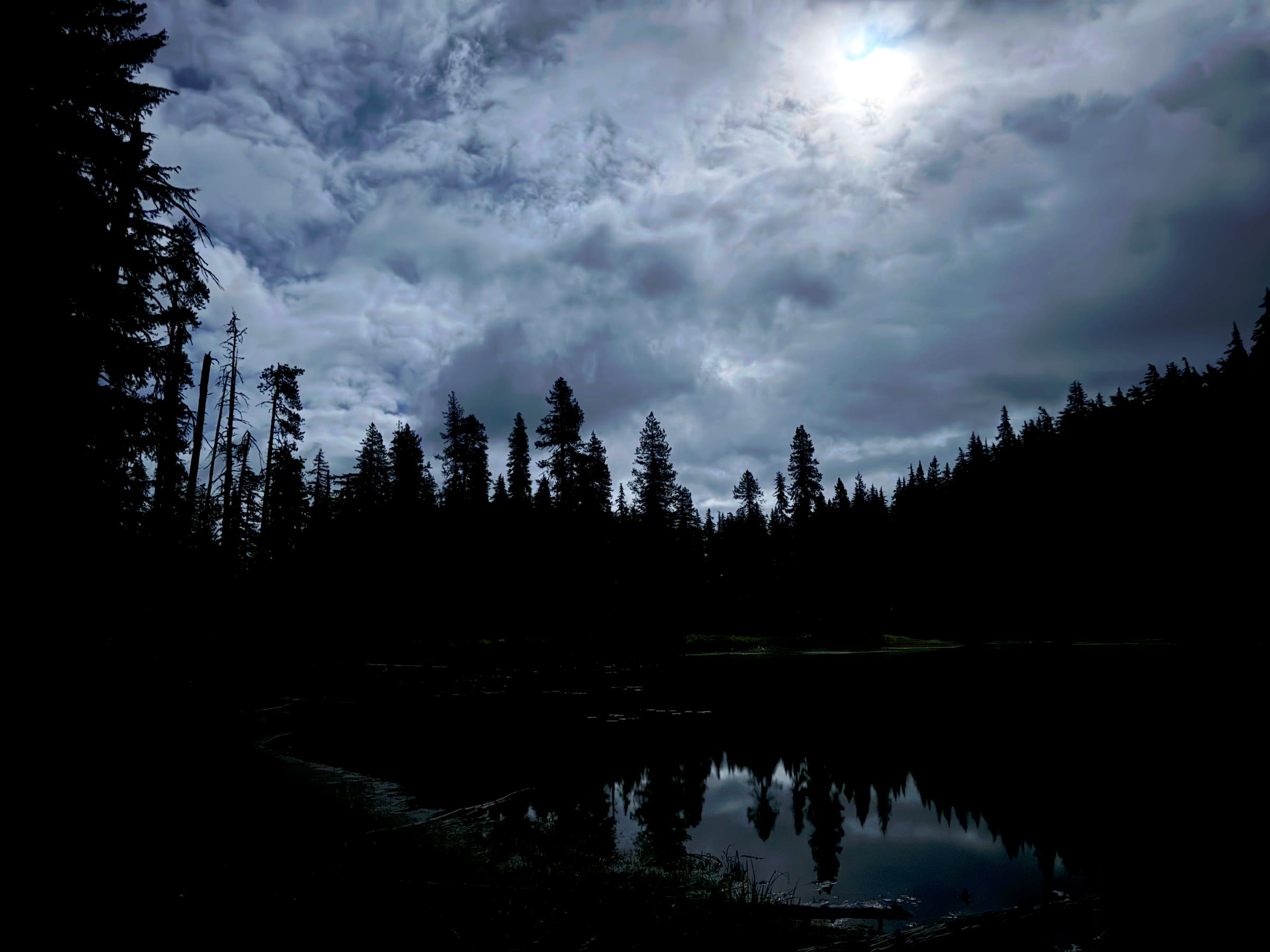
The Gifford Pinchot National Forest, a sprawling 1.3-million-acre expanse in southern Washington, has long served as more than just a destination for timber and recreation. It is a landscape defined by deep valleys, volcanic shadow, and a persistent, century-old cultural narrative: the existence of a reclusive, bipedal hominid known colloquially as Bigfoot or Sasquatch. While the scientific community remains largely skeptical, citing a lack of verifiable biological evidence, a dedicated group of researchers—the Pacific Northwest Bigfoot Search—has turned the hunt into a systematic, multi-year endeavor that merges wilderness survival with a modern pursuit of the unexplained.
A Chronology of Encounters and the Formation of a Group
The genesis of the current iteration of the Pacific Northwest Bigfoot Search can be traced back to a specific incident in July 2020. Kelly Stolp, an experienced outdoorsman with a background in military operations, was camping in a remote grove within the Gifford Pinchot when he reported hearing a series of guttural, high-decibel vocalizations and rhythmic, heavy bipedal footsteps near his tent. Stolp, who grew up on a massive Montana ranch and possessed extensive knowledge of North American wildlife, asserted that the sounds were inconsistent with any known predator, including grizzly bears or cougars.
Stolp’s account, initially shared only with close friends and colleagues, served as a catalyst. Mike Palagi, a fellow veteran with a background in defensive line football and military sniping, initially remained skeptical, attributing the phenomena to natural occurrences. However, a subsequent auditory encounter in the early hours of the following morning—which both men described as bipedal in nature—led them to document the event. By late 2020, the story had reached Tanner Hoskins, a security professional who, drawing on ancestral warnings regarding "hidebehinds" and regional folklore, formalized the research group. Over the next six years, the team expanded to include Alberto Quinones, creating a four-person unit that balances investigative curiosity with the rigors of high-altitude camping.
The Science of the Hunt: Methodology and Evidence
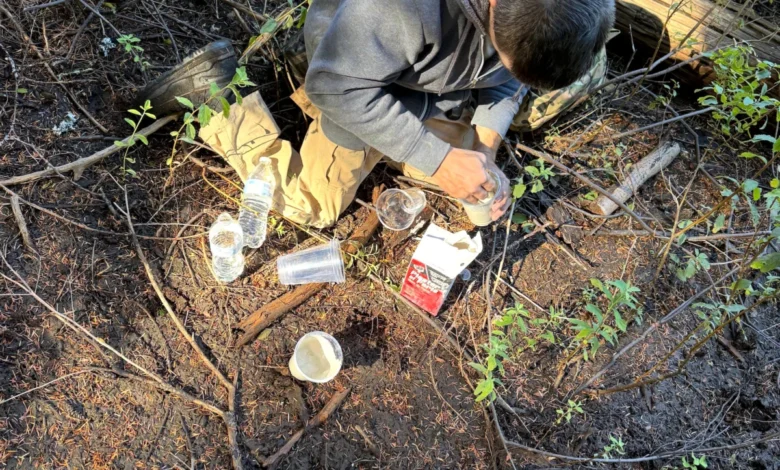
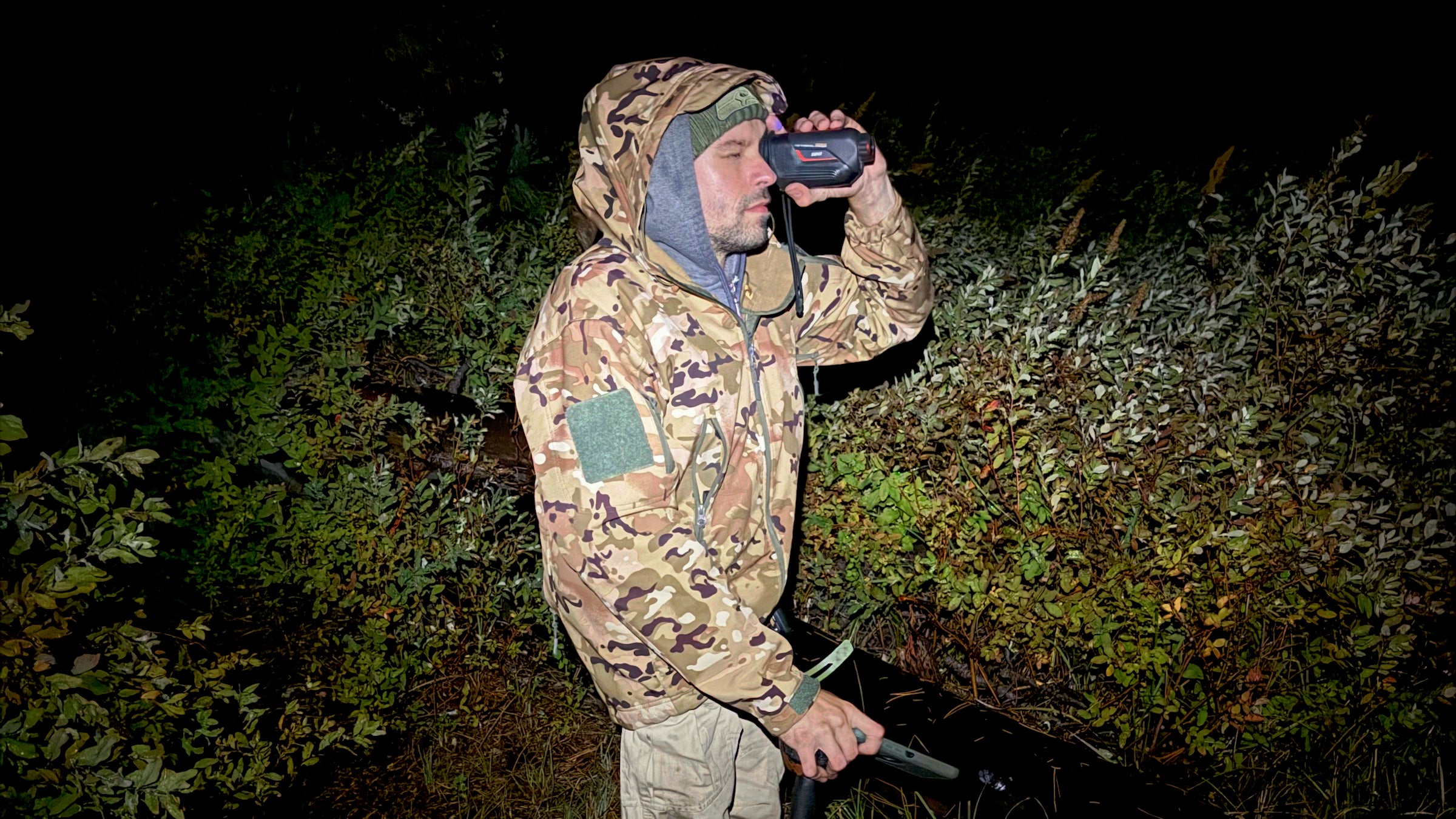
The Pacific Northwest Bigfoot Search operates on the intersection of field biology and amateur forensics. Their toolkit is extensive: thermal imaging scopes, aerial drones, high-fidelity audio recorders, and plaster casting materials for footprint analysis. Unlike casual enthusiasts, the group emphasizes a "debunk-first" approach. Before any evidence is considered potentially anomalous, they attempt to replicate it through human imitation or animal behavior analysis.
The group maintains an online repository of reports—287 since 2021—that includes sightings, vocalizations, and physical impressions. Their methodology is heavily influenced by the work of professional anthropologists like the late Grover Krantz and Jeffrey Meldrum, both of whom have historically argued that the consistent pattern of footprint reports across North America warrants academic investigation. Despite these efforts, the "holy grail" of the search remains a biological specimen. As Hoskins notes, the scientific standard for validation is a body, a requirement that keeps the group in a perpetual cycle of scanning, casting, and monitoring.
Broader Context: The Cultural and Legal Legacy of Sasquatch
The phenomenon is deeply embedded in the history of the Pacific Northwest. The term "Sasquatch" itself is an anglicized derivation of the Coast Salish word "Sasq’ets," representing a figure that exists as both a physical animal and a spiritual guide in Indigenous traditions. This cultural weight has manifested in unique ways within Washington state. Skamania County, for instance, passed an ordinance in the 1960s intended to protect the creature from harm, with penalties ranging from fines to jail time. While largely symbolic, the ordinance highlights the intersection of public policy and local mythology.
In the digital age, the interest has exploded. The Bigfoot subreddit currently claims nearly 300,000 members, and the proliferation of television docuseries such as Finding Bigfoot and Expedition Bigfoot has mainstreamed the topic. However, this popularity brings challenges. The group is forced to filter through a high volume of anecdotal "noise," necessitating a rigorous vetting process that prioritizes reports from individuals in occupations requiring high observational accuracy, such as law enforcement officers, loggers, and government field workers.
Expanding the Mission: The Missing Persons Project
Perhaps the most significant evolution of the group’s work is the launch of the Pacific Northwest Missing Persons Project. Following a 2021 request from the family of Glenn Austin Oldfield II, who disappeared in the forest in 2015, the team realized their search patterns were uniquely suited for finding evidence that traditional Search and Rescue (SAR) operations might overlook once a mission shifts from active rescue to cold-case recovery.
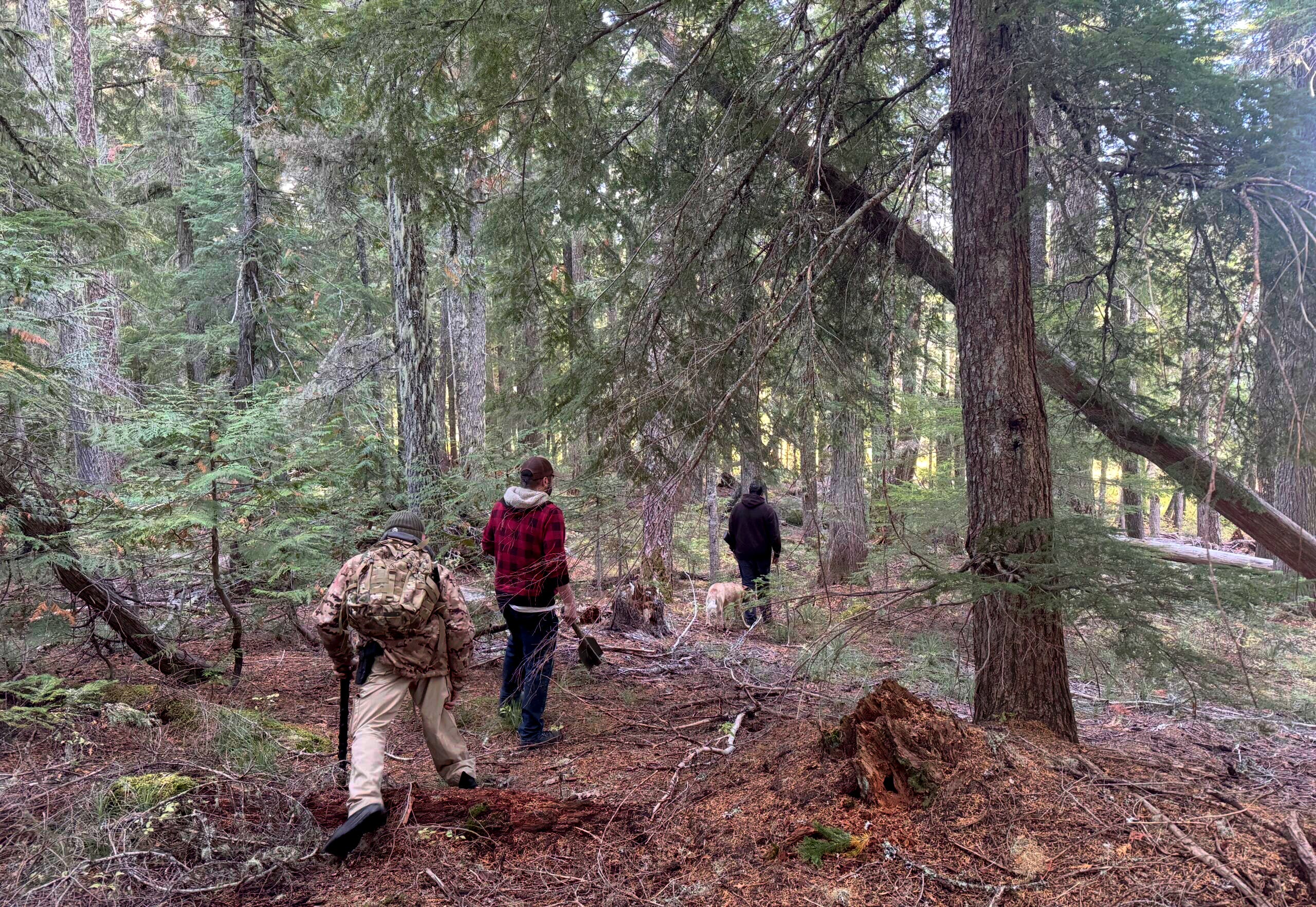
The project has since compiled a database of 500 missing individuals across Oregon, Washington, Idaho, Montana, and California. By applying the same systematic grid-searching techniques they use to look for prints, they have successfully assisted in identifying potential leads. Last autumn, the group discovered human remains during a search, currently pending official identification by law enforcement. This pivot toward humanitarian aid has provided the team with a structured purpose, transforming their weekend excursions from a mere hobby into a service that offers potential closure to families long ignored by traditional bureaucratic processes.
Sociological Implications: The Search for Connection
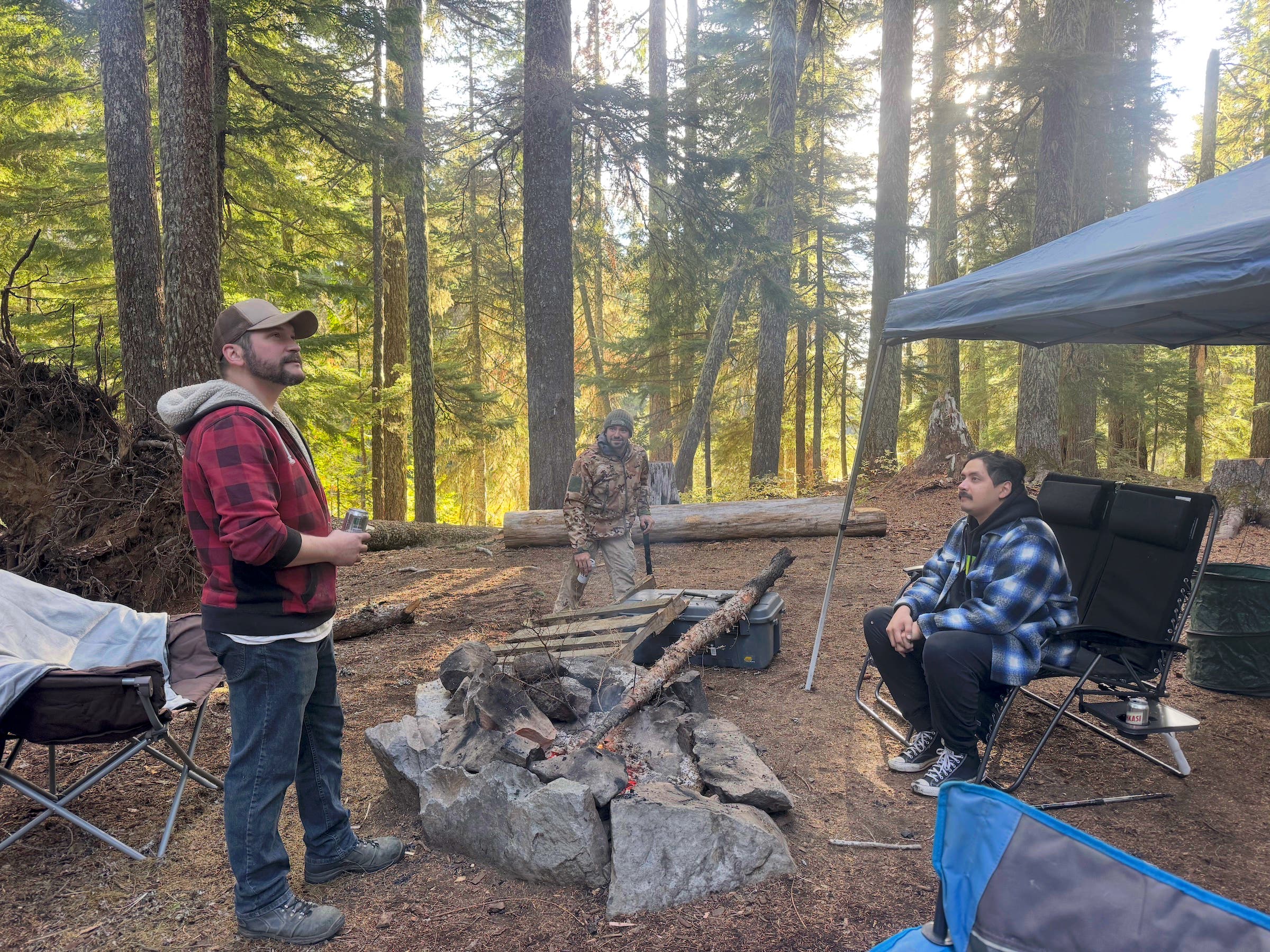
The significance of these expeditions extends beyond the pursuit of a cryptid. The members of the Pacific Northwest Bigfoot Search have openly discussed the "crisis of masculinity" and the mental health benefits of the wilderness. For participants like Hoskins, who was born with physical disabilities and denied entry into law enforcement, the forest offers a level playing field where his physical limitations are secondary to his navigational and observational skills.
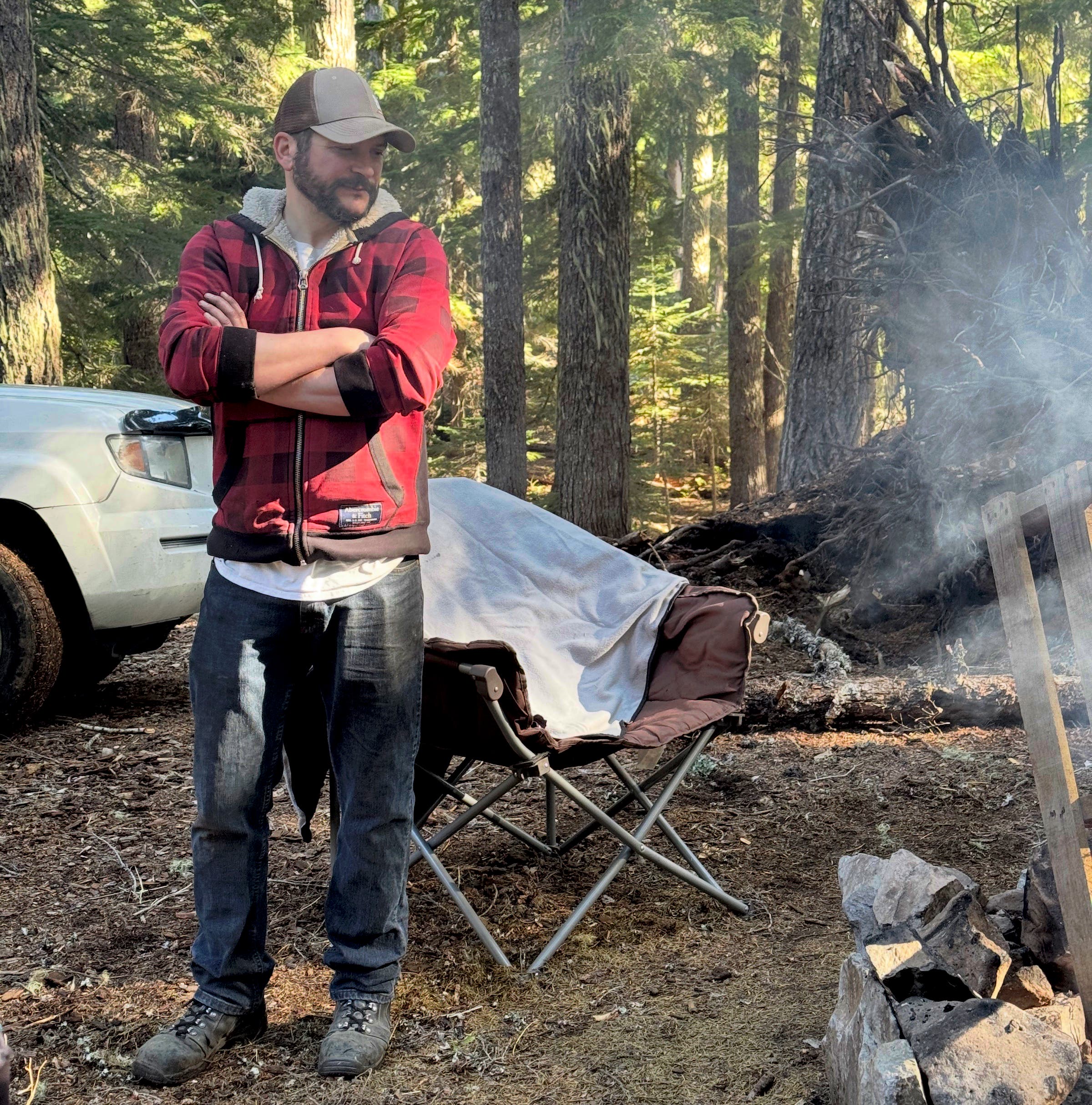
The campfire, in this context, serves as a psychological refuge. In an era dominated by hyper-connectivity and political polarization, these men find that the act of seeking the unknown provides a necessary space for vulnerability and camaraderie. The "weird energy" they describe in the forest is often less about the supernatural and more about the profound silence that occurs when human-made noise is stripped away.
Analysis of the Phenomenon
The durability of the Bigfoot narrative in the Pacific Northwest is not merely a result of gullibility, but a reflection of the human need for mystery in a mapped and GPS-tracked world. Statistically, the density of reports in areas like Ape Canyon or Skookum Meadows correlates with the high density of remote, unmonitored wilderness. While no definitive proof has emerged, the Pacific Northwest Bigfoot Search represents a shift in the field: from the isolated, eccentric "lone wolf" investigator to a community-based, organized effort that values accountability and documentation.
Whether or not the creature exists, the search has created a secondary impact: a volunteer-led effort that fills gaps in regional missing persons investigations. The group’s work suggests that even if the primary object of their search—a bipedal, forest-dwelling hominid—remains elusive, the secondary benefits of land stewardship, mental health support, and the provision of hope to grieving families are tangible outcomes.
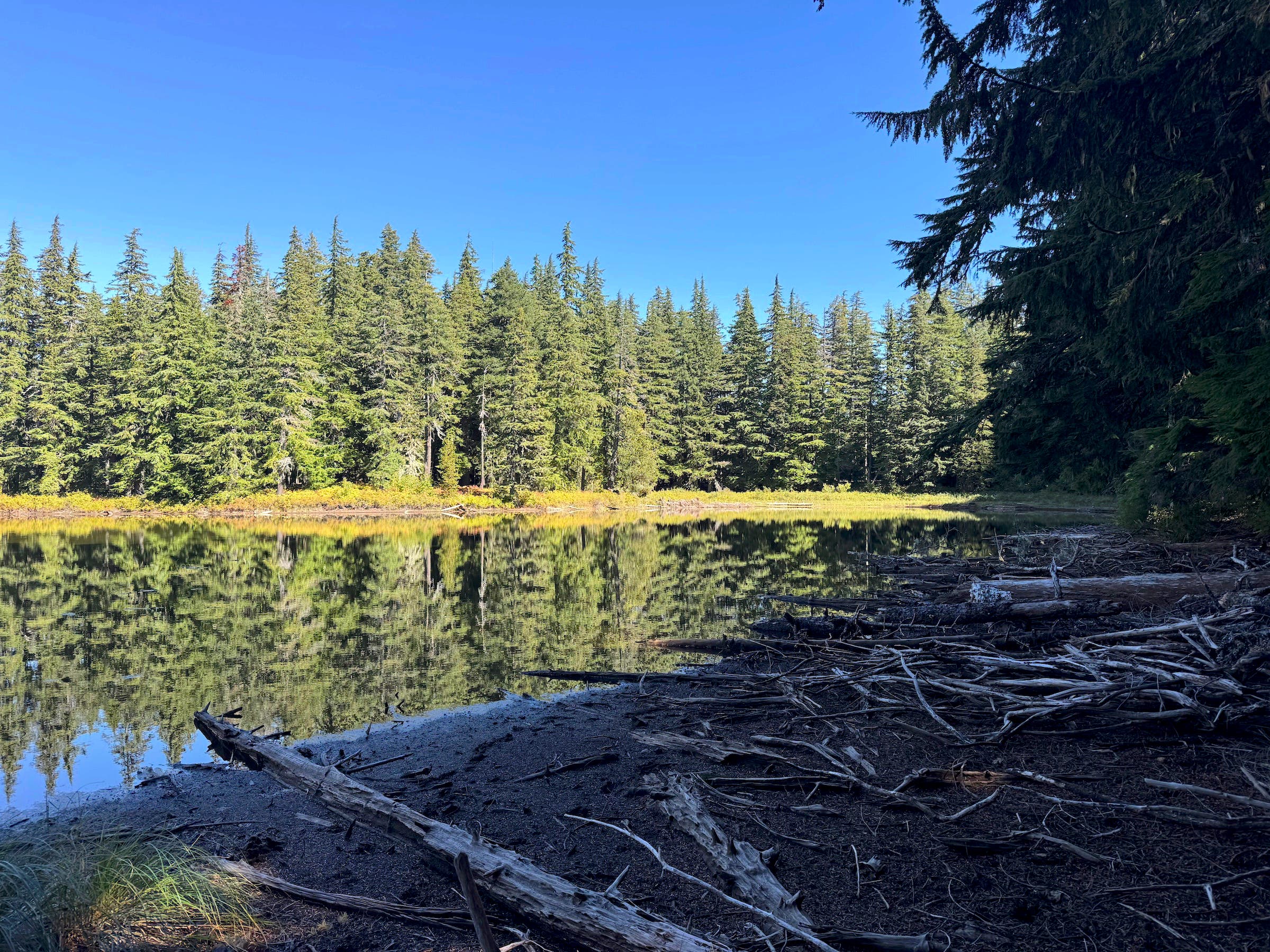
Ultimately, the team’s willingness to walk for miles, scan endless ridges, and endure the harsh elements of the Gifford Pinchot illustrates a fundamental human impulse. They are not just looking for a footprint in the mud; they are looking for evidence that the world is still capable of holding secrets, and that there is still room for discovery in the quiet, shadowed corners of the map.