Are Matthew McConaughey and Woody Harrelson actually brothers and how does their new Apple TV show address the rumor

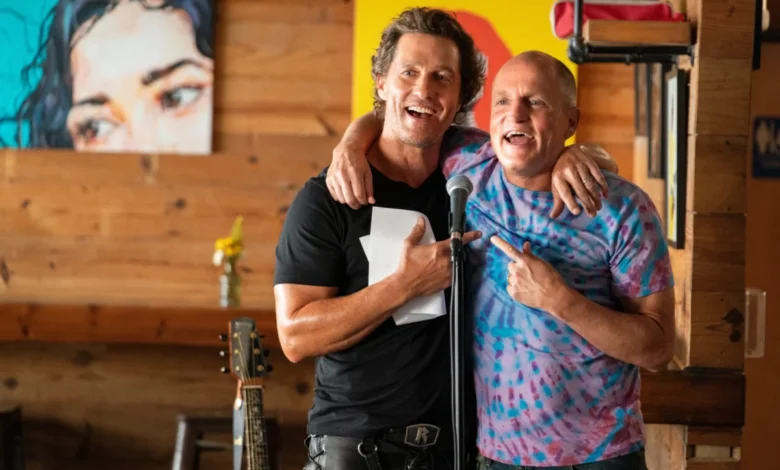
The long-standing professional camaraderie between Hollywood A-listers Matthew McConaughey and Woody Harrelson has transcended the silver screen to become a central subject of public intrigue. After decades of collaboration, the duo has entered a new phase of their partnership with the Apple TV+ comedy series Brothers, a project that leans into the blurred lines between reality and performance. The series, which marks their first on-screen reunion since the critically acclaimed 2014 HBO anthology series True Detective, uses the lingering question of their biological relationship as a comedic engine. The premise is rooted in a genuine, real-life revelation that emerged during a casual conversation, sparking a narrative that has since captivated audiences and media outlets alike.
The Origin of the Biological Inquiry
The foundation for this narrative shift began years ago during a family vacation in Greece. While the two actors have been close friends for over a quarter of a century—having first met on the set of the 1999 film EdTV—the nature of their relationship was called into question by an offhand remark from McConaughey’s mother, Mary Kathlene McCabe. According to Harrelson, McCabe disclosed that she had known his father during a period in which she was separated from McConaughey’s own father.
The implication was clear: the history between the two families may have been more intimate than either actor had previously realized. Harrelson described the moment as one of profound realization, noting that the ambiguity in McCabe’s tone—specifically her use of ellipses when describing her past acquaintance with his father—suggested that their connection could potentially be fraternal. This anecdotal evidence, while not scientifically verified, provided the creative spark for their latest venture.
Analyzing the Narrative Mechanics of Brothers
Brothers functions as a meta-fictional exploration of this uncertainty. By casting themselves as fictionalized versions of their public personas, McConaughey and Harrelson allow the audience to peer into a heightened, satirical version of their real-world dynamic. The show balances the dry, cynical wit often associated with Curb Your Enthusiasm with the warm, character-driven humor typical of modern family sitcoms like Schitt’s Creek.
The show serves a dual purpose: it acts as a vehicle for the actors’ established chemistry and provides a platform to address the speculation regarding their genealogy without confirming or denying the truth. By centering the plot on this uncertainty, the showrunners have successfully transformed a personal family rumor into a high-concept commercial product. The critical reception of the series has highlighted this meta-narrative as its strongest asset, allowing the actors to play against their own public images.
The Stance of the Principals
Despite the show’s premise, the actors remain divided on the necessity of confirming the biological facts. Matthew McConaughey has been vocal about his apprehension regarding the potential outcome of a DNA test. While acknowledging that the rumor originated from his mother, he has maintained a skeptical distance from the claim. His hesitation is grounded in the potential for a fundamental shift in their dynamic. As McConaughey noted during recent press appearances, the ambiguity provides a level of depth to their friendship that a definitive "yes" or "no" could dismantle.
Conversely, Harrelson has expressed a more open attitude toward exploring the truth, though he remains subject to the limitations of their joint decision-making process. The tension between their two approaches—McConaughey’s preference for the mystery and Harrelson’s curiosity—has become a recurring theme in their interviews. The implication is that for both men, the status of their friendship is currently more stable and rewarding than the potential complications of a biological revelation.

Contextualizing the Professional Partnership
To understand the weight of this collaboration, one must look at the trajectory of their careers. Their professional association began with EdTV, a film that explored the consequences of reality television long before the genre reached its current ubiquity. However, it was their collaboration on True Detective that solidified their status as a quintessential acting duo. The series, which garnered significant critical acclaim and multiple awards, showcased the contrasting acting styles of the two men—McConaughey’s intense, philosophical brooding juxtaposed against Harrelson’s grounded, pragmatic approach.
Since the conclusion of the first season of True Detective in 2014, the industry has awaited a project that could adequately leverage their combined screen presence. Brothers arrives at a time when the streaming landscape is increasingly reliant on "star-driven" content. The project effectively bridges the gap between prestige drama and lighthearted comedy, marking a significant milestone in their long-standing partnership.
Industry Implications and Audience Engagement
The release strategy for Brothers reflects the current standard for high-profile streaming series. With an eight-episode run, the show has utilized a weekly release schedule to build consistent engagement. This model, which stands in contrast to the "binge-drop" method, allows for a prolonged period of discourse regarding the plot, the underlying rumors, and the performances.
Data suggests that the marketing campaign for the show has leaned heavily on the "brotherly" angle, utilizing social media and late-night talk show appearances to maintain the public’s focus on the real-life question of their parentage. This synergy between marketing and content is a hallmark of contemporary media production, where the personal lives of the performers are used as a hook to draw in viewers.
Chronology of the Season
The season, which premiered on September 23, has maintained a steady pace of storytelling. The following is the release schedule that has guided the audience through the first season:
- Episode 1, "On the Road": Released September 23. This episode established the premise and the initial investigation into the family history.
- Episode 2, "The Hunt": Released September 23. Focused on the procedural elements of their search for answers.
- Episode 3, "Little Woody": Released September 30. Delved deeper into the childhood memories of the protagonists.
- Episode 4, "The Band": Released October 7. Shifted focus toward their shared creative past.
- Episode 5, "Valentine’s Day": Released October 14. Explored the complexities of their interpersonal relationships.
- Episode 6, "The Dance": Released October 21. A stylistic departure that highlighted the show’s comedic range.
- Episode 7, "The Interview": Released October 28. Served as the penultimate setup for the season finale.
- Episode 8, "On the Road Again. Again": Scheduled for release on November 4 (early access available November 3). This finale is expected to provide a resolution, or at least a thematic conclusion, to the season’s core inquiry.
Conclusion: The Future of the Mystery
As the inaugural season of Brothers nears its conclusion, the central question remains: will the audience receive a definitive answer? Current evidence suggests that the ambiguity is intentional. By maintaining the mystery, the show preserves its narrative engine. Whether or not the actors eventually choose to pursue genetic testing, the project has already succeeded in its primary goal: to capitalize on the unique and enduring bond between two of Hollywood’s most recognizable figures.
The broader impact of this show is the normalization of the "meta-biographical" series, where the boundaries of celebrity identity are intentionally blurred for entertainment. As the series concludes, the focus will likely shift to whether a second season will be commissioned, potentially opening new avenues for the duo to explore the, perhaps, unsolvable nature of their shared history. For now, the audience is left with the same uncertainty that the stars themselves claim to navigate, keeping the narrative alive in the public consciousness.