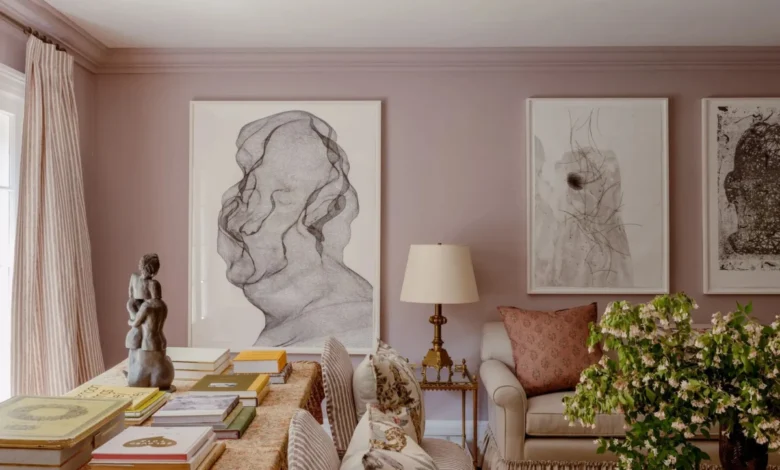
The decision to incorporate vintage lighting into a residential space represents a departure from the convenience of mass-market, impulse-driven consumerism. Rather than relying on standard fluorescent task lamps or ubiquitous flush-mount fixtures, homeowners and designers are increasingly turning to curated vintage pieces to anchor their interiors with historical context. This shift reflects a broader trend in interior design, where the provenance, materiality, and aesthetic pedigree of an object are prioritized over simple utility. Whether sourcing a midcentury modern silhouette, an ornate Art Deco base, or a streamlined Hollywood Regency sconce, the selection of vintage lighting serves as a testament to deliberate interior curation.
The Evolution of the Vintage Lighting Market
The market for vintage lighting has undergone significant maturation over the past two decades. Historically, such pieces were relegated to estate sales, local antique fairs, or specialized auction houses. However, the rise of digital marketplaces has democratized access to these items, allowing enthusiasts to source rare midcentury artifacts from international dealers with relative ease. This digital transition has not only increased supply-side accessibility but has also standardized pricing models for iconic designs by figures such as Charlotte Perriand, Carlo Nason, and Isamu Noguchi.
Data indicates that the resale value of authenticated vintage lighting has remained resilient, often outperforming newer, mass-produced counterparts. For collectors, the appeal lies in the intersection of durability and timeless design. Unlike modern disposable lighting, which often relies on synthetic components and short-lived electrical systems, vintage fixtures were frequently engineered with high-quality metals, hand-blown glass, and artisanal ceramics.
Primary Retailers and Sourcing Strategies
For those looking to integrate these pieces into a home, identifying the correct channel is essential. Each major marketplace offers a distinct value proposition based on the buyer’s specific goals.
1stDibs: The Gold Standard for Provenance and Rarity
1stDibs remains the industry leader for sourcing high-end, authenticated antiques and midcentury masterpieces. The platform is widely utilized by professional interior designers to secure "hero" pieces for high-profile projects. The value of 1stDibs lies in its rigorous vetting process and the ability to find items with documented histories. For example, acquiring a 1960s-era Gelato lamp by Carlo Nason or a period-correct wall sconce by Charlotte Perriand carries a level of assurance that is difficult to replicate on more casual platforms. For the serious design enthusiast, the catalog serves as an essential archive of 20th-century decorative arts.
Etsy: The Hub for Keyword-Driven Discovery
Etsy has evolved from a craft marketplace into a powerful engine for vintage sourcing. It is particularly effective for buyers who are searching for a "vibe" or a specific aesthetic—such as "Art Deco desk lamp" or "ginger jar lamp"—rather than a specific designer model. Because the platform allows independent sellers from around the world to list their inventory, it often provides a more competitive price point compared to curated antique sites. Recent market trends show that buyers are frequently sourcing pieces from European vendors, capitalizing on the broader availability of regional European design styles in countries like the UK, Italy, and Slovenia.
eBay: The Repository for "Sleeper" Hits
eBay continues to function as the ultimate repository for vintage lighting that may have slipped through the cracks of more specialized markets. Its immense backlog makes it the primary location for finding "sleeper" hits—items that are undervalued or mislabeled by sellers. The platform is ideal for those seeking specific, niche items like vintage Noguchi paper lamps, Chinoiserie ceramics, or classic industrial designs. Because the platform relies heavily on individual listings, it rewards the diligent researcher who is willing to navigate vast amounts of inventory to find a rare, well-priced gem.
The Role of Reissues in Modern Design
While vintage enthusiasts often prioritize the "original" production, the market for licensed reissues has grown substantially. Companies such as Design Within Reach (DWR) have successfully bridged the gap between historical design and modern functionality. By collaborating with original manufacturers, brands like DWR bring iconic pieces back into production, often with upgraded, energy-efficient components that meet modern safety standards.
Notable reissues include:
- The Panthella Table Lamp (1971): Originally designed by Verner Panton, this piece remains a cornerstone of Danish modern design.
- The Nelson Cigar Lotus Floor Lamp (1952): A staple of the Herman Miller collection, demonstrating the enduring appeal of George Nelson’s experimental material usage.
- The Nessino Table Lamp (1967): A definitive icon of the Space Age era, reissued by Artemide.
These reissues offer a pragmatic solution for consumers who desire the aesthetic impact of a mid-century classic but prefer the reliability and warranty of a new product.
Restoration and Sustainability: The Rejuvenation Model
A significant segment of the market is now driven by sustainability initiatives. Retailers such as Rejuvenation have established dedicated restoration studios, employing teams of artisans to recover and refurbish thousands of antique fixtures annually. This initiative serves a dual purpose: it prevents high-quality objects from entering landfills and preserves the craftsmanship of past eras. By cleaning, rewiring, and repairing vintage brass, nickel, and ceramic lamps, these retailers allow for a "circular economy" in home decor, where the environmental cost of manufacturing new goods is mitigated by the reuse of existing materials.
Analysis: Implications for Interior Design
The resurgence of vintage lighting signifies a broader rejection of the "fast furniture" cycle. As consumers become more environmentally conscious and design-literate, the demand for items that tell a story—or possess a history—has increased.
From an economic perspective, the vintage market has matured into a stable asset class. Iconic lamps are no longer viewed merely as functional home accessories but as pieces of art that hold their value over time. Furthermore, the integration of technology—specifically the ability to instantly search global inventories—has lowered the barrier to entry for novice collectors.
However, prospective buyers must remain vigilant. The proliferation of "vintage-inspired" items, which are mass-produced to mimic the aesthetic of the past, can confuse the market. True vintage pieces are defined by their materials, their construction techniques, and their historical context. As the market continues to expand, the role of transparent, reputable retailers and marketplaces becomes even more critical in ensuring the authenticity and preservation of these artifacts.
Conclusion
Whether one chooses to source an authentic, period-correct artifact from 1stDibs, a lucky find from the depths of eBay, or a high-quality reissue from a heritage brand, the choice to prioritize vintage lighting is a commitment to quality and longevity. As home decor continues to reflect a blend of personal narrative and historical appreciation, the vintage lamp will remain an indispensable tool for creating a space that feels intentional, curated, and timeless. By moving away from the ephemeral nature of the modern retail cycle, homeowners can invest in pieces that not only illuminate a room but also anchor it in the rich, evolving history of design.