The Essential Gear and Fitness Philosophy of Bear Grylls for High-Performance Survival

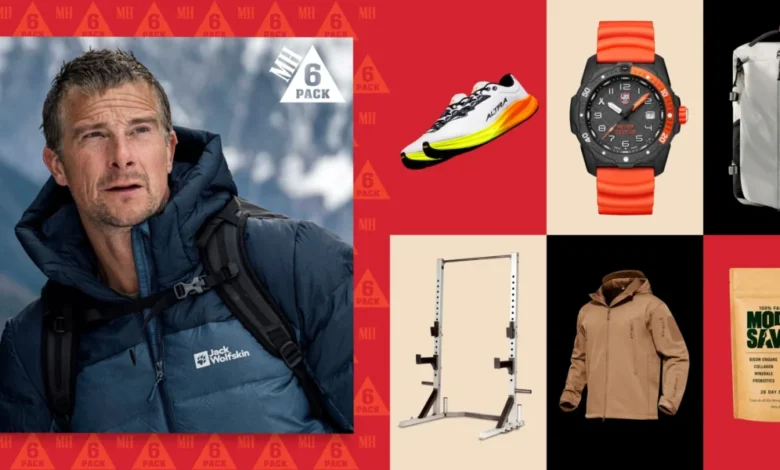
The name Bear Grylls has become synonymous with extreme survival, remote expeditions, and the rigorous physical demands of navigating the world’s most inhospitable environments. While his televised exploits often focus on the psychological fortitude required to persist in the wild, the underlying reality of his success is built upon a meticulous approach to equipment, nutrition, and training. For the former British Special Forces soldier, gear is not merely a collection of accessories; it is an extension of his survival strategy, designed to withstand the brutal conditions of the wilderness while maintaining the efficiency required for peak physical performance.
The Foundation of Movement: Footwear and Biomechanics
Central to Grylls’ philosophy is the necessity of maintaining natural biomechanics, even when traversing treacherous terrain. His preference for zero-drop footwear with a wide toe box, exemplified by the Altra Torin 9, reflects a broader trend in athletic performance that prioritizes the foot’s natural interaction with the ground.

In survival scenarios, the stability of one’s gait is a primary defense against injury. Standard running shoes often feature an elevated heel, which can alter the center of gravity and inhibit the stabilizing muscles of the ankle and foot. By opting for a zero-drop platform—where the heel and forefoot are at the same distance from the ground—Grylls ensures that his feet land in a more neutral, stable position. The inclusion of a wide toe box allows for natural toe splay, which is critical for maintaining balance on uneven, loose, or wet surfaces. When combined with an aggressive, high-traction rubber outsole, this footwear choice transforms from a simple athletic preference into a vital component of terrain navigation.
Logistics of Expedition Fitness
A common misconception regarding extreme exploration is that the environment itself provides sufficient physical training. However, Grylls maintains that consistent, structured resistance training is the only way to ensure the body remains capable of enduring the repetitive stress of carrying heavy loads over long distances.
To maintain this standard during international production schedules, Grylls has standardized his logistical approach to gym equipment. He frequently utilizes portable, high-utility equipment such as the CAP Deluxe Power Rack. This piece of gear serves as the anchor for a comprehensive strength program, allowing for squats, overhead presses, and pull-ups—movements that engage multiple muscle groups simultaneously.

The strategy behind this is rooted in the "functional fitness" paradigm. By focusing on compound movements rather than isolation exercises, Grylls prepares his body for the real-world physical demands of his work, such as hauling gear, climbing, and emergency maneuvering. The decision to donate such equipment to local communities following his departure is not only a charitable act but a logistical necessity, as it reduces the carbon footprint and transport complications of moving heavy iron across international borders.
Utility and Durability: The Carry Systems
The evolution of outdoor gear has seen a significant shift toward lightweight, high-tenacity materials, and Grylls’ selection of the On Speed Pack 30L highlights this transition. For a survival expert, the backpack is the mobile headquarters. Modern packs must bridge the gap between technical outdoor utility and modern functionality, such as the inclusion of dedicated laptop sleeves alongside external water bottle storage and load-bearing straps.
The requirement for durability in such equipment is absolute. During an expedition, gear failure is not just a nuisance; it is a potential liability. The emphasis on high-denier fabrics and reinforced stitching allows for the secure transport of critical survival tools, medical supplies, and communications equipment, even when the pack is subjected to abrasive environmental conditions.

Nutritional Standards in Extreme Environments
Nutrition remains the most complex challenge for those operating in the field. The human body requires a delicate balance of macronutrients and micronutrients to sustain high output, particularly in cold or high-altitude environments where metabolic demands increase exponentially.
Grylls’ introduction of the Modern Savage Daily Blend reflects a holistic approach to field nutrition. By combining protein, fiber, and probiotics, the supplement aims to maintain gut health and muscle recovery, two areas that often suffer during prolonged periods of erratic eating and physical stress. The inclusion of grass-fed organ meats is particularly notable; organ meats are among the most nutrient-dense foods available, providing essential vitamins such as B12, iron, and choline that are difficult to synthesize in a laboratory setting or obtain through standard energy bars. This shift toward "ancestral" nutrition reflects a growing recognition that high-performance survival requires more than just caloric intake—it requires bioavailable fuel that supports long-term metabolic health.
Chronology of Gear Development and Professional Integration
The integration of these specific brands and tools into Grylls’ workflow has been a gradual process of refinement spanning over two decades of professional adventure.

- Early Career (2000–2005): Grylls relied on heavy-duty, military-surplus equipment. While durable, the weight-to-utility ratio was suboptimal for rapid movement.
- Expansion Phase (2006–2012): As his production needs grew, the focus shifted toward "fast and light" gear. This period saw the first collaborations with manufacturers to develop specialized outdoor tools that could withstand specific environmental stressors.
- Modern Era (2015–Present): The current focus is on sustainability and multi-purpose functionality. Gear is now selected not only for its performance but for its modularity and the ethical standards of the manufacturer, as evidenced by his partnership with Luminox, which aligns with his support for military charities.
The Significance of the Luminox Partnership
The choice of a Luminox watch is representative of the intersection between professional requirements and personal values. For a former Special Forces operator, a watch is a non-negotiable tool for navigation, timing, and communication coordination. Luminox is known for its proprietary light-emitting technology, which provides constant visibility without the need for an external light source—a critical feature for night operations.
However, the collaboration also highlights the role of corporate social responsibility in the modern survival industry. By aligning with a brand that supports military charities, Grylls leverages his public platform to provide tangible benefits to veteran communities. This underscores a broader trend where high-profile figures in the fitness and outdoor space are increasingly choosing partnerships that extend beyond product endorsement into active social engagement.
Technical Apparel: The Case for Modular Layers
The tactical waterproof jackets often favored by Grylls serve as the final line of defense against hypothermia and environmental exposure. The use of microfleece linings within a hard-shell exterior provides a necessary balance of thermal regulation and moisture management.

In survival, moisture is the enemy. If sweat becomes trapped against the skin in freezing conditions, the risk of heat loss increases rapidly. Therefore, the choice of a jacket is dictated by its breathability ratings and its ability to shed water externally while allowing internal moisture to escape. The inclusion of multiple, strategically placed pockets serves a dual purpose: it allows for the rapid retrieval of essential tools like fire starters, compasses, or signal mirrors without having to remove the pack, thereby maintaining the wearer’s thermal envelope.
Broader Implications for Fitness and Outdoor Industry
The gear and strategies employed by Bear Grylls provide a roadmap for the broader fitness community, demonstrating that professional-grade performance is not the exclusive domain of the elite athlete. By adopting the principles of natural movement, functional strength, and nutrient-dense supplementation, the average outdoor enthusiast can significantly enhance their safety and capability.
Furthermore, the emphasis on durability and the "buy it for life" mentality represents a necessary pushback against the disposable culture of modern consumerism. In an industry where gear is frequently updated for aesthetic rather than functional reasons, the reliance on field-tested, repairable, and multi-functional equipment serves as a reminder that the most effective gear is that which can be trusted under the most unforgiving circumstances.

As the outdoor and fitness sectors continue to evolve, the influence of figures like Grylls will likely remain a guiding force. His approach demonstrates that success in the wild—and in life—is rarely the result of a single piece of high-tech equipment, but rather the cumulative result of disciplined training, strategic planning, and the intelligent application of the right tools for the job. Whether for a professional adventurer or a weekend hiker, the core message remains consistent: prepare for the worst, prioritize your mechanics, and ensure that your gear is as resilient as the spirit required to use it.
Related posts: