United Airlines Expands Global Reach with New Long-Range Fleet Additions and Strategic Route Network Adjustments


United Airlines has officially announced a sweeping update to its international and transcontinental route networks, leveraging the introduction of advanced, long-range narrowbody aircraft to reshape how passengers traverse continents. The carrier’s strategic shift centers around the deployment of modern fuel-efficient jets capable of flying deep into international territories previously unserviceable by smaller aircraft. This move not only redefines United’s operational capabilities but also alters the competitive landscape for major carriers operating out of North America.
The announcement, made public in late 2026, reflects a multi-year fleet modernization and route optimization plan. By integrating cutting-edge aircraft types—specifically long-range variants designed for transatlantic and transcontinental efficiency—United aims to capture growing demand in secondary and tertiary markets while maintaining high-frequency service on primary trunk routes. Industry analysts view this maneuver as a decisive step in post-pandemic aviation strategy, where flexibility, passenger comfort, and fuel economy dictate profitability.
Fleet Evolution and Technological Integration
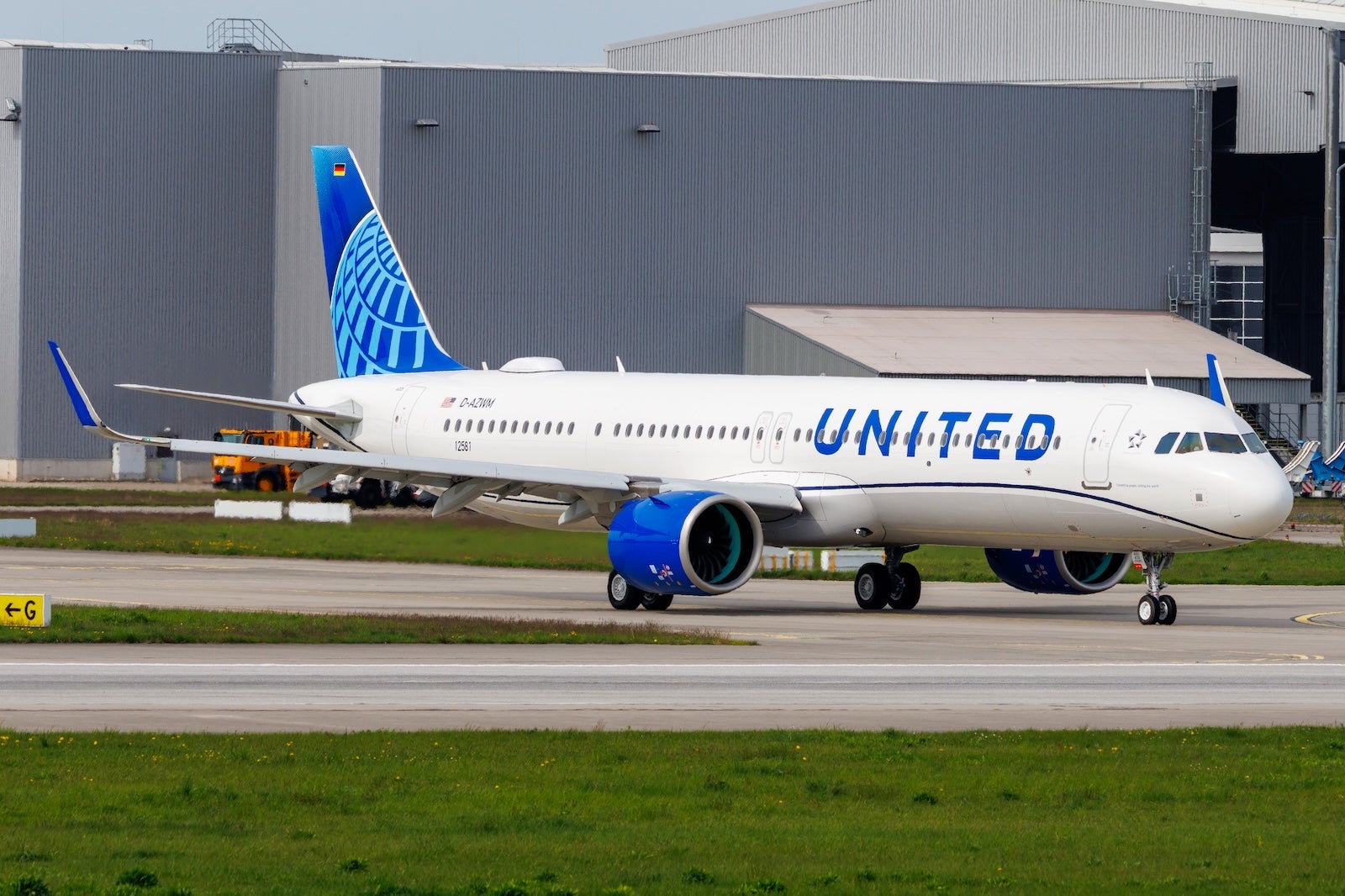
At the heart of United Airlines’ network expansion is the integration of next-generation aircraft. The airline has steadily incorporated new fuel-efficient jets into its pipeline, designed to bridge the operational gap between traditional narrowbody domestic workhorses and massive, widebody international flagships. These advanced aircraft feature extended range capabilities, allowing them to traverse oceans with smaller passenger capacities, thereby lowering the risk threshold for opening new, non-stop city pairs.
The technical specifications of these new additions represent a significant leap forward in commercial aviation. Equipped with high-bypass turbofan engines and advanced aerodynamic winglets, the aircraft deliver substantial reductions in fuel burn and carbon emissions compared to older widebody models like the Boeing 767 or early-generation Boeing 777s. For United, this means lower per-seat operating costs on long, thin international routes that might not sustain the passenger volume of a widebody aircraft.
Furthermore, the passenger experience onboard these narrowbody long-haul jets has been heavily customized to match the standards of widebody international travel. Travelers can expect fully flat-bed aisle-access seats in United Polaris business class, premium economy seating, and enhanced economy cabins equipped with high-speed satellite-based Wi-Fi, personal touch-screen seatback entertainment systems, and expansive overhead bin storage. This parity in comfort ensures that passengers flying from smaller regional hubs to global capitals experience a seamless transition regardless of the aircraft size.
Chronology of the Route Expansion Strategy
The path to United’s current network overhaul began years prior, taking shape through a series of calculated fleet orders and regulatory milestones. Understanding the timeline of this transformation highlights the deliberate and methodical approach the airline has taken to dominate international corridors.
In the late 2010s, as aerospace manufacturers began conceptualizing and marketing long-range narrowbody aircraft, United recognized the potential disruption these planes could cause in legacy hub-and-spoke models. While legacy carriers traditionally relied on funneling passengers through mega-hubs like Chicago O’Hare, Newark Liberty, and San Francisco International, the new jets offered a viable alternative: point-to-point international travel.
By 2021 and 2022, United finalized substantial order books for these extended-range aircraft, positioning itself at the forefront of the narrowbody revolution. Throughout 2023 and 2024, the airline worked closely with aviation authorities to secure necessary certifications for extended twin-engine operations (ETOPS), a critical regulatory hurdle required for single-aisle aircraft to cross expansive bodies of water safely.
By 2025, initial proving runs and domestic introductory flights allowed United’s flight crews and maintenance teams to familiarize themselves with the new platform. As the fleet grew in size throughout 2026, the airline transitioned from localized testing to full-scale deployment, culminating in the current comprehensive schedule rollout that connects numerous North American origins with European destinations and beyond.
Strategic Implications for the Transatlantic Market
The introduction of these long-range operations fundamentally alters the economics of transatlantic aviation. Historically, airlines needed a baseline of high-yield corporate travelers and robust tourist demand to justify the deployment of a widebody aircraft to Europe. If a route failed to fill 250 to 300 seats consistently, the airline faced steep financial losses.
With the new narrowbody additions, that break-even passenger threshold drops significantly. United can now profitably operate flights with seating capacities hovering around 150 to 180 passengers. This capability enables the carrier to launch non-stop services connecting North American mid-sized markets directly to European financial and cultural centers, bypassing congested mega-hubs entirely.
Passengers traveling from secondary U.S. cities no longer need to endure multi-leg journeys involving domestic connections and crowded terminal transfers before embarking on an international leg. Instead, travelers can board a single aircraft in their home market and fly directly overseas. This convenience is expected to siphon substantial market share away from competing carriers that rely heavily on connecting traffic through traditional European or domestic hubs.
Competitors within the Star Alliance and rival alliances are closely monitoring United’s trajectory. While some rival airlines have experimented with similar point-to-point narrowbody strategies, United’s aggressive scale and deeply integrated hub network give it a distinct advantage in feeding connecting regional traffic into these new international departures.
Economic and Environmental Considerations
In an era defined by heightened corporate scrutiny regarding carbon footprints and volatile jet fuel prices, United’s strategic deployment of fuel-efficient aircraft addresses two major operational challenges simultaneously.
Aviation sector analysts point out that fuel typically represents one of the single largest variable expenses for any commercial airline. By replacing aging, fuel-hungry widebody aircraft or routing multi-leg itineraries through congested hubs, United is achieving notable fuel savings. The modern engines powering these new jets burn significantly less fuel per seat-mile, translating directly into enhanced operating margins even during periods of elevated crude oil prices.
From an environmental perspective, the deployment aligns with United’s stated long-term sustainability goals. The airline has invested heavily in sustainable aviation fuel (SAF) and modernizing its fleet to reduce greenhouse gas emissions. While zero-emission commercial flight remains a distant horizon, operating new-generation narrowbody aircraft on long-range routes delivers an immediate, measurable reduction in carbon output per passenger compared to older legacy aircraft.
Industry and Expert Reactions
Aviation economists and industry consultants have responded to United’s network expansion with cautious optimism, noting that while the operational model is sound, execution will be key.
"United is executing a playbook that maximizes asset utilization," said a prominent aviation market analyst who requested anonymity due to ongoing advisory roles with carriers. "By matching the right-sized aircraft to thin international routes, they are unlocking revenue pools that were previously economically unviable. However, maintaining high dispatch reliability and managing maintenance schedules for these heavily utilized single-aisle planes will require precise logistical execution."
Corporate travel managers have also welcomed the announcement. Many businesses operating out of secondary markets have expressed enthusiasm over the prospect of direct corporate access to European markets without the friction of hub connections. This reduction in travel time not only cuts down on employee fatigue but also enhances productivity for regional business travelers.
Conversely, airport operators in secondary markets are racing to upgrade customs, border protection, and gate infrastructure to handle the influx of international arrivals and departures. Several municipal airports that previously handled only domestic narrowbody traffic have initiated terminal expansion projects to accommodate the rigorous security and processing requirements associated with international flights.
Looking Ahead: The Future of Point-to-Point Global Travel
As United Airlines integrates these new aircraft and route adjustments into its permanent schedule, the broader aviation industry stands at a crossroads. The success of this initiative is likely to accelerate fleet transformation plans across competing major airlines, prompting a broader industry-wide migration toward versatile, long-range single-aisle operations.
For travelers, the era of mandatory hub connections for international travel is steadily receding. United’s strategic maneuver signals a future where global mobility is increasingly decentralized, efficient, and tailored to the specific demands of modern passengers. As the airline continues to monitor performance metrics and passenger booking trends across these newly established corridors, further route announcements and frequency adjustments are widely anticipated in the coming quarters.