Minnesota Vikings complete blockbuster trade to bring veteran quarterback Kirk Cousins back to Minneapolis

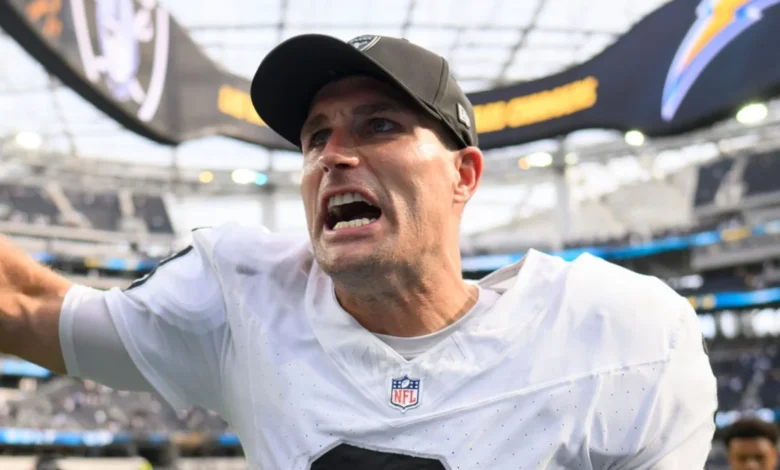
The Minnesota Vikings have officially executed a major trade to bring veteran quarterback Kirk Cousins back to the franchise, sending a 2027 third-round pick to the Las Vegas Raiders in a move designed to stabilize their struggling offense. The acquisition marks a reunion for the 38-year-old signal-caller and the organization where he spent six productive seasons between 2018 and 2023. This high-profile transaction, confirmed late Tuesday, arrives at a critical juncture for the Vikings, who are looking to salvage a season that began with promise but has recently stalled due to catastrophic instability at the quarterback position.
The deal sees the Raiders parting ways with the veteran in favor of fully committing to their future. With Cousins headed back to the NFC North, the Las Vegas front office has confirmed that 2026 No. 1 overall draft pick Carlos Mendoza will be elevated to the starting role immediately. The draft capital headed to Las Vegas—a third-round selection in 2027—was originally acquired by Minnesota as part of a strategic trade with the Philadelphia Eagles involving edge rusher Jonathan Greenard earlier this spring.
A Chronology of Instability: The Post-Cousins Era
To understand the urgency of this trade, one must look at the turbulence the Vikings have endured since Cousins’ initial departure in 2024. After a long-term tenure in Minnesota, Cousins entered free agency and signed with the Atlanta Falcons, leaving a void that the Vikings have been unable to fill effectively.
Since his exit, the organization has cycled through an astonishing eight different starting quarterbacks. The revolving door under center has prevented the offense from establishing any semblance of rhythm, despite the team possessing elite playmakers such as wide receiver Justin Jefferson.
The tipping point for the Vikings front office appears to have been the disastrous performance in their most recent outing—a 23-6 loss that highlighted the depth of the team’s struggles. With regular starter Kyler Murray sidelined due to a hamstring injury, the team turned to veteran Carson Wentz. The results were statistically abysmal. Wentz completed only 8 of 25 pass attempts for 81 yards, recording two interceptions and losing a fumble on a botched lateral attempt to Justin Jefferson. The performance was widely described as the worst statistical outing by a Vikings quarterback since 2006. With the offense unable to move the chains and Wentz struggling with an ankle injury, backup Max Brosmer was forced into action late in the fourth quarter, signaling that the team’s current depth chart was insufficient for a playoff push.
The Cousins Legacy in Minnesota
Kirk Cousins’ return to the Twin Cities is built on a foundation of previous success. During his initial stint, Cousins provided a level of consistency that the franchise has desperately lacked since his 2024 exit. His most notable campaign came in 2022, the first year under head coach Kevin O’Connell, when he led the team to a remarkable 13-win season.
He was arguably on pace for his best statistical season in 2023 before suffering a season-ending Achilles tendon rupture during a Week 8 contest against the Green Bay Packers. Despite that setback, the Vikings organization maintained a high regard for his veteran leadership and command of O’Connell’s offensive scheme. By re-acquiring him, the Vikings are banking on his familiarity with the system to shorten the learning curve as the team fights to recover from a losing streak that followed their promising 6-2 start.
Strategic Implications for the Las Vegas Raiders
For the Las Vegas Raiders, the decision to trade Cousins is a clear signal that the organization is shifting its focus toward the long-term development of Carlos Mendoza. Mendoza, the top selection in the 2026 NFL Draft, has spent the opening half of the season observing from the sidelines. By moving Cousins, the Raiders remove any ambiguity regarding the team’s hierarchy.
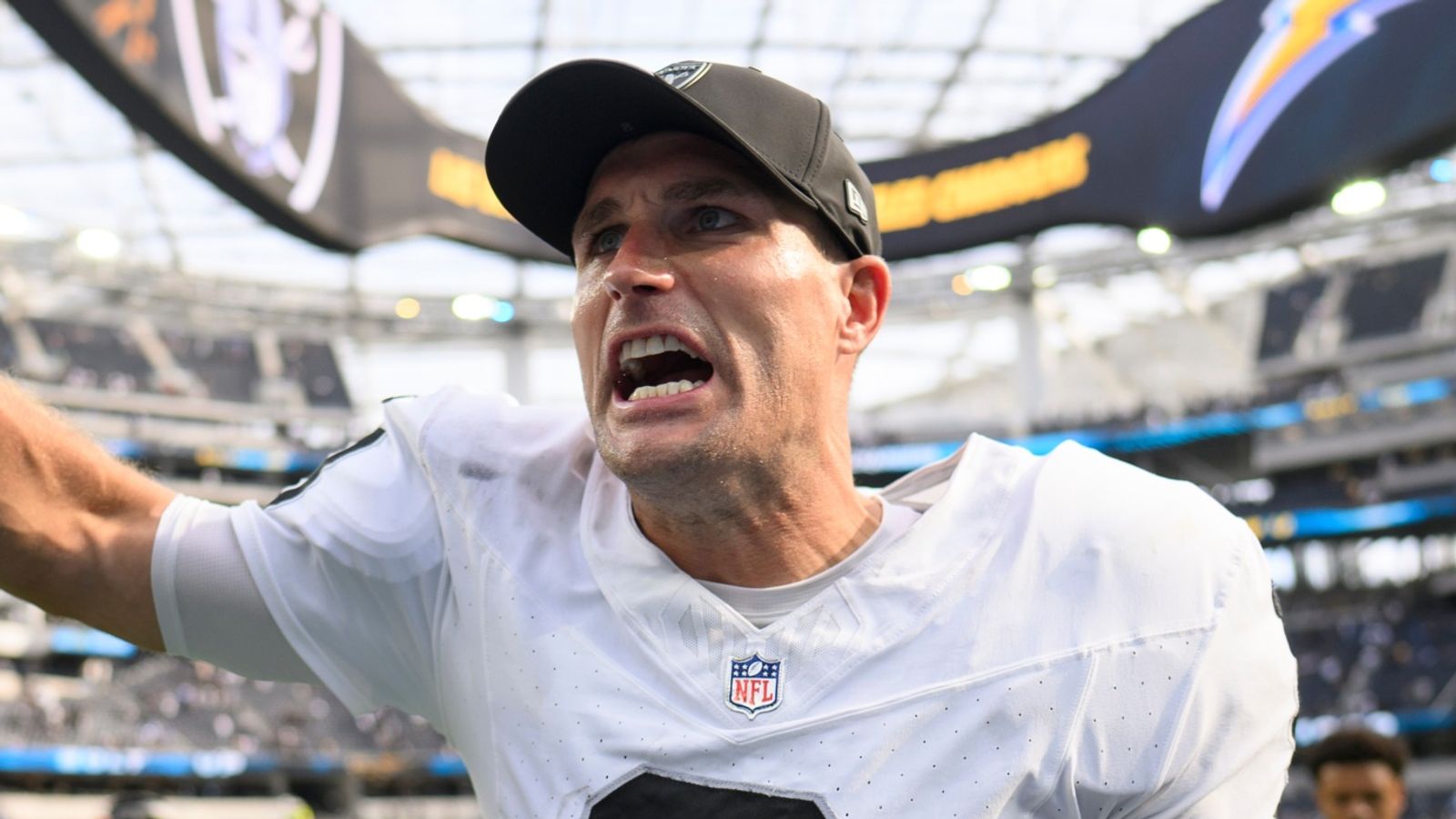
While the return of a 2027 third-round pick might seem modest for a veteran of Cousins’ pedigree, the trade provides the Raiders with necessary cap relief and the opportunity to evaluate their future franchise cornerstone without the shadow of a veteran incumbent. Raiders management noted in private discussions that the growth of Mendoza has exceeded initial expectations, making this the opportune moment to hand him the keys to the offense.
Statistical Context and Team Outlook
The Vikings’ move is a calculated gamble on a "win-now" window. The team currently boasts a top-tier defensive unit that has kept them in contention despite the offensive woes. The primary objective for the coaching staff is to leverage that defense while providing a stable, high-percentage passer to complement their explosive skill-position players.
Supporting data from the current season suggests that while the Vikings’ defense has performed at an elite level, the offensive inefficiency has been a glaring outlier. The team’s inability to convert in the red zone and the high turnover rate under the previous rotating cast of quarterbacks have led to a negative point differential in recent weeks.
Cousins’ career metrics indicate that he is well-suited to operate in a system that emphasizes quick decision-making and precise route timing. His ability to facilitate the ball to players like Justin Jefferson is expected to stabilize the offense immediately. Analysts suggest that if Cousins can return to his pre-injury form, the Vikings possess the supporting cast necessary to compete with the top teams in the NFC.
Official Perspectives and Locker Room Impact
While official statements have been limited, sources within the Vikings’ front office indicated that the move was finalized after a comprehensive evaluation of the team’s remaining schedule. "We believe this team is built for success," one source stated, emphasizing that the personnel currently on the roster warranted a move to ensure the quarterback position was handled by a seasoned professional.
For the players, the return of a familiar face provides a psychological boost. Many of the veteran players on the roster were teammates with Cousins during his previous tenure, and there is a shared belief that his arrival will restore the standard of play expected in the facility.
Broader Implications for the NFL
This trade serves as a reminder of the volatility of the NFL quarterback market. The fact that a team felt compelled to trade for a former starter mid-season underscores the premium placed on reliability. As the league enters the second half of the 2026 campaign, the pressure on general managers to secure competent play at the most important position has never been higher.
The Vikings’ decision to trade away a future third-round pick is a significant investment, but it highlights their refusal to write off the 2026 season. If they can climb out of their current slump and secure a postseason berth, the trade will be viewed as a masterstroke of roster management. Conversely, if the offense continues to struggle, the organization will face significant scrutiny for sacrificing future draft capital.
As the team prepares for its next fixture, all eyes will be on the practice field to see how quickly Cousins can reintegrate into the starting lineup. The Vikings remain in a highly competitive division, and the margin for error is razor-thin. By bringing back the quarterback who once led them to 13 wins, Minnesota has signaled that they are not content to wait for the future—they are determined to compete in the present.