England Injury Crisis Deepens as Feyi-Waboso and Curry Ruled Out of Nations Championship Campaign

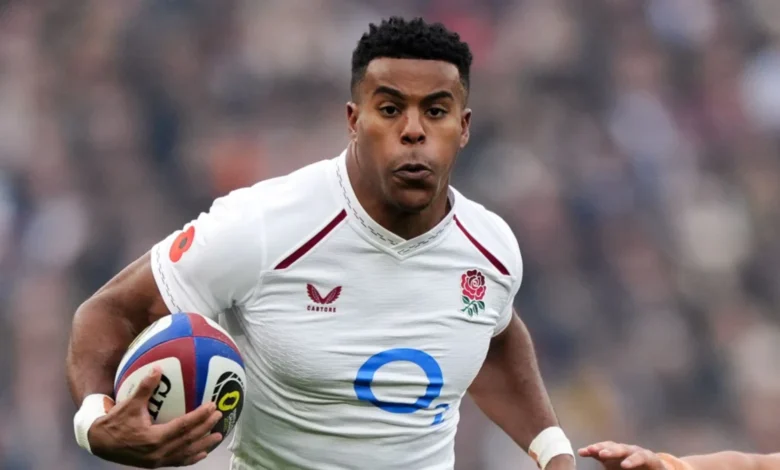
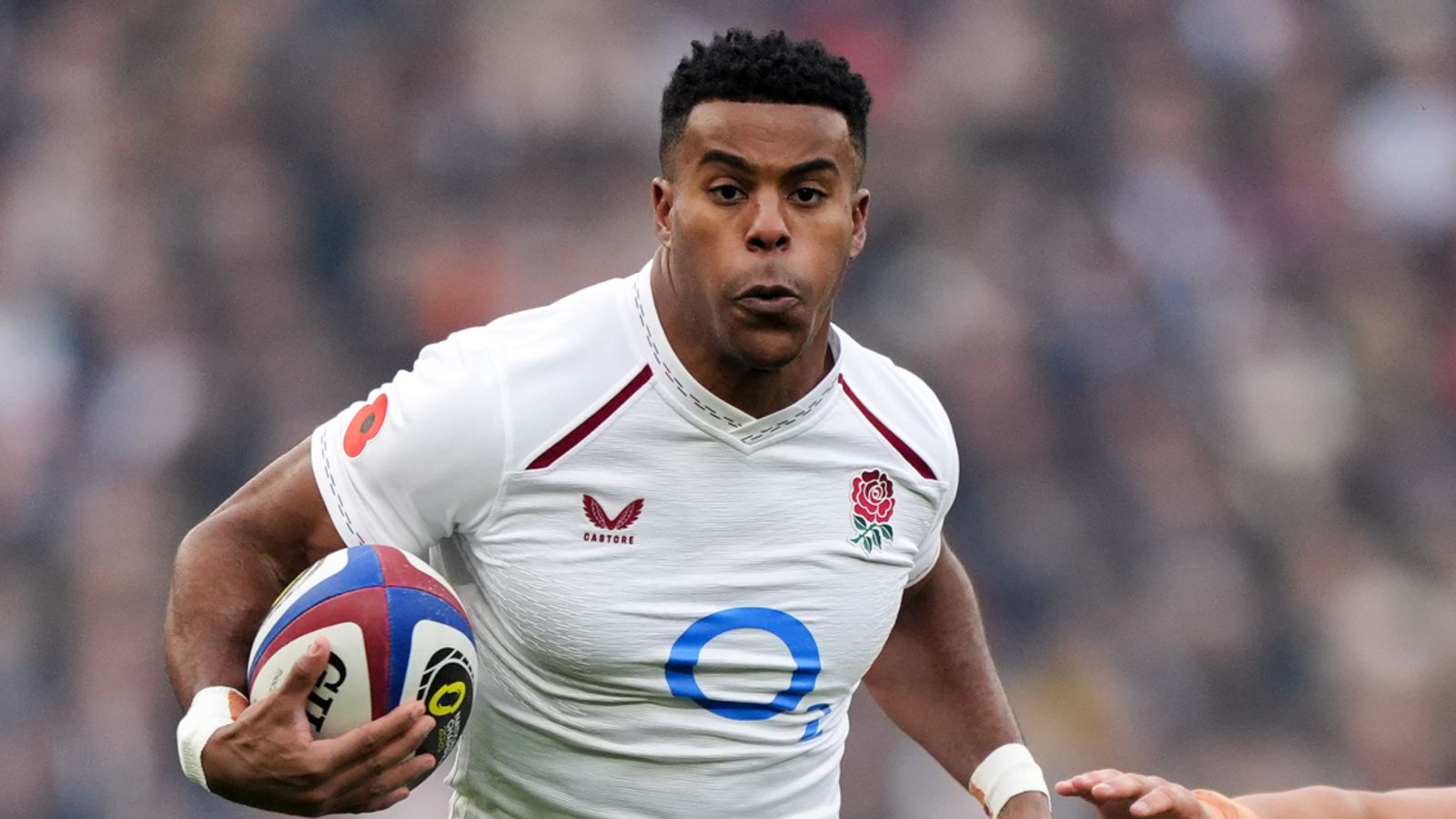
England’s Nations Championship campaign has been dealt a significant double blow with the confirmation that wing Immanuel Feyi-Waboso and flanker Tom Curry have been ruled out for the remainder of the tournament. The loss of these two pivotal figures comes at a critical juncture for Steve Borthwick’s squad, which is currently grappling with a cascading injury list that threatens to disrupt the momentum gained from their recent 45-22 victory over Australia at Twickenham.
The medical update, provided by the England coaching staff upon the team’s return to their Pennyhill Park training base on Monday, confirms that the squad’s depth will be tested as they pivot their focus toward this weekend’s encounter against Japan. The sheer volume of absences has forced Borthwick to adjust his tactical preparations, with several key personnel now confined to the treatment room.
A Weekend of Physical Toll and Tactical Reassessment
The injuries to Feyi-Waboso and Curry are the most prominent, but they represent only a portion of the attrition faced by the squad. Seb Atkinson, who impressed during his time on the pitch against the Wallabies before exiting in the second half, is sidelined with a hip injury. Furthermore, Ollie Chessum remains unavailable due to a shoulder complaint, and George Furbank is nursing a groin injury.
The chronology of these setbacks began well before the weekend’s fixture. Tom Curry, a cornerstone of the England back-row, was forced to withdraw from the matchday squad against Australia after suffering a hip injury during a training session last week. His absence was felt, though his brother, Ben Curry, stepped into the starting lineup and delivered an authoritative performance that drew praise from the coaching staff.
Immanuel Feyi-Waboso’s injury occurred during the high-intensity contest against Australia. The Exeter Chiefs flyer suffered damage to his right ankle in the first half following a controversial “hip-drop” tackle by Australian prop Angus Bell. The incident, which led to a yellow card for Bell, saw Feyi-Waboso removed from the game, paving the way for Henry Pollock to enter the fray. Pollock’s impact was immediate and clinical; the Northampton Saints prospect scored twice, providing a silver lining to an otherwise concerning afternoon for the medical department.
Assessing the Replacements: The Path Forward
With the Japan game looming, Borthwick is facing the logistical challenge of restructuring his backline and forward pack. The absence of Feyi-Waboso leaves a void on the wing that could be filled by Saracens’ rising talents Noah Caluori or Tobias Elliott. Caluori, in particular, remains a strong contender, as he looks to add to his international tally after debuting during the summer series against Fiji.
In the midfield, the vacancy left by Seb Atkinson at number 12 offers an opportunity for either Fraser Dingwall or Max Ojomoh to stake a claim. Both players have been active in the training environment and possess the technical profiles required to manage the defensive and creative responsibilities of the inside-centre position.
At the back, the situation regarding George Furbank’s fitness suggests a likely return for Freddie Steward. Steward, known for his aerial dominance and defensive reliability, offers a different tactical dimension at full-back. Borthwick is also expected to manage the rotation of his playmakers, with Marcus Smith likely to be held in reserve as a high-impact utility option, allowing for flexibility should the game plan require a shift in tempo during the second half.
Official Response and Squad Dynamics
Following the victory over the Wallabies, Maro Itoje spoke at length regarding the collective resolve of the squad. In a passionate defense of Steve Borthwick’s leadership, the Saracens lock emphasized that the group remains focused on the long-term vision despite the turbulence caused by player availability.
"The team is built on a foundation that transcends individual absences," a source close to the England camp noted. "While losing players of the caliber of Curry and Feyi-Waboso is never ideal, the structure is designed to absorb these shocks. The focus is entirely on the upcoming training cycle and ensuring those who step into the shirt are prepared for the intensity that Japan will bring."
To compensate for the shortage of personnel, the coaching staff has acted decisively. Jack Kenningham and Max Hicks have been integrated into the squad to provide necessary back-row cover for the likes of Ben Curry and the injured Chessum. Additionally, the return of Archie McParland to the training environment—having recovered from a calf injury—provides another option in the backline periphery as the squad looks toward the New Zealand fixture on November 21.
Statistical Context and Tactical Implications
The Nations Championship requires high levels of durability, and the current injury statistics suggest that England is operating at a physical deficit compared to their pre-tournament projections. Historically, the transition between playing Australia and Japan presents a unique tactical challenge; Japan’s high-tempo, expansive style of play demands a specific defensive work rate that relies heavily on the fitness of the back-row and the speed of the outside backs.
The loss of Tom Curry, specifically, is a structural setback. Curry’s work rate at the breakdown and his defensive efficiency are statistically among the highest in the Premiership. His absence forces a reconfiguration of the defensive line speed, shifting more responsibility onto Ben Earl and the rest of the loose forwards to maintain pressure at the ruck.
Furthermore, the data from the Australia match shows that England’s reliance on bench impact has become a defining characteristic of their success. With players like Henry Pollock—who demonstrated clinical finishing—and the potential integration of younger squad members, Borthwick is signaling a willingness to prioritize form and current output over established hierarchies.
Broader Impact and Future Outlook
The immediate goal for England is to secure a win against Japan to build momentum for the high-stakes clash against the All Blacks at Allianz Stadium. The optimism surrounding the return of the currently injured trio—Atkinson, Chessum, and Furbank—for the New Zealand match provides a light at the end of the tunnel, but the medical staff is exercising extreme caution.
The current cycle of matches is a litmus test for the squad’s depth. By drafting in players like Kenningham and Hicks, Borthwick is not merely filling spots; he is expanding the pool of players who understand the system’s requirements. The Nations Championship acts as a vital proving ground for the next generation of international rugby players. If these younger players can perform under the pressure of an injury-depleted squad, it will significantly strengthen England’s position for the remainder of the season.
As the squad prepares at Pennyhill Park, the narrative surrounding the team is one of adaptation. The challenge of sustaining high-level performance while managing a fluctuating roster is the hallmark of top-tier international rugby. England’s ability to remain disciplined, particularly in the defensive transition, will be the deciding factor in their ability to overcome the disruption caused by these injuries.
The upcoming match against Japan serves as more than just a fixture; it is a vital opportunity to test the integration of new tactical combinations. While the absence of key starters like Feyi-Waboso and Curry is a reality the coaching staff must navigate, the objective remains clear: maintain the winning standard established against Australia and continue the strategic evolution of the team toward the year-end finale.
For the supporters and the broader rugby community, the focus now shifts to the team announcement, where the tactical identity of this "new-look" England squad will be fully revealed. Whether through the experience of established leaders or the energy of fresh call-ups, the mandate remains the same—a rigorous, professional approach to a sport where physical resilience is as much a part of the game as the skill itself.