The Isolated Narrative: Donald Trump and the Shifting Landscape of Election Integrity Post-Midterms

Following the conclusion of the 2026 midterm elections, a familiar political pattern has re-emerged, characterized by unsubstantiated claims of systemic voter fraud emanating from former President Donald Trump. While the American electoral process has historically been defined by a peaceful transfer of power and the acceptance of certified outcomes, the aftermath of this specific election cycle has revealed a significant divergence between the former president’s rhetoric and the broader political consensus within the Republican Party.
The current situation marks a distinct departure from previous election cycles, where claims of irregularities were often amplified by a cohesive coalition of party leadership, pundits, and grassroots organizations. In the days following the 2026 results, which saw notable losses for the Republican ticket, the former president has found himself navigating a landscape where his traditional allies are either focused on alternative explanations for their defeat or remaining conspicuously silent on the matter of election integrity.
A Chronology of Post-Election Rhetoric
The timeline of the current dispute began in the immediate aftermath of the polls closing. Initial reports suggested a period of relative stability, with early signals from the Trump campaign indicating a willingness to engage with the reality of the results. However, this period of calm was short-lived.
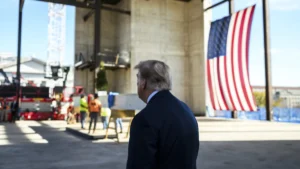
By the weekend following the election, the tone shifted abruptly. Trump took to his TruthSocial platform to voice his grievances, culminating in a Monday morning post that explicitly questioned the honesty of the election. "Does anybody really believe that this ‘Election’ was honest?" he wrote, citing alleged "dumps" of early votes and casting doubt on the integrity of voting machines. This marked a shift from his earlier, more muted response, signaling a return to the narrative strategies utilized during previous cycles.
Prior to this, the pre-election period was defined by intense rhetoric regarding the potential for malfeasance. Throughout the summer and early fall, various figures aligned with the MAGA movement suggested that the election was already being compromised. In California, for example, high-profile legal figures and Trump-appointed officials raised alarms regarding local election procedures. Similarly, former advisor Steve Bannon had advocated for a visible presence at polling stations, specifically suggesting the involvement of Immigration and Customs Enforcement (ICE) to deter what he characterized as a "stolen" election. These threats were widely scrutinized by legal experts and constitutional scholars, who noted the significant federal restrictions on deploying law enforcement to voting centers.
The Absence of a Unified Front
Perhaps the most significant development in the current cycle is the lack of institutional buy-in for the former president’s claims. In previous instances, allegations of fraud were supported by a network of elected officials, conservative media outlets, and party strategists. This year, the response has been markedly different.
Vice President JD Vance, a key figure in the current administration’s orbit, has notably steered clear of fraud allegations. Instead, Vance has attributed the electoral losses to external factors, specifically citing the ongoing conflict in Iran as the primary catalyst for the shift in voter sentiment. This pivot toward foreign policy as an explanation for domestic electoral failure suggests a strategy focused on geopolitical accountability rather than the mechanics of the domestic voting process.
Furthermore, the official White House communications apparatus has refrained from echoing the fraud claims. While the administration had previously issued broad promises to investigate potential voting irregularities, those promises have not transitioned into active support for the current allegations of systematic fraud. This silence is viewed by political analysts as an attempt to pivot toward a post-election policy agenda rather than a prolonged battle over the legitimacy of the vote.
Analyzing the Resistance to the Narrative
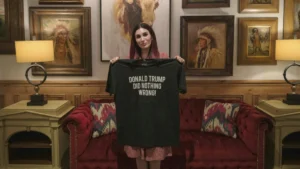
The reticence of the Republican establishment to join in these claims has not gone unnoticed by the most ardent supporters of the former president. Figures such as activist Laura Loomer have publicly expressed frustration with the perceived lack of urgency among conservative leaders. In a series of social media posts, Loomer characterized the lack of focus on election integrity as a tactical error, suggesting that some within the party are prioritizing their own public profiles and "livestreaming" careers over the broader ideological struggle.
This internal friction highlights a growing divide between the base of the party and its institutional representatives. While the grassroots movement remains deeply invested in the narrative of election integrity, the party’s elected officials appear to be calculating that the political costs of pursuing these claims outweigh the benefits, particularly in the face of limited empirical evidence to support widespread fraud.
The Role of Independent Actors
While institutional support for the fraud narrative has waned, individual actors remain committed to the cause. Mike Lindell, the CEO of MyPillow and a prominent figure in the election-denial movement, continues to be a vocal proponent of the theory that voting systems were compromised.
Lindell’s involvement is particularly notable given the recent resolution of a multi-billion dollar defamation lawsuit brought by Dominion Voting Systems. That case, which concluded in a confidential settlement earlier in 2026, serves as a backdrop to his current claims. Despite the legal pressures and the lack of corroborating data from election officials in states like Texas and Kansas, Lindell continues to assert that his cybersecurity team has identified algorithmic patterns indicative of fraud. He has pledged to release further documentation to substantiate these claims, though the efficacy of such evidence in the eyes of the public and the judiciary remains a subject of intense debate.
Broader Implications for American Governance
The persistence of these claims, even in the absence of broad support, carries significant implications for the American political system. The recurring nature of election skepticism creates a cyclical challenge for election administrators and public officials who must manage the logistics of voting while contending with a baseline of public distrust.
- Erosion of Institutional Trust: Continuous questioning of the electoral process, regardless of the validity of the claims, contributes to a long-term erosion of trust in the institutions responsible for certifying results. This, in turn, can affect voter turnout and civic engagement.
- Impact on Election Administration: The threat of litigation and the pressure placed on local officials to perform audits or manual recounts places a substantial burden on municipal and state budgets. The cost of defending against or investigating these claims often diverts resources from other essential functions of election management.
- Political Polarization: The divide between those who believe the election was compromised and those who accept the results as accurate deepens the existing polarization. When the legitimacy of the electoral process itself becomes a partisan issue, the ability to achieve legislative consensus on other matters is significantly diminished.
- Legal and Legislative Precedents: The ongoing debate has led to a push for stricter voting laws in various jurisdictions, often centered on requirements for voter identification, the limitation of early voting, and the audit of voting machines. These legislative efforts are often framed as security measures, though they remain points of contention regarding voter accessibility.
Conclusion: A New Phase of Electoral Politics
The 2026 midterm cycle has demonstrated that while the rhetoric of election fraud remains a potent tool for some, its ability to mobilize the broader Republican coalition has diminished. The transition from a party-wide focus on "stolen" elections to a fragmented approach suggests that the political environment is shifting.
Whether this trend holds will depend on the upcoming legislative sessions and the potential for any concrete evidence to emerge from the investigations promised by figures like Lindell. For the time being, the political reality is defined by a former president who is increasingly isolated in his claims, while the rest of the political establishment attempts to move forward within the framework of the current results. The durability of this isolation remains the central question for the future of the movement and the integrity of American democratic institutions.