President Trump shifts from post-election denial to aggressive realignment as midterm fallout threatens his legislative agenda

The political landscape in Washington D.C. has shifted dramatically following the 2026 midterm elections, which resulted in significant losses for the Republican Party and a newfound Democratic majority in both chambers of Congress. President Donald Trump, initially silent on the election outcomes, has transitioned from a period of public avoidance to an aggressive, confrontational stance. This pivot is marked by high-profile personnel appointments, unsubstantiated allegations regarding electoral integrity, and a public relations strategy that increasingly relies on the rhetoric of combat and institutional defiance.
The Immediate Aftermath: A Calculated Silence
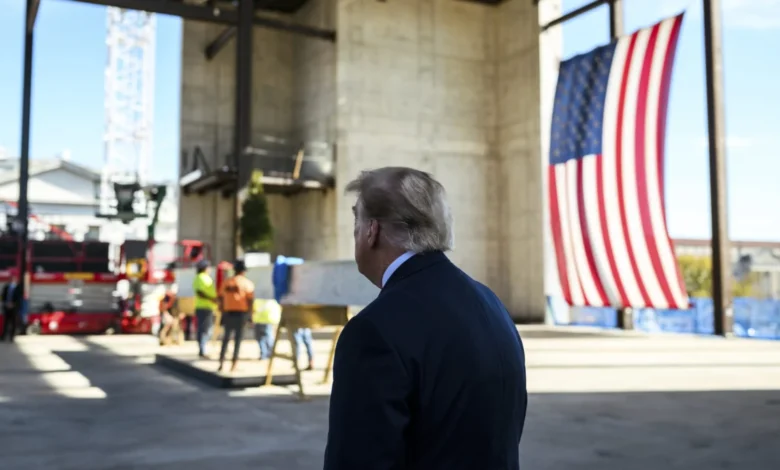
In the forty-eight hours following the electoral results, the White House maintained a veneer of normalcy that bordered on the surreal. While the political establishment grappled with the implications of a shifted legislative majority, the President diverted public attention toward minor logistical concerns and infrastructure projects. During a surprise tour of the White House ballroom construction site on November 4, 2026, the President offered only perfunctory remarks on the election.
When pressed on Vice President JD Vance’s assertion that the ongoing military engagement in Iran had adversely affected Republican prospects due to the resulting volatility in fuel prices, the President offered a pragmatic but defensive acknowledgment. "I think it’s largely true because it drove the gasoline up a little bit short term," the President stated. "At the same time, if I had it to do again, I’d have to do it again because long-term it’s the only answer. You can’t let Iran have a nuclear weapon."
Despite this brief admission, the President spent the remainder of that period focusing on domestic grievances, including public complaints on TruthSocial regarding the end of daylight saving time, which he characterized as "ridiculous" due to the early onset of darkness. This period of denial, as described by political observers, has since given way to a phase of active political combat.
The Shift Toward Confrontation: Personnel and Policy
The transition from silence to hostility was cemented by the announcement that Stephen Miller, a long-time advisor known for his hardline immigration policies, would assume the role of Chief of Staff. This appointment is widely interpreted by analysts as an indication that the administration intends to double down on its nationalist agenda rather than pursue a centrist pivot in response to the midterm results.
The President’s digital communication strategy has mirrored this combative tone. Over the weekend, he utilized his platform on TruthSocial to circulate claims of electoral fraud, including a debunked assertion that "Democrats materialized 20 million new votes." These statements represent a strategic escalation, aiming to galvanize his base and undermine the legitimacy of the incoming Democratic legislative majority. Furthermore, the President has publicly demanded that the Department of Justice launch investigations into alleged threats against Republican donors, signaling a potential use of executive authority to pressure political opponents.
The UFC Integration and Media Strategy
In an unconventional move to bolster his image as a "warrior" against what he describes as the "Lunatic Left," the President publicly floated the name of UFC CEO Dana White for the position of White House Press Secretary. While White reportedly declined the initial offer, the President’s subsequent sharing of AI-generated content depicting UFC fighters in the White House press briefing room has drawn sharp criticism from media organizations.
This strategy serves two primary functions: it reinforces the President’s brand of populist masculinity and serves as a diversionary tactic from the more pressing legislative challenges looming on the horizon. Despite the reported decline of the position by White, scheduled meetings between the two suggest that the administration is eager to maintain the narrative momentum generated by the prospect of such a disruptive appointment.
Economic Anxiety and Market Volatility
The President’s rhetoric has also turned toward the economy, which he has long cited as a primary metric of his success. Following a market correction that saw a reported $3 trillion loss in value, the President sought to reassure his supporters by framing the downturn as a temporary setback. "America took a giant step back in History with the results of the last Election," he wrote on Sunday. "Even the Stock Market, which has been a ‘ROCKETSHIP’ under ‘TRUMP,’ took a one day, 3 Trillion Dollar loss. But have no fear, we will be back, BIGGER AND STRONGER THAN EVER BEFORE!"
Economists note that while market fluctuations are common following electoral shifts, the administration’s reliance on the stock market as a primary indicator of national health leaves the President vulnerable to future volatility, especially as the new Congress prepares to debate fiscal policy and tax reform.
Legislative Hurdles: The End of the Pet Projects
The most significant impact of the Democratic sweep is the immediate threat to the President’s discretionary projects. Throughout his current term, the President has championed several high-profile, and often controversial, infrastructure initiatives. Among these are:
- The White House Ballroom: Currently under construction, this project has been a symbol of the President’s aesthetic preferences.
- The Triumphal Arch: A planned architectural centerpiece that has faced criticism regarding its cost and relevance.
- The National Garden of American Heroes: An executive-led initiative aimed at creating a permanent monument to historical figures chosen by the administration.
- East Potomac Golf Course Remodeling: A plan that has been tied up in legal and administrative disputes.
With Democrats set to control the House and Senate appropriations committees, the funding for these projects is now in jeopardy. Legislative experts suggest that the new majority will likely use its "power of the purse" to defund or stall these projects as part of a broader effort to exert oversight over executive spending. This creates a high-stakes legislative environment where the President may be forced to negotiate with his political rivals to save his legacy projects, a move that would contradict his current posture of defiance.
Fact-Based Analysis of the Political Landscape
The current political environment is characterized by a "grieving process" for the Republican Party that has manifested in a total rejection of the election results. By appointing loyalists like Miller and flirting with non-traditional figures like Dana White, the President is signaling that he does not intend to moderate his stance.
However, the reality of the legislative gridlock cannot be ignored. The 2026 midterm results have effectively stripped the executive branch of its ability to push through major policy shifts without significant bipartisan compromise—a commodity that is currently in short supply. The President’s upcoming interview on 60 Minutes is expected to be a pivotal moment in his attempt to frame the last two years as a success, despite the electoral rejection.
Looking Ahead: The Challenges of the Final Term
As the President navigates the remainder of his term, the conflict between his desire for a "legacy of greatness" and the reality of a hostile Congress will likely define the coming months. The administration’s focus on survival and narrative control suggests that the coming legislative session will be one of the most contentious in recent American history.
Whether the President chooses to pivot toward more traditional governance or continues his trajectory of confrontational politics will determine not only the fate of his pet projects but also the long-term viability of the political movement he has built. For now, the administration remains in a state of high-alert, characterized by a mix of defensive rhetoric and a strategic pivot toward a base-heavy, populist political identity that seeks to bypass traditional institutional norms.