Virginia Voters Overturn Jim Crow-Era Felony Disenfranchisement Laws in Historic Constitutional Shift

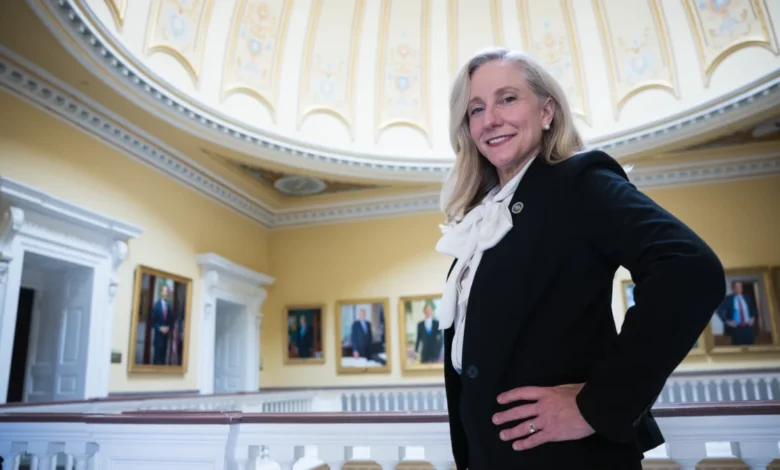
In a landmark decision that reshapes the political landscape of the Commonwealth, Virginia voters have overwhelmingly approved a constitutional amendment to abolish the state’s long-standing, Jim Crow-era lifetime ban on voting for individuals with prior felony convictions. The successful ballot initiative, which passed with a margin of over 10 percentage points, marks a decisive departure from a century of restrictive electoral policies. This constitutional change occurred alongside two other significant voter-approved measures that codify reproductive rights and same-sex marriage protections into the state constitution, signaling a broad progressive shift in Virginia’s legal framework under the administration of Governor Abigail Spanberger.
The restoration of voting rights to formerly incarcerated individuals represents the culmination of decades of advocacy by civil rights groups, legal scholars, and grassroots organizers who argued that the 1902 constitutional provision was intentionally designed to dilute the political power of Black Virginians. With the passage of this amendment, voting rights are now automatically restored to individuals immediately upon their release from incarceration, effectively removing the arbitrary and burdensome petition process that had previously governed the lives of hundreds of thousands of residents.
A Century of Disenfranchisement: The 1902 Legacy
To understand the weight of this week’s election results, one must examine the origins of the disenfranchisement policy. Enacted in 1902, the constitutional provision was the result of a convention held by one hundred white male delegates, whose explicit goal was to consolidate political power and suppress the growing influence of Black citizens in the post-Reconstruction South.
By tying the right to vote to an individual’s criminal record, the state created a system of "civil death" for those convicted of felonies. For over 120 years, this policy acted as a permanent barrier to civic participation. As of February 2026, data from The Sentencing Project indicated that more than 250,000 Virginians were blocked from the ballot box due to the lifetime ban. This figure represented one of the most restrictive systems in the nation; while many states impose temporary disenfranchisement, Virginia had remained one of only three states—alongside Iowa and Kentucky—that maintained such a rigid, permanent structure for the vast majority of felony convictions.
The Chronology of Reform and Resistance
The path to this week’s constitutional amendment was marked by a volatile cycle of progress and regression. For much of the early 21st century, Virginia governors from both parties utilized executive clemency to restore rights on a case-by-case basis, acknowledging that the automatic ban was unsustainable.
- 2013–2022: Successive Democratic administrations implemented streamlined processes, attempting to normalize the restoration of rights for hundreds of thousands of individuals who had completed their sentences.
- 2023: In a significant reversal, then-Governor Glenn Youngkin moved to effectively revive the lifetime ban by dismantling the automatic restoration process established by his predecessors, once again requiring individuals to seek individual gubernatorial pardons—a process that critics argued was opaque, slow, and inherently inequitable.
- 2026: Governor Abigail Spanberger took office with a mandate to address the state’s democratic deficits. The legislature moved to put the question of disenfranchisement directly to the voters, bypassing executive-level gatekeeping in favor of a constitutional mandate.
- November 2026: With 96.8 percent of the vote counted, the electorate decisively ratified the amendment, effectively terminating the era of automatic lifetime disenfranchisement.
The Intersection of Incarceration and Homelessness
The significance of this victory is amplified when viewed through the lens of the current socioeconomic climate. The disenfranchisement of formerly incarcerated individuals is frequently compounded by the rising criminalization of homelessness, creating a "cycle of doom" that effectively excludes the most vulnerable populations from the democratic process.
Donald Whitehead, executive director of the National Coalition for the Homeless, has emphasized the symbiotic relationship between mass incarceration and housing insecurity. Following the 2024 Supreme Court decision in City of Grants Pass v. Johnson, which ruled that local governments could enforce public camping bans without violating the Eighth Amendment, there has been a nationwide surge in legislation targeting the unhoused. Whitehead’s organization has documented over 320 new municipal ordinances across the country that criminalize basic survival behaviors such as sleeping, sitting, or resting in public spaces.
The impact of these laws is stark. In Tennessee, for instance, being found on public property while unhoused has been elevated to a felony offense. In Kentucky, recent legislative changes have decriminalized the use of deadly force against individuals perceived as trespassing while unhoused. Louisiana has gone further, implementing laws that categorize homelessness as a crime punishable by fines, incarceration, and, in some instances, mandatory labor. For those who lose their right to vote due to a felony conviction stemming from these poverty-related statutes, the barrier to re-entry into society becomes insurmountable.
Official Reactions and Legal Implications
The passage of the amendment has been met with relief from civil rights organizations, who argue that the restoration of voting rights is a fundamental component of rehabilitation. Proponents of the measure, including Governor Spanberger, have argued that the former system served as a "double punishment" that disproportionately affected people of color and marginalized communities.
However, the political environment remains divided. While the constitutional amendment settles the matter of felony disenfranchisement, the broader issue of electoral access continues to be a point of contention. While states like California, Washington, Vermont, and New Jersey are actively expanding accessibility, other states, such as Florida, Kansas, and Mississippi, have moved in the opposite direction. These states have implemented increasingly stringent voter ID laws and proof-of-citizenship requirements that civil rights advocates argue are intended to suppress voter turnout among populations that struggle to maintain government-issued documentation—specifically the unhoused and the formerly incarcerated.
Broader Impacts on Democracy
The removal of the lifetime ban in Virginia is expected to have a tangible impact on future election cycles. With a quarter-million residents newly eligible to register, the electorate will become more representative of the state’s diverse population. Political analysts suggest that this shift could alter the margins in competitive local and state legislative races, where small fluctuations in voter turnout can dictate policy outcomes.
Beyond the numbers, the amendment reflects a cultural shift toward what advocates describe as "radical neighborliness." By removing the legal stigma of a felony conviction as a permanent bar to citizenship, the state is signaling a preference for reintegration over exclusion.
"We have to start to see people living on the streets and those who have paid their debt to society as our neighbors," Whitehead noted in the wake of the election. This sentiment is echoed by constitutional scholars who argue that the integrity of a democracy is measured by the inclusivity of its franchise. By overturning the 1902 provision, Virginia has removed one of the last major structural vestiges of the Jim Crow era, setting a precedent that may influence ongoing debates in the remaining states that still maintain restrictive disenfranchisement laws.
As Virginia enters this new phase, the focus will likely shift toward the mechanics of implementation: ensuring that formerly incarcerated individuals are aware of their restored rights and that registration drives reach the populations that have been historically silenced. While the constitutional change is a historic victory, the work of ensuring that every citizen has the logistical capacity to exercise their right to vote—especially those struggling with housing instability—remains an ongoing challenge for the state’s policymakers. For now, however, the Commonwealth has taken a definitive step toward fulfilling the promise of universal suffrage, closing the book on a chapter of exclusion that defined its political culture for over a century.