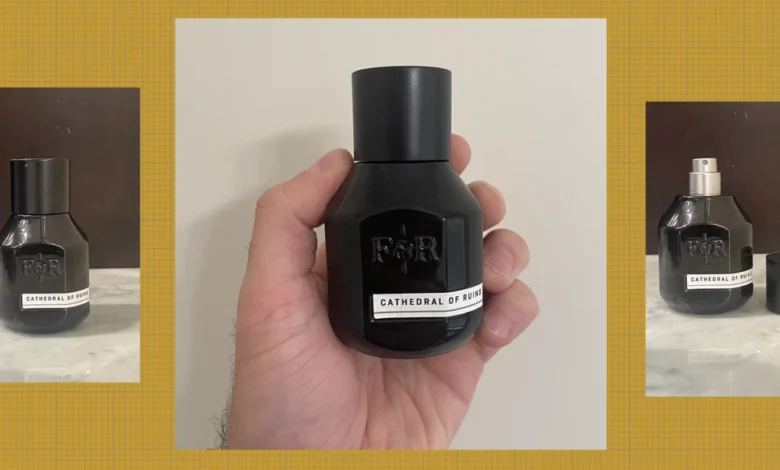
The release of the Fulton & Roark Cathedral of Ruins Extrait de Parfum has prompted a renewed intersection between niche perfumery and the architectural history of the American Midwest. The fragrance, which takes its primary inspiration from the City Methodist Church in Gary, Indiana, represents an unconventional approach to olfactory storytelling, moving away from traditional floral or citrus notes toward the darker, more atmospheric scent profile of decaying stone and encroaching nature.

The Architectural Inspiration: City Methodist Church
Constructed in 1926 during the industrial boom of Gary, Indiana, the City Methodist Church once stood as a symbol of prosperity and religious grandeur. Designed by the architectural firm Lowe and Bollenbacher in the Neo-Gothic style, the structure was built to accommodate a congregation of thousands. It featured ornate stone carvings, vaulted ceilings, and a sprawling complex that included classrooms and community spaces.
However, the history of the building reflects the economic trajectory of its host city. As the steel industry in Gary began to shift and the local economy faced significant headwinds in the latter half of the 20th century, the congregation dwindled. By 1975, the church held its final services. In the decades that followed, the building fell into a state of severe disrepair. A major fire in 1997 removed the roof, leaving the limestone walls exposed to the elements. Today, the structure is a site of urban decay, characterized by walls that remain standing while vegetation grows within the interior, creating a contrast between human-made permanence and the relentless progression of time.

The Olfactory Composition of Cathedral of Ruins
Fulton & Roark developed the Cathedral of Ruins Extrait de Parfum to translate this architectural narrative into a wearable scent. The fragrance is classified as a woody amber, intended to evoke the specific atmosphere of the ruins—a mix of cold, mineral stone, ancient timber, and the damp, earth-bound scent of the surrounding greenery.
The fragrance opens with a sharp, bracing combination of cypress, black peppercorn, and rose. This initial profile is designed to mimic the crisp air and the scent of resilient, wild flora that has reclaimed the church grounds. As the scent settles, the heart notes of saffron and Peru balsam emerge, providing a resinous, slightly medicinal quality that bridges the gap between the initial sharpness and the base. The final, lingering notes consist of leather and frankincense, which are intended to ground the fragrance in the ecclesiastical history of the site, providing a deep, smoky finish that persists for several hours.

Technical Performance and Fragrance Longevity
In the fragrance industry, an "Extrait de Parfum" is the highest concentration of perfume oil, typically ranging between 20% and 40%. This concentration ensures a higher projection and greater longevity compared to traditional Eau de Toilette or Eau de Parfum. Wear testing indicates that the scent profile remains stable for approximately seven to eight hours on the skin, with base notes of frankincense and leather often remaining detectable for up to 12 hours.
The performance of such a fragrance is influenced by ambient temperature and humidity, with the colder months of autumn and winter providing the optimal environment for the heavier base notes to unfold. The scent’s development from a bright, peppery opening to a more somber, resinous base mirrors the transition from the exterior of a structure to its inner, more protected sanctum.

Market Trends in Niche Perfumery
The emergence of scents like Cathedral of Ruins highlights a growing trend within the luxury fragrance market known as "atmospheric" or "experiential" perfumery. Unlike traditional luxury scents that focus on mass-market appeal through sweet or fresh notes, these fragrances cater to a demographic seeking a specific narrative or memory-based experience.
Data from the luxury grooming sector suggests that consumers are increasingly prioritizing "story-driven" products. This shift has allowed smaller, independent, or niche houses to carve out significant market share by associating their products with specific cultural, historical, or geographical locations. The move toward "darker" fragrances—often utilizing notes like incense, oud, and leather—has also seen a resurgence as seasonal preferences shift toward more substantial, warming scents during the autumn and winter months.

The Cultural Impact of Industrial Heritage
The use of the City Methodist Church as a conceptual touchstone for a luxury product has sparked quiet discussion regarding the representation of post-industrial cities in modern branding. For many, Gary, Indiana, is synonymous with the decline of the American industrial heartland. By elevating a ruin to the status of inspiration for a high-end, $225 fragrance, the creators of the scent have invited a dialogue about the aestheticization of urban decay.
Architectural preservationists have noted that while the building remains a derelict structure, its presence in the public consciousness is sustained through its use as a location for film, photography, and, now, creative products. The fragrance acts as an abstract preservation of the space, capturing a sensory profile that will eventually disappear as the building continues to deteriorate or is eventually cleared.

Broader Implications for the Grooming Industry
The success of such niche products demonstrates a broader trend in the male grooming industry: the integration of fine fragrance principles into daily routines. As consumers become more educated on the chemical composition and the "notes" of their products, the distinction between high-fashion perfume and men’s grooming products continues to blur.
Professional analysis of the grooming market suggests that the growth in the "premium fragrance" segment is expected to continue through 2026. This growth is driven by a combination of social media influence, which emphasizes the "signature scent" as an essential element of personal branding, and the increased availability of complex, artisanal fragrance profiles through direct-to-consumer digital channels.

Summary of Fall Grooming Standards
The seasonal transition to autumn typically necessitates a shift in grooming habits, particularly regarding scent. Light, aquatic, or citrus-dominant fragrances, which are effective in high-heat summer conditions, are frequently replaced by scents featuring vetiver, leather, spices, and resins. Cathedral of Ruins fits within this established market preference for "warm" or "grounded" scents.
When applying high-concentration extracts such as this, grooming experts suggest a conservative approach. Due to the high oil concentration, applying the fragrance to pulse points—specifically the neck and wrists—allows the heat of the body to gradually diffuse the scent throughout the day. The absence of heavy alcohol content, common in lighter concentrations, means the fragrance remains closer to the wearer, offering a subtle but persistent olfactory presence.

Conclusion
Fulton & Roark’s interpretation of the City Methodist Church serves as a case study in modern branding, where historical architecture is repurposed into a contemporary luxury good. While the fragrance provides a sophisticated, woody amber profile suitable for the autumn season, its deeper value lies in its role as an atmospheric narrative. Whether the consumer is motivated by the technical performance of the extract or the romanticized history of the ruins in Gary, the product signifies a continued evolution in the fragrance industry toward more complex, intellectualized, and experiential scent profiles. As the industry moves toward 2026, it is likely that similar products, which link fragrance to specific, often unconventional, locations or histories, will continue to gain traction among discerning consumers.