Music Fandoms on X Explode with Satirical Celebration Following Historic Midterm Elections and a Sweeping Democratic Majority

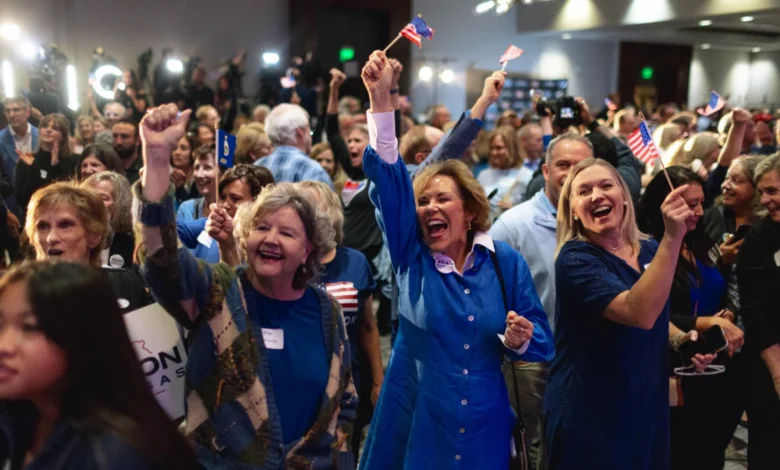
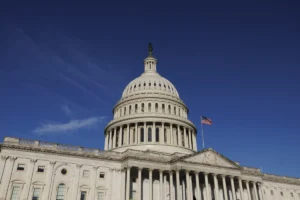
The political landscape of the United States shifted dramatically following the conclusion of the midterm elections, yielding a wave of historic legislative victories for the Democratic Party. Securing control across both chambers of Congress for the first time in several years, the political shift was further punctuated by a diverse array of first-time minority candidates breaking long-standing institutional barriers. While political analysts dissected voting patterns and statistical shifts across various key districts, an entirely different kind of commentary took over the digital sphere. Within minutes of the first major race calls, social media platform X—formerly known as Twitter—transformed into an epicenter of celebratory satire, with music fandoms leading the cultural commentary.
The convergence of contemporary pop culture and civic engagement highlighted a unique moment in digital discourse. Users across the platform began drafting elaborate, music-centric propositions to commemorate the legislative turnover. Proposals ranged from the absurd to the theatrical, with viral threads suggesting that alternative national anthems should replace "The Star-Spangled Banner." Among the top contenders floated by digital users were tracks by electronic artist Disclosure, singer-songwriter Tinashe, and even tongue-in-cheek nominations celebrating unexpected political victors, such as Bobby Pulido, who successfully captured a congressional seat in Texas.
Pop Artists Join the Digital Conversation
The online enthusiasm was not limited to anonymous accounts; major mainstream recording artists actively participated in or acknowledged the viral sentiment. Pop star Halsey took to Instagram to lean into the prevailing color-themed celebrations, posting lyrics from her 2015 hit single "Colors" alongside the emphatic declaration that "EVERYTHING IS MF BLUE BABY." The post, which tagged nearly two dozen diverse entities including high-profile politicians, political parties, and federal agencies, quickly amassed significant digital engagement.
However, Halsey balanced the levity with a moment of earnest reflection regarding the gravity of the political shift. Addressing her followers, the singer noted the historical significance of the election results, emphasizing the unprecedented representation and the considerable labor ahead for the newly empowered legislative majority. Expressing cautious optimism, Halsey underscored the importance of national unity and extended gratitude to the active electorate whose participation altered the congressional balance of power.
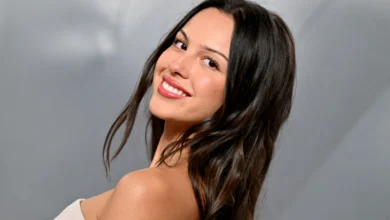
Simultaneously, R&B and pop artist Tinashe found herself at the center of political discussions after openly celebrating the Democratic sweep. Encouraging her voter base with a series of blue heart emojis and a rallying cry for civic participation, the singer faced minor pushback from users accusing her of alienating conservative members of her audience. Tinashe responded definitively, dismissing potential audience attrition with a concise online statement that immediately went viral among her supporters, cementing her status as a vocal proponent of the progressive wave.
A Chronology of Digital Humor and Retrospective Memes
The rapid evolution of internet culture following major political events is a well-documented phenomenon, yet the 2026 midterms generated a distinct fusion of musical nostalgia and electoral analysis. The timeline of digital reactions offers a clear picture of how online communities process systemic political change through the lens of entertainment.
Hours after the polls closed, the initial wave of content consisted primarily of live-updating reactions juxtaposed with ironic song recommendations. Users began sharing nostalgic music videos from the late 2000s and early 2010s to capture the euphoric energy of the evening. Mentions of Fergie’s infamous 2008 morning television performance of "Barracuda" resurfaced as an ironic metaphor for unexpected endurance and chaotic optimism.
By the following morning, the discourse matured into organized satirical campaigns. Fandoms began formulating hypothetical scenarios regarding cultural integration, such as satirical proposals to force-feed specific musical soundtracks to the general public—a direct reference to historical tech-industry marketing strategies involving major album releases. These digital exchanges reflected a broader cultural desire to use collective humor as a coping mechanism and a celebratory tool following months of high-stakes political polarization.
Backlash and Cultural Cutt-Offs in the Streaming Era
While progressive-leaning artists enjoyed a surge of enthusiastic fan engagement, polarizing figures in the music industry faced renewed digital scrutiny. Country music star Morgan Wallen, whose career has been marred by highly publicized controversies—including behavioral incidents and public scandals—became the butt of widespread internet jokes regarding listener demographics. X users circulated viral memes targeting his consumer base, suggesting severe social penalties for individuals whose annual streaming data featured the controversial artist.
This digital pushback highlights an ongoing trend within modern music fandoms, where personal consumption habits are increasingly tied to sociopolitical alignment. Listeners on social media routinely police cultural boundaries, using streaming metrics and platform summaries like Spotify Wrapped as digital litmus tests for cultural and political values.
Conversely, artists who have faced public rehabilitation or shifting public perceptions experienced unexpected boosts in digital reception. Pop and R&B artist Lizzo, who has navigated distinct waves of industry scrutiny and public relations challenges in recent years, found her back catalog unexpectedly praised by users attempting to match the triumphant mood of the evening. Capitalizing on the ironic praise, Lizzo responded via her official channels with self-aware humor, further bridging the gap between celebrity persona and viral internet culture.
Implications of Pop-Cultural Politics
The seamless blending of electoral outcomes and pop music discourse on digital platforms underscores the changing nature of civic engagement in the twenty-first century. For younger demographics, political victories are frequently processed, contextualized, and communicated through the shared language of memes, streaming culture, and fandom dynamics.
As the newly empowered Congress prepares to assume office and tackle the extensive legislative agenda ahead of them, the cultural footprint left by music fans on X serves as a testament to the influence of digital platforms in shaping modern political narratives. Whether through satirical national anthem proposals or pointed commentary regarding artist accountability, the intersection of music and politics continues to evolve as a primary driver of public discourse in the digital age.