Tesla is facing a major regulatory and consumer backlash in South Korea, where an advocacy group has prepared a formal complaint alleging that the American electric vehicle manufacturer misled tens of thousands of motorists regarding the legality and activation of its "Full Self-Driving" (FSD) driver-assistance software. While international scrutiny surrounding Tesla’s Level 2 automated driving systems typically focuses on overstatements of technological capability—such as whether the vehicle can truly navigate completely unassisted—the South Korean controversy centers on a fundamental legal barrier: Tesla allegedly collected millions of dollars for software that the vast majority of its vehicles in the country could not legally operate.
The impending complaint, slated for submission to the Korea Fair Trade Commission (KFTC), highlights a widening gap between corporate marketing practices and regional regulatory realities. According to preliminary testimonies and industry data, Tesla continued to market and sell the expensive FSD option to Korean consumers for years, despite knowing that the overwhelming majority of its regional fleet lacked the necessary regulatory certification to utilize the features on public roads.
The Root of the Regulatory Disconnect
To understand the core of the grievance against Tesla Korea, one must examine the intersection of international manufacturing logistics and strict South Korean vehicle safety standards. Tesla imports vehicles into the South Korean market from two primary manufacturing hubs: its facility in Fremont, California, and its massive Gigafactory in Shanghai, China.
Under an existing bilateral free trade agreement between the United States and South Korea, automobiles manufactured and certified under U.S. vehicle safety standards are automatically recognized as compliant with local regulations. Consequently, Teslas built in the United States and imported into South Korea—accounting for roughly 20% of the total Tesla vehicles currently registered in the country—possess the regulatory clearance required to enable advanced driver-assistance packages, including FSD, once activated.
However, the vast majority of Teslas navigating South Korean roadways are manufactured in China. Because China operates under an entirely different regulatory framework, vehicles rolling off the assembly line in Shanghai do not automatically inherit the U.S.-South Korea trade agreement exemptions. For these vehicles to legally run FSD or other advanced autonomous features, Tesla was required to independently pursue and secure specific certifications from South Korean authorities.
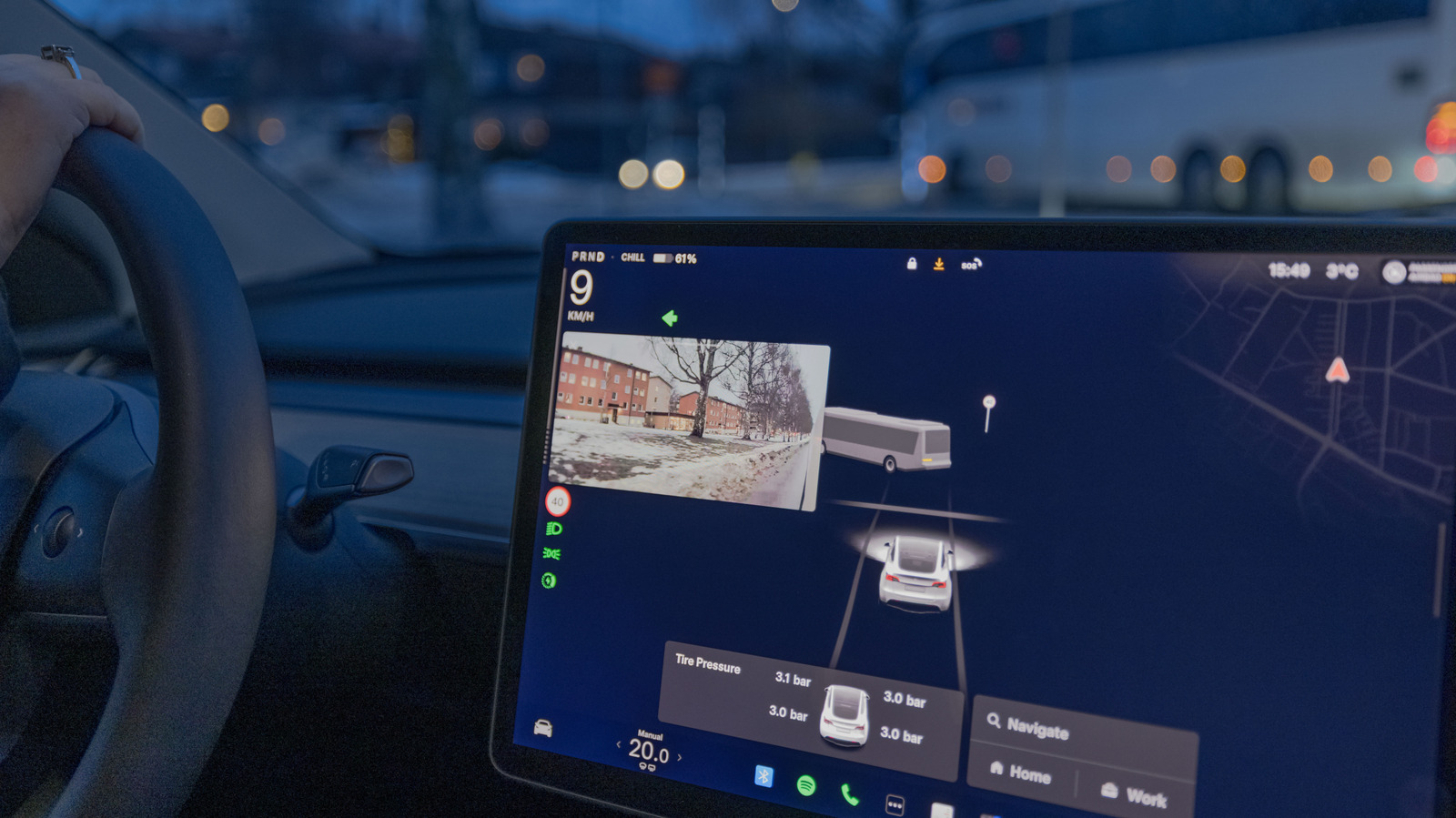
Despite this clear legal hurdle, Tesla continued to aggressively market the FSD software option to prospective buyers of China-made vehicles, collecting a lump-sum payment of approximately $6,726 (or ongoing subscription fees) for an add-on that could not legally be switched on. Public records indicate that Tesla only recently initiated the formal process of seeking FSD certification for its China-manufactured lineup, even though it had been charging customers for the software capabilities for more than three years.
A Timeline of Expansion and Omission
The collision between Tesla’s sales strategy and South Korea’s vehicle regulations has been years in the making. The timeline of events highlights how surging import volumes of China-made Teslas exacerbated the issue:
- 2023: Tesla significantly ramped up the export of China-manufactured vehicles to South Korea to meet surging regional demand. Since this pivot, the automaker has sold more than 170,000 China-made vehicles in the country.
- 2024: Sales data revealed that approximately 99% of all new Tesla vehicles sold in South Korea were manufactured in China, meaning nearly every new buyer was purchasing an ineligible vehicle relative to the prevailing legal framework for FSD deployment.
- Late 2024 to Early 2025: Consumer complaints began to mount as owners discovered their newly purchased software packages remained permanently inactive due to regulatory roadblocks. Tesla marketing materials during this period frequently advertised FSD as "coming soon" and featured promotional demonstration videos filmed locally in South Korea, without explicitly or prominently disclosing that the technology was legally restricted to a tiny fraction of the fleet.
- Late 2025: Seo Young-deuk, the country manager for Tesla Korea, offered preliminary testimony revealing that only 20% of all registered Teslas in the country possessed the U.S.-import compliance required to legally utilize FSD.
- November 2026: Consumer advocacy groups finalized their dossier for submission to the KFTC, accusing Tesla Korea of deceptive trade practices, misleading advertising, and unfair financial enrichment.
The Consumer Advocacy Group’s Demands
The forthcoming complaint to the KFTC argues that Tesla deliberately obscured regulatory realities to drive high-margin software sales. By bundling or selling FSD as an immediate upgrade without issuing prominent disclaimers regarding vehicle origin and regulatory certification status, the company allegedly induced consumers into paying thousands of dollars for non-functional digital assets.
The consumer advocacy coalition is asking the KFTC to take decisive action. Their petitions include:
- Issuing a temporary cease-and-desist order halting the marketing and sale of FSD for ineligible vehicles in South Korea.
- Imposing severe administrative fines against Tesla Korea for deceptive trade practices.
- Referring the case to state investigators and prosecutors for potential criminal review regarding consumer fraud.
Legal Precedents and Judicial Hurdles
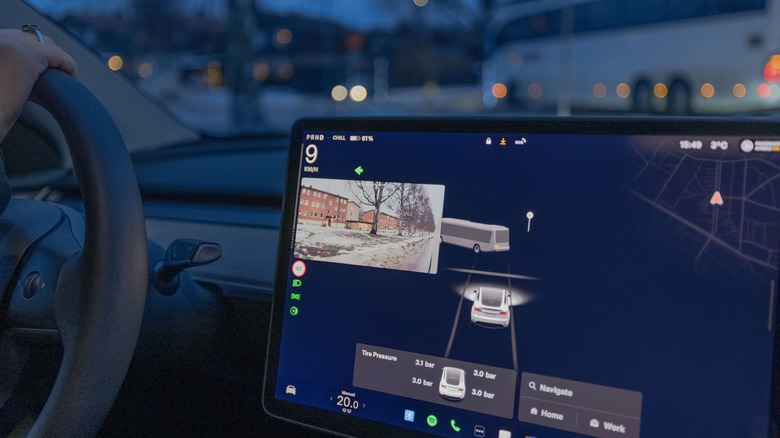
While regulatory bodies like the KFTC possess broad powers to penalize misleading corporate advertising, securing direct financial restitution through the civil court system has proven exceedingly difficult for affected vehicle owners.
The limitations of consumer litigation were underscored when a court in Seoul officially dismissed a class-action lawsuit filed by South Korean Tesla owners seeking full refunds for their purchased FSD options. In its ruling, the court rejected the argument that Tesla had fundamentally failed to deliver a contracted product. Instead, the judicial body placed the responsibility on the complex web of regional regulatory and legal restrictions that governed software deployment, ruling that the external legal environment—rather than an explicit breach of contract by the manufacturer—was responsible for limiting the immediate rollout of future software functions.
Legal analysts point out that while the court’s decision absolved Tesla of immediate breach-of-contract liability in that specific civil suit, it does not shield the company from regulatory penalties under South Korea’s robust consumer protection laws. The KFTC operates under different statutory standards than civil courts, focusing primarily on whether corporate advertising practices, omissions, and marketing representations have the capacity to mislead the general public.
Broader Economic and Corporate Implications
The situation in South Korea reflects a broader, global challenge for Tesla as it attempts to commercialize its supervised Full Self-Driving technology across heavily regulated international markets. Unlike the United States, where regulatory oversight of driver-assistance systems is largely decentralized and reactive, international jurisdictions—particularly within the European Union and East Asia—maintain rigorous type-approval processes that require explicit authorization before advanced software can be activated on public thoroughfares.
For Tesla, the financial and reputational fallout in South Korea could extend far beyond potential KFTC fines. South Korea is a highly digitized, tech-forward automotive market where brand loyalty can be quickly eroded by perceptions of corporate dishonesty or disregard for local legal structures. Furthermore, if the KFTC issues a formal reprimand or enforces a sales ban on uncertified software features, it could establish a powerful precedent for other international regulatory bodies currently evaluating Tesla’s software marketing claims.
As the KFTC prepares to review the comprehensive consumer complaint, Tesla Korea faces mounting pressure to clarify its compliance timeline for its China-manufactured fleet, clarify its sales disclosures, and address the grievances of thousands of motorists who paid for a driving future that local laws currently forbid.