Mercedes-Benz Strategic Product Roadmap 2027 Signals Massive Portfolio Expansion Amidst Technological Transition

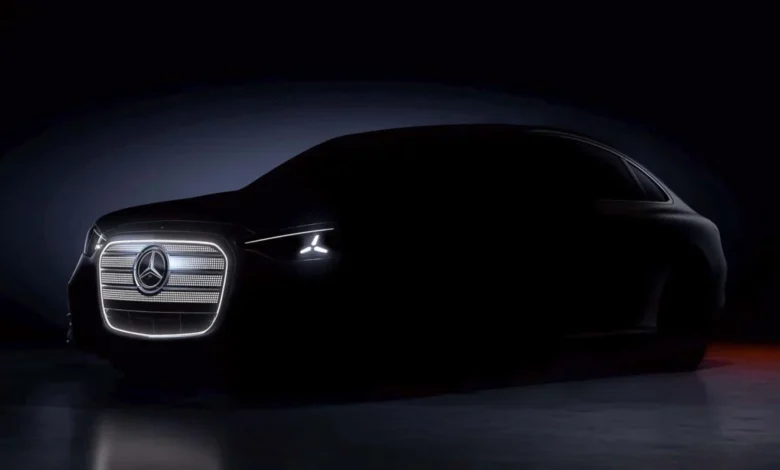
As Mercedes-Benz approaches its historic 140th anniversary in 2026, the Stuttgart-based automaker is setting the stage for a period of aggressive industrial acceleration. Far from resting on the laurels of its long-standing automotive legacy, the company is preparing to launch at least seven major new models by the end of 2027, with several additional variants currently in the advanced stages of development. This initiative represents a critical juncture in the brand’s evolution, as it attempts to balance the high-performance demands of its traditional internal combustion engine (ICE) loyalists with the inevitable, rapid transition toward full-scale vehicle electrification.
The upcoming product cycle is defined by a hybrid philosophy. While electric vehicles (EVs) are slated to take center stage in the brand’s long-term strategy, management has signaled that the six- and eight-cylinder combustion engines—hallmarks of the Mercedes-AMG engineering ethos—are not yet being retired. Instead, these powerplants will undergo significant electrification, incorporating mild-hybrid and plug-in hybrid (PHEV) systems to meet increasingly stringent global emissions regulations while preserving the performance characteristics that define the luxury segment.
The Evolution of the Entry-Level Portfolio
The A-Class, which at one point appeared to be approaching the end of its life cycle within the European market, has received a reprieve. Mercedes-Benz has confirmed that production will continue through 2028, with a significant generational successor scheduled for a late 2027 unveiling. This next iteration is expected to mark a departure from the current low-slung hatchback design.
Industry analysts suggest that the new A-Class will draw inspiration from the model’s original "sandwich-floor" architecture, characterized by a taller, more upright stance and a profile that bridges the gap between a traditional hatchback and a compact crossover. By utilizing the MMA (Mercedes Modular Architecture) platform—the same foundation supporting the upcoming CLA and GLA—the company aims to maintain a competitive entry-level price point while integrating advanced software and electrification capabilities that were previously reserved for higher-tier models.
The Little G: Expanding the Icon
Perhaps the most highly anticipated addition to the lineup is the "Baby G," a compact off-roader designed to capture the aesthetic and brand equity of the legendary G-Wagen in a more accessible form factor. Since its debut in 1979, the G-Class has served as the flagship for Mercedes’ off-road prowess, defined by its ladder-frame construction and uncompromising utility.
The Baby G, arriving in late 2027, will pivot away from the traditional body-on-frame design in favor of a modified MMA platform. This shift allows for a more versatile, space-efficient chassis capable of supporting both pure electric and hybrid powertrains. While approximately 12 inches shorter than the standard G-Class, the vehicle is expected to retain the iconic boxy silhouette and signature "go-anywhere" capability that has made the larger model a perennial bestseller. Standard all-wheel drive is anticipated across all variants, reinforcing the company’s commitment to maintaining the G-Class’s rugged reputation despite the technological downsizing.
Performance and the AMG Dilemma
The performance landscape for Mercedes-AMG is undergoing a period of intense re-evaluation. The previous decision to replace the V8 engine in the C63 AMG with a high-output four-cylinder plug-in hybrid system sparked significant debate among automotive enthusiasts. Recognizing this, the 2027 rollout reflects a more nuanced approach.
The upcoming C53 AMG will utilize a 3.0-liter turbocharged inline-six, producing a substantial 449 horsepower and 443 lb-ft of torque. This engine, already proven in the CLE 53, offers a middle ground for performance seekers. Meanwhile, internal reports indicate that Mercedes is considering a two-pronged strategy for the flagship C63 replacement. One potential path involves the return of the V8, likely paired with an advanced hybrid system to meet performance targets, while a secondary path explores a dedicated, high-performance electric variant. The decision to potentially reintroduce the V8 underscores the company’s acknowledgement that high-end performance customers often equate cylinder count with brand prestige.
The E-Class Transformation and the EQE Transition
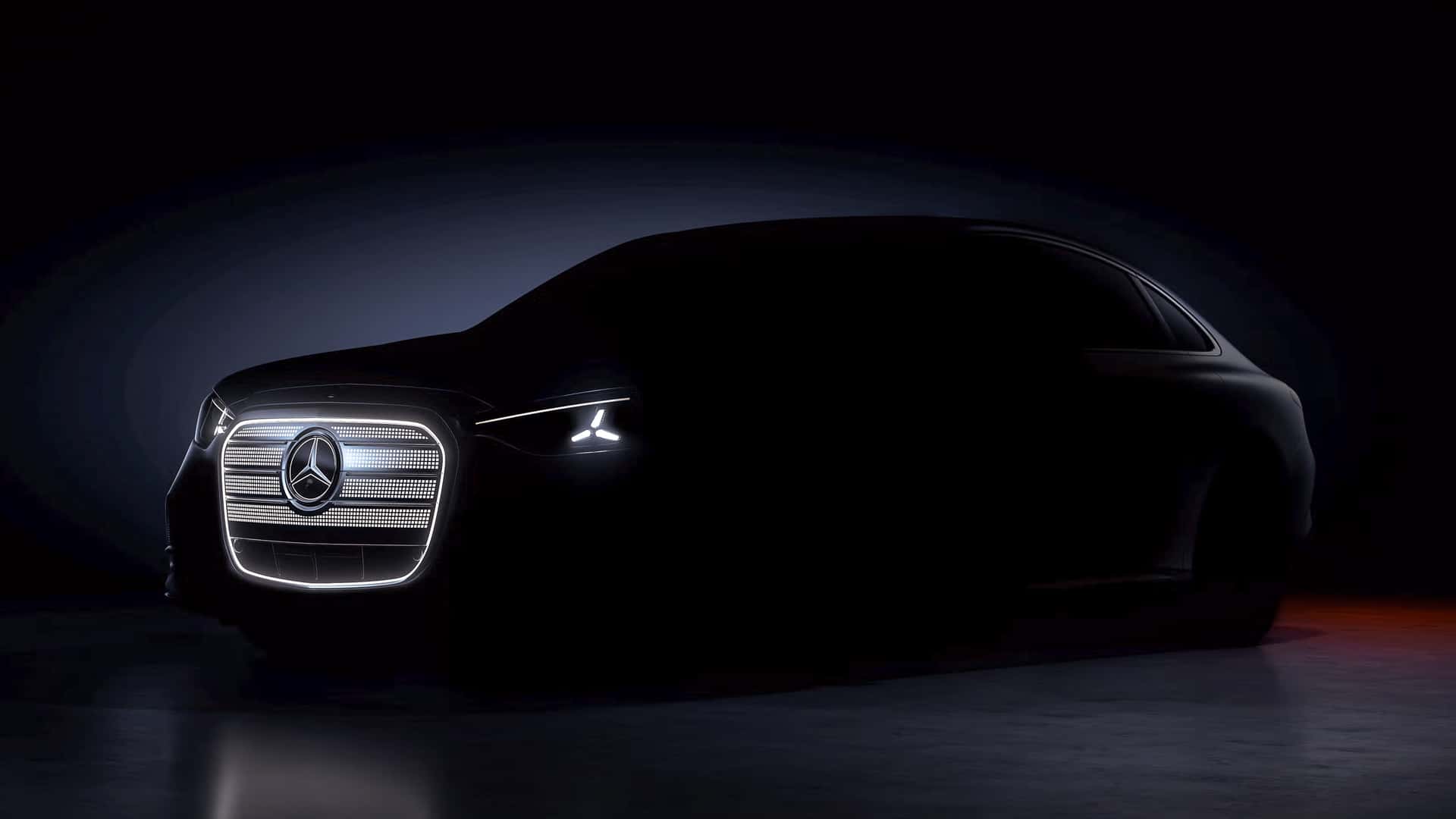
The E-Class, long considered the backbone of the Mercedes-Benz sedan range, is poised for a significant structural shift. In a move designed to simplify its nomenclature and manufacturing processes, the next-generation E-Class will incorporate an all-electric variant that effectively absorbs the market position of the current EQE.
However, unlike some competitors that have opted for a "pure EV" strategy, Mercedes-Benz will continue to offer traditional combustion-engine versions of the E-Class on a separate, optimized platform. This bifurcated approach allows the company to serve diverse global markets where infrastructure for electric vehicles remains uneven. These models will utilize the MB.EA-M architecture, ensuring that the technology suite, including the massive MBUX Hyperscreen dashboard, remains consistent regardless of the propulsion method.
The Return of the G-Class Cabriolet
In a nod to its most affluent and nostalgic customer base, Mercedes-Benz is reintroducing the G-Class Cabriolet. Historically a niche product, the open-top G-Class will be exclusively positioned within the AMG 63 performance tier. Expected to launch in 2027, it will feature the brand’s proven twin-turbocharged 4.0-liter V8, delivering 612 horsepower. The defining feature, a retractable fabric roof, will allow the model to offer an open-air experience that is currently absent from the high-end off-road market. While sales volumes will be limited, the model serves as a vital halo vehicle for the brand’s 140th-anniversary celebrations.
Hybridization of the GLA and GLC
The SUV segment remains the most critical area for volume, and Mercedes is responding by deepening the integration of hybrid technology into its crossovers. The GLA Hybrid, arriving in early 2027, will utilize a 1.5-liter four-cylinder engine paired with a 22.0-kilowatt electric motor. This configuration is expected to provide a seamless transition between electric-only city driving and long-distance combustion-powered travel. With three power tiers ranging from 136 to 190 horsepower, the GLA aims to dominate the premium compact crossover segment.
Similarly, the GLC—both in SUV and Coupe formats—will undergo a powertrain overhaul. Following the model established by the C-Class, the 2027 GLC will offer a comprehensive range of mild-hybrid gasoline and turbodiesel engines, alongside a sophisticated plug-in hybrid system. The PHEV variant, equipped with a 19.5-kWh battery, is projected to deliver an electric-only range of approximately 62 miles, a benchmark figure for the segment that significantly enhances the vehicle’s utility for daily commuting.
Market Implications and Future Outlook
The 2027 product offensive is not merely a list of new models; it is a manifestation of Mercedes-Benz’s "Ambition 2039" strategy, adapted to account for current market volatility. By maintaining a dual-path strategy—investing in both the refined combustion engines of the past and the advanced battery-electric architectures of the future—Mercedes-Benz is mitigating the risk associated with the unpredictable pace of global EV adoption.
Industry analysts observe that this "flexibility-first" approach is a calculated move to protect profit margins. Developing separate platforms for ICE and EV models is capital-intensive, but it provides the brand with the agility to shift production based on regional demand. If EV adoption in Europe or North America slows, the company can pivot to its highly profitable mild-hybrid combustion models without a total loss of investment.
As Mercedes-Benz looks toward 2027, the company is effectively hedging its future. By revitalizing iconic nameplates like the G-Class and the A-Class, while simultaneously pushing the boundaries of hybrid and electric engineering, the automaker aims to ensure that it remains the benchmark for the global luxury market as it navigates the most significant technological disruption in its 140-year history. The success of these seven models will ultimately determine whether this dual-track strategy can successfully bridge the gap between traditional automotive heritage and the inevitable electric future.