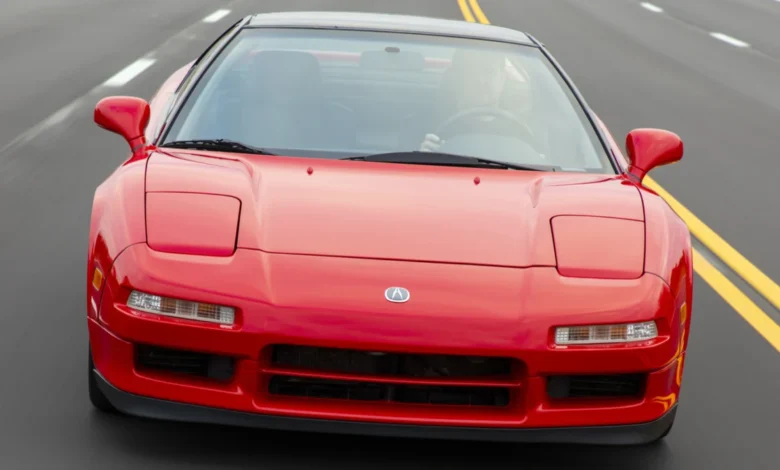
The automotive landscape is increasingly dominated by electrification, autonomous driving technology, and disposable mobility. Yet, a counter-movement led by manufacturers and purists alike is securing the future of analog automotive history. Honda Motor Co. has firmly established its stake in this movement by introducing its comprehensive Heritage Parts program to the United States. Following an initial rollout in its domestic Japanese market, American Honda has announced the availability of over 3,000 factory-reproduced and replacement components specifically tailored for the first-generation Acura NSX.
This strategic initiative targets models produced between 1991 and 2005. By offering factory-backed solutions for maintenance, service, and full restoration, Honda is attempting to solve one of the most pressing challenges facing classic supercar owners: finding authentic, high-quality replacement parts. The program aims to safeguard the roadworthiness of these mid-engine Japanese icons, ensuring they remain functional and pristine for current enthusiasts and future generations.
The Anatomy of the Honda Heritage Parts Program
The architecture of the Honda Heritage Parts program is divided into two distinct categories designed to address varying needs within the classic car ecosystem. The first category comprises Genuine Honda Reproduction Parts. These components are manufactured using the original blueprints, technical drawings, and specifications, utilizing either the identical manufacturing methods and materials as the originals or modern metallurgical and chemical advancements that match the OEM tolerances precisely. The NSX inventory currently relies heavily on this tier, recreating complex components that have long been absent from dealership catalogs.
The second category features Honda Compatible Parts. These are newly developed components engineered to replace outdated original parts using contemporary technology and materials while maintaining complete compatibility with the vintage vehicle architecture. This dual-pronged approach allows Honda to address both historical authenticity and functional improvements where original manufacturing techniques are no longer viable or compliant with modern material standards.
For American owners, accessing these components has been streamlined through the nationwide network of Acura dealerships as well as the digital Honda DreamShop platform. Whether an enthusiast is undertaking a comprehensive, ground-up garage restoration or simply performing routine preventative maintenance, the catalog provides unprecedented access to factory-certified hardware.
Comprehensive Inventory Across Mechanical and Cosmetic Categories
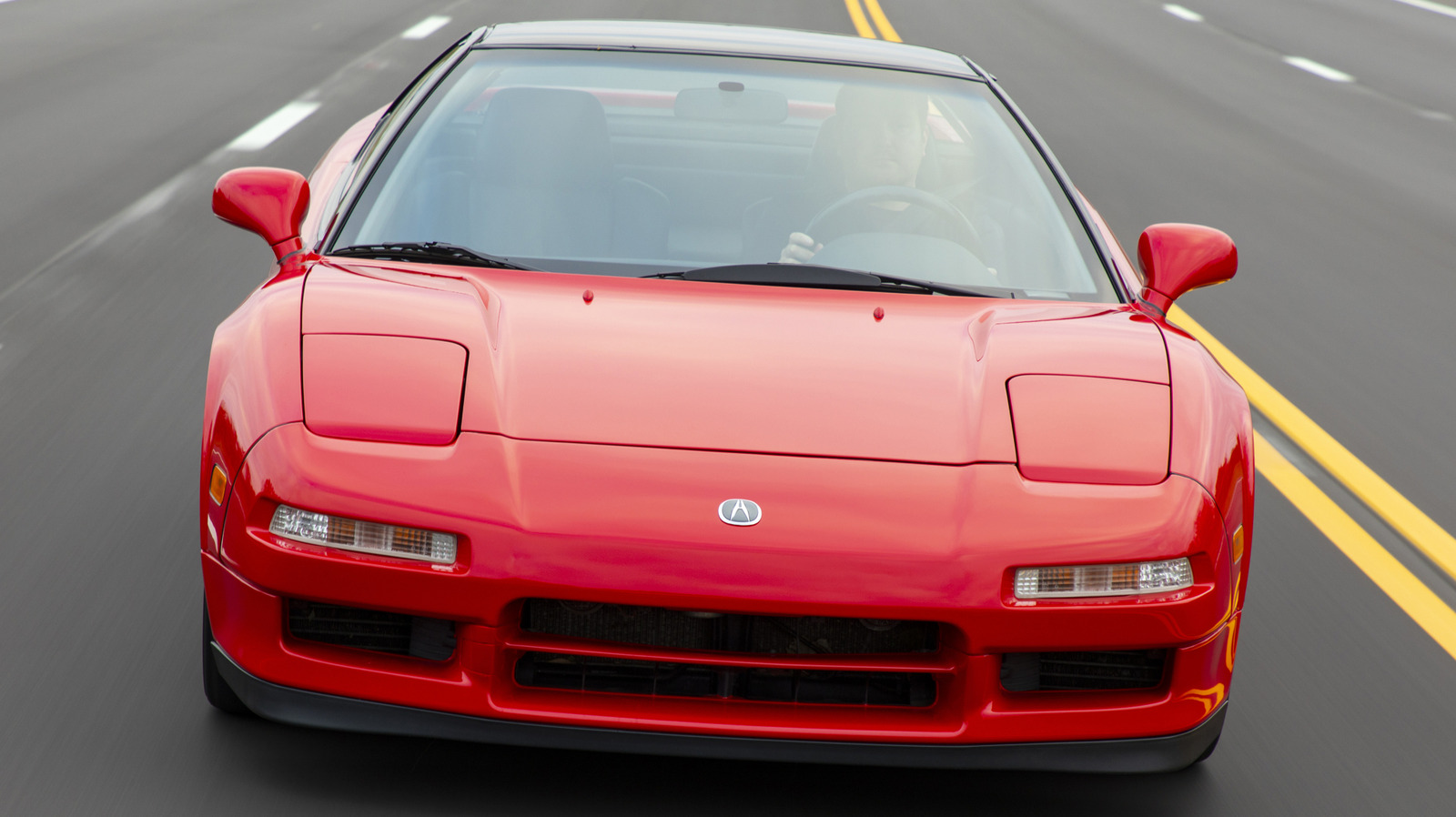
The scope of the 3,000-plus part catalog is remarkably exhaustive, accounting for the numerous running changes, trim levels, and transmission options introduced throughout the first-generation NSX’s fourteen-year production run. Ownership of a 1991 early-production coupe versus a 2005 post-facelift Alex Zanardi Edition or a Targa-top variant involves distinct mechanical and cosmetic nuances. The Heritage catalog accounts for these variables, categorizing parts meticulously by year, model, trim, and transmission type.
For instance, an owner of a 1994 NSX equipped with the four-speed automatic transmission can source complex engine components that were previously considered unobtainable outside of salvaged donor cars. The catalog includes fuel injectors, throttle bodies, exhaust manifold components, alternators, oil coolers, mounting hardware, cylinder head covers, camshafts, and timing belts.
The powertrain support extends deep into both the automatic and manual transmission assemblies. New transmission cases, gear shafts, fastening bolts, shift forks, and internal shift levers are now available directly from the manufacturer. Cooling and exhaust systems are similarly represented, with newly manufactured radiators, exhaust systems, and electrical connectors.
Visibility and electrical integrity have also been prioritized. Owners can acquire brand-new, factory-correct headlights, taillights, and complete interior gauge clusters. Furthermore, the program addresses the common issue of windshield degradation and pitting by offering genuine replacement windshield glass. Structural and dynamic integrity is maintained through the availability of reproduced wheels, high-performance braking system components, and OEM-spec shock absorbers.
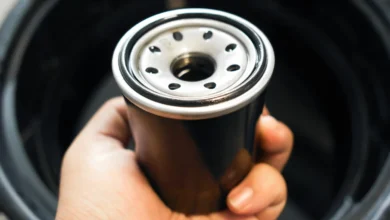
Interior touchpoints—often the first areas to show wear in classic vehicles—have not been overlooked. A vast array of interior trim pieces, dashboard components, and switches can now be ordered. For daily upkeep, routine service consumables such as spark plugs, wiper blades, high-pressure fuel pumps, and genuine oil filters ensure that vehicles can be driven regularly without compromising their mechanical health.
Corporate Perspective and Strategic Vision
The formal introduction of the Heritage Parts program to the United States underscores a broader corporate strategy among legacy automakers to support their historical fleets. Mamadou Diallo, Executive Vice President at American Honda Motor Co., emphasized the cultural and emotional significance of the initiative during the announcement.
"Honda Heritage Parts was created to help our customers enjoy their classic Acura and Honda performance models, and it’s appropriate that we begin with an iconic model like the first-generation Acura NSX," Diallo stated. "By supporting our customers in preserving the legacy of the NSX, we’re celebrating our shared passion for these iconic sports cars and keeping them on the road for today’s enthusiasts and future generations."
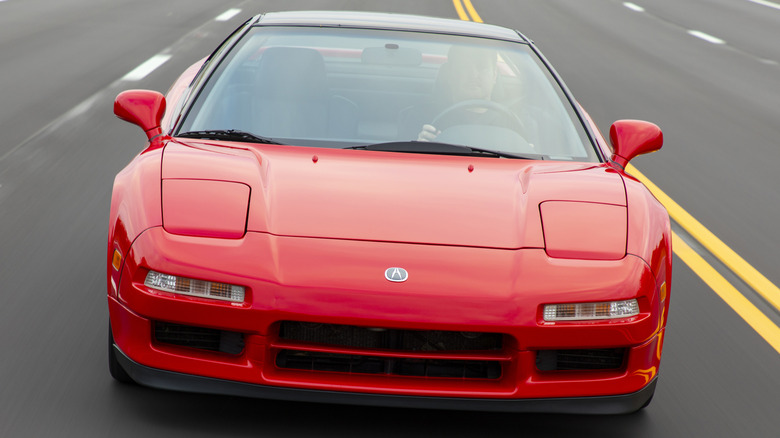
This philosophy reflects an evolving understanding of brand equity. Manufacturers increasingly recognize that the longevity and sustained collectibility of their historical halo cars directly influence the prestige of the brand as a whole. By actively supporting cars built decades ago, Honda reinforces the engineering credibility, durability, and timeless appeal of its product portfolio.
Bridging Parts Supply with Full Factory Restoration Services
While the availability of 3,000 individual components solves the supply chain bottleneck for independent mechanics and DIY restorers, Honda’s commitment to the first-generation NSX extends further. Earlier this year, the manufacturer launched the Honda Restoration Service in Japan. This factory-backed program offers comprehensive, turnkey restoration packages for Japanese Domestic Market (JDM) first-generation NSX models, utilizing the exact reproduced parts now being sold in the United States.
While the comprehensive factory restoration service remains exclusive to Japan for now, the parallel U.S. rollout of the parts catalog empowers American restoration shops and specialized technicians to perform factory-standard rebuilds domestically. This dual strategy ensures that whether a vehicle undergoes a localized mechanical refresh or a complete chassis-off restoration, the inputs remain authentic to Honda’s rigorous quality standards.
Chronology of the First-Generation NSX and the Heritage Initiative
The genesis of the Acura NSX dates back to the late 1980s when Honda set out to challenge the established European supercar hierarchy. Utilizing insights from legendary Formula One driver Ayrton Senna during development at Suzuka Circuit, the all-aluminum monocoque sports car debuted for the 1991 model year, featuring a high-revving 3.0-liter V6 engine equipped with VTEC (Variable Valve Timing and Lift Electronic Control).
Throughout its production run from 1991 to 2005, the NSX underwent several critical evolutions. In 1995, the open-top Targa variant—known as the NSX-T—was introduced alongside electronic throttle control. A significant mechanical refresh occurred in 1997, increasing engine displacement to 3.2 liters for manual-transmission variants and introducing a six-speed manual gearbox. The final aesthetic update arrived in 2002, replacing the iconic pop-up headlights with fixed xenon headlamps and widening the rear tires for enhanced stability.
Despite the conclusion of production two decades ago, the first-generation NSX has retained a fiercely loyal following and experienced significant appreciation in the collector car market. Recognizing the dwindling supply of OEM replacement parts—particularly for fragile aluminum body panels, specialized electronics, and proprietary engine internals—Honda initiated its archival review of technical blueprints several years ago.
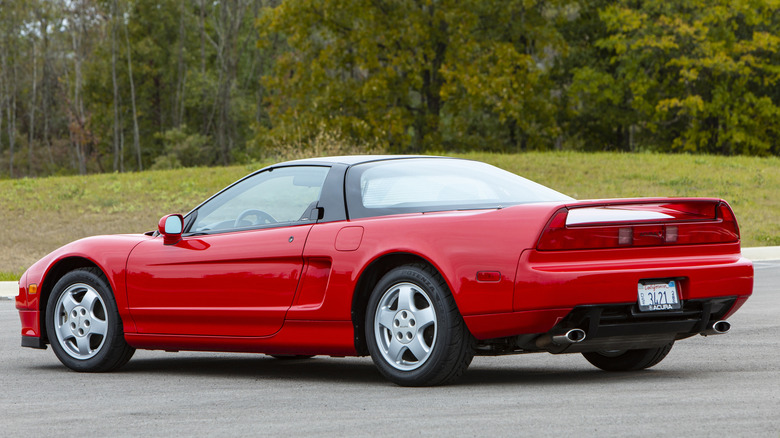
The successful implementation of the heritage parts supply chain in Japan served as the proof-of-concept for the current expansion into the North American market, matching the geographic distribution of a massive concentration of surviving NSX models.
Broader Industry Implications and the Market for Classic Supercars
Honda’s investment in the NSX Heritage Parts program places the company alongside a select group of global manufacturers—including Porsche, Nissan, Mazda, and BMW—that have established dedicated classic divisions. These programs reflect a structural shift in how automotive heritage is managed. Rather than leaving the maintenance of historical models entirely to the aftermarket and salvage yards, manufacturers are leveraging their original intellectual property and manufacturing networks to capture a lucrative segment of the collector market.
For owners and investors, the availability of factory-certified parts provides a tangible safeguard against the depreciation risks associated with unobtainable mechanical failures. Components that previously required expensive custom fabrication or risky purchases of used, unverified inventory can now be acquired with OEM certification. This institutional backing stabilizes the long-term viability of driving and maintaining these vehicles.
As internal combustion engines face increasing regulatory pressure, programs like Honda’s ensure that automotive history remains operational rather than static. By keeping the first-generation Acura NSX mechanically viable on American highways, Honda is preserving a golden era of engineering, ensuring that the legacy forged in the early 1990s continues to be experienced by drivers for decades to come.