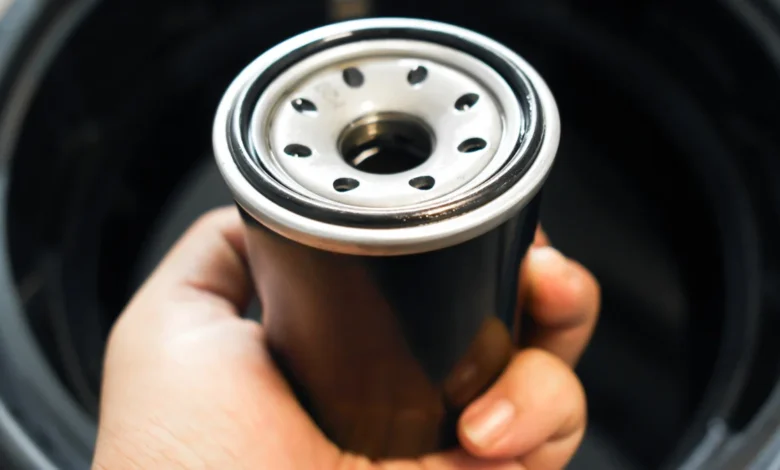
Modern internal combustion engines are marvels of tight tolerances, high pressures, and extreme thermal dynamics. Within this complex mechanical ecosystem, engine oil acts as the lifeblood, reducing friction, carrying away heat, and sweeping away microscopic wear particles. However, the cleanliness of that oil is entirely dependent on a component that many motorists take for granted: the engine oil filter. While budget-conscious vehicle owners frequently look to save a few dollars on routine maintenance items, opting for cheap, unbranded, or low-tier oil filters can introduce catastrophic risks. Far from being a simple metal canister filled with paper, a properly engineered oil filter is a sophisticated filtration system. Understanding the internal engineering differences between budget and premium filters reveals why cutting corners here can lead to multi-thousand-dollar engine replacements.
The Core Function and Evolution of Automotive Oil Filtration
To appreciate the importance of filter quality, one must first examine the operational environment of a modern engine. As components like piston rings, camshafts, and crankshaft bearings move at high speeds, minute amounts of friction inevitably generate metallic debris, soot, and varnish. Left unaddressed, these abrasive particles act like liquid sandpaper, accelerating wear on critical engine bearings and cylinder walls.
Historically, early automotive engines lacked full-flow filtration entirely, relying instead on settling basins or partial-flow bypass systems that filtered only a fraction of the oil at any given time. It was not until the mid-20th century that the modern spin-on full-flow oil filter became an industry standard. This design ensured that 100% of the oil pumped by the oil pump passed through the filter media before reaching the engine’s vital galleries.
Over the decades, engine tolerances have shrunk from thousandths of an inch to mere microns. Consequently, contemporary filtration demands have skyrocketed. Today’s high-performance and extended-drain engines require filters capable of capturing microscopic contaminants without restricting oil flow, turning a basic maintenance accessory into a highly engineered piece of automotive technology.
Anatomy of an Oil Filter: Cheap Versus Premium Construction
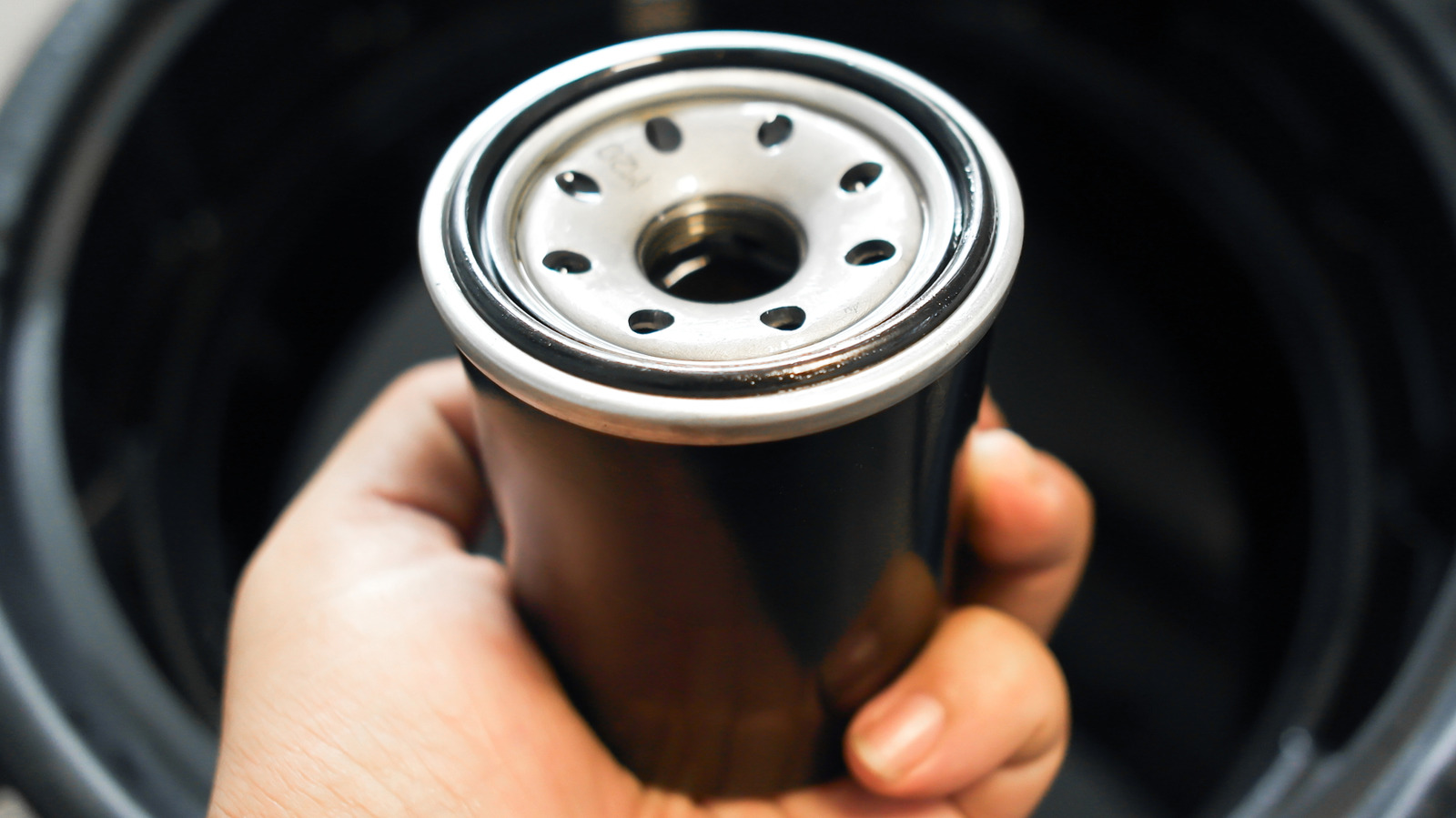
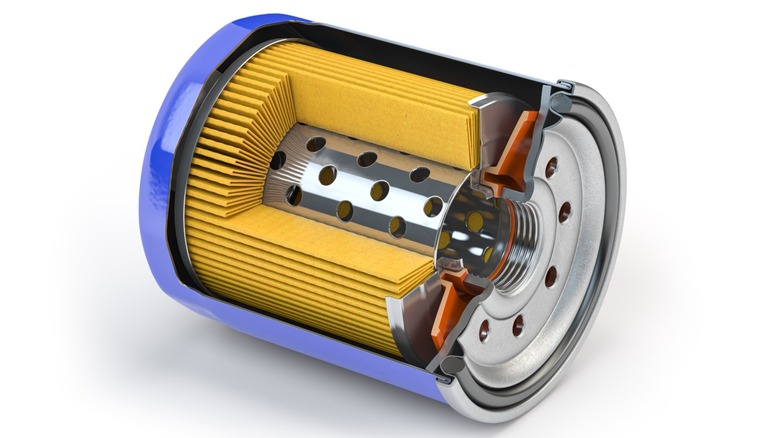
To the casual observer standing in an auto parts store aisle, a five-dollar economy oil filter looks virtually identical to a fifteen-dollar premium unit. Both feature a cylindrical metal canister, a threaded base plate with fluid inlet and outlet ports, and a rubber sealing gasket. However, dissecting these filters reveals profound differences in materials, manufacturing precision, and structural integrity.
Filter Media Composition and Efficiency
The heart of any oil filter is the filter media—the porous material designed to trap contaminants while allowing clean oil to pass through. Budget filters typically rely on cellulose, a low-cost media manufactured from wood pulp fibers. While cellulose provides adequate initial filtration for standard driving conditions, its irregular fiber matrix tends to swell and degrade over time when exposed to hot engine oil and chemical byproducts. Furthermore, cellulose fibers feature relatively large gaps, limiting their ability to trap sub-micron particles.
In contrast, premium filters utilize advanced synthetic or microglass media. These materials consist of microscopic, uniform glass or synthetic fibers that create a dense, highly tortuous labyrinth for oil to traverse. This allows premium filters to trap particles as small as 10 to 20 microns—often with efficiencies exceeding 99%—while maintaining superior flow rates and vastly greater dirt-holding capacities.
Critical Internal Valves: Anti-Drainback and Bypass Mechanisms
Beyond the media itself, an oil filter houses two critical internal valves that dictate its performance during extreme operating conditions:
-
The Anti-Drainback Valve: Positioned just inside the inlet holes of the filter, this flexible rubber flap prevents oil from draining out of the filter and back into the oil pan when the engine is turned off. When the vehicle is restarted, this retained oil ensures immediate lubrication to vital engine components, drastically minimizing dry-start wear during those crucial first few seconds of operation. Budget filters often utilize cheap nitrile rubber for this valve, which hardens, cracks, and loses elasticity over time, particularly under high engine bay temperatures. Premium filters use high-grade silicone valves that remain pliable and leak-free across extreme temperature swings, often lasting through extended oil change intervals.
-
The Bypass Valve: If an oil filter becomes completely clogged with debris, or if the engine is started in sub-zero temperatures when the oil is thick and viscous, oil pressure can spike dangerously. To prevent the engine from being starved of oil—a scenario that would cause catastrophic bearing seizure within seconds—a bypass valve opens to allow unfiltered oil to circulate. Cheap filters frequently feature poorly molded plastic bypass valves that can warp or fail to seat correctly, potentially allowing unfiltered oil to bypass the media even during normal operation. Premium filters employ precision-calibrated, spring-loaded steel bypass valves that open strictly under designated pressure thresholds.
Structural Integrity and Housing Strength
The exterior canister and internal supporting components must withstand continuous oil pressures ranging from 40 to over 100 pounds per square inch (psi), alongside severe thermal cycling and engine vibrations.
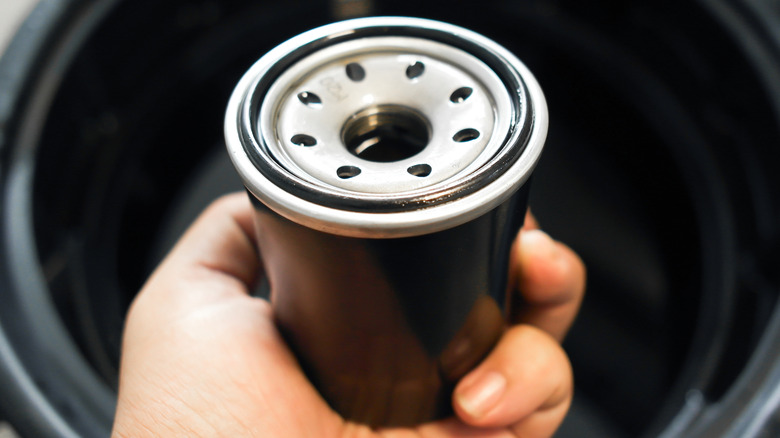
Economy filters frequently cut costs by utilizing thin-gauge steel for the outer canister, lightweight cardboard or plastic end caps, and flimsy corrugated paper center tubes. Under sustained high pressure or pressure spikes caused by high-RPM acceleration, these substandard components can buckle, rupture, or collapse internally. When a center tube collapses, the filter media shreds, releasing a concentrated wave of trapped contaminants directly into the engine’s oil galleries. Furthermore, degraded end-cap adhesives can fail, allowing oil to bypass the filtration media entirely.
Premium filters, by contrast, utilize heavy-gauge steel canisters, robust steel end caps, corrugated steel center support tubes, and durable synthetic rubber or silicone base gaskets. These reinforced structures ensure the filter maintains its structural integrity throughout the entire recommended service interval, even under the punishing demands of track driving, heavy towing, or harsh winter climates.
Historical Context and Industry Evolution
The automotive aftermarket has witnessed significant shifts in consumer purchasing behavior over the past thirty years. The rise of e-commerce platforms and discount auto parts retailers has flooded the market with unbranded, white-label automotive components manufactured overseas to minimal compliance standards.
Historically, replacement filters were sourced primarily from established original equipment manufacturers (OEMs) or trusted tier-one aftermarket brands such as Wix, Fram, Bosch, Mobil 1, and K&N. These legacy manufacturers invested heavily in testing facilities, particle-counting laboratories, and strict quality control protocols governed by international standards such as ISO 4548 (methods for testing full-flow lubricating oil filters).
However, the proliferation of ultra-cheap, unbranded filters—often marketed through online marketplaces with vague specifications—has introduced new risks to everyday motorists. Automotive engineers and lubrication specialists have increasingly sounded alarms regarding counterfeit or substandard filters that mimic the exterior appearance of major brands while cutting vital internal corners. In the absence of universal regulatory mandates requiring third-party certification for aftermarket filters, the burden of quality verification falls heavily upon the consumer.
Economic and Mechanical Implications: A False Economy
The decision to purchase a budget oil filter is almost invariably driven by short-term financial considerations. A consumer looking to minimize the cost of an oil change might save three to seven dollars by selecting the cheapest filter option on the shelf. Over the course of a vehicle’s lifespan, this marginal savings accumulates to a negligible sum.
Conversely, the potential costs associated with a filter failure can be astronomical. Consider the mechanical cascade that occurs when a low-quality filter fails:
- Oil Starvation via Valve Failure: If a cheap anti-drainback valve fails, every cold start subjects the engine’s valve train and crankshaft bearings to metal-on-metal friction. Over tens of thousands of miles, this accelerates wear on camshaft lobes and lifters.
- Media Collapse and Contamination: If sub-standard filter media collapses or tears, accumulated metal shavings and carbon particulate are pumped directly through the engine oil passages. These abrasive particles embed themselves into soft engine bearing materials, scoring journals and ultimately leading to premature bearing failure, low oil pressure, and catastrophic engine seizure.
- External Leakage: A poorly manufactured base gasket or thin-gauge canister base plate can fail under pressure, leading to rapid external oil loss. If a driver fails to notice the oil pressure warning light or gauge in time, the engine can lose all of its lubrication within minutes, resulting in warped cylinder heads, seized pistons, and complete engine destruction.
When evaluated objectively, saving five dollars on an oil filter in exchange for a five-figure engine replacement bill represents one of the worst economic calculations a motorist can make.
Expert Guidance and Smart Purchasing Strategies
Navigating the automotive aftermarket does not mean motorists must exclusively purchase expensive dealership OEM filters. The aftermarket features numerous reputable brands that engineer high-performance filters tailored to specific driving applications, whether for daily commuting, extended oil change intervals, or heavy-duty towing.
Automotive experts recommend adhering to the following guidelines when selecting an oil filter:
- Stick to Reputable Brands: Purchase filters from established, industry-recognized manufacturers with proven track records in fluid dynamics and filtration technology, such as WIX, Mobil 1, Bosch, K&N, Denso, and Purolator.
- Match the Filter to Your Oil Change Interval: If you utilize synthetic oil and practice extended oil change intervals (e.g., 10,000 to 15,000 miles), ensure you select a premium filter explicitly rated for extended service, featuring synthetic media and a silicone anti-drainback valve.
- Avoid Unbranded or Deep-Discount No-Name Filters: Exercise extreme caution when purchasing unbranded filters from online third-party marketplaces where counterfeit automotive parts are prevalent. If a price seems too good to be true, it is likely being achieved through the omission of critical internal safety components.
- Inspect the Weight and Build Quality: As a general rule of thumb in the automotive industry, a well-constructed filter should feel reassuringly heavy and rigid. Flimsy, lightweight filters with thin metal canisters and poorly secured base plates should be avoided entirely.
Ultimately, the engine oil filter is a critical guardian of vehicular longevity. By treating filtration as an investment rather than an afterthought, vehicle owners can protect their engines, ensure reliable performance, and avoid devastating repair expenses down the road.
Related posts: