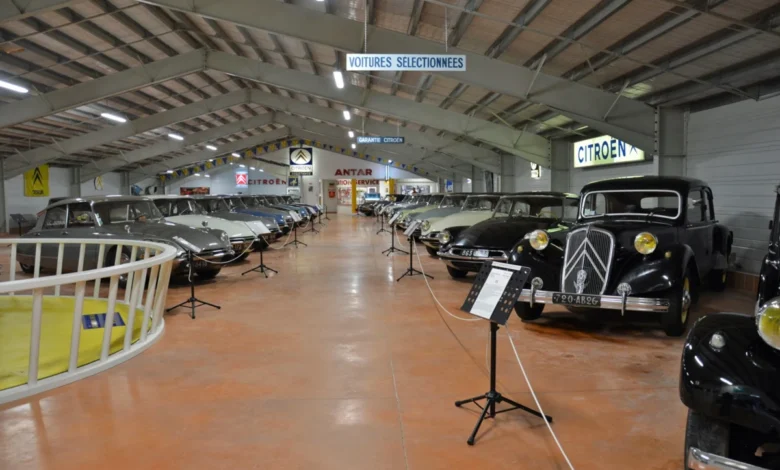
In the quiet, scenic commune of Castellane, nestled within the Alpes-de-Haute-Provence region of southern France, lies a private institution that has become a primary pilgrimage site for automotive historians and Francophiles alike. While the official company-owned Citroën Conservatoire in Paris remains the brand’s primary archive, the CitroMuseum, founded and curated by enthusiast Henri Fradet, offers a specialized perspective on the marque’s post-war history that is arguably unparalleled in its commitment to originality.
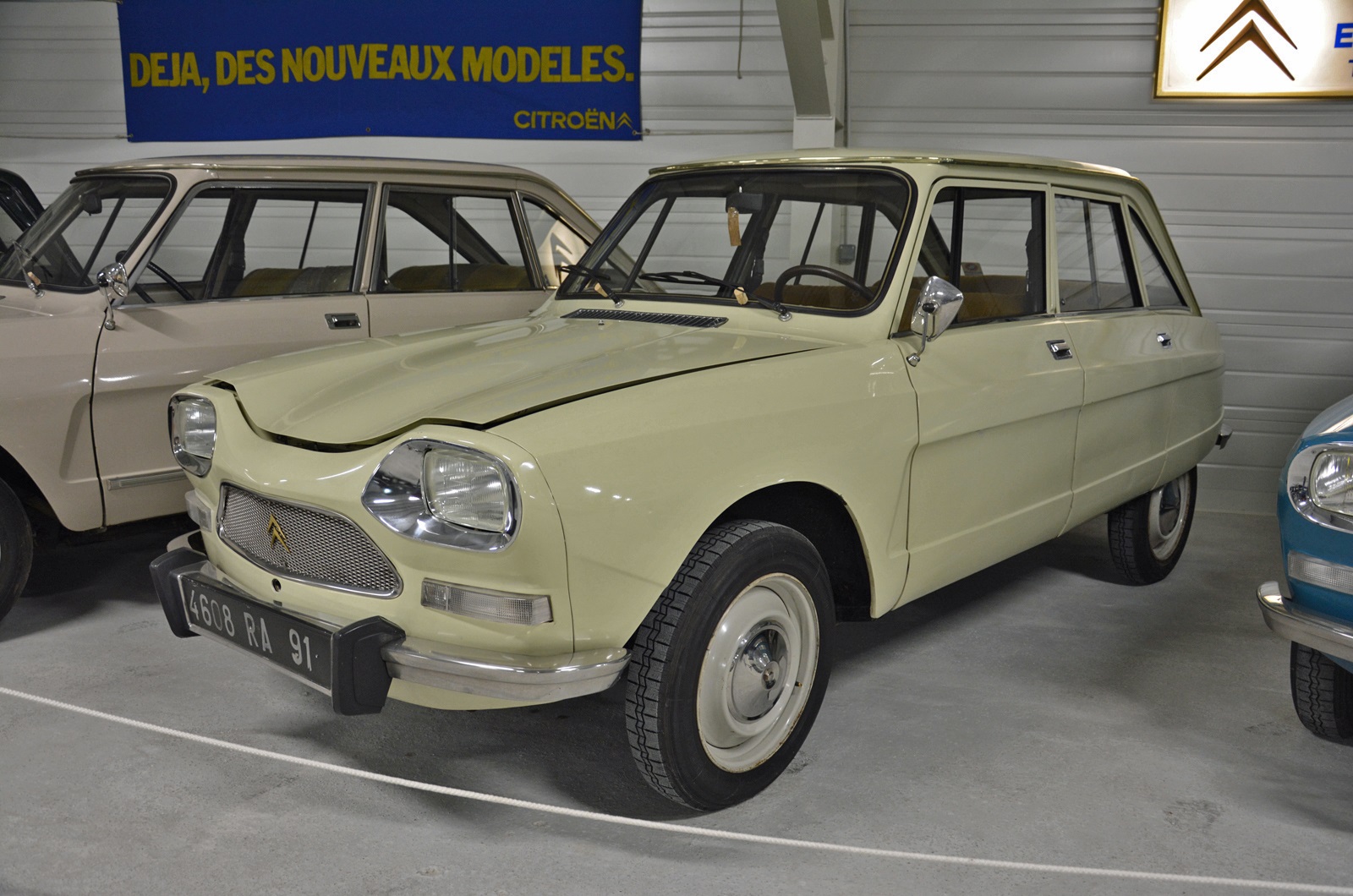
For over 40 years, Fradet has meticulously assembled a collection of more than 120 Citroën models, focusing almost exclusively on vehicles that remain in their factory-original, unrestored condition. This philosophy distinguishes the CitroMuseum from traditional automotive museums, which often prioritize pristine, over-restored examples. In Fradet’s view, a car is only original once; his collection serves as a physical record of how these vehicles looked, felt, and operated the day they left the assembly line.

The Architecture of the Collection: Three Eras of Innovation
The CitroMuseum is strategically organized into three distinct wings, each representing a specific epoch in the brand’s evolution and engineering philosophy. The first chamber focuses on the foundational post-war era, dominated by the Traction Avant and the revolutionary DS and ID series. The second wing is dedicated to the "people’s cars"—the 2CV and its numerous air-cooled derivatives. The third and most modern wing covers the era from the 1970s through the 1990s, showcasing the brand’s transition under Peugeot’s ownership and its continued experimentation with aerodynamics and digital technology.
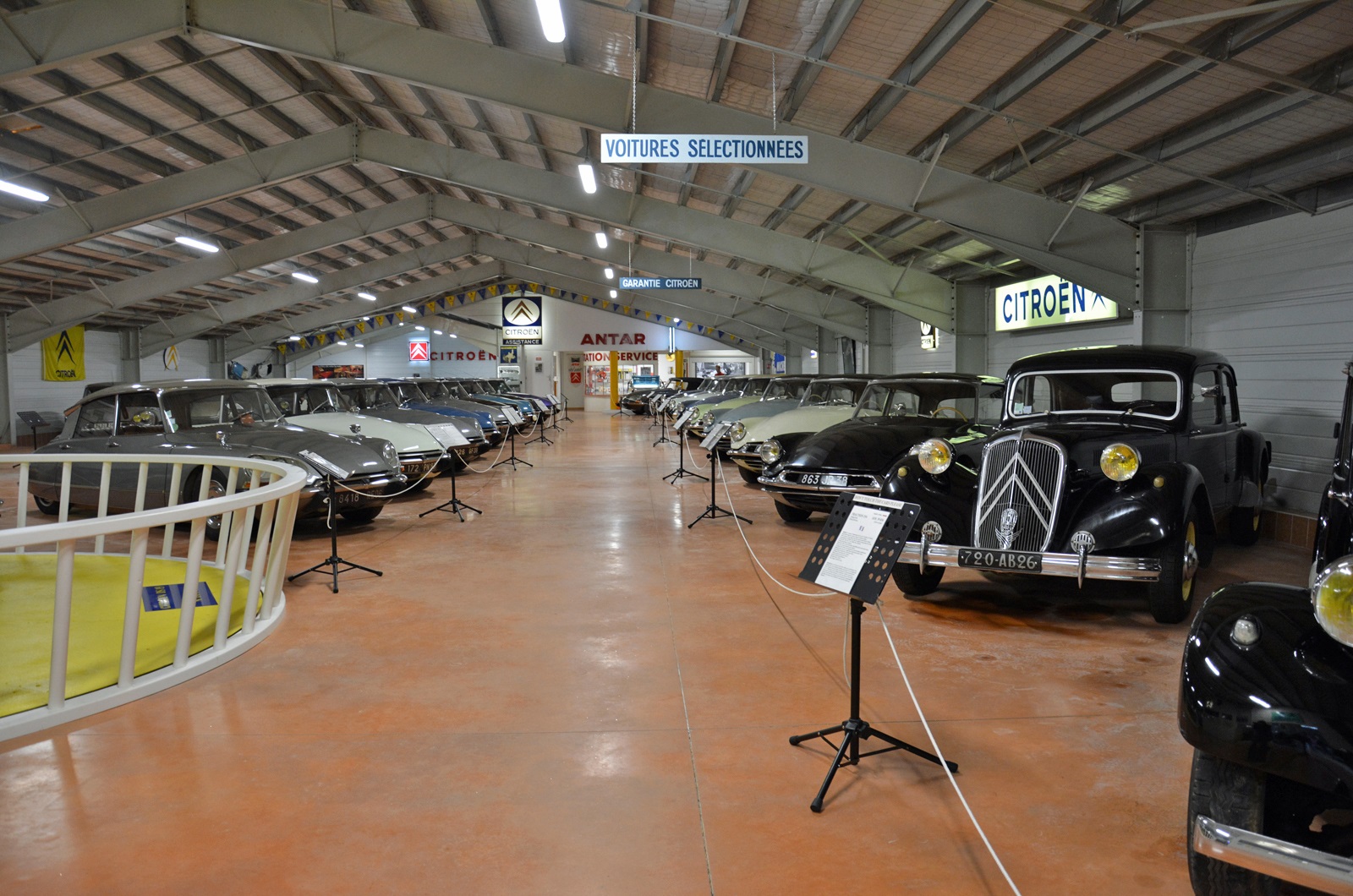
Beyond the vehicles themselves, the museum functions as a comprehensive archive of Citroën’s corporate culture. Fradet has integrated a vast array of memorabilia, including internal research and development documents, vintage dealership signage, and scale models, providing a holistic view of the company’s impact on French society.
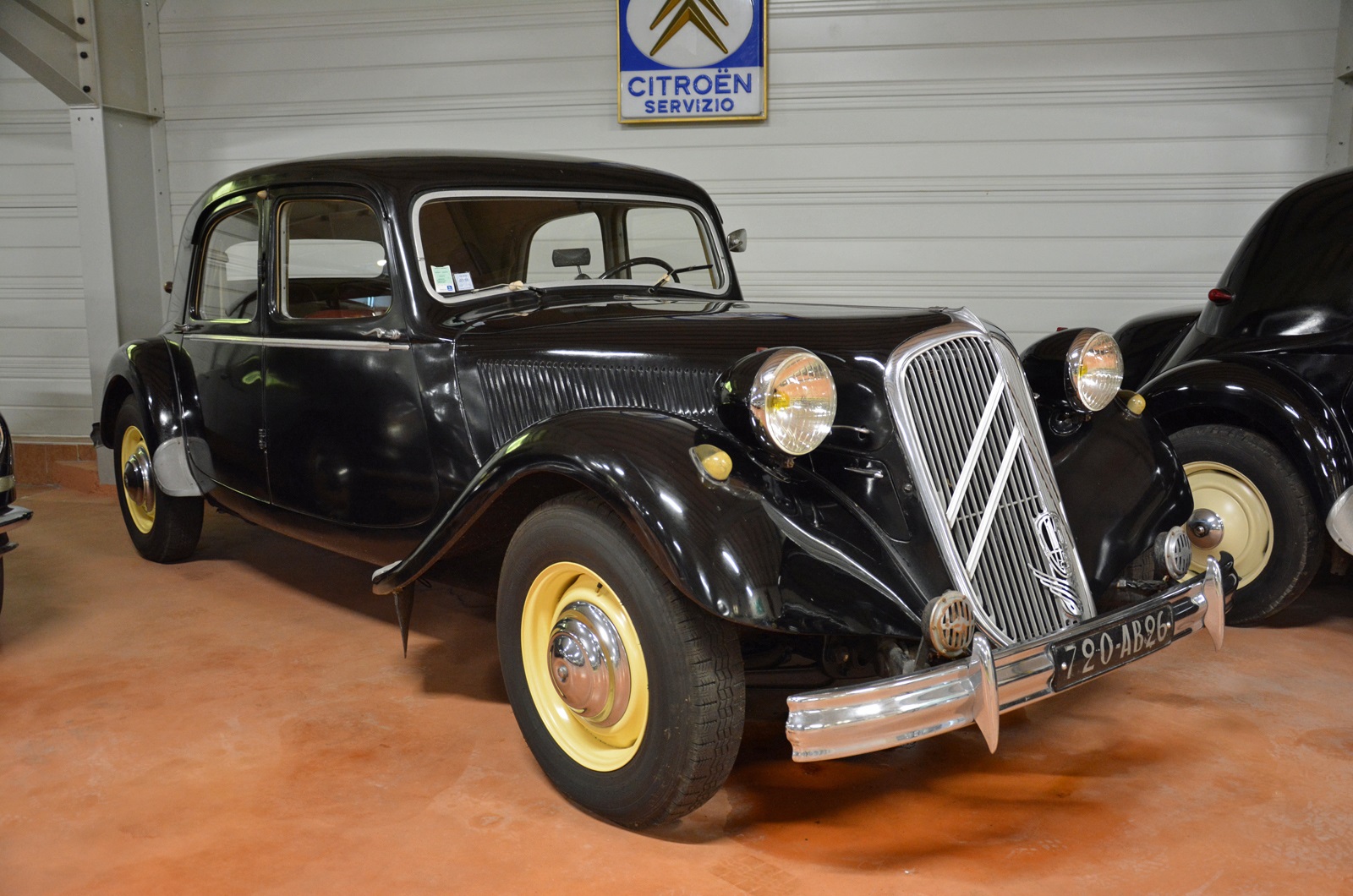
The Pioneers: Traction Avant and the Birth of the DS
The collection begins with a 1952 Traction 15/6. Although the Traction Avant was originally launched in 1934, its production continued well into the post-war era, concluding in 1957. This specific example, powered by a 2.9-liter straight-six engine producing 77 horsepower, has covered only 40,000 kilometers since new. It represents the pinnacle of pre-war engineering surviving into a new age of mobility.
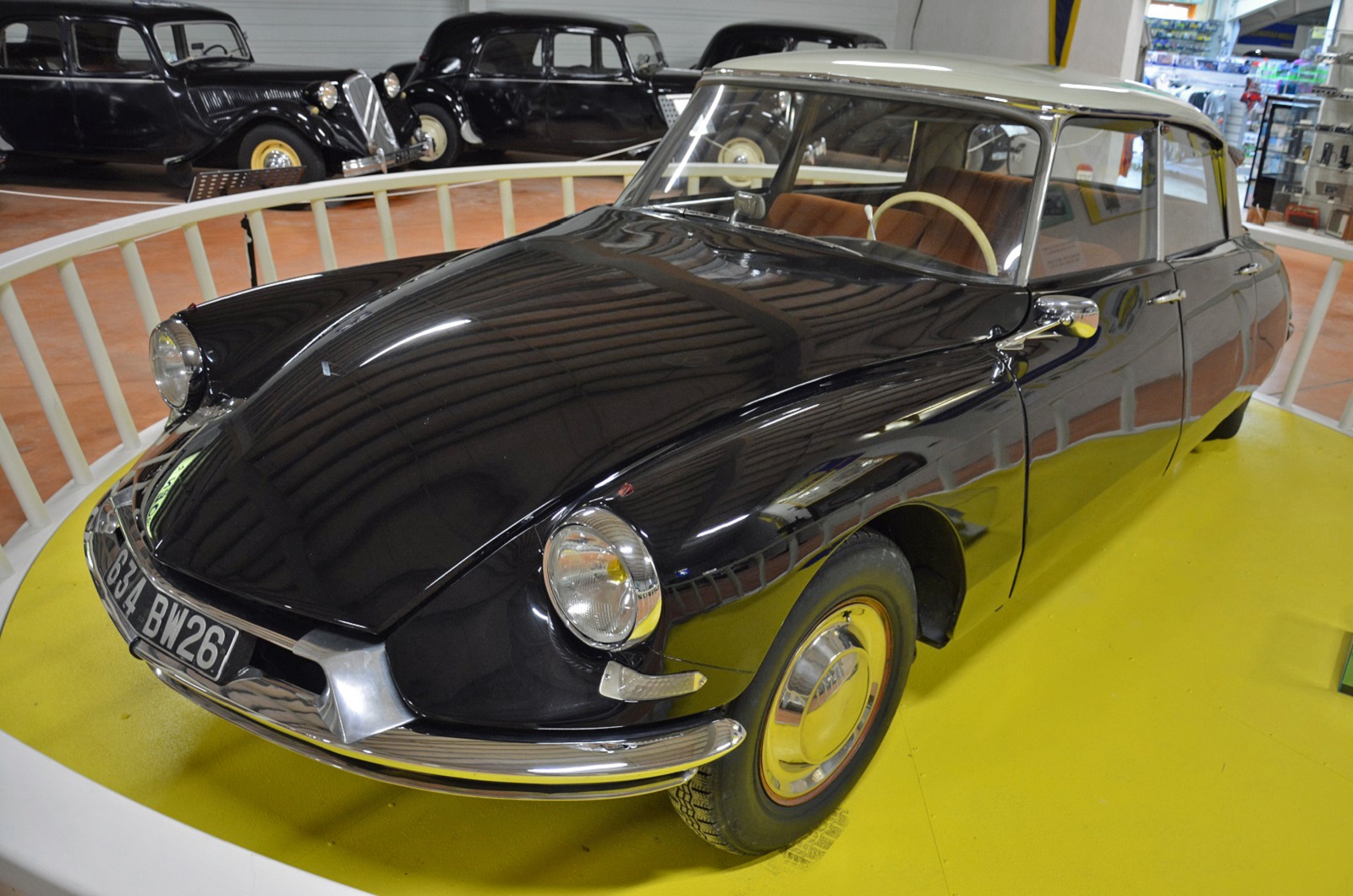
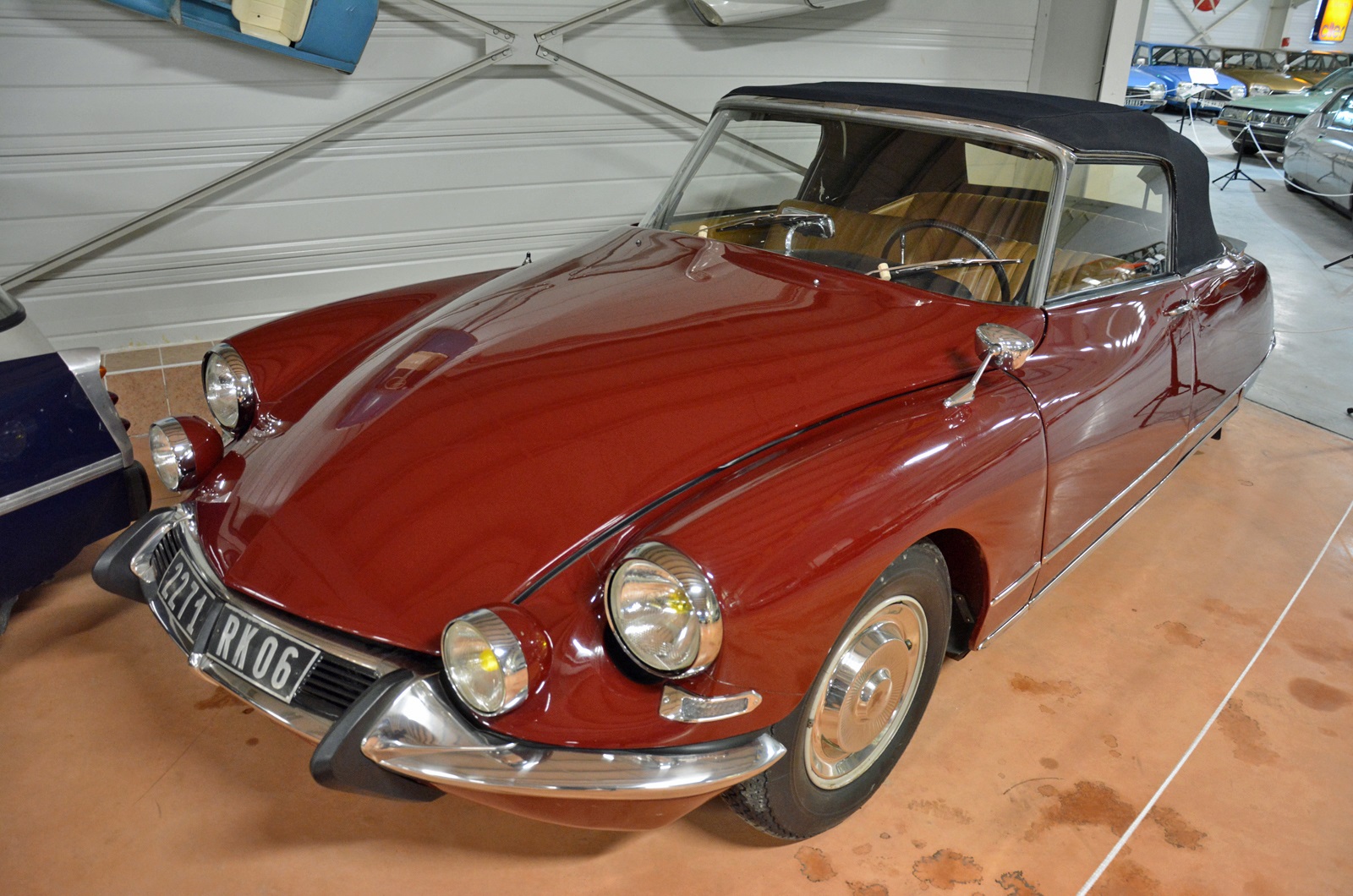
However, the centerpiece of this era is undoubtedly a black 1955 DS. Bearing chassis number 32, it is the 14th DS ever sold and the oldest series-produced example known to exist. Because mass production did not commence until early 1956, the 175 cars registered in 1955 were largely hand-assembled. This vehicle’s survival is a statistical anomaly; most early demonstrators were returned to the factory and destroyed. Its presence in Castellane allows researchers to study the exact hand-built specifications of the model that famously stunned the world at the 1955 Paris Motor Show.
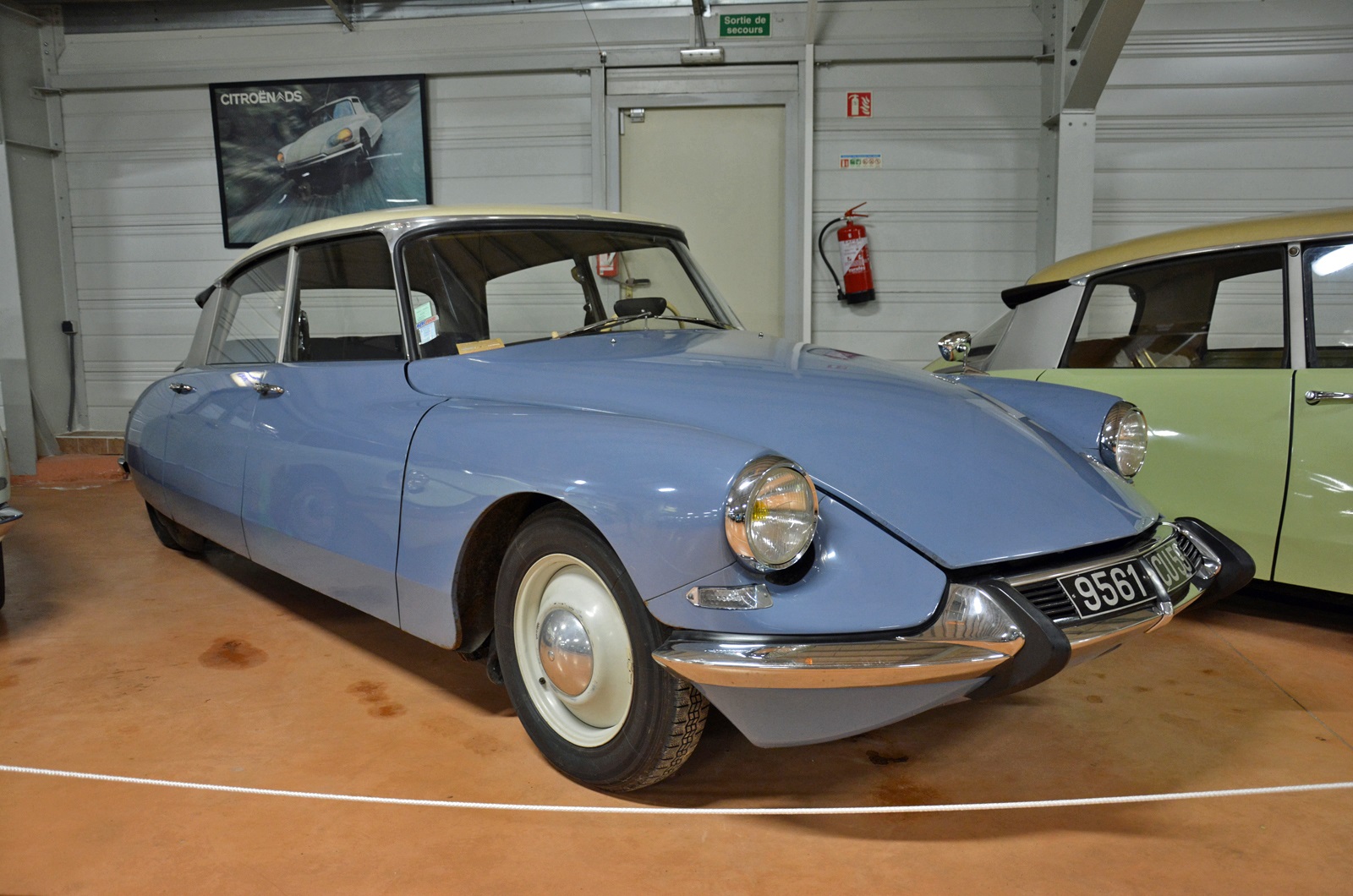
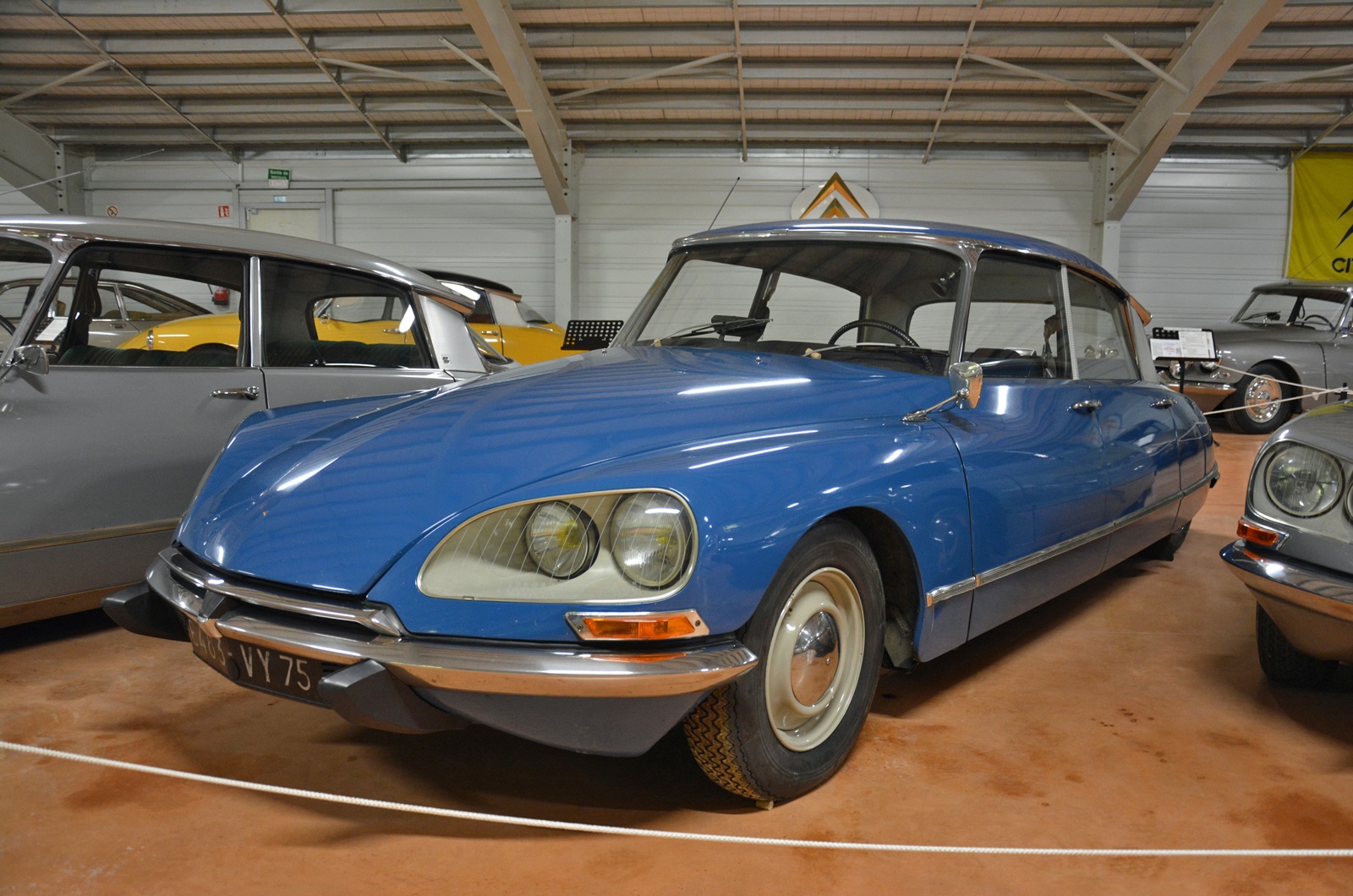
The museum also highlights the ID 19, a simplified version of the DS. A 1963 example in "Bleu de Provence" demonstrates the collector’s dedication; Fradet famously drove this car across borders after performing roadside repairs on its complex hydraulic system, underscoring the functional nature of his collection.
The 2CV and the Air-Cooled Revolution
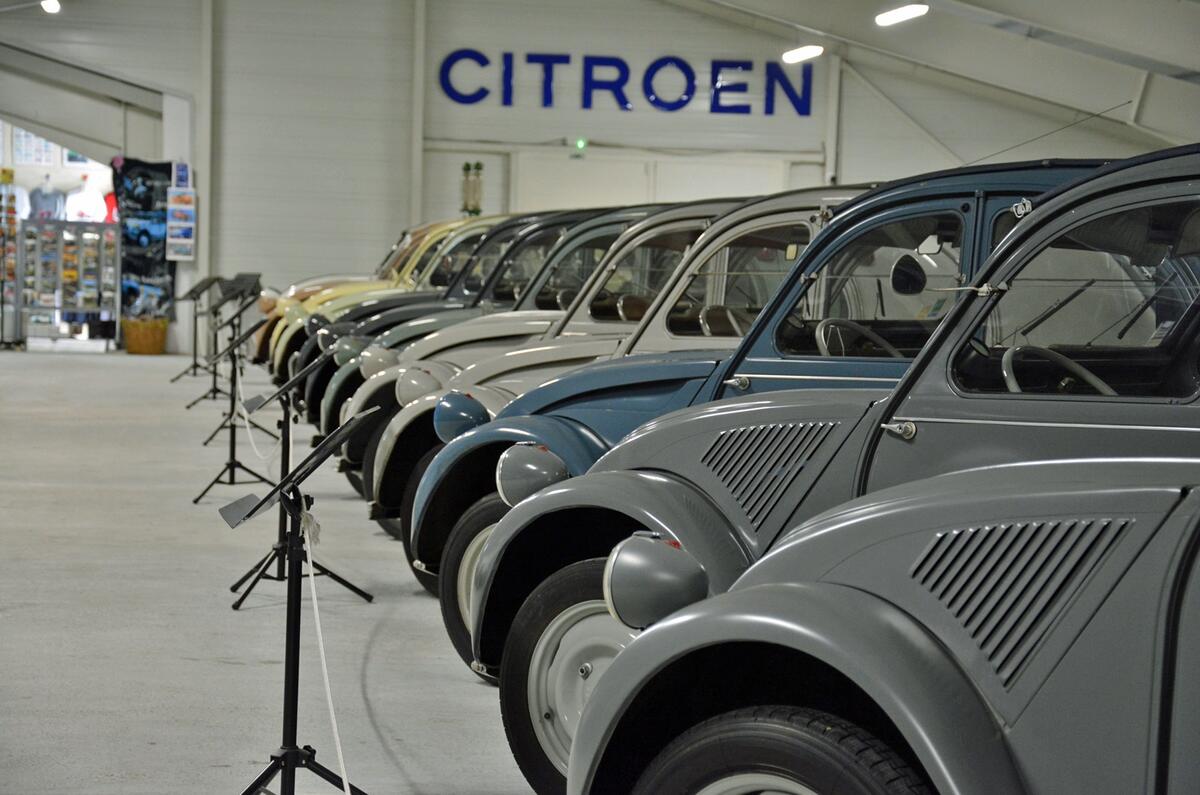
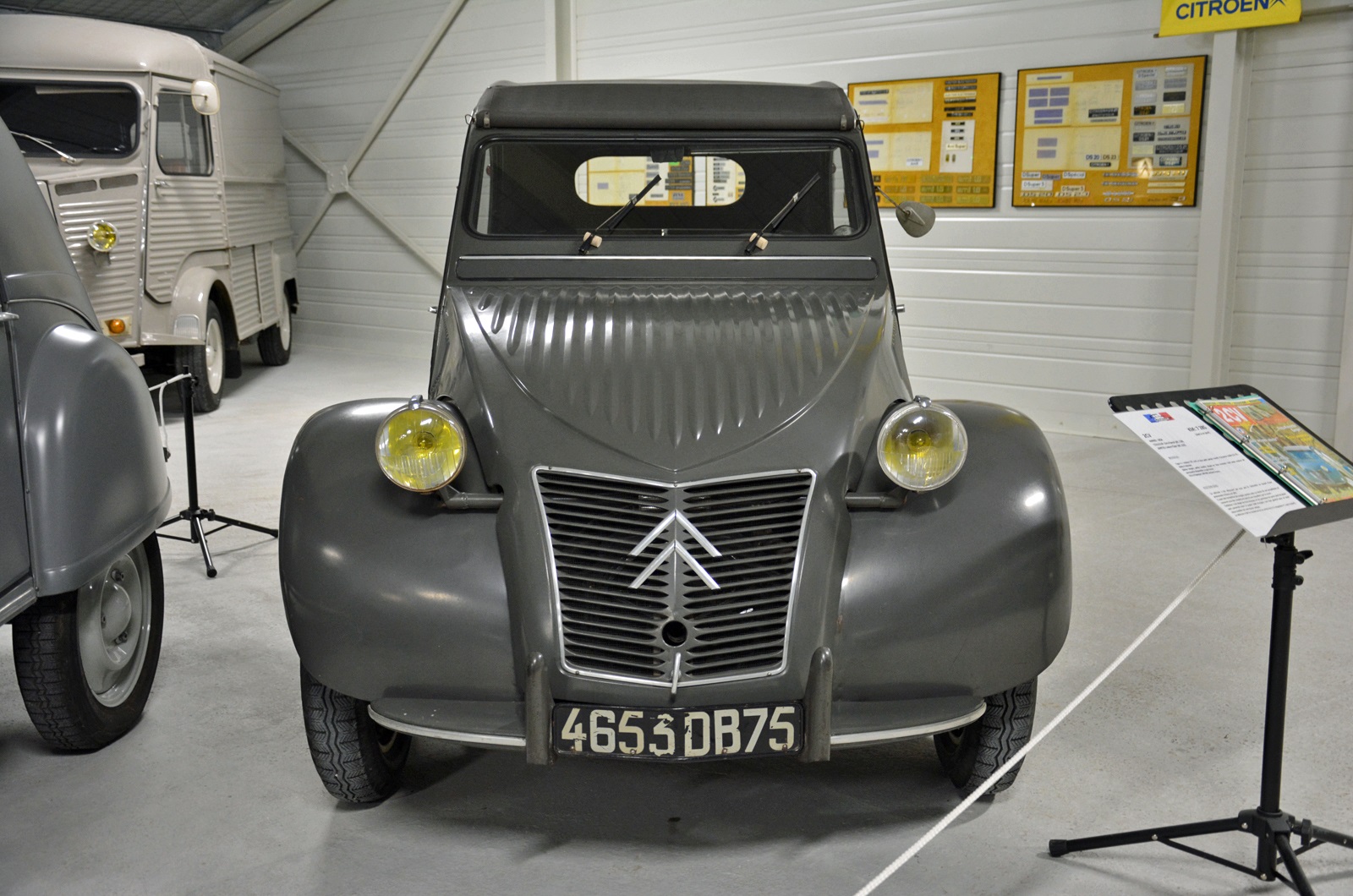
The second wing of the CitroMuseum tells the story of the 2CV, a vehicle that provided mobility to rural France and eventually became a global counter-culture icon. One of the most significant pieces is a 1954 2CV Type A. This vehicle has covered only 7,300 kilometers in 65 years. Remarkably, its door panels are still protected by the original brown paper applied at the factory—a level of preservation that is virtually non-existent elsewhere in the world.
The collection illustrates the 2CV’s versatility through its derivatives:
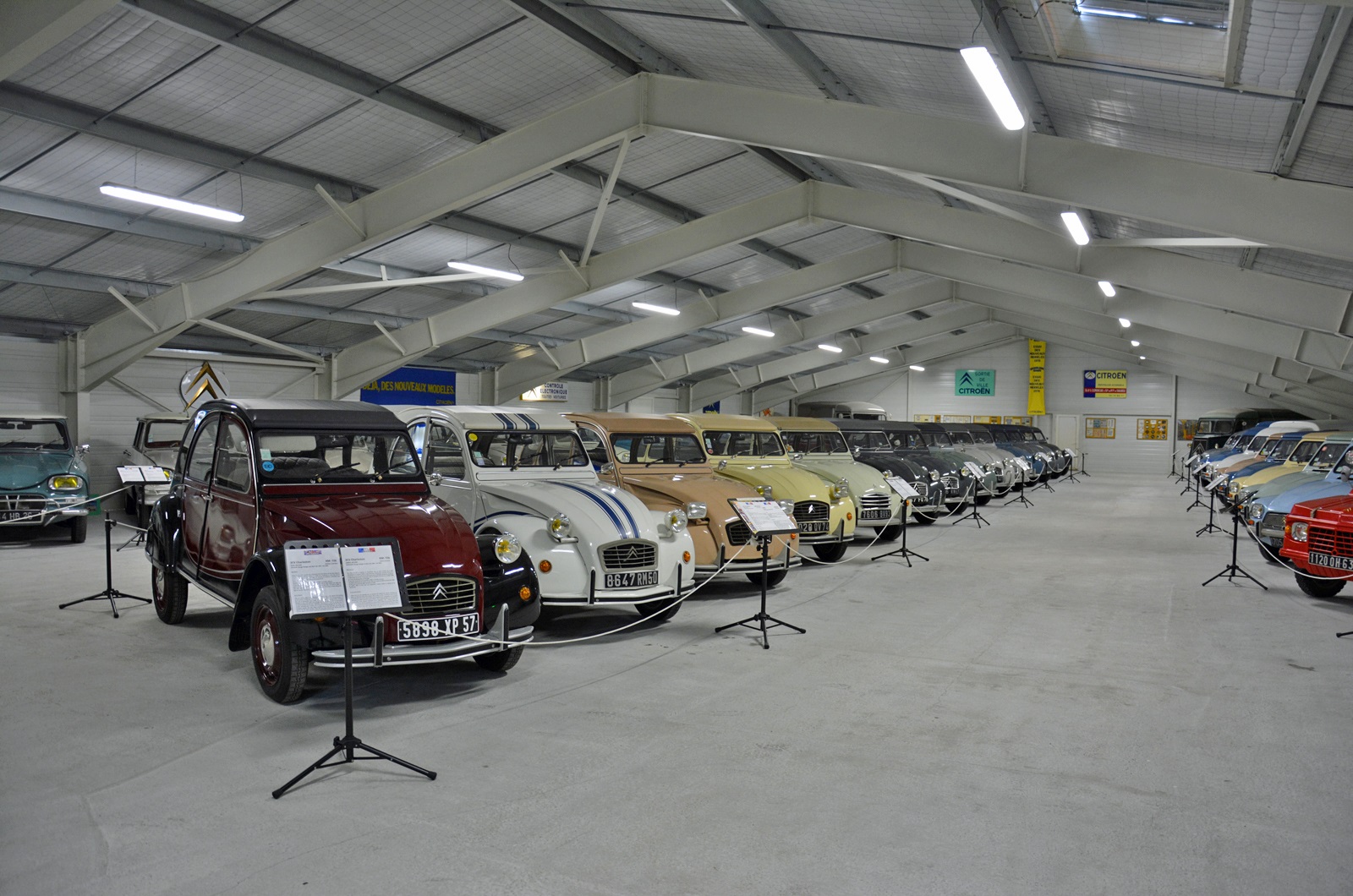
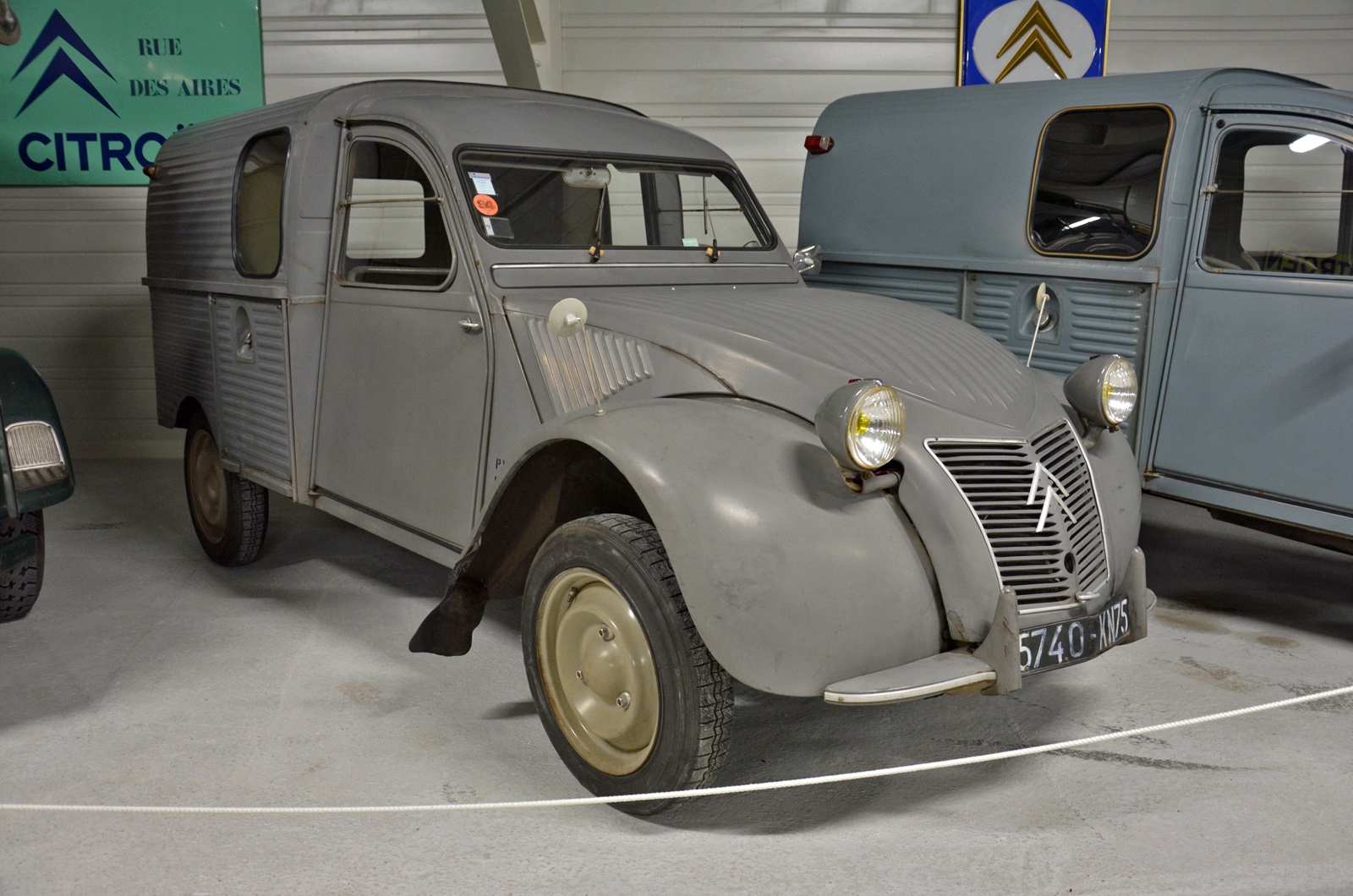
- The 2CV AZU (1961): A light commercial variant featuring a 425cc engine and specialized side windows by GlacAuto.
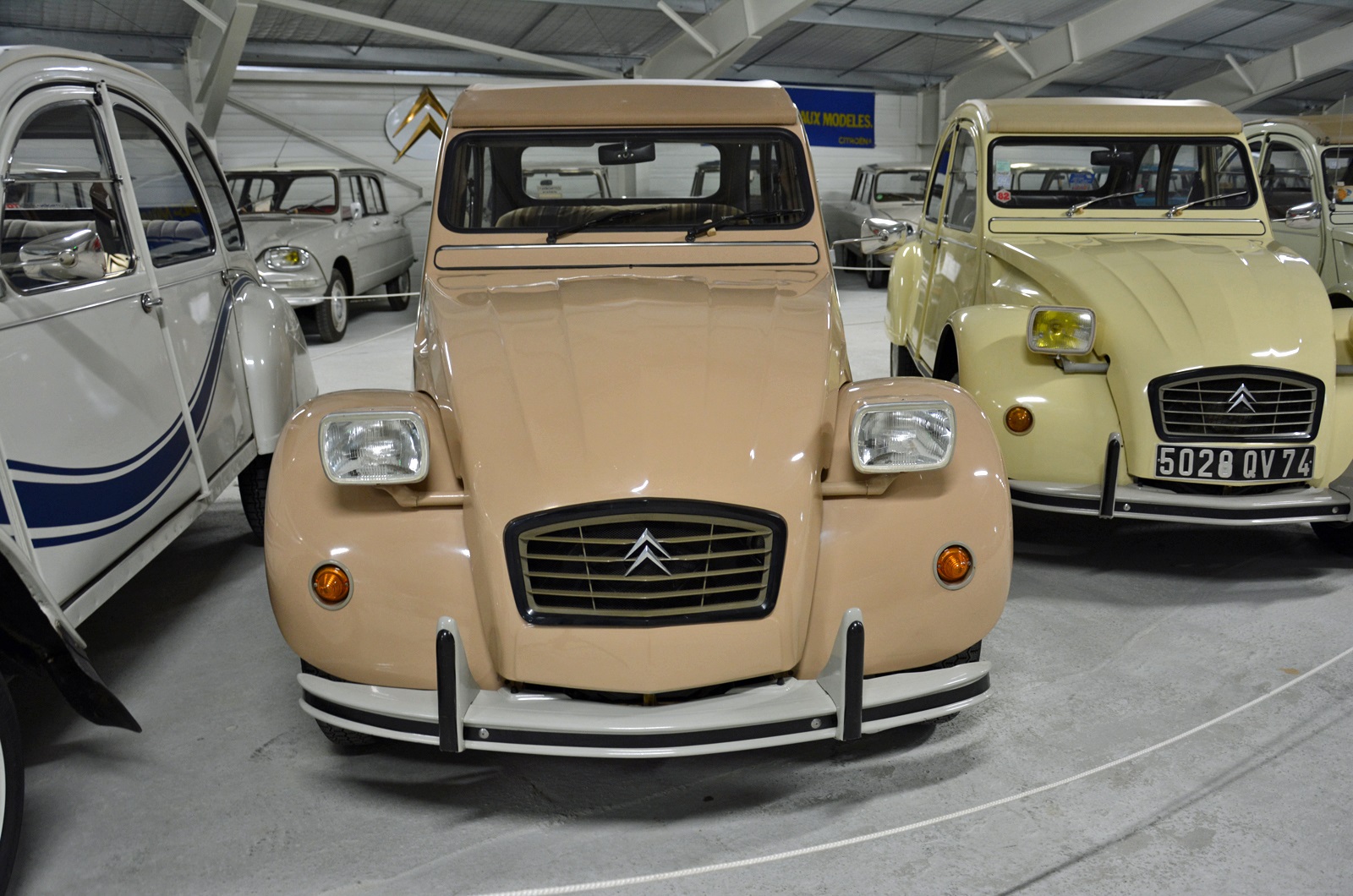
- The Dyane (1983): Intended to replace the 2CV, the Dyane featured more modern styling but was ultimately outlived by its predecessor.
- The Mehari (1972): A plastic-bodied utility vehicle. The museum’s example was formerly used by a small-town fire department and remains in unrestored, low-mileage condition.
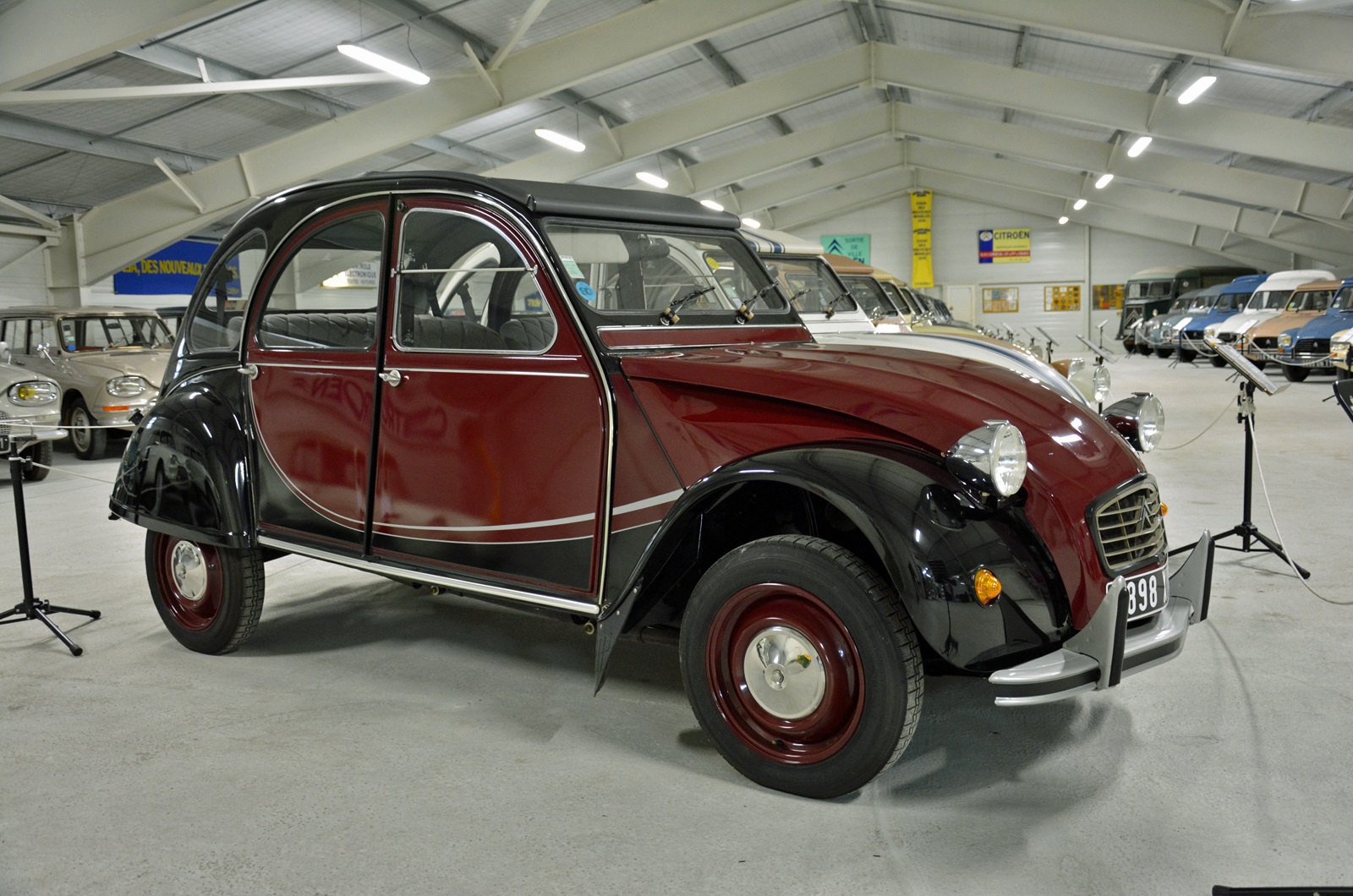
- The 2CV Charleston (1990): Two examples from the final year of production are housed here, one with only 21 kilometers on the odometer, representing the "end of an era" for French motoring.
Experimental Engineering: The Wankel Rotary and the M35
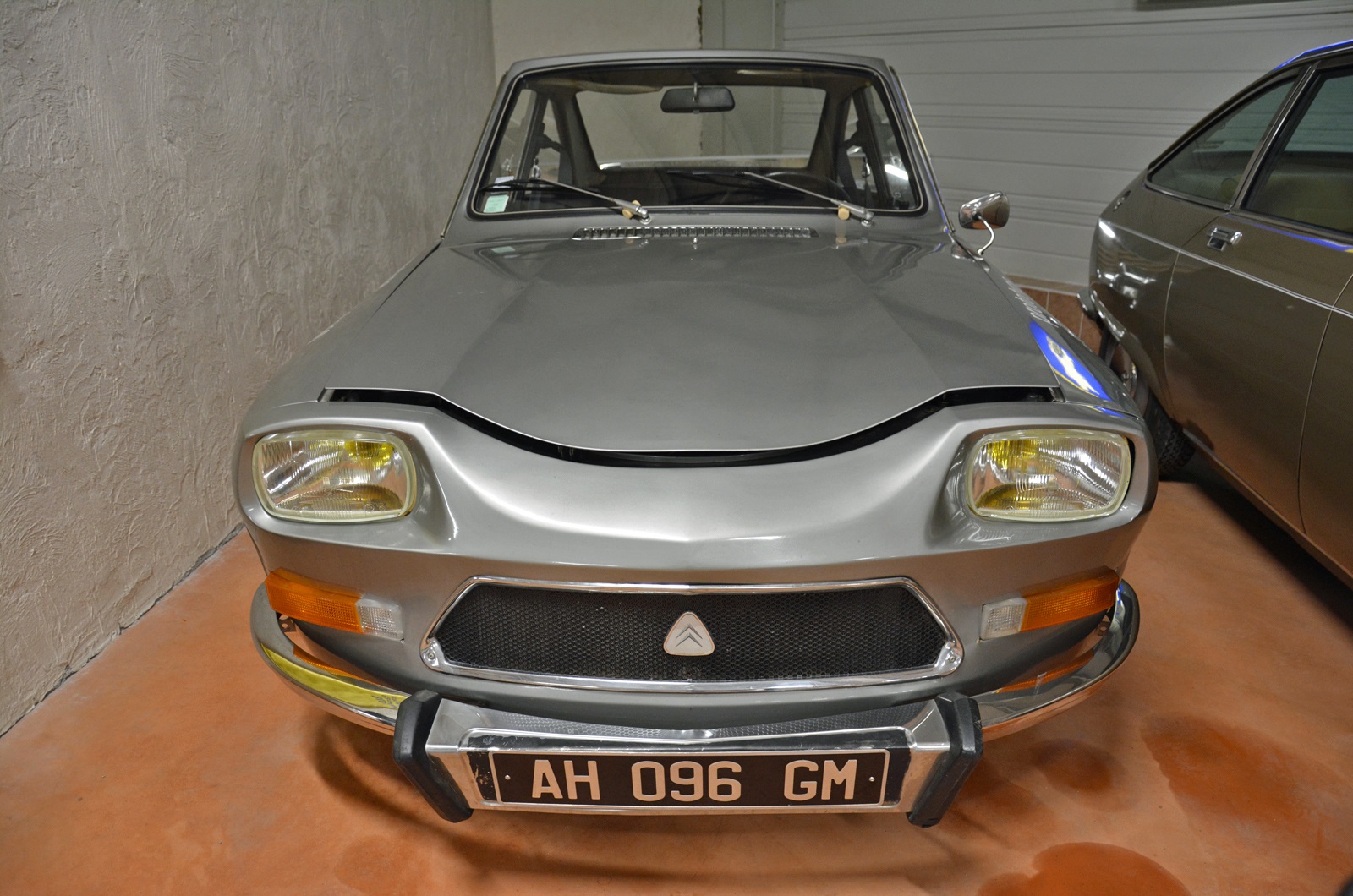
One of the most fascinating chapters in Citroën’s history is its brief, expensive dalliance with rotary engine technology. The CitroMuseum houses two rare M35 prototypes. Launched in 1969, the M35 was a rolling laboratory designed to test the viability of the Wankel engine. Citroën sold these experimental coupes to its most loyal customers with the caveat that they provide feedback on real-world reliability.
Due to high production costs—the M35 was priced similarly to the luxury DS—only 267 units were built. The museum’s 1970 example features a single-rotor engine producing 59 horsepower and the signature hydropneumatic suspension. This project eventually led to the GS Birotor (1974), a twin-rotor flagship that was unfortunately launched during the 1973 oil crisis. Its high fuel consumption led Citroën to attempt a total buy-back and destruction of the model to avoid future parts-support obligations. Fradet’s Birotor is one of the few survivors of this corporate recall.
The Modern Era: From the SM to the Digital Age
The third wing showcases the brand’s move into the luxury and executive sectors. The 1971 Citroën SM represents the high-water mark of French-Italian collaboration. Following Citroën’s acquisition of Maserati in 1968, the SM was equipped with a Maserati V6 engine and advanced features such as self-leveling directional headlights. The museum’s SM, purchased from a chauffeur in Monaco, retains its original luster and mechanical integrity.
As the collection moves into the 1980s and 1990s, it focuses on models that are currently in the "twilight zone" of collectability—cars like the BX, CX, and XM. These vehicles are often overlooked by traditional collectors until they have nearly disappeared from the roads.
- The CX REGAMO Prototype (1987): A rare testbed for the active suspension technology that would later define the XM.
- The GSA (1984): An example with only 41 kilometers, which sat unregistered in a Spanish dealership for years because it was perceived as outdated compared to the newer BX.
- The AX (1995): A city car with 174 kilometers, preserved after its original owner found it too difficult to transition from her 1960 2CV.
The museum even documents Citroën’s early foray into electrification with a 1998 Saxo Electrique. With a 56-mile range and nickel-cadmium batteries, it was a pioneering, if limited, attempt at zero-emissions urban transport long before the modern EV boom.
Chronology of Preservation: A Timeline of the CitroMuseum
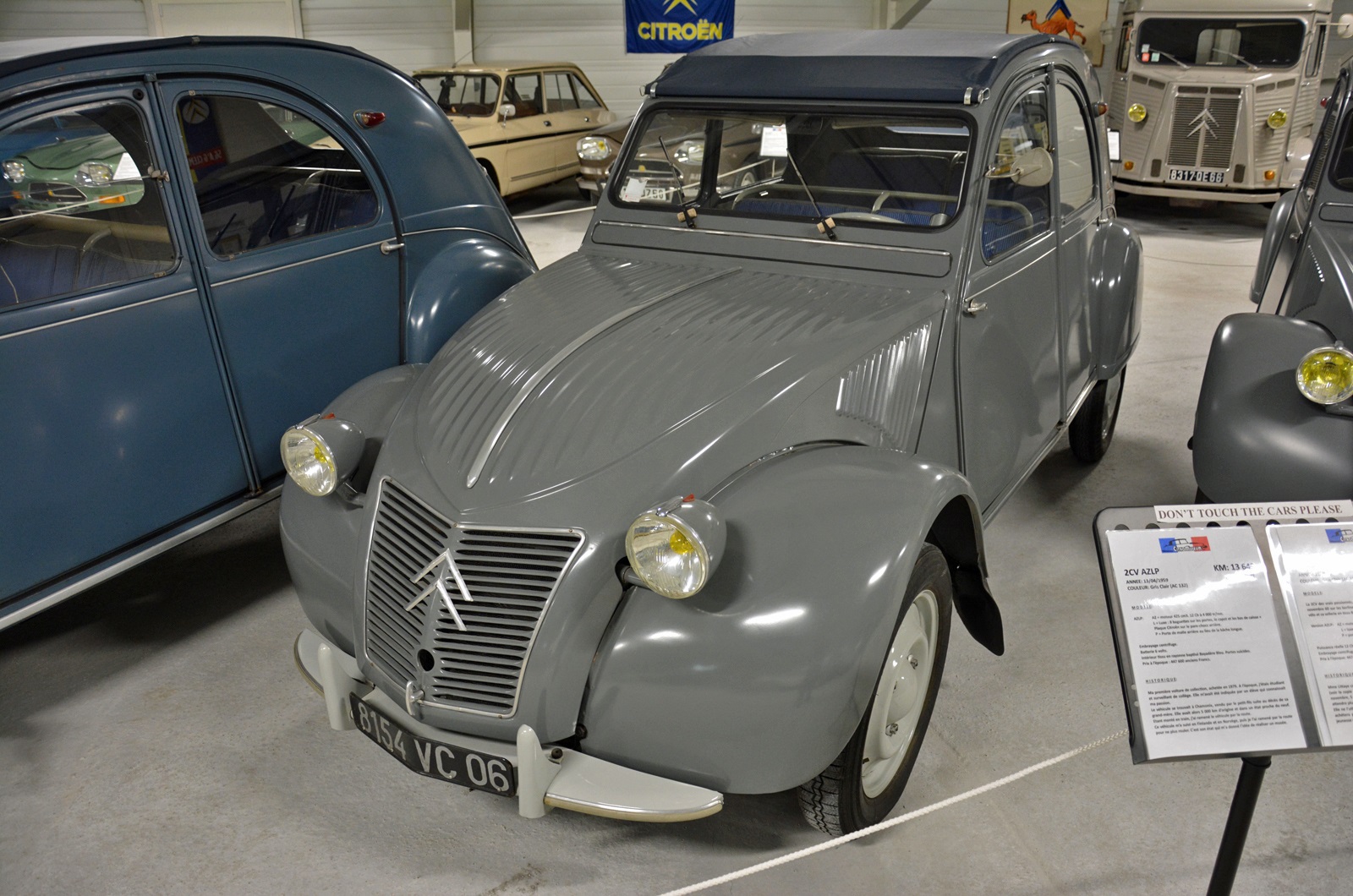
- 1979: Henri Fradet purchases his first vintage car, a 1959 2CV AZLP with 5,000 km. This purchase sparks the philosophy of the museum.
- 1980s-1990s: Fradet travels across Europe, tracking down "barn finds" and dealership remnants that have never been restored.
- 2004: The museum acquires the historically vital DS Chassis #32.
- 2016: The collection expands with the addition of the Traction 15/6 and late-model BX variants.
- Present: The museum operates as a public exhibition from April to October each year, serving as a reference point for restorers and historians seeking "factory-correct" specifications.
Analysis of Impact: Why Originality Matters
In the broader context of automotive history, the CitroMuseum serves a critical function. As classic cars increase in value, the temptation to "over-restore" them—using modern paints, materials, and techniques—often erases the historical evidence of how they were originally manufactured. By preserving cars with "patina" and original mechanical flaws, Fradet provides a baseline for authenticity.
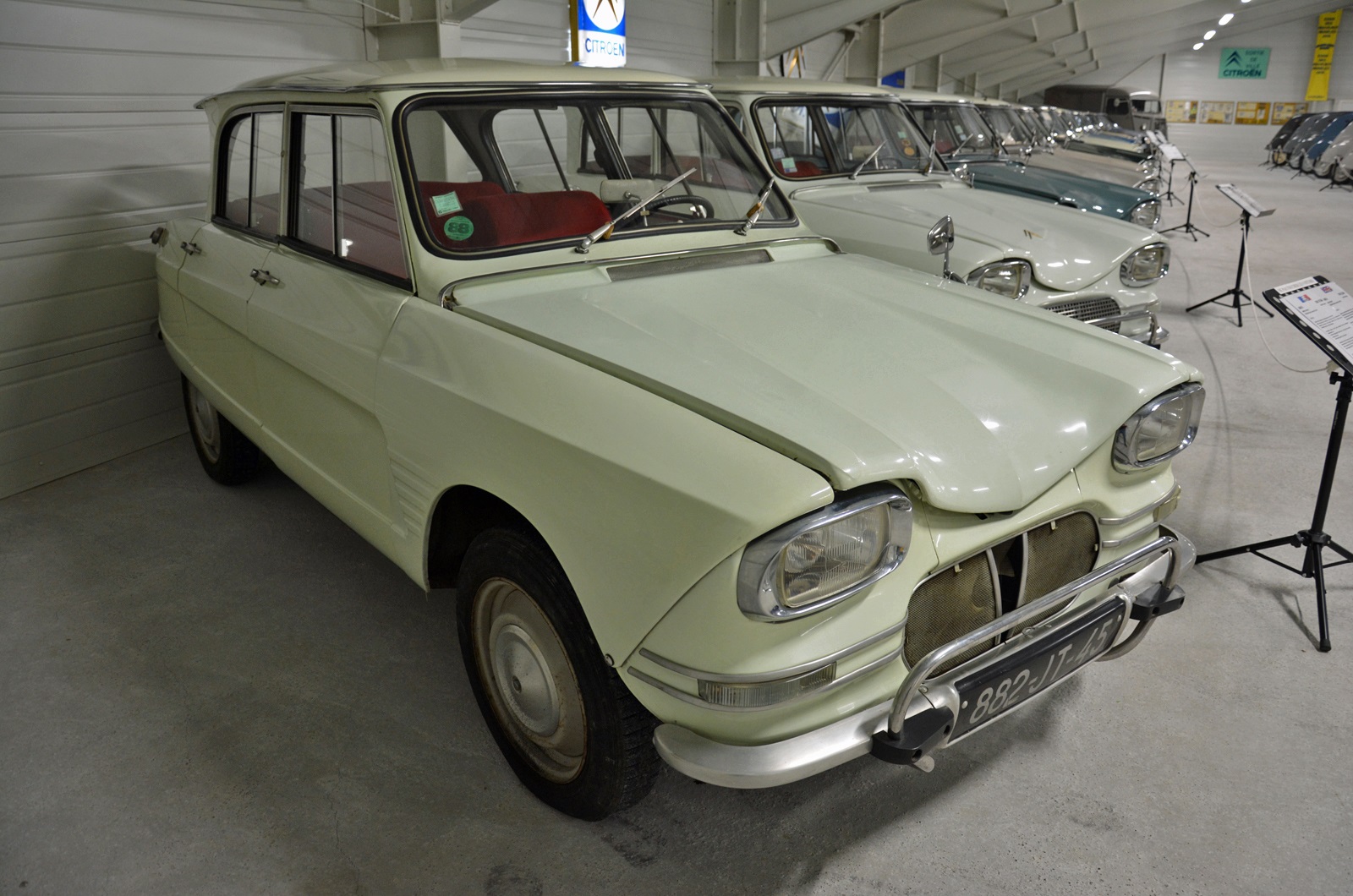
The museum also highlights the social history of France. Many of these cars were preserved not by collectors, but by ordinary citizens who kept them for sentimental reasons or because they were unable to adapt to newer technology. The stories of the radio operator’s D Super or the winemaker’s HY van provide a human dimension to the mechanical narrative.
Conclusion and Visitor Information
The CitroMuseum is more than a garage; it is a meticulously curated time capsule. For the price of an €8 entry fee, visitors are granted access to a lineage of engineering that defined the 20th century. Located on the Route Napoléon in Castellane, the museum remains a testament to one man’s 40-year obsession with the "unrestored" truth.
For enthusiasts planning a visit, the museum is open seasonally between April and October. It stands as a reminder that while technology marches forward, there is immense value in looking back at the original, unvarnished artifacts of our industrial past. In an era of digital replication and synthetic materials, the cold steel and original fabric of Fradet’s collection offer a rare, tactile connection to the golden age of French automotive design.