The Evolution of Residential Illumination: Why Pendant Lighting Has Become the Definitive Architectural Statement

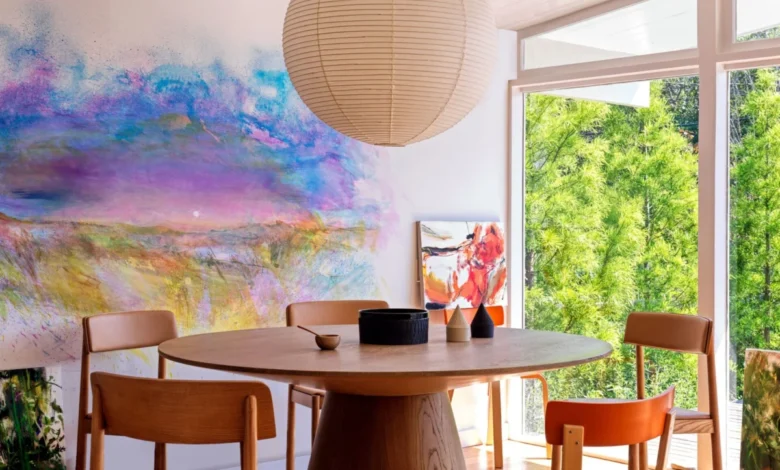
While recessed lighting has long served as the industry standard for functional, unobtrusive home illumination, a significant shift in interior design trends has positioned the pendant light as the primary aesthetic anchor of contemporary living spaces. The transition from utilitarian overhead lighting to sculptural, statement-making fixtures reflects a broader movement in residential architecture toward the integration of art, history, and ambient mood-setting within the domestic environment. From the iconic Louis Poulsen silhouettes that define high-end kitchen islands to the ethereal, diffused glow of Isamu Noguchi’s Akari paper sculptures, pendant lights have transcended their role as mere light sources to become essential components of modern interior composition.

Historical Context and the Rise of Iconic Design
The pendant light’s journey to the center of the living room began in the mid-20th century, a period often cited by design historians as the "Golden Age of Lighting." During the 1950s and 60s, designers such as Poul Henningsen and Isamu Noguchi challenged the rigid, boxy lighting solutions of the industrial era. Henningsen, working for Louis Poulsen, introduced the PH series, which utilized a multi-shade system to eliminate glare while maximizing light output. This technical precision, combined with sculptural elegance, set a precedent that persists today.
Parallel to this, the 1951 introduction of the Akari light sculptures by Noguchi introduced the concept of "light as an object." By utilizing traditional Japanese washi paper and bamboo, Noguchi moved away from the cold, metallic aesthetics of his contemporaries, offering a softer, more organic approach to ambient lighting. These pieces remain some of the most sought-after fixtures in the contemporary market, illustrating a cyclical appreciation for design that balances form and function.

Market Trends and Consumer Behavior Data
Recent market analysis from the home improvement and interior design sector indicates a substantial increase in consumer spending on statement lighting fixtures. According to data from the American Lighting Association, sales of decorative pendant fixtures have grown by approximately 14% annually over the past five years. This shift is attributed to the rise of open-plan floor layouts, where the kitchen island has become the focal point of the home.
The data suggests that homeowners are moving away from standardized, "builder-grade" lighting packages in favor of curated, designer-led alternatives. The "open-concept" architecture trend, which gained massive popularity in the 2010s, created a need for visual markers to define zones—kitchen, dining, and living—without the use of solid walls. Pendant lights provide the necessary "vertical architecture" to delineate these spaces, offering a sense of scale and proportion that recessed lights, which are flush with the ceiling, cannot achieve.

Chronology of Modern Lighting Evolution
- 1920s–1940s: Lighting is largely utilitarian. Industrial pendant styles, often crafted from porcelain enamel, are used primarily in workshops and factories.
- 1950s: The mid-century modern movement brings high design to the masses. The introduction of the PH series (1958) establishes the concept of glare-free lighting.
- 1970s–1980s: Lighting trends shift toward neon, track lighting, and bold, geometric shapes as postmodernism influences home design.
- 1990s–2000s: The era of "recessed dominance." Developers prioritize clean ceilings, leading to the ubiquity of pot lights and recessed cans in new residential construction.
- 2010s–Present: A resurgence of the "curated home." Pendant lighting returns as the primary tool for interior stylists to add personality, texture, and scale. Vintage and artisanal lighting markets see record-high growth as consumers seek unique, non-mass-produced items.
Professional Perspectives on Ambient Design
Interior designers and architectural consultants emphasize that the selection of a pendant light is rarely just about lumens or brightness. Instead, it is an exercise in managing the "mood" of a room. "When we specify a pendant, we are looking at the light as a sculpture that happens to glow," says Elena Rossi, a senior designer at a leading New York architecture firm. "The goal is to create layers. Recessed lighting is the workhorse—it keeps the room functional. But the pendant is the personality. It dictates how the light falls on a surface and, ultimately, how the occupant experiences the room."
From a technical standpoint, lighting designers point to the importance of color temperature and dimming capabilities. The integration of "smart" LED technology has allowed even the most delicate, vintage-inspired fixtures to function within modern home automation systems. This ensures that the aesthetic appeal of a 1950s-inspired fixture does not come at the cost of modern energy efficiency.

The Impact of Design Personalities on Market Offerings
The market has bifurcated to cater to distinct design personas. The "Modern Minimalist" is currently driving demand for fixtures with clean, monochromatic finishes—matte black, brushed brass, and polished chrome—often featuring simple geometric shapes. These fixtures prioritize silhouette over ornamentation, fitting into the "quiet luxury" design trend.
Conversely, the "Belle Époque enthusiast" and collectors of vintage-inspired items are pushing for a return to craftsmanship. This segment values mouth-blown glass, heavy metals, and intricate detailing. Manufacturers have responded by reissuing classic designs from the early 20th century, effectively bridging the gap between historical authenticity and modern safety standards.

Implications for Residential Value and Resale
Real estate developers have noted that the inclusion of high-quality, "architectural" lighting can significantly influence the perceived value of a property. While pendant lights are technically fixtures that can be removed, their presence during property viewings suggests a level of design intention that prospective buyers find appealing.
"Lighting is often the ‘jewelry’ of a home," says Marcus Thorne, a real estate analyst. "When a potential buyer sees a strategically placed designer pendant above an island, it elevates the entire space. It signals that the home has been cared for and designed with attention to detail. It is a cost-effective way to differentiate a property in a competitive market."

Future Trends: Sustainability and Technology
Looking forward, the lighting industry is focusing heavily on sustainability. The shift toward modular pendant designs—where shades can be swapped or components replaced—is gaining momentum as a way to reduce waste. Furthermore, the integration of human-centric lighting (HCL), which adjusts color temperature throughout the day to mimic natural circadian rhythms, is being incorporated into high-end pendant designs.
This evolution ensures that the pendant light of the future will not only be a visual statement but a functional health tool. By combining the aesthetic heritage of the 20th century with the precision of 21st-century technology, the pendant light is firmly established as the most critical element in the contemporary lighting toolkit.

Conclusion
The transition from the functional utility of the recessed light to the curated, sculptural presence of the pendant light marks a fundamental change in how inhabitants perceive their living environments. Whether through the timeless appeal of mid-century Scandinavian design or the tactile warmth of artisanal paper and glass, pendant lighting remains the most effective medium for expressing individual design identity. As architectural trends continue to emphasize open, multi-functional spaces, the strategic use of these fixtures will remain an essential component of professional interior design, serving as the bridge between light as a necessity and light as an art form.
Related posts: