Carroll Shelby’s Own Ferrari-Beating, Championship-Winning 1964 Shelby Cobra Daytona Coupe Is Heading To Auction

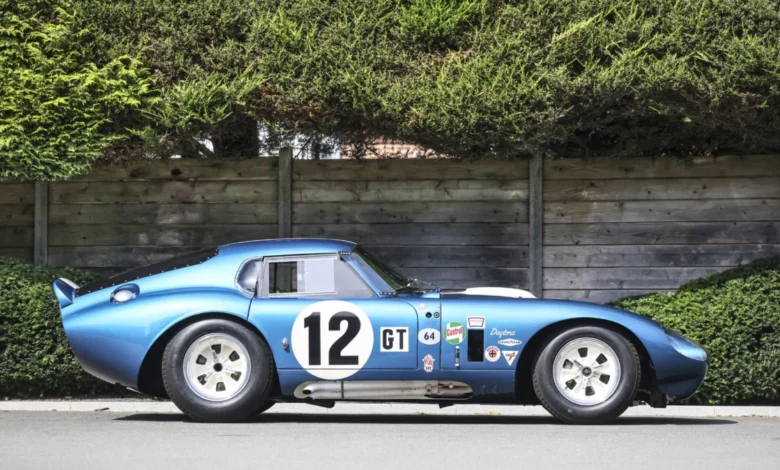
The Shelby Cobra Daytona Coupe was born out of a specific, high-stakes necessity: the need for speed. By the early 1960s, Carroll Shelby’s open-cockpit Cobras were dominant on shorter American circuits, but they struggled on the long, high-speed straights of European tracks like Le Mans and Reims. The "brick-like" aerodynamics of the roadster meant the cars hit an invisible wall of air resistance at approximately 160 mph. Meanwhile, Ferrari’s sleek 250 GTO could comfortably exceed 180 mph. To beat Enzo Ferrari, Shelby needed a more aerodynamic shape, and he tasked a young designer named Peter Brock with creating it.
The Engineering of an American Icon
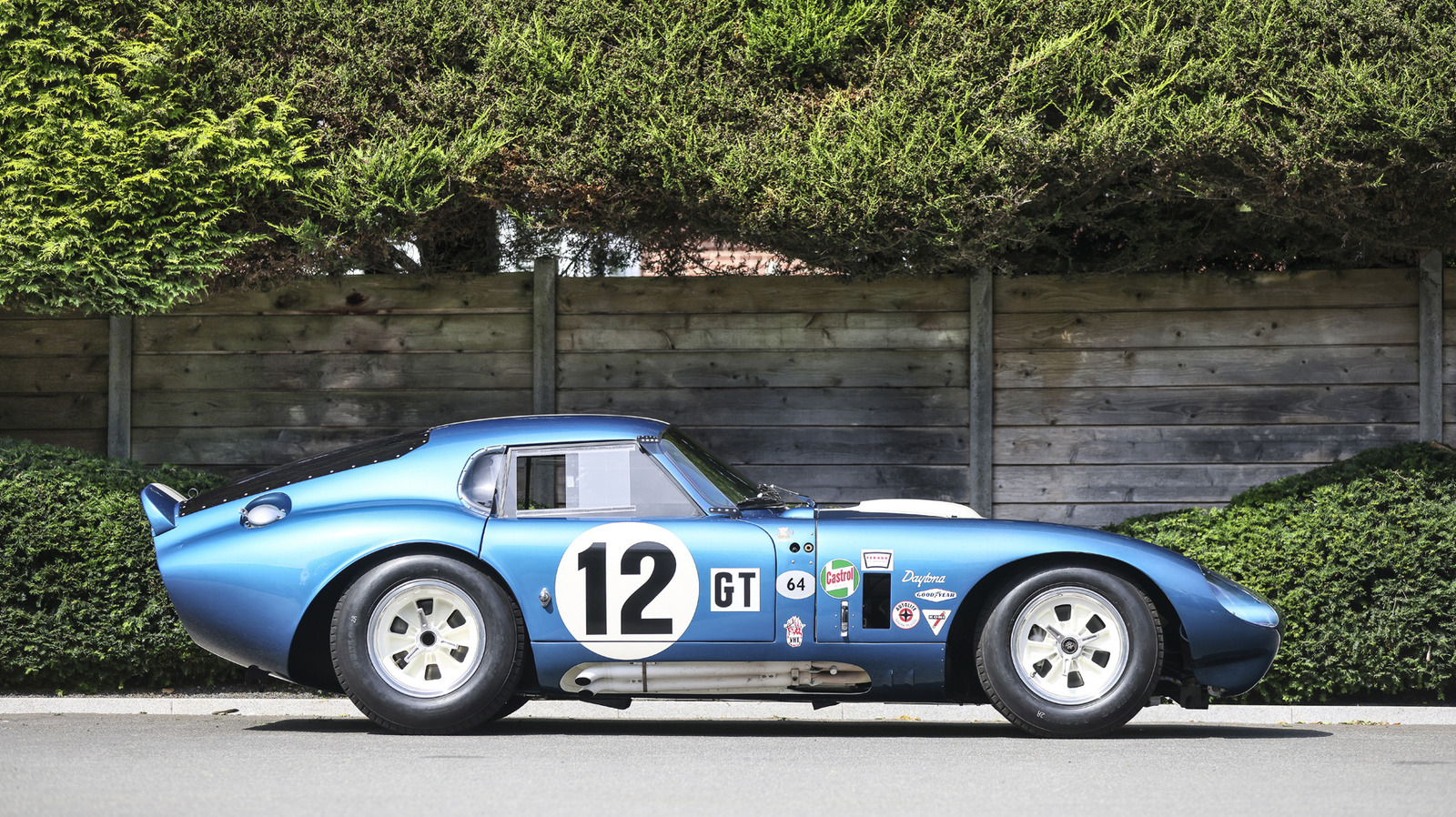
Peter Brock’s design for the Daytona Coupe was radical for its time. Ignoring contemporary skepticism regarding aerodynamic theories, Brock utilized a chopped-off rear end, known as a "Kamm-tail" or "K-tail," named after German aerodynamicist Wunibald Kamm. This design reduced drag and improved stability at high speeds. While the initial prototype (CSX2287) was built in California, subsequent chassis, including CSX2300, were sent to Italy to be bodied.
Chassis CSX2300 is the third of only six Daytona Coupes ever manufactured. To ensure the car met the rigorous demands of the FIA (Fédération Internationale de l’Automobile) GT class, Shelby contracted Carrozzeria Gransport in Modena, Italy, to craft the lightweight aluminum bodywork. This created a fascinating irony: the very machine designed to destroy Ferrari was partially assembled in Ferrari’s own backyard.
Under the hood, CSX2300 was powered by Ford’s reliable and potent 289-cubic-inch (4.7-liter) V8 engine. Tuned by Shelby American, the engine produced approximately 390 horsepower, a staggering figure for a car weighing just over 2,000 pounds. This power-to-weight ratio, combined with Brock’s slippery bodywork, allowed the Daytona Coupe to surpass 190 mph, finally giving Shelby the weapon he needed to challenge the Ferrari 250 GTO for the World Manufacturers’ Championship.
Chronology of a Championship: The 1964-1965 Seasons
The racing pedigree of CSX2300 is among the most distinguished of the six-car production run. Its competitive life began in late 1964 and culminated in the most prestigious title in sports car racing.
September 1964: The Tour de France Automobile
The car made its competitive debut at the Tour de France Automobile, driven by the legendary American Bob Bondurant and German ace Jochen Neerpasch. It immediately proved its worth, winning the first two stages of the grueling multi-day event. Although mechanical setbacks—including a broken crankshaft and gearbox mount failures—eventually hampered its overall finish, the car demonstrated that it was faster than the Ferraris it was built to beat.
February 1965: The 24 Hours of Daytona
As the 1965 season began, CSX2300 competed on home soil. At the 24 Hours of Daytona (then a 2,000 km race), the car secured a sixth-place overall finish and third in its class. This provided vital points for Shelby American in the pursuit of the FIA title.
March 1965: The 12 Hours of Sebring
The Sebring campaign was a test of resilience. After a slow start and an accidental collision with a Volvo that required mid-race repairs, CSX2300 fought back to finish 13th overall and third in class. Following this race, the car was shipped back to Europe to compete in the final rounds of the championship.
July 1965: The Reims 12 Hours and the Championship Clinch
In a unique turn of events, CSX2300 was painted white with red and blue stripes and entered under the "Ford of France" banner for certain events, making it the only Daytona Coupe to ever wear this specific livery. However, for its final and most important race at Reims, it returned to the iconic Guardsman Blue. Despite a connecting rod failure that forced the car to limp across the finish line, it secured the necessary points to grant Shelby American the 1965 FIA World Manufacturers’ Championship. It was the first—and remains the only—time an American manufacturer won the prestigious international title.
Provenance and the "Shelby Factor"
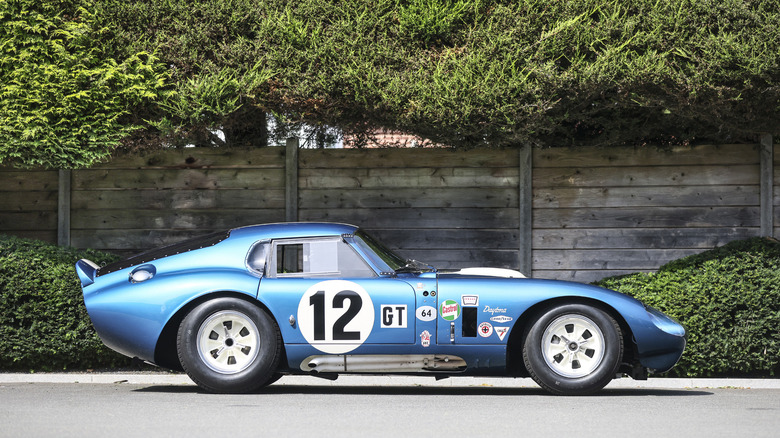
What elevates CSX2300 above its five siblings is its direct connection to Carroll Shelby. Following its retirement from active racing in 1968 after a brief stint in Japan, the car was eventually re-acquired by Shelby himself in 1975.
Shelby’s decision to personally own the car for two decades speaks volumes about its sentimental and historical value. He oversaw a meticulous restoration of the vehicle, ensuring it remained in world-class condition. It stayed in his personal collection until the 1990s. In the world of high-end car collecting, "provenance" is everything; the fact that the creator of the brand chose this specific chassis to keep for himself adds a layer of desirability that is difficult to quantify but easy to see in the estimated auction price.
In 2000, the car was acquired by its current owner, prominent collector Larry Bowman. Under Bowman’s stewardship, the car has been a regular attendee at the world’s most prestigious vintage motoring events, including the Goodwood Revival and the Pebble Beach Concours d’Elegance. Its appearance at auction represents a rare opportunity for a new custodian to own a primary artifact of American racing lore.
Market Analysis and Valuation
The collector car market has seen an unprecedented rise in the value of "blue-chip" assets over the last decade. To understand the $25 million estimate for CSX2300, one must look at the rarity and the historical context of its peers.
The last public sale of a Shelby Daytona Coupe occurred in 2009, when chassis CSX2601 sold for $7.25 million. Adjusted for inflation, that is approximately $11.7 million in today’s currency. However, the market for the "Original Six" Daytona Coupes has matured significantly since then. These cars are now viewed in the same stratosphere as the Ferrari 250 GTO, which has seen private sales exceed $70 million.
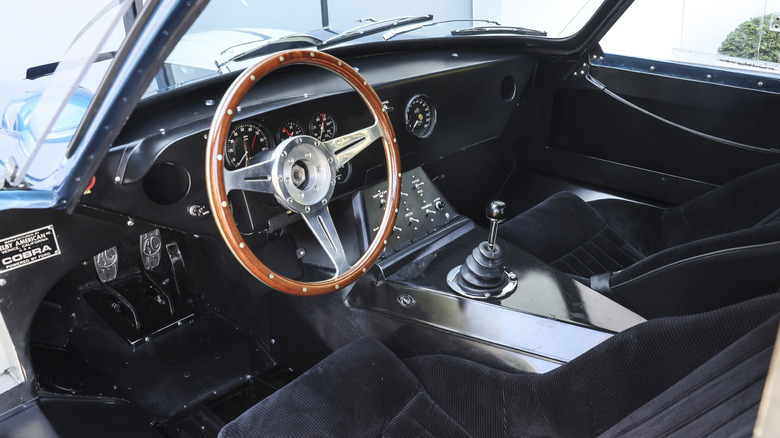
Industry analysts suggest that the $25 million floor is a conservative estimate. Given that this is the only Daytona Coupe owned by Carroll Shelby and that it was the chassis that clinched the world championship, competitive bidding could drive the price significantly higher. The sale of this car is not merely an automotive transaction; it is the sale of a national monument of industry and sport.
Implications and Legacy
The impending sale of CSX2300 serves as a reminder of Carroll Shelby’s lasting impact on the automotive world. Beyond the technical achievements of the Daytona Coupe, Shelby’s success changed the perception of American engineering. Before 1965, European manufacturers viewed American cars as powerful but unsophisticated machines incapable of handling the nuances of endurance road racing. Shelby and the Daytona Coupe shattered that stereotype.
The victory in 1965 paved the way for Ford’s subsequent dominance at Le Mans with the GT40, a story popularized in the film Ford v Ferrari. While the GT40 often receives the lion’s share of mainstream attention, purists and historians recognize the Daytona Coupe as the car that truly broke the seal on Ferrari’s dominance.
As the car heads to the auction block at Pebble Beach, it carries with it the ghosts of the 1960s—the smell of high-octane fuel at Reims, the sound of a Ford V8 echoing through the French countryside, and the unrelenting ambition of a chicken farmer from Texas who decided he could take on the world and win. For the global collecting community, the auction of CSX2300 is more than a highlight of Monterey Car Week; it is a once-in-a-generation event that celebrates the pinnacle of the American "Total Performance" era.