Luxury Automotive Satisfaction Plummets in 2026 as Mass-Market Brands Close the Gap in American Customer Satisfaction Index

The American automotive landscape is witnessing a significant shift in consumer sentiment as the traditional prestige associated with luxury vehicle ownership faces a notable decline. According to the newly released 2026 American Customer Satisfaction Index (ACSI) study, the long-standing gap between luxury and mass-market brands has effectively vanished. For three consecutive years—2023, 2024, and 2025—luxury nameplates consistently outperformed their mass-market counterparts in terms of owner satisfaction and brand loyalty. However, the 2026 data reveals a 3% decline in overall luxury satisfaction, contrasting sharply with a more modest 1% drop for mass-market vehicles. This convergence has resulted in a tie, with both segments now scoring a 78 on the ACSI’s 100-point scale, signaling a "black eye" for the premium automotive sector.
The erosion of the luxury advantage suggests that the premium price tag no longer guarantees a superior ownership experience. As manufacturers grapple with complex software integrations, shifting powertrain technologies, and evolving service expectations, the 2026 ACSI study serves as a critical indicator of a cooling relationship between high-end automakers and their most affluent customers.
A Comparative Analysis of Market Benchmarks
Perhaps the most startling revelation in the 2026 ACSI report is how the automotive industry now compares to other consumer sectors. With an aggregate score of 78, consumer satisfaction with automobiles has fallen behind several unexpected market benchmarks. The data indicates that Americans are currently more satisfied with their cell phones, their experiences at fast-food establishments, and even the performance of their vacuum cleaners—all of which carry an aggregate satisfaction score of 79.
While the automotive sector managed to stay ahead of the airline industry, which landed at a score of 76, the margin is uncomfortably slim. For the luxury segment, which markets itself on the promise of "effortless" and "superior" experiences, falling behind household appliances and quick-service restaurants represents a significant branding crisis. Analysts suggest that as the cost of luxury vehicles has soared over the last three years, the "satisfaction-to-value" ratio has become increasingly strained. When a consumer spends $80,000 on a vehicle, their tolerance for software glitches or service delays is substantially lower than when purchasing a consumer electronic device or a household utility item.
The Fall of Industry Titans: Lexus and Cadillac
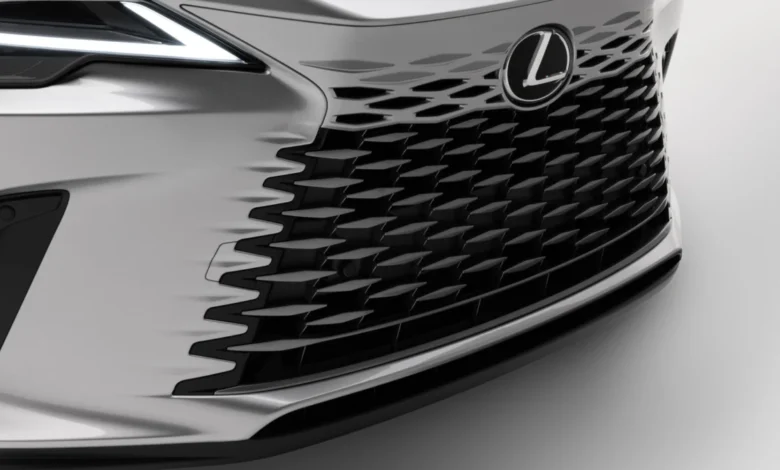
The 2026 study highlights a dramatic reversal of fortune for some of the industry’s most established leaders. Lexus, which has historically been the gold standard for reliability and dealer service, experienced a staggering decline. In 2025, Lexus held the top spot in the luxury segment with a commanding score of 87 out of 100, placing it well ahead of its nearest rival, Mercedes-Benz, which scored 82 at the time.
However, over the course of just twelve months, Lexus’s satisfaction rating plummeted by 10%, falling to a score of 78 in 2026. This decline dropped the brand to the third-place position, trailing behind Mercedes-Benz and Audi. While Lexus struggled, its parent company, Toyota, managed to see a 1% increase in its mass-market satisfaction score, suggesting a widening disconnect between how consumers perceive the value of a standard Toyota versus the premium Lexus experience.
The situation is even more dire for General Motors’ luxury arm, Cadillac. Despite a rich heritage of producing "luxe land yachts" that defined American luxury in the 1970s and 80s, the modern Cadillac lineup appears to be failing to resonate with its current owner base. Cadillac’s satisfaction score shed 15% year-over-year, leaving it in last place among luxury brands with a score of 69 out of 100. This follows a broader trend within General Motors, as Buick—another GM brand—was identified as the "biggest loser" in the study, experiencing a 16% drop in satisfaction.
European Gains and the Tesla Transition
Amidst the general decline of the luxury segment, German manufacturers Audi and BMW provided a rare glimmer of hope. Audi saw a modest 4% increase in overall satisfaction, reaching a score of 80 and securing the second-place spot on the 2026 index. BMW also enjoyed a slight uptick of 1%, maintaining its competitive position. These gains suggest that while the broader segment is struggling, certain European brands have been more successful in managing the transition to digital-heavy interiors and electrified drivetrains without alienating their core customers.
In contrast, Tesla’s trajectory continues to be a point of concern for industry observers. The electric vehicle pioneer saw its satisfaction score drop by 4% in 2026, resulting in a score of 78. While this places Tesla in fourth place—ahead of brands like Lincoln, Acura, Infiniti, and the struggling Cadillac—it marks a significant departure from the brand’s earlier years of market-leading enthusiasm.
Industry analysts point to a shift in Tesla’s corporate strategy as a primary driver of this decline. The decision to discontinue the Model S and Model X—the brand’s original "halo" vehicles—in favor of prioritizing robotics and autonomous taxi development has reportedly alienated long-term brand loyalists. By removing the high-end prestige models that established Tesla as a luxury contender, the brand has struggled to maintain its "premium" image while focusing on mass-market production and futuristic technology projects.
Identifying the Friction Points: From Apps to Comfort
The 2026 ACSI study does more than provide high-level scores; it breaks down the specific metrics where the luxury segment is failing. According to the data, luxury brands faltered in every measured category of the customer experience.
- Fuel Economy and Range: As luxury brands transition toward hybridization and full electrification, owners have expressed increasing dissatisfaction with real-world efficiency versus advertised figures.
- Mobile App Quality: In an era of "software-defined vehicles," the reliability of manufacturer-provided apps has become a major pain point. Complaints regarding slow connectivity, buggy interfaces, and subscription-based features have hampered the ownership experience.
- Interior Comfort: Perhaps most surprising is that overall comfort ratings fell by 1% from 2025 to 2026. This suggests that the move toward "minimalist" interior designs and the replacement of physical buttons with touchscreens may be backfiring, as owners find these modern cabins less ergonomic and intuitive than the "old-school" luxury environments of the past.
Chronology of the Satisfaction Shift (2023–2026)
To understand the 2026 results, it is necessary to look at the three-year timeline that led to this parity between luxury and mass-market brands:
- 2023–2024: Post-pandemic recovery saw a surge in luxury vehicle demand. Despite high prices, satisfaction remained high as "early adopters" embraced new EV technologies and manufacturers prioritized the production of high-margin luxury trims over base models.
- 2025: The peak of the luxury advantage. Lexus and Mercedes-Benz hit record-high satisfaction scores as supply chain issues eased and dealership inventories stabilized. The gap between luxury (avg. 82) and mass-market (avg. 77) was at its widest point in a decade.
- 2026: The Great Convergence. A combination of aggressive price hikes, the introduction of controversial subscription services for heated seats and software features, and a decline in the "specialness" of the dealership experience led to the 3% luxury slide. Mass-market brands, by focusing on utility and value-driven tech, managed to hold steady, leading to the current 78-78 tie.
Broader Impact and Implications for the Auto Industry
The findings of the 2026 ACSI study carry significant implications for the future of automotive marketing and product development. For decades, the "luxury" designation allowed manufacturers to command higher margins by promising a superior tier of service and quality. With that distinction now evaporated in the eyes of the consumer, luxury brands face a "commoditization" crisis.
If a consumer perceives the experience of owning a $40,000 Toyota or Honda to be equal to or better than owning a $75,000 Lexus or Cadillac, the incentive to "trade up" disappears. This poses a direct threat to the profitability of legacy automakers who rely on luxury divisions to fund the expensive transition to electric and autonomous platforms.
Furthermore, the data suggests that the "tech-first" approach adopted by many premium brands may be alienating the very demographic that can afford these vehicles. While younger, tech-savvy buyers may appreciate a cabin dominated by screens, the traditional luxury buyer often prioritizes tactile quality and ease of use—areas where the 2026 study indicates the industry is currently regressing.
As the 2027 model year approaches, the pressure is on luxury executives to move beyond the novelty of technology and return to the fundamentals of the premium experience: comfort, intuitive design, and a level of customer service that justifies the price of entry. Without a significant course correction, the "black eye" of 2026 may become a permanent scar on the reputation of the world’s most storied automotive marques.