Navigating Denali: A Comprehensive Guide to Exploring Alaska’s Premier Wilderness Amid Infrastructure Challenges

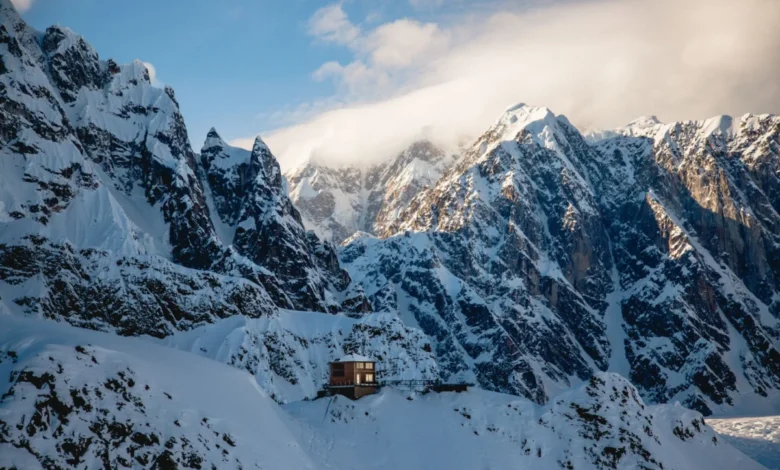
Denali National Park and Preserve remains one of Alaska’s premier crown jewels, drawing hundreds of thousands of visitors each year to witness its staggering scale, untouched wilderness, and abundant wildlife. Encompassing more than six million acres of pristine sub-Arctic landscape, the park offers a diverse array of experiences ranging from classic backcountry exploration to structured wildlife viewing. However, visiting the park requires careful planning, particularly in light of ongoing geological challenges that have significantly altered traditional access routes along the park’s sole thoroughfare.
The Evolution of Access Along the Denali Park Road
For decades, the primary artery for experiencing the interior of Denali National Park has been the 92-mile Denali Park Road. Historically, both narrated tour buses and hop-on, hop-off transit buses provided visitors with comprehensive access to the entire length of the corridor, serving as the main mechanism for wildlife observation, deep-country transit, and backcountry drop-offs.
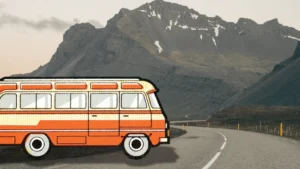
This operational model changed drastically following an active, ongoing land slump at Pretty Rocks, located near mile 43 of the park road. The destabilization of the mountainside has rendered a section of the road impassable and unsafe for heavy vehicular transit. Consequently, the National Park Service (NPS) has implemented a partial closure, forcing all standard vehicle traffic—including transit and tour buses—to turn around at mile 43.
Despite these limitations, multiple alternatives allow visitors to experience sections of the iconic route. A complimentary courtesy shuttle operates between the Denali Visitor Center and the Savage River area at mile 15, providing a free and accessible option for those seeking a shorter excursion. For visitors desiring a more active approach, bicycle rentals are available from local outfitters such as Bike Denali, situated approximately one mile outside the park entrance. Cyclists can pedal along the road to the extent of their physical capability, subject to park regulations and weather conditions. Additionally, during peak visitor seasons, private motorists are permitted to drive their personal vehicles as far as mile 15 to access the Savage River trailheads, though parking capacity is strictly limited and spaces fill rapidly during morning hours.
Spotting North America’s Tallest Peak
The park’s namesake, Denali—formerly known as Mount McKinley—stands as the highest mountain peak in North America, soaring to an elevation of 20,310 feet above sea level. Expectations of viewing the massive peak are high among arriving travelers, yet achieving a clear sighting involves overcoming significant meteorological hurdles.
The mountain’s massive vertical relief generates its own microclimate, meaning the summit is frequently cloaked in dense clouds and heavy fog. Statistically, park officials note that only about one-third of visitors catch a completely unobstructed view of the peak during their stay. To optimize viewing opportunities, visitors must travel to at least mile 9 of the park road, where the elevation gain finally clears intervening terrain and brings the distant summit into view. For hikers seeking both physical exertion and elevated sightlines, the Mountain Vista trail, located near mile 12, provides a rewarding ascent with expanded vistas.
Travelers who miss out on a clear view from within the park boundaries still have alternative viewing corridors. The Alaska Railroad, which brings numerous tourists to the region, offers elevated window views of the Alaska Range. Motorists traveling along the Parks Highway can also utilize several well-marked waysides and designated pullouts specifically engineered for mountain viewing on clear days.
Wilderness Hiking and Safety Protocols
Backcountry exploration is a fundamental component of the Denali experience, supported by a network of official trails alongside an open policy for off-trail wandering. Notable routes include the Savage River and Savage Alpine trails, which offer sweeping valley views and close-up encounters with the local tundra ecosystem. Another premier destination is the Triple Lakes Trail, a longer excursion that winds through taiga forest and wetlands, providing prime opportunities for hikers to observe local wildlife, including active beaver populations.
For travelers preferring cross-country exploration, the park’s open-tundra policy permits off-trail hiking directly from the park road. Visitors simply disembark at designated pullouts to traverse the landscape independently. However, venturing into Denali’s wilderness necessitates strict adherence to safety protocols. Park authorities mandate that all hikers carry bear spray—which is available for rent at the Alaska Geographic store adjacent to the Denali Visitor Center—and maintain thorough knowledge of appropriate responses to wildlife encounters.
Park rangers play a critical role in visitor education, offering daily consultations to help tourists select appropriate routes based on experience levels and weather conditions. Furthermore, the NPS organizes a robust schedule of ranger-led group activities, encompassing both structured on-trail hikes and educational off-trail excursions.
Cultural Heritage: The Working Sled Dog Kennels
A unique feature distinguishing Denali from other units in the National Park System is its historic and operational sled dog kennel. Denali maintains the only active working sled dog kennel in the entire National Park Service, continuing a tradition vital to winter park operations where mechanized travel is restricted or environmentally impractical.
Throughout the summer season, park rangers host two to three daily public demonstrations showcasing how the dogs are trained, housed, and integrated into winter patrols, scientific research, and trail maintenance. Visitors can access the kennels via a walking path from the park entrance or utilize the complimentary park shuttle system, making this cultural attraction one of the most accessible and popular features for families and history enthusiasts alike.
Commercial Excursions and Gateway Adventures
While internal park access has faced constraints due to the Pretty Rocks landslide, the gateway communities surrounding Denali National Park boast a thriving sector of commercial outfitters offering high-adulthood thrills and guided wilderness tours. The vast majority of these commercial operations take place along the outer boundaries of the federal parkland rather than within its legally protected interior. Nevertheless, these businesses provide substantial recreational value for visitors seeking dynamic outdoor experiences.
Equestrian tours represent a traditional and quiet alternative to motorized excursions. Companies such as Denali Horseback Tours operate in the rolling hills adjacent to the park, leading riders along elevated ridgelines that provide panoramic views of the Alaska Range and surrounding valleys without the acoustic and environmental footprint of motorized transport. Conversely, for travelers prioritizing speed and mechanical power, guided excursions with Denali ATV Adventures offer rugged, mud-splattering trail rides through the northern foothills.
Water-based recreation is another major draw, centered primarily on the Nenana River, which forms the eastern natural boundary of the park. White-water rafting companies, including family-owned operations like Denali Raft Adventures, navigate the glacial waters through steep canyons. These excursions vary widely in intensity, accommodating both families seeking mild scenic floats and adrenaline seekers looking for Class III and IV rapids.
For affluent travelers seeking elite, specialized access, a select group of permit-holding guide services operates within the park boundaries. Companies such as Alaska Alpine Adventures provide custom-tailored backcountry hiking and mountaineering expeditions deep within the park’s restricted zones. These premium excursions require advanced reservations and a high baseline of physical fitness, offering an exclusive window into regions of Denali that remain inaccessible to the general public.
Broader Economic and Operational Implications
The ongoing partial closure of the Denali Park Road has introduced complex economic and logistical dynamics for the regional tourism industry. Local businesses, tour operators, and hospitality providers in gateway communities like Healy and Denali Park have had to adapt marketing strategies and tour itineraries to accommodate the mile-43 turnaround restriction.
Despite these infrastructure setbacks, visitor demand remains exceptionally resilient. The National Park Service and commercial partners continue to adapt by emphasizing front-country activities, enhanced interpretive programs, aviation tours, and boundary-adjacent recreation. As geological monitoring of the Pretty Rocks slump continues, park administrators are evaluating long-term engineering solutions to eventually restore full transit access to the deeper reaches of the park road, ensuring that future generations can once again journey fully into the heart of this iconic wilderness.