Elon Musk Drops the First Seven Minutes of Groks AI-Generated Odyssey to Rival Christopher Nolans Blockbuster Epic

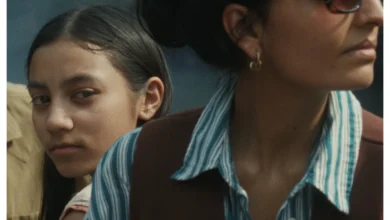
The ongoing cultural and technological clash between generative artificial intelligence and traditional Hollywood filmmaking reached a new milestone this week when Elon Musk released the first seven minutes of an AI-generated adaptation of Homer’s ancient epic, The Odyssey. Published via his social media platform X and utilizing the platform’s proprietary Grok Imagine tool, the footage represents Musk’s direct response to acclaimed director Christopher Nolan’s blockbuster cinematic adaptation, which dominated global box offices earlier this year.
Described in the accompanying credits as a "creative collaboration with Wonder Studios X and director Dev Walker," the release of the seven-minute segment marks the realization—at least in part—of a pledge Musk made months ago during a fiery online dispute over Hollywood casting choices, historical fidelity, and the artistic direction of modern blockbusters. While the project has drawn substantial curiosity, generating millions of views within its first days of release, it has also reignited fierce debates regarding the aesthetic limitations of generative AI, copyright ethics, and the cultural boundaries of storytelling.
The Genesis of a Digital Rivalry: Casting Controversies and Online Backlash
The friction between Musk and mainstream Hollywood began in earnest in June, coinciding with the theatrical premiere of Christopher Nolan’s The Odyssey. Nolan’s cinematic take on the foundational Greek epic achieved massive commercial success, drawing praise from critics for its scale, ambition, and distinct directorial vision. However, the film also sparked intense polarization across social media.
Central to the controversy was Nolan’s casting choices, notably the selection of Academy Award-winner Lupita Nyong’o to portray Helen of Troy, and Elliot Page in the role of the Greek archer Sinon. While supporters of the film praised the diverse and boundary-pushing cast as a refreshing contemporary reinterpretation of a timeless myth, critics on the political right levied severe accusations against the production.
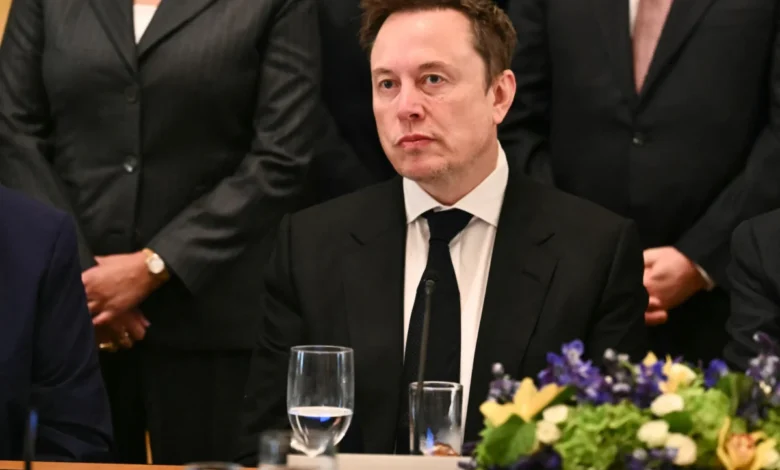
Elon Musk himself took to X to voice his displeasure, publicly accusing Nolan of pursuing prestigious awards through what the billionaire characterized as politically motivated casting. In a series of widely shared posts, Musk condemned the creative decisions as an affront to historical representation, prompting a cascade of similar complaints from right-leaning commentators and users across various digital platforms. Amid the escalating online discourse, Musk issued a bold declaration: before the year concluded, his AI platform Grok would produce a full-length feature film adaptation of The Odyssey designed to be "historically accurate and true to the art of Homer."
Following the initial announcement in July, weeks passed with little visible progress on the ambitious project. Meanwhile, Nolan’s theatrical epic continued its historic theatrical run, ultimately surpassing $600 million at the domestic box office and crossing an extraordinary $1.78 billion worldwide. As the box office numbers climbed, public discussion regarding Musk’s promised AI alternative largely subsided—until the surprise debut of the seven-minute sequence on Friday.
A Breakdown of the Seven-Minute Premiere
Upon its release, the initial installment of Grok Imagine’s The Odyssey immediately invited scrutiny from film critics, AI researchers, and casual viewers alike. Despite Musk’s original promise of a "historically accurate" production true to the ancient source material, the opening minutes revealed immediate deviations from that standard.
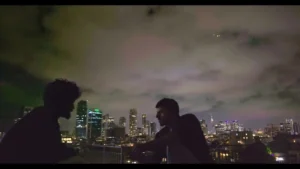
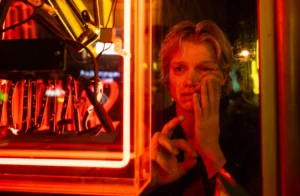
Most notably, the characters do not speak in Homeric Greek or any reconstructed historical dialect, but rather deliver their lines in standard modern English. Visually, industry observers noted that the AI-generated imagery frequently mirrors the distinct visual language and gritty aesthetic established in Christopher Nolan’s version, though critics argue it lacks the tangible scale, breathtaking cinematography, and directorial intentionality of a human-crafted film.
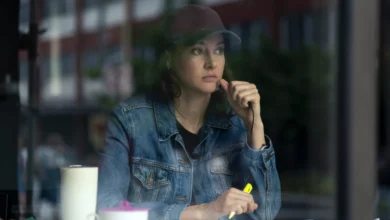
Furthermore, the performances generated by the AI system have drawn widespread criticism for their mechanical execution. Early viewers commenting on the platform described the digital actors as "soulless" and "wooden," highlighting ongoing technological limitations in capturing genuine human emotion, micro-expressions, and dramatic cadence through current generative video models.
Despite these artistic and technical shortcomings, the drawing power of Musk’s digital footprint ensured massive initial visibility. By the time the press reported on the release, the seven-minute segment had already accumulated upwards of 4 million views on X, underscoring the immense audience reach commanded by the platform’s ecosystem, even when showcasing polarizing experimental media.
Chronology of Events
To understand the trajectory of this unique clash between traditional cinema and artificial intelligence, a clear timeline of key milestones highlights how the project unfolded:
- June: Christopher Nolan’s cinematic adaptation of The Odyssey premieres globally to critical acclaim and massive box office success, while sparking public debate over its diverse casting choices.
- Late June: Elon Musk publicly criticizes Nolan’s casting on X, labeling the creative decisions as politically driven and accusing the production of failing historical standards.
- July: Musk formally announces that Grok Imagine will develop a full-length, "historically accurate" film version of The Odyssey to offer an alternative to Nolan’s vision before the end of the year.
- August through October: Months pass with minimal public updates regarding the development status of the promised AI-generated epic, while Nolan’s film continues to shatter box office records internationally.
- November: The first seven-minute installment of Grok Imagine’s The Odyssey is officially published on X, billed as a creative collaboration with Wonder Studios X and director Dev Walker, garnering millions of views within days.
Technological Implications and the Future of AI in Filmmaking
The release of Grok’s The Odyssey serves as a high-profile case study in the rapidly accelerating intersection of generative artificial intelligence and commercial entertainment. As AI models transition from generating static images and short loops to producing narrative-driven video sequences spanning several minutes, the capabilities and limitations of the technology are being scrutinized on a global stage.
Tech analysts point out that while platforms like Grok Imagine drastically lower the barrier to entry for content creation—allowing individuals or small groups to conceptualize and render complex cinematic scenes without traditional studio budgets—the resulting output continues to struggle with narrative coherence, emotional resonance, and artistic depth. The widespread critique of the project’s "wooden" acting and derivative visual style highlights the irreplaceable value of human craftsmanship, directorial vision, and authentic performance in cinematic storytelling.
At the same time, the project underscores broader questions regarding intellectual property, public domain usage, and platform favoritism. Because The Odyssey is an ancient public domain work, creators are legally free to adapt Homer’s poetry without copyright restrictions. However, using generative AI models trained on vast corpuses of existing media to directly challenge contemporary commercial releases raises complex ethical and legal questions that the entertainment and technology sectors are only beginning to navigate.
As the debate over artificial intelligence in the arts intensifies, the future of Musk’s ambitious cinematic venture remains uncertain. Whether Grok Imagine will successfully deliver the remainder of the full-length feature as originally promised, and whether subsequent installments will address the technical and aesthetic criticisms leveled against the opening chapter, will depend on both rapid advancements in AI video technology and the evolving reception of audiences navigating this new frontier of digital media.
Related posts: