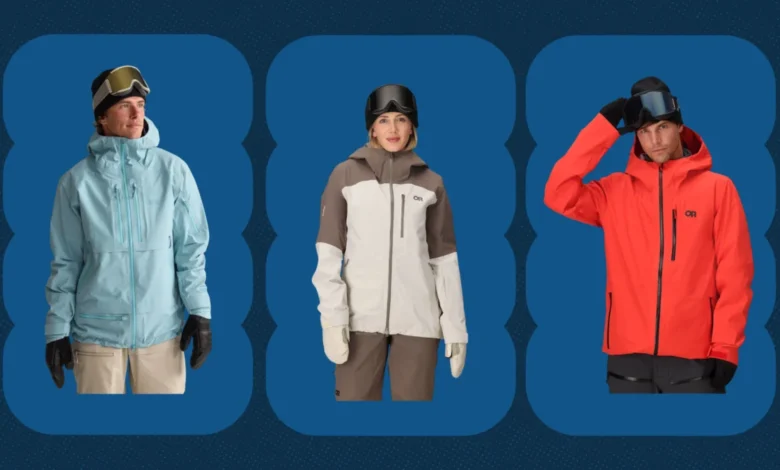
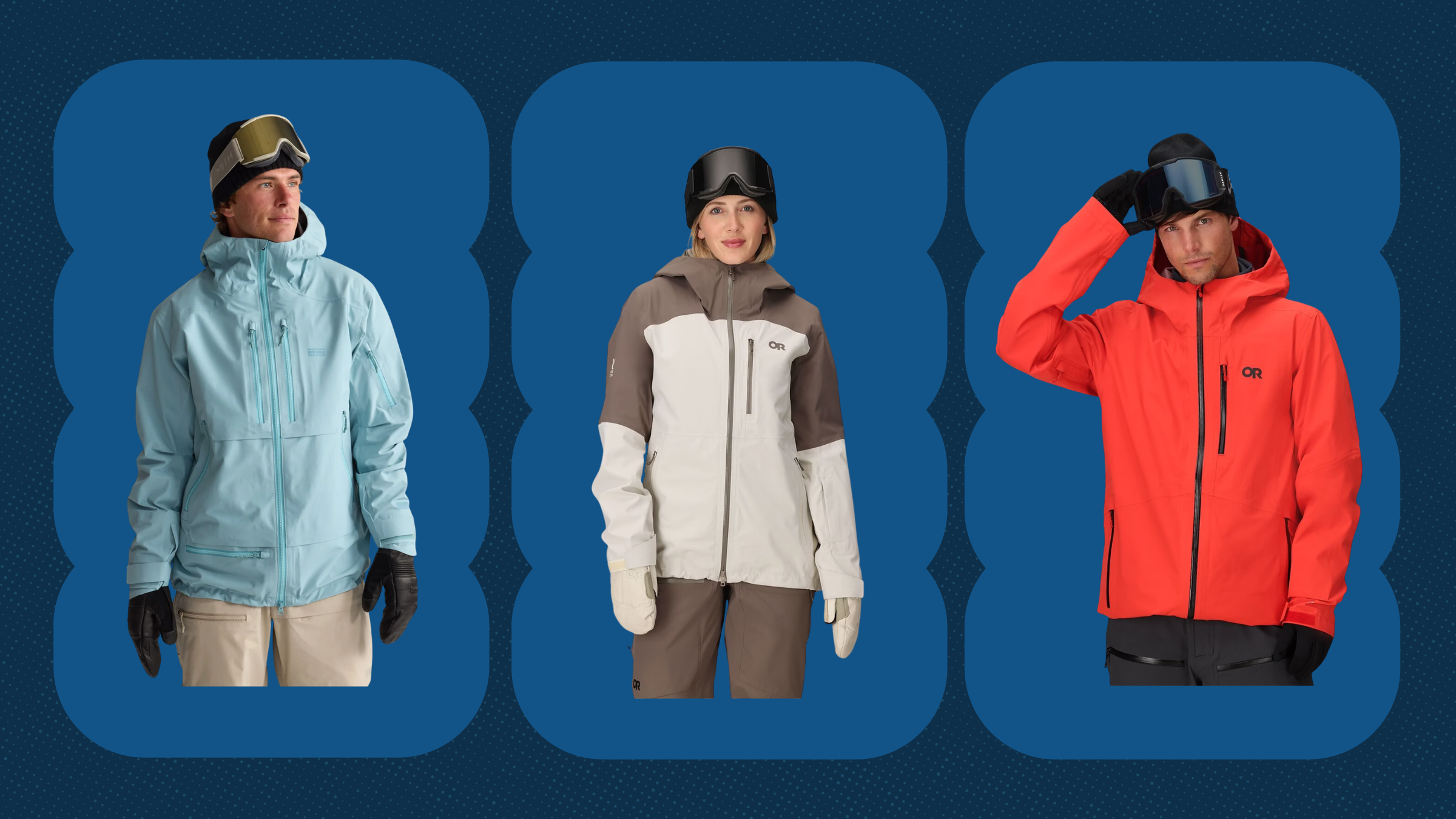
As autumn descends upon the northern hemisphere, the retail landscape for winter sports equipment undergoes its most significant transformation of the year. For the dedicated skier, mid-September serves as a critical strategic window: retailers are aggressively liquidating last season’s technical outerwear to clear floor space for incoming 2027 inventory. This annual cycle of inventory rotation provides a rare opportunity for consumers to acquire high-performance technical apparel at significant price reductions. Market data indicates that during this pre-season period, discounts on premium Gore-Tex and proprietary membrane shells frequently range between 30 and 60 percent, offering an optimal intersection of quality and affordability for those preparing for the impending season.
The Economics of Seasonal Inventory Liquidation
The phenomenon of the "late-summer gear sale" is driven by the logistical realities of the snow sports industry. Major manufacturers, including Arc’teryx, Patagonia, and Helly Hansen, typically release their new seasonal catalogs in late September and October. Retailers such as REI and evo face a "carrying cost" dilemma; holding onto last year’s stock occupies valuable warehouse and floor space that is needed for new, full-priced product launches. Consequently, these retailers implement deep discounting strategies to ensure inventory turnover.
For the consumer, this presents a tactical advantage. Unlike perishable goods, technical ski jackets—particularly those utilizing three-layer (3L) shell constructions—do not experience rapid degradation in performance. A 2025/26 shell purchased in September 2026 remains technologically competitive with current-year models, as the core advancements in membrane technology, such as Gore-Tex Pro ePE, remain consistent across multi-year product lifecycles.
Performance Standards and Technical Considerations
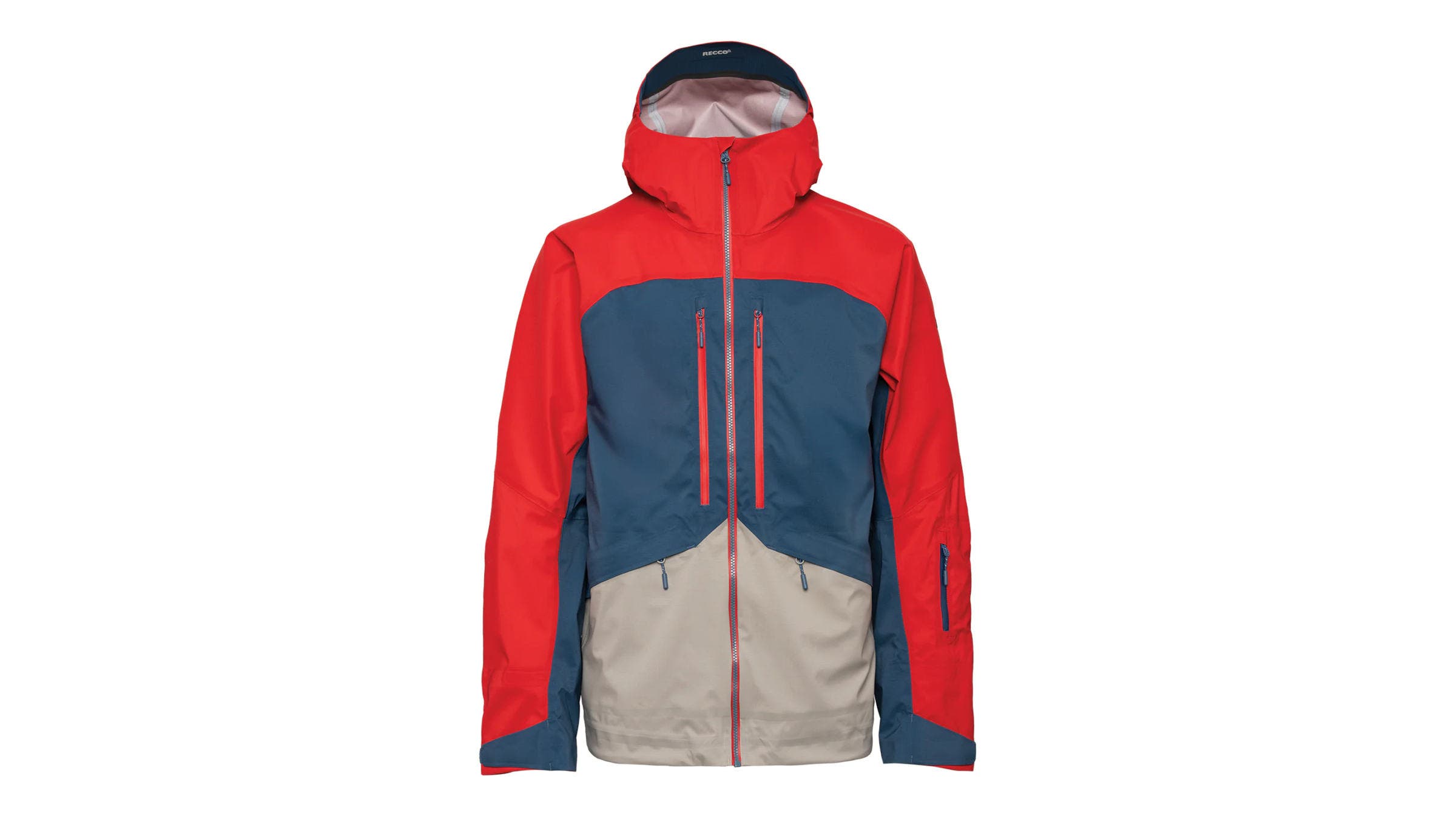
When navigating the current surplus market, gear analysts advise prioritizing construction over aesthetic trends. Modern technical jackets are generally categorized by their membrane technology, which serves as the primary barrier against hydrostatic pressure and wind.
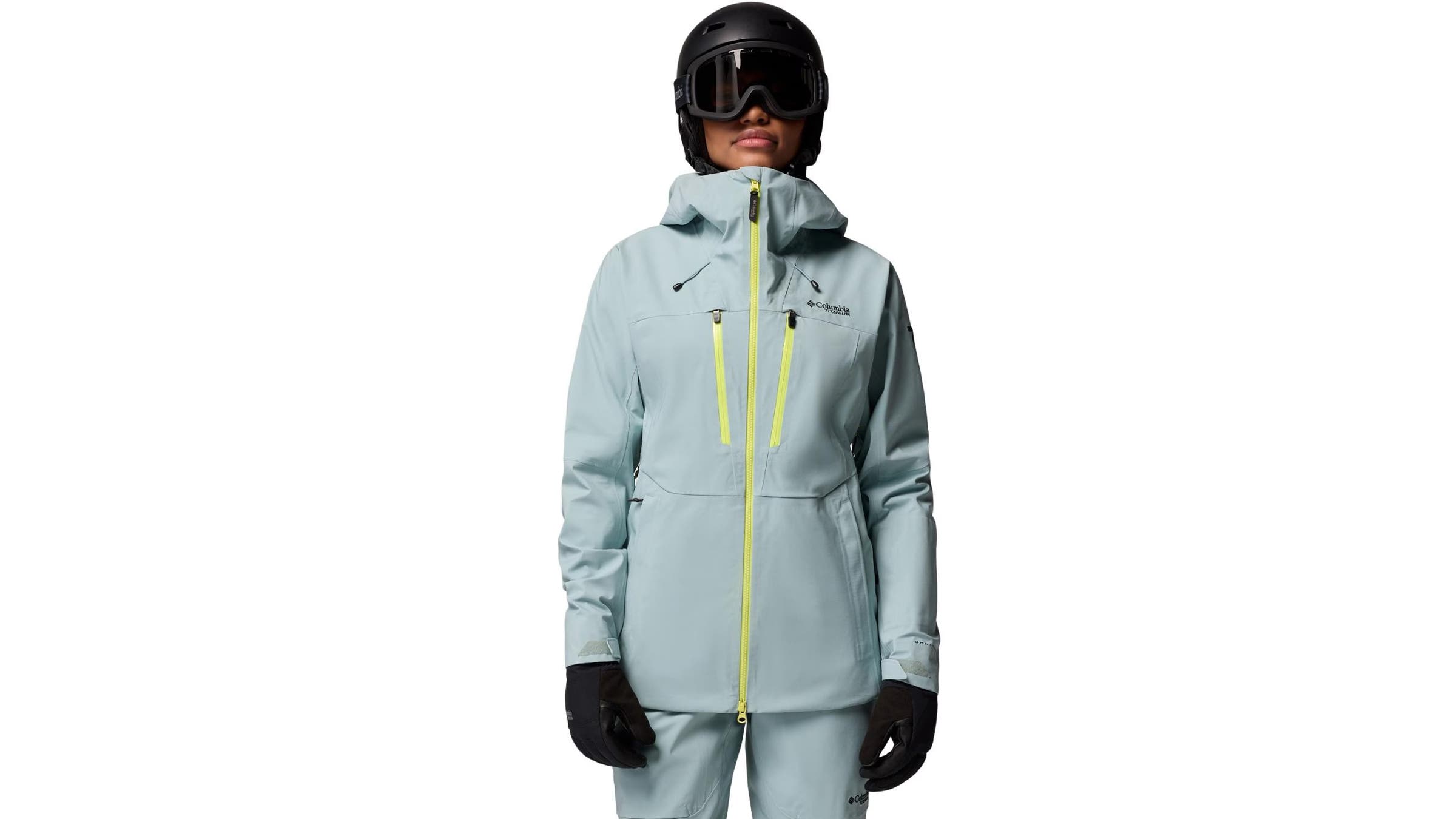
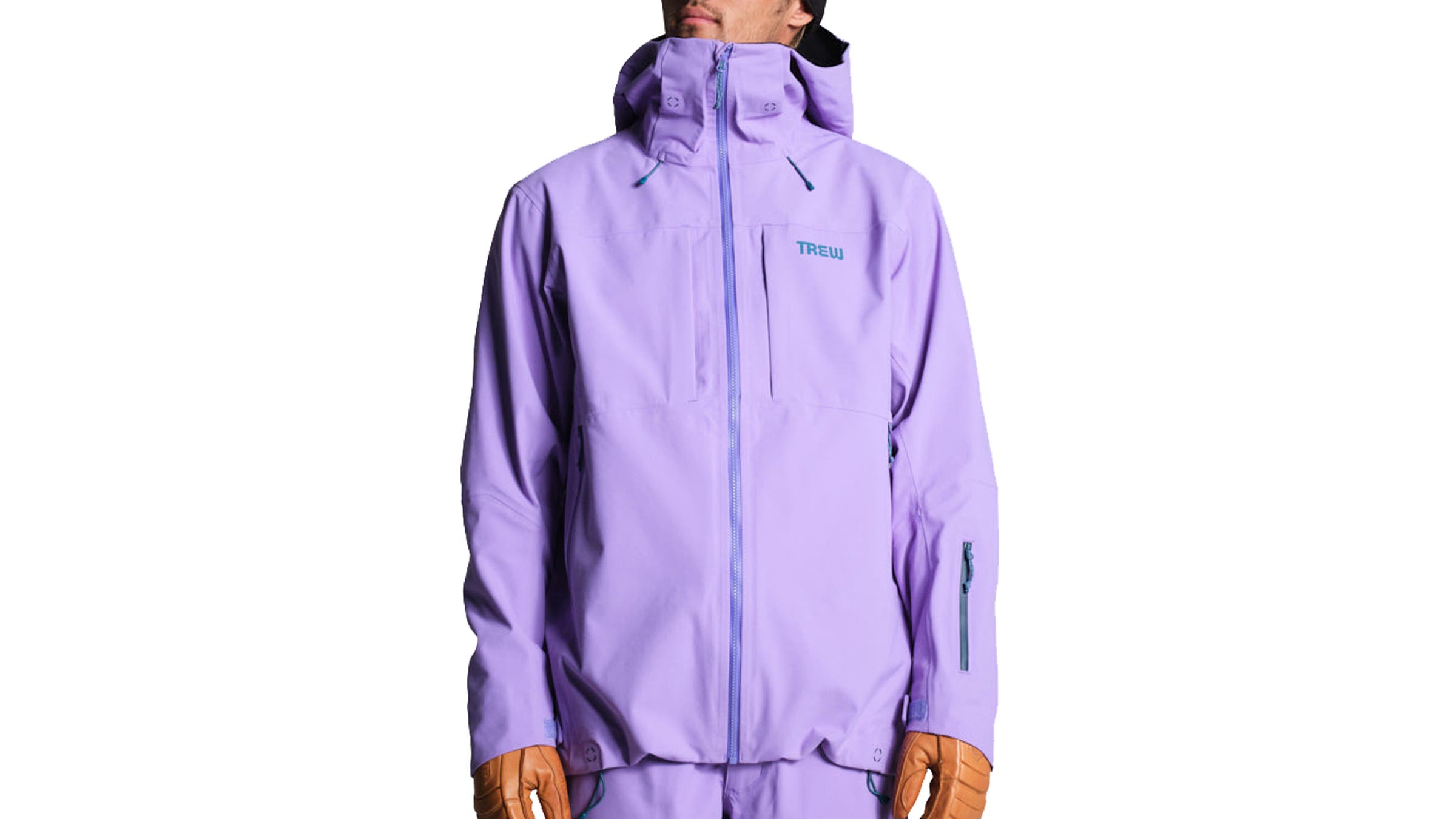
- Three-Layer (3L) Construction: The industry gold standard for backcountry and high-output resort skiing. These jackets fuse the outer face fabric, the waterproof membrane, and the inner lining into a single, durable unit. They are characterized by higher durability and breathability, as seen in the Strafe Nomad and the Trew Cosmic Primo.
- Two-Layer (2L) Construction: Typically paired with insulation, these shells offer increased comfort and warmth for resort-based skiers who prioritize heat retention over the weight-saving, moisture-wicking properties required for high-intensity touring.
- Membrane Technology: While proprietary membranes like Columbia’s OmniTech offer cost-effective water protection, materials like Gore-Tex Pro represent the current benchmark for extreme conditions, providing superior breathability-to-durability ratios.
Comparative Analysis of Current Market Offerings
The following selection highlights pieces that have maintained high ratings in performance testing while currently experiencing significant price adjustments.
High-Performance Shells (Backcountry-Oriented)
The Strafe Nomad Jacket, hailing from the high-altitude testing grounds of Aspen, Colorado, has seen a 50 percent price reduction. Utilizing Pertex Shield, this garment is engineered for weight-sensitive maneuvers. Analysts note that while colorway options are thinning, the technical specifications remain superior for users engaged in high-output climbing and descent.
Similarly, the Patagonia PowSlayer—a staple in the brand’s technical lineup—is currently available at half its original retail price. The inclusion of the Gore-Tex ePE membrane marks a significant shift in the industry toward more sustainable, PFC-free water repellency, making this a future-proof acquisition for the environmentally conscious skier.
Value-Driven Resort Options
For those prioritizing resort performance over ultralight weight, the REI Co-op First Chair GTX Jacket represents a significant market outlier. By utilizing Gore-Tex in a 2L format, the jacket provides the industry-leading weatherproofing associated with the Gore brand at a price point significantly lower than boutique competitors. This strategy—pairing premium membranes with cost-efficient construction—has allowed REI to capture a larger share of the value-conscious segment.
Sustainability and Material Innovation
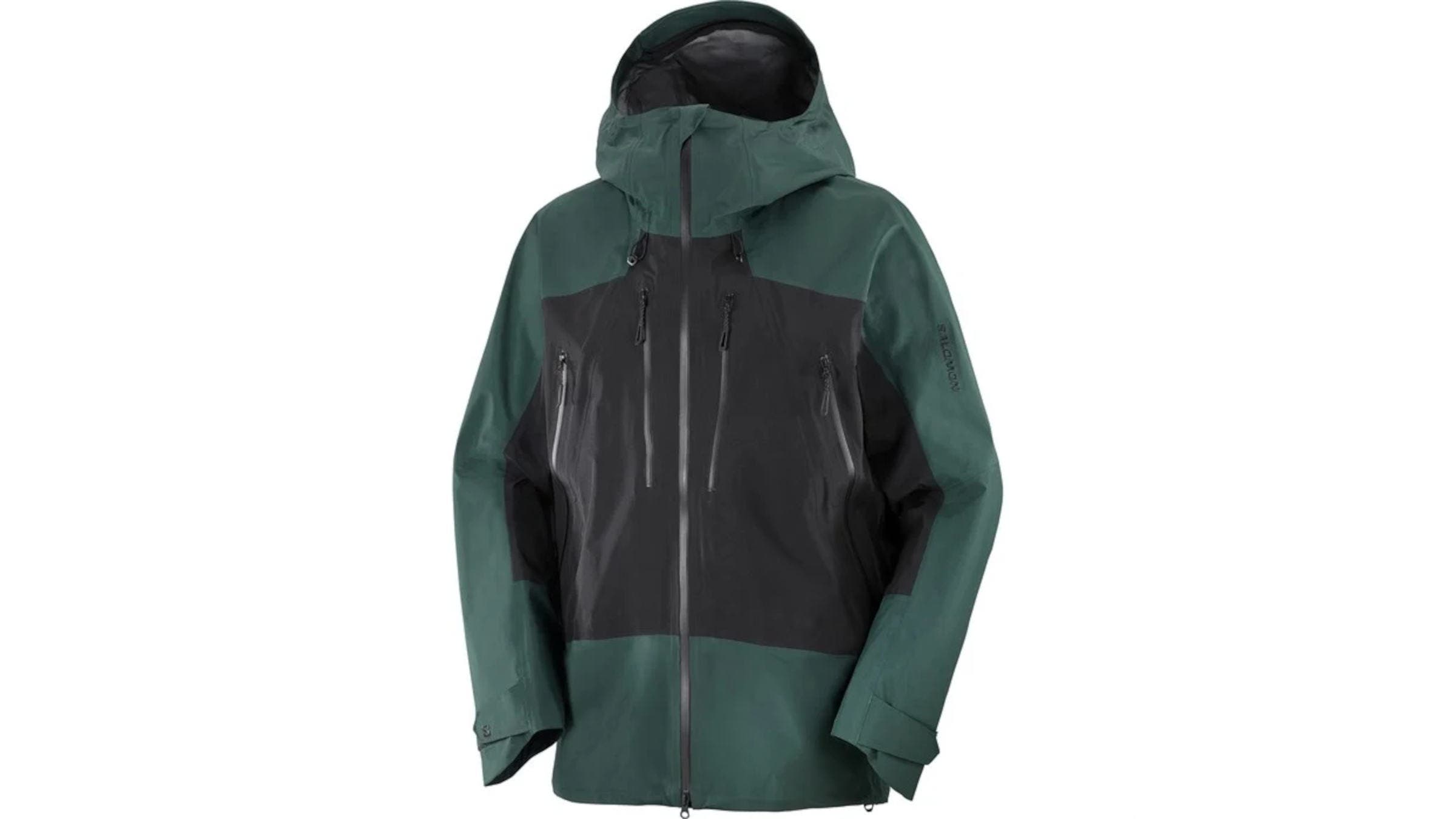
The inclusion of items such as the Oyuki Goshiki NetPlus 3L Jacket highlights a broader industry trend: the integration of recycled materials into technical apparel. Constructed from repurposed fishing nets, this jacket demonstrates that sustainability is no longer a secondary consideration in the luxury outerwear market. As climate change impacts snowpack stability and season lengths, manufacturers are increasingly under pressure to adopt circular economy principles, a shift that is currently being passed on to the consumer through better-valued, sustainable gear.
Strategic Purchasing Timeline
Industry experts suggest that the "sweet spot" for these discounts is narrow. The current inventory levels, while robust, are subject to "size attrition." As the calendar moves into October, the remaining stock typically trends toward the extreme ends of the sizing spectrum.
- Mid-September: The initiation of aggressive clearance. Most sizes are still available.
- Late September: Arrival of new inventory; retailers consolidate clearance items into dedicated "outlet" sections.
- October: Final liquidation. Remaining items are often moved to secondary marketplaces or donated.
Expert Recommendations and Safety Implications
While the pursuit of a bargain is a common pre-season ritual, experts emphasize that technical gear serves a safety function. A jacket’s ability to remain breathable while shielding the wearer from sub-zero winds and high-moisture environments is not merely a matter of comfort; it is a critical component of cold-weather safety.
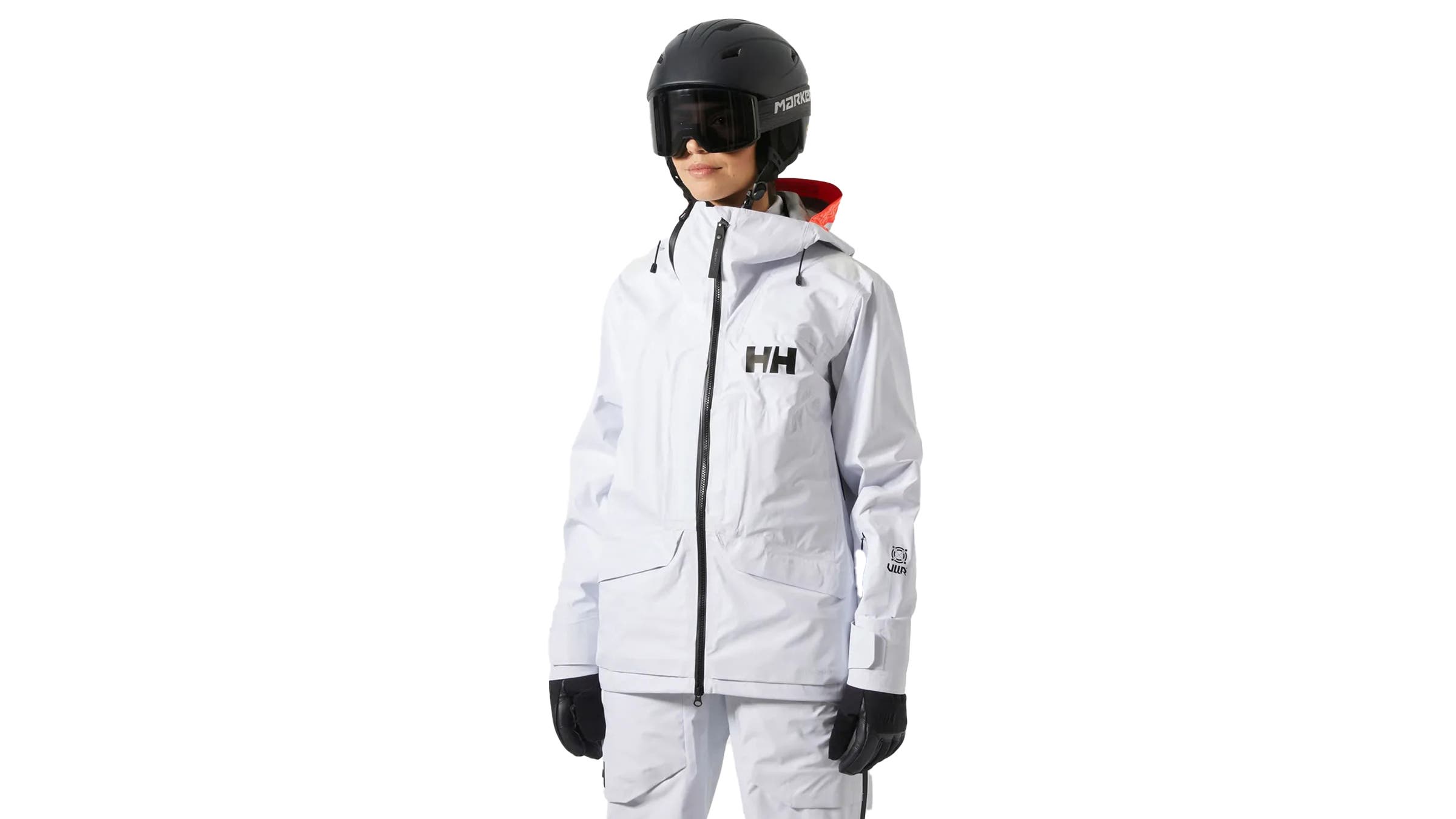
"When selecting a jacket on sale, the user must ensure that the fit allows for adequate layering," suggests a lead gear tester from a prominent outdoor publication. "A shell that is too tight restricts blood flow and inhibits the insulating properties of mid-layers. Conversely, a shell that is too large may compromise the efficacy of the membrane’s breathability."
Broader Industry Implications
The 2026/27 season is expected to see a shift toward more integrated electronic systems within apparel, such as built-in RECCO reflectors and potential advancements in lightweight active heating. However, the current influx of 3L Gore-Tex shells into the sale market suggests that for the average user, the law of diminishing returns applies. The performance gap between a 2025/26 shell and a 2027 model is, in many cases, marginal.
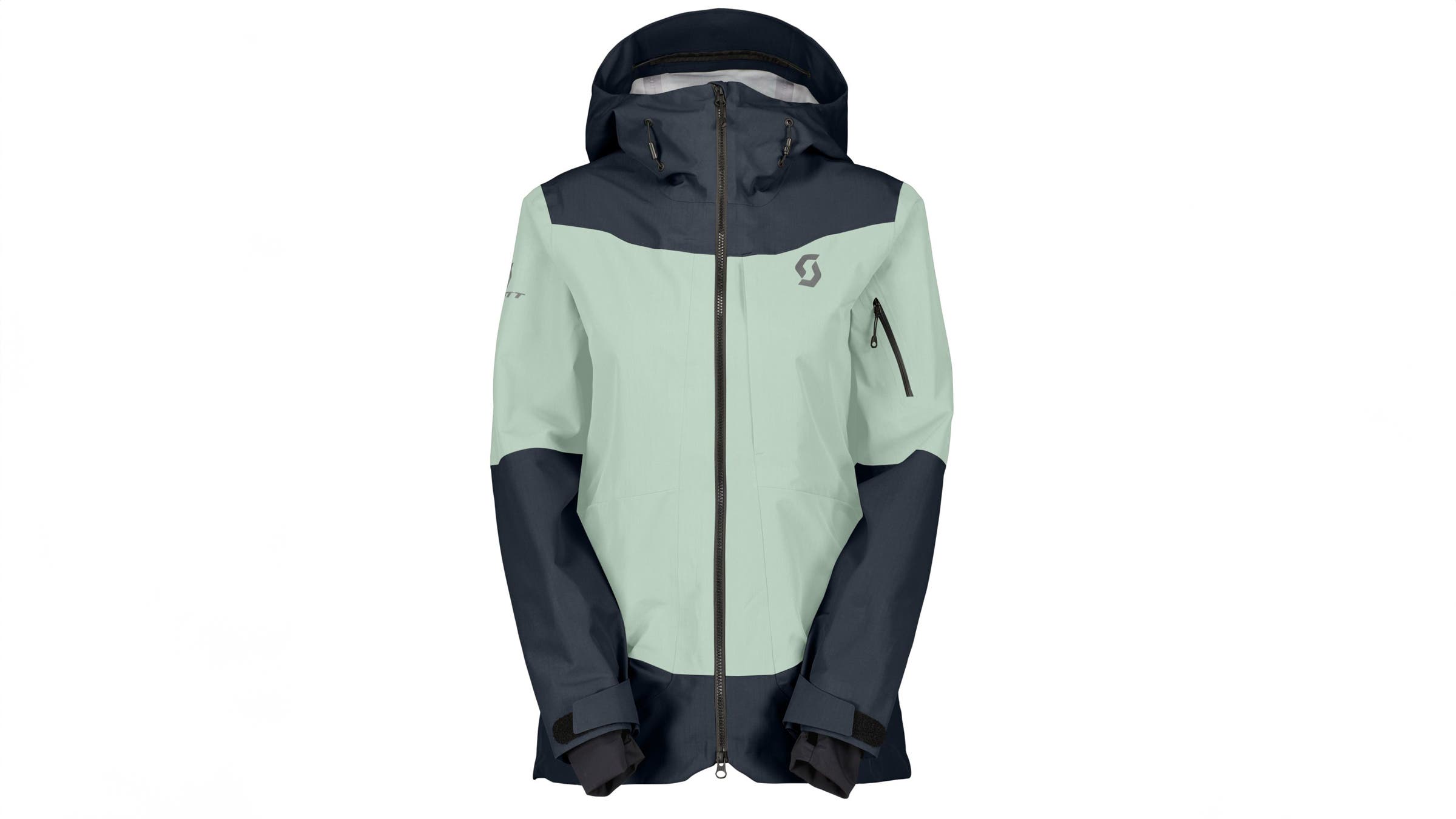
As consumers digest these options, the overarching takeaway is one of market stability. Despite inflationary pressures on raw materials and global supply chain fluctuations, the availability of high-end equipment at sub-retail prices remains a hallmark of the ski industry’s cyclical nature. Whether one is a backcountry enthusiast requiring the lightweight, breathable performance of a Mountain Hardwear Mythogen or a resort skier looking for the insulated comfort of the REI Powderbound, the current window provides a rare, objective advantage for the prepared consumer.
For those planning to hit the slopes this winter, the advice is consistent across the industry: prioritize the membrane, ensure the fit is functional for your specific discipline, and act before the seasonal inventory depletion cycle completes in early October. The intersection of technical performance and price-point accessibility is at its annual peak, marking the final stage of the pre-season transition before the first major snowfall.