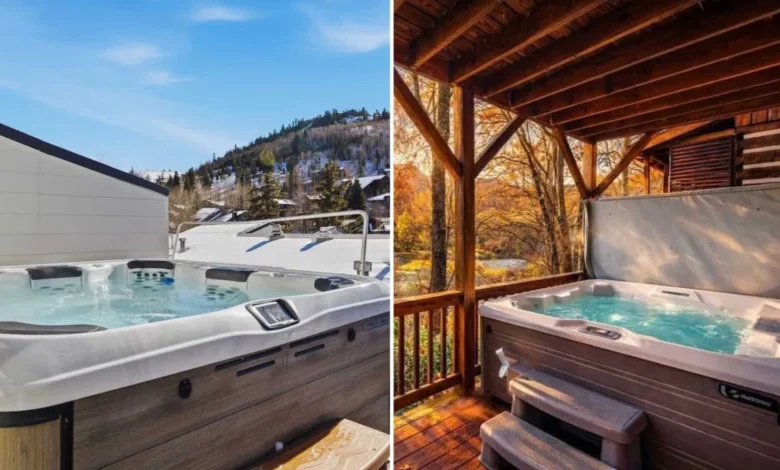
While frequent flyers often engage in spirited debates over the merits of window versus aisle seats, or whether group vacations ultimately strengthen or strain friendships, a rare consensus exists regarding vacation amenities. Across demographics and travel styles, few features elevate a property quite like a high-end hot tub. Industry analysts and hospitality experts note that hydrotherapy amenities have transitioned from a luxury novelty to a primary booking driver in the short-term rental market, separating standard accommodations from premier properties. Whether utilized to invigorate the body on a crisp autumn morning or to soothe tired muscles following a day of outdoor exploration, the private hot tub remains a perennial favorite across all four seasons.
A curated selection of properties spanning from the rustic log cabins of Tennessee to the architecturally striking, glass-fronted beach houses of coastal Oregon highlights the enduring appeal of these bubbling sanctuaries. These destinations offer travelers an immersion into diverse American landscapes—from the profound stillness of the New Mexican high desert and the crisp, pine-scented air of the Blue Ridge Mountains to the wildlife-rich expanses of the Texas Hill Country. Designed to facilitate nervous system regulation, quiet reflection, or shared laughter among friends, these US-based rentals provide a compelling justification for an immediate weekend getaway.
The Methodology Behind Premier Rental Selections
Selecting top-tier vacation rentals requires a rigorous evaluation process that extends beyond surface-level aesthetics. Industry standards for elite listings—often categorized by platforms as Superhost or Premier Host statuses—rely on a multifaceted matrix. Evaluators examine verified guest reviews, host response rates, cancellation flexibility, and overall property maintenance scores. Furthermore, interior design trends, structural amenities, geographical positioning, and firsthand editorial visits play a critical role in curation.
In the context of properties centered around hydrotherapy amenities, additional criteria apply. Maintenance protocols, water filtration systems, privacy landscaping, and the integration of the hot tub with the surrounding natural environment are heavily weighed. A hot tub situated on a cliffside overlooking the Pacific Ocean or nestled beneath the dense canopy of a deciduous forest offers an experiential quality that mere square footage cannot replicate. Consequently, the listings featured in premier travel roundups represent the intersection of architectural design, locational exclusivity, and uncompromising hospitality standards.
The Evolution of the Vacation Rental Market and Wellness Travel
The surging demand for properties equipped with private hot tubs reflects a broader macroeconomic shift in consumer behavior toward wellness tourism. According to data compiled by the Global Wellness Institute, the wellness tourism sector has expanded rapidly, driven by travelers seeking restorative and health-focused experiences rather than traditional, high-paced sightseeing itineraries. The modern traveler increasingly views vacations as an opportunity for proactive health maintenance, stress reduction, and mental health resets.
Historically, luxury amenities such as saunas, steam rooms, and hot tubs were restricted to five-star resort complexes and boutique hotels. However, the democratization of the short-term rental market over the past decade has decentralized luxury. Property owners and real estate investors have recognized that incorporating a commercial-grade or high-end residential hot tub significantly increases occupancy rates, average daily rates (ADR), and return on investment. Market analyses of vacation rental booking platforms consistently demonstrate that properties featuring hot tubs command a distinct booking premium and experience higher demand during off-peak shoulder seasons.
Regional Highlights: From Mountain Ridges to Coastal Retreats
To understand the geographical diversity of the American short-term rental landscape, one must examine the distinct micro-climates and architectural vernaculars that define different regions. Each destination offers a unique sensory experience, enhanced by the juxtaposition of natural elements against the heated water of a hydrotherapy tub.
The Blue Ridge Mountains: Elevating the Autumn Escape
Stretching from the southeastern United States into Pennsylvania, the Blue Ridge Mountains represent one of the country’s most sought-after drive-market destinations, particularly during the autumn foliage season. Properties in this region—ranging from contemporary A-frame chalets to sprawling timber-frame lodges—are intentionally designed to maximize panoramic views of rolling, mist-shrouded ridges.
Hospitality data indicates that Blue Ridge rentals experience peak demand in October and November. During these months, travelers seek out cabins featuring wraparound wooden decks, stone fireplaces, and recessed hot tubs. The psychological appeal of sitting in steaming mineral-infused water while crisp mountain air surrounds the body is a primary driver of repeat bookings in the region. Local tourism boards report that visitors increasingly prioritize outdoor living spaces over interior square footage, viewing the deck and hot tub combination as the true living room of the vacation home.
Coastal Oregon: Dramatic Shorelines and Secluded Sanctuaries
In stark contrast to the inland forests of the Southeast, the Oregon coast offers a dramatic, rugged seascape characterized by jagged sea stacks, expansive sandy beaches, and dense temperate rainforests. Vacation rentals here often feature floor-to-ceiling glass walls, polished concrete floors, and minimalist architectural designs that harmonize with the overcast, moody climate.
For properties positioned along the Pacific Northwest coastline, a hot tub is not merely an amenity; it is a vital functional element that makes outdoor enjoyment viable during inclement weather. As maritime winds sweep across the Pacific, guests can utilize sheltered or semi-enclosed hot tubs to observe winter storms, crashing surf, and migrating whales without exposing themselves to hypothermic temperatures. This fusion of rugged environmental exposure and restorative warmth underpins the enduring popularity of coastal Oregon rentals.
The Texas Hill Country: Wildlife Viewing and Stargazing
Moving southward, the Texas Hill Country presents a distinct ecosystem defined by limestone riverbeds, rolling hills, fields of native wildflowers, and expansive ranches. The region has evolved into a premier culinary, viticultural, and leisure destination, attracting urbanites from Austin, San Antonio, Dallas, and Houston.
Rentals in the Hill Country often emphasize indoor-outdoor living, featuring sprawling limestone patios, outdoor kitchens, and fire pits. Hot tubs in this region are frequently oriented toward dark-sky preservation areas, allowing guests to engage in stargazing while soaking. Furthermore, the agricultural and ecological richness of the area provides opportunities for wildlife observation—such as white-tailed deer, wild turkeys, and native bird species—directly from the property grounds.
The New Mexican Desert: Silence and Solitude
For travelers seeking profound isolation and mental decompression, the high desert landscapes of New Mexico—particularly areas surrounding Taos, Santa Fe, and the remote mesas—offer an unmatched sense of stillness. Architectural styles in this region lean heavily into Pueblo Revival and modernist desert aesthetics, utilizing adobe walls, vigas, and earthen tones.
The desert climate is characterized by significant diurnal temperature variation; while daytime temperatures can be soaring, nights often bring crisp, freezing conditions, particularly at high elevations. This environmental dichotomy makes a steaming hot tub an essential counter-measure. Soaking under an uninterrupted canopy of stars in the vast, silent New Mexican desert provides a sensory deprivation experience that appeals heavily to travelers experiencing chronic urban fatigue.
Economic and Operational Implications for Property Owners
The integration of high-end amenities like hot tubs into short-term rentals carries significant operational responsibilities for property owners and professional management companies. Unlike indoor amenities, outdoor hydrotherapy units require rigorous maintenance schedules to ensure guest safety and regulatory compliance.
According to hospitality management standards, hot tubs must be chemically balanced, drained, sanitized, and refilled between guest turnovers. Failure to maintain proper chlorine or bromine levels can lead to the proliferation of waterborne pathogens, posing severe legal and reputational risks to hosts. Consequently, many property owners partner with specialized pool and spa service companies to manage routine upkeep, adding to the operational overhead of running a premier rental.
Despite these maintenance demands, the financial return remains compelling. Real estate economists note that properties equipped with desirable outdoor amenities exhibit shorter vacancy periods and greater resilience during economic downturns. When discretionary travel budgets tighten, consumers often prioritize localized, drive-market getaways—such as a weekend cabin rental within a few hours of their primary residence—over expensive international travel. In this context, a well-appointed rental with a hot tub acts as an accessible, high-value luxury.
The Psychological Benefits of Hydrotherapy and Nature Immersion
The enduring appeal of the vacation hot tub is supported by established principles of environmental psychology and physiological science. Hydrotherapy—the use of water for pain relief and treatment—has been utilized across cultures for millennia, dating back to ancient Roman bathhouses and Japanese onsen traditions.
Modern physiological research demonstrates that immersion in warm water induces vasodilation, increasing blood flow to the muscles and promoting cardiovascular relaxation. When combined with hydro-massage jets, the physical tension stored in skeletal muscles is systematically released. Furthermore, psychologists emphasize the concept of "attention restoration theory," which suggests that exposure to natural environments—such as forests, mountains, or coastlines—helps replenish cognitive resources depleted by the demands of urban life.
Pairing the physiological benefits of hydrotherapy with the restorative cognitive effects of nature immersion creates a powerful synergy. Travelers returning from a hot-tub-equipped rental frequently report subjective improvements in sleep quality, mood stability, and perceived stress levels. This holistic benefit ensures that the demand for such properties will remain robust as wellness tourism continues its upward trajectory.
Future Trends in Vacation Rental Amenities
As the short-term rental market matures, property owners and developers are constantly seeking new ways to differentiate their listings in an increasingly crowded digital marketplace. While the private hot tub remains a gold standard, technological and design innovations are reshaping how these amenities are presented.
Smart-home integration is becoming standard, allowing guests to control hot tub temperatures and jet settings remotely via mobile applications or voice commands. Additionally, sustainability trends are influencing spa design; more properties are incorporating salt-water systems, energy-efficient heat pumps, and solar-powered filtration units to reduce the environmental footprint associated with maintaining heated water year-round.
Privacy landscaping is another critical area of investment. As rural and semi-rural areas experience increased residential development, property owners are utilizing native plantings, architectural fencing, and strategic positioning to ensure that hot tub users enjoy complete seclusion from neighboring properties.
Conclusion
The enduring popularity of vacation rentals featuring private hot tubs underscores a fundamental human desire for comfort, relaxation, and connection with nature. Whether situated against the backdrop of the misty Blue Ridge Mountains, the rugged Oregon coastline, the expansive Texas Hill Country, or the silent New Mexican desert, these properties offer a reliable antidote to the pressures of modern life. Through rigorous curation, adherence to hospitality standards, and an understanding of the evolving wellness tourism sector, top-tier rentals continue to redefine the standard for the modern getaway.