A Historic Democratic Majority Takes Control of Georgia Public Service Commission Amid Rising Utility Bills and Tech Expansion


Beginning this coming January, the political landscape of Georgia’s energy regulation will undergo its most significant transformation in three decades. For the first time in 30 years, Democrats will hold a majority on the five-member Georgia Public Service Commission (PSC), an influential regulatory board that dictates utility rates, energy infrastructure investments, and environmental compliance for millions of residents. The shifting political tides on the commission—solidified through consecutive election cycles characterized by intense grassroots organizing and public frustration over escalating utility bills—usher in a new era of oversight for the state’s dominant energy provider, Georgia Power.
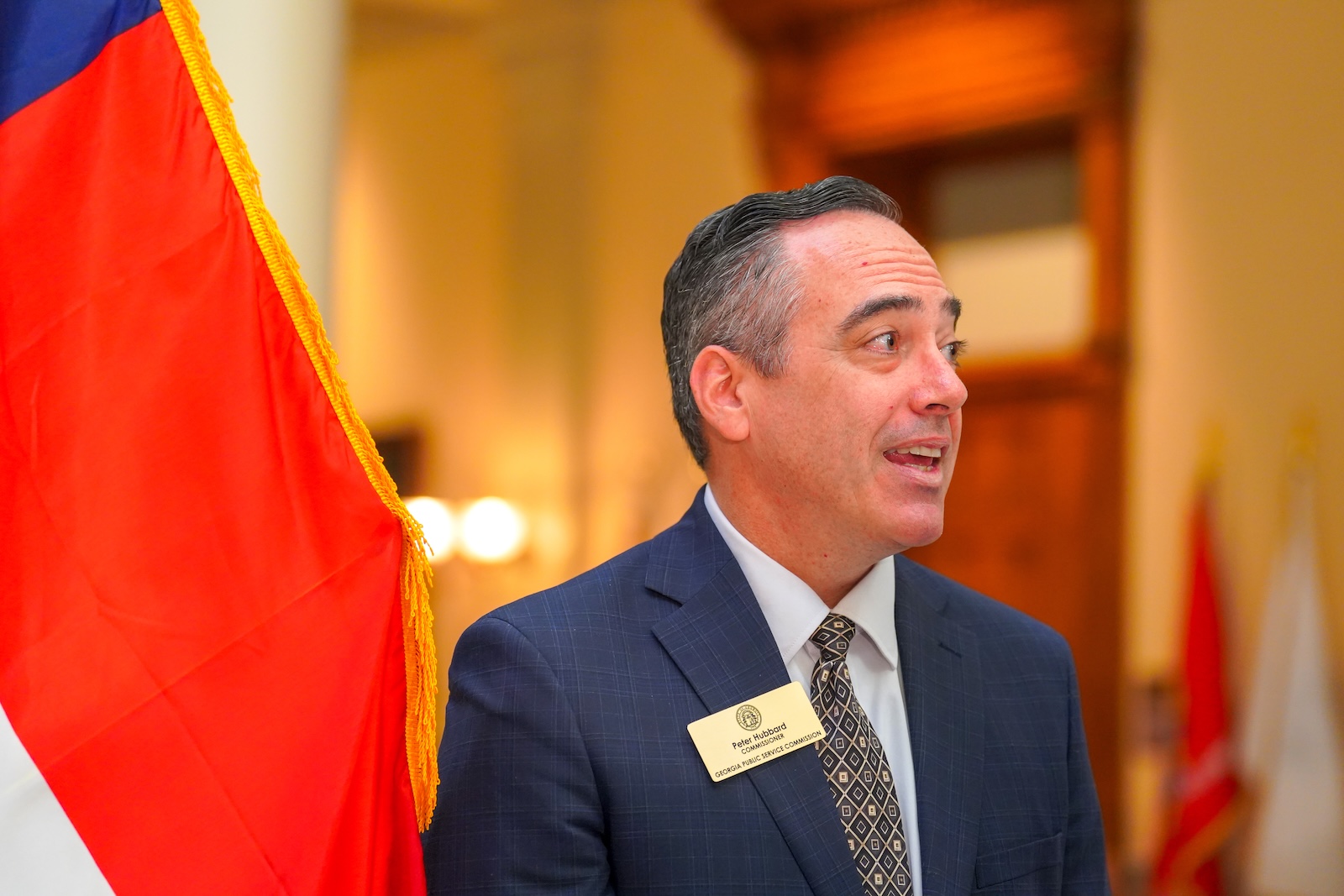
With three of the five seats now under Democratic control, the newly minted majority faces a formidable portfolio of responsibilities. Commissioners Peter Hubbard, who secured his reelection bid this week, will be joined by fellow Democrats Shelia Edwards and Alicia Johnson. Together, they plan to steer the regulatory agency toward heightened scrutiny of utility expenditures, an aggressive push for clean energy adoption, and a laser-like focus on consumer affordability. However, experts and commissioners alike warn that while the philosophical direction of the regulatory body will pivot immediately, translating these priorities into tangible relief for household budgets will require a systematic and time-consuming process.
A Changing of the Guard After Three Decades
The Georgia Public Service Commission has long operated as a low-profile agency with high-impact authority. Responsible for balancing the financial health of regulated monopolies against the economic well-being of ratepayers, the commission approves electricity and natural gas rates, evaluates long-term resource plans, and determines which infrastructure projects get built and funded by the public. Historically, the board has leaned heavily conservative, maintaining a reliable Republican majority that proponents argued fostered a predictable and business-friendly regulatory climate.
Critics, however, contend that the decades-long conservative leadership fostered an environment of rubber-stamping utility requests, resulting in cumulative rate hikes that disproportionately burden low- and fixed-income households. The turning point arrived as voters increasingly connected the dots between utility governance and their monthly household expenditures. Grassroots mobilization, spearheaded by organizations such as Georgia Conservation Voters, successfully reframed the once-obscure PSC elections as pivotal referendums on economic justice, environmental health, and consumer protection.
The immediate result of these organizing efforts is a commission poised to challenge the status quo. "There’s a long laundry list of things that need to be looked into," Commissioner Peter Hubbard noted following his victory. "And so we’ll have to triage, in fact, and decide how best to move forward."
Priorities and Policy Shifts: Affordability and Transparency
At the core of the incoming majority’s agenda is a commitment to transparency and financial relief. Hubbard has announced that one of his very first official priorities will be the establishment of an affordability docket—a formal series of investigative hearings designed to unpack the underlying drivers of soaring power bills and identify structural pathways to lower customer costs.
In addition to the affordability docket, the Democratic commissioners intend to subject upcoming filings from Georgia Power to rigorous examination. These include requests for expanded generation capacity and periodic adjustments to customer rate structures. The commission also plans to scrutinize the state’s natural gas utilities, with Hubbard noting that a comprehensive rate case for the sector has not been conducted in over a decade.
Despite these ambitious plans, stakeholders caution the public against expecting overnight miracles on their monthly utility statements. Emory University associate professor Kristin Phillips, an expert in energy burden and public utility regulation, emphasizes the distinction between regulatory intent and immediate economic relief. "We may not be able to expect immediate effects on our wallets," Phillips said. "But I think we can expect immediate change in the types of decisions that are made."
The Data Center Boom and the Promise of "Downward Pressure"
Much of the tension surrounding Georgia’s energy landscape in recent years stems from the explosive growth of data centers across the state. As major technology companies race to build massive facilities to power cloud computing and artificial intelligence infrastructure, electricity demand in Georgia has skyrocketed to unprecedented levels.
Georgia Power has consistently maintained that serving these power-hungry data centers is ultimately a net positive for residential and small business customers. The utility argues that the immense revenue generated by industrial-scale tech operations provides what it terms "downward pressure" on rates. According to this economic model, while utility bills may not decrease outright, the massive influx of corporate revenue helps offset infrastructure costs that would otherwise fall squarely on the shoulders of everyday ratepayers.
This strategy was highlighted in Georgia Power’s recent agreement to supply energy to a massive new OpenAI data center. The utility asserted that the partnership would yield approximately $15 a month in downward pressure for a typical residential customer. Similarly, Georgia Power credited data center revenues for enabling a temporary rate freeze approved by the PSC last year.
Yet, these corporate assurances have faced sharp criticism from consumer advocates and independent watchdogs. The temporary rate freeze, in particular, drew ire because it was announced by the utility directly rather than emerging from a transparent, adversarial PSC hearing process. Critics argued this circumvention deprived consumer advocates of the opportunity to verify the utility’s financial accounting, leaving the public unable to confirm whether ordinary households were genuinely shielded from the massive capital expenditures required to service the tech boom.
The Transparency Debate and Public Skepticism
Underpinning the policy debates is a broader, long-standing critique regarding transparency within both Georgia Power and the Public Service Commission. Transparency advocates have frequently decried the extensive redactions found in public utility filings. Critical details regarding energy purchase contracts, engineering and construction costs, and service agreements are routinely scrubbed from public documents under the legal umbrella of trade secrecy. Notably, the contract underpinning the high-profile OpenAI data center deal was kept entirely confidential, with only a heavily summarized version released to the public after its regulatory approval.
This lack of public visibility has fostered deep skepticism among consumer advocacy groups who question whether the cozy relationship between regulators and the regulated utility has historically prioritized corporate expansion over public welfare.
"I absolutely think transparency is potentially one of the biggest impacts here," Phillips remarked regarding the election outcome. "It has been often on advocates to push on the way that the PSC communicates about the decisions that it’s making, and I’m hoping that there will be more clarity and transparency."
Corporate Response and Strategic Outlook
Faced with a shifting regulatory environment, leadership at Southern Company—the parent corporation of Georgia Power—has projected an attitude of constructive engagement and confidence. During the company’s third-quarter earnings call, Southern Company CEO Chris Womack acknowledged that customer affordability is a paramount concern for both consumers and regulators, but expressed optimism regarding future collaborations with the incoming commissioners.
"If you look at what we have been doing with rate freezes, with benefits, with how we are providing benefits from growth to customers—existing customers—as well as to the communities, we think that’s a strong platform to stand on," Womack stated during the call.
Despite the corporate executive’s optimistic outlook, the institutional dynamics of the commission have fundamentally shifted. The Democratic majority is not entering office with a blank slate; rather, they inherit a complex web of pending infrastructure projects, surging electricity demand forecasts, and an increasingly impatient public grappling with high the cost of living.
Looking Ahead: The 2028 Rate Cases and Long-Term Reform
The new commissioners recognize that their four-year majority represents a critical window of opportunity to pivot the state’s energy trajectory. Beyond immediate investigations into affordability and natural gas rates, the Democratic bloc is preparing for the next major general rate-setting process scheduled for 2028. During this comprehensive proceeding, the commission will examine Georgia Power’s foundational long-term integrated resource plans, evaluating whether the utility’s forecasts for rising energy demand accurately reflect economic realities and whether renewable energy sources are being integrated at an optimal pace and scale.
For grassroots organizations that mobilized voters around the connection between utility governance and household budgets, the stakes extend far beyond bureaucratic rule-making. "We knew that we had to connect the dots between energy and affordability," said Brionté McCorkle of Georgia Conservation Voters. "It’s not just this obscure regulatory body like it used to be treated. Its decisions directly affect household budgets, communities, health, and our energy future."
As January approaches, all eyes turn toward the state capital as the newly constituted Public Service Commission prepares to take the oath of office. Whether the historic political flip can successfully balance the immense energy demands of the modern digital economy with the financial realities of ordinary Georgian families remains the defining question for the state’s energy future. Commissioner Hubbard and his colleagues have signaled a readiness to test the boundaries of their regulatory authority, vowing to leverage every moment of their four-year majority to enact lasting structural reforms.