Nepal’s high-altitude wildernesses & wildlife are increasingly under threat (commentary)


The Erosion of a High-Altitude Refuge
Limi Valley, situated at the northern reaches of Humla, has historically functioned as a vital ecological bridge between the lowlands of Nepal and the vast Tibetan Plateau. This unique geography has facilitated the survival of a diverse array of charismatic megafauna, including the elusive snow leopard (Panthera uncia), the Himalayan wolf (Canis lupus chanco), the Eurasian lynx, the Tibetan brown bear, and the rare wild yak (Bos mutus).
However, recent field surveys conducted by the Himalayan Wolves Project paint a grim picture of rapid habitat degradation. Researchers returning to traditional monitoring sites have noted a sharp decline in wild populations and an unprecedented transformation of the landscape. Where once the rugged terrain was dominated by sustainable, low-density yak and jhoppa (yak-cow hybrid) herding practiced by the local Limi people, the region is now overrun by thousands of imported sheep and goats. These massive, transient herds are accompanied by hundreds of underfed, unsupervised dogs that forage, hunt, and harass native wildlife, significantly disrupting the delicate balance of the mountain ecosystem.

Chronology of a Changing Landscape
The degradation of the Limi Valley is not a sudden occurrence but the culmination of a decade of shifting pressures.
- Pre-2015: The Limi Valley maintained a stable equilibrium, with traditional, community-managed livestock practices ensuring minimal impact on the local flora and fauna.
- 2016–2020: Increased infrastructure development, including the construction of access roads designed to promote religious tourism, began to open previously inaccessible high-altitude corridors. While intended to foster economic growth, these roads inadvertently facilitated the movement of illegal wildlife trade networks and non-local herders.
- 2021–2024: Climate-induced instability became more pronounced. Glacial lake outburst floods (GLOFs) began to destroy local infrastructure, including vital bridges, forcing community displacement and disrupting traditional land-management systems.
- 2025–2026: Scientific monitoring documented a "tipping point." Field data revealed the lowest reproductive success rates for focal wolf packs in a decade, alongside a sharp decline in kiang (wild ass) populations. The presence of large-scale, external commercial herding camps became the dominant feature of the upper valley landscapes, such as Sakya and Gyau.
Data-Driven Implications for Biodiversity
The shift from yak-based pastoralism to intensive sheep and goat farming introduces several systemic risks. Unlike yaks, which are generally adapted to high-altitude forage and cause minimal soil compaction, large flocks of sheep and goats graze intensively, stripping the landscape of essential shrubs and herbs.
Furthermore, the introduction of thousands of domestic animals creates a significant vector for disease transmission. Pathogens such as the Peste des Petits Ruminants (PPR)—or "sheep and goat plague"—pose an immediate threat to both domestic and wild ruminant populations. In a region lacking formal veterinary infrastructure, an outbreak could decimate wild populations of blue sheep and argali, which serve as the primary prey base for top predators like the snow leopard and the Himalayan wolf.

The presence of domestic dogs is another critical factor. Observations indicate that these animals, often left to roam up to 10 kilometers from their camps, frequently encroach upon active denning sites. The stress caused by these physical encounters is detrimental to the survival of young pups. In 2026, researchers witnessed a wolf pack forced to abandon a hunting foray to defend their den against a pack of scavenging herd dogs, a clear indicator of the direct conflict between human-led activities and apex predator success.
The Human-Wildlife Conflict Nexus
As the natural prey base—including Himalayan marmots, pikas, and wild ungulates—declines due to overgrazing and competition, carnivores are increasingly forced to target the vulnerable, small-bodied livestock. This creates a feedback loop of human-wildlife conflict.
The arrival of herders from lower-lying regions, who lack a historical connection to the Limi landscape, has exacerbated these tensions. Unlike the local residents, whose cultural and religious traditions foster a sense of stewardship, these transient groups often engage in the collection of scarce high-altitude shrubs for fuel and have been implicated in the illegal killing of carnivores. The illegal wildlife trade, fueled by the demand for body parts across the nearby international border, remains a persistent and growing threat, facilitated by the same infrastructure intended for development.

Official Response and Conservation Stance
Conservationists argue that the current trajectory is unsustainable and calls for urgent government intervention. The proposed solution involves the formal, legal protection of the Limi Valley as a dedicated ecosystem corridor, managed through a collaborative framework between the Nepalese government and the indigenous Limi community.
"Formal protection must not be a top-down mandate that ignores the needs of the people," states the Himalayan Wolves Project. "Instead, we propose a model of dedicated, sustainably managed pasturelands that delineate secure grazing areas for herders while preserving large, critical wildlife habitats from industrial-scale encroachment."
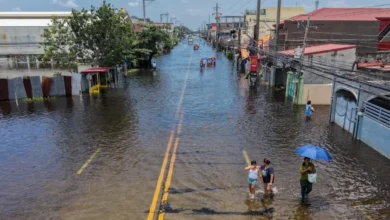
The broader implications are significant for Nepal’s national climate resilience strategy. As evidenced by the catastrophic flash floods in the Bhote Koshi-Trishuli corridor in late 2026, the Himalayas are experiencing accelerated geological instability. The loss of vegetative cover due to overgrazing likely exacerbates soil erosion and increases the frequency of landslides and debris flows. Protecting the Limi Valley is not merely an act of biodiversity conservation; it is an essential component of climate adaptation for the entire region.

The Path Forward
The situation in Upper Humla reflects a global trend where the last remaining wildernesses are being squeezed by the pressure of expanding human populations and a changing climate. The loss of traditional knowledge—as families migrate to urban centers for better economic opportunities—further weakens the region’s ability to self-regulate.
For the Limi Valley to survive as a repository of biodiversity, policy action must be swift. Experts advocate for:
- Strengthened Governance: Increased law enforcement presence in remote border regions to combat illegal wildlife trafficking and regulate commercial herding permits.
- Community-Led Conservation: Empowering local residents through economic incentives that reward stewardship and sustainable grazing practices.
- Scientific Monitoring: Implementing a permanent, long-term monitoring system to track wildlife health, disease prevalence, and the effectiveness of pasture management.
- Climate-Ready Infrastructure: Investing in climate-resilient community infrastructure that reduces the need for local families to relocate, thereby maintaining a permanent, responsible human presence in the valley.
The Limi Valley stands at a critical juncture. The scientific data is unambiguous: the rapid rate of habitat degradation is currently outpacing the natural resilience of the ecosystem. Whether this high-altitude refuge can be preserved for future generations will depend on the willingness of stakeholders to move beyond research and into decisive, collaborative action. As the final patches of truly intact nature disappear globally, the Limi Valley represents a unique opportunity to demonstrate that conservation and human activity can coexist—provided that the balance is restored before the damage becomes irreversible.