Sacrifice Zones of the Energy Transition: The Toxic Toll of Rare Earth Mining in War-Torn Myanmar

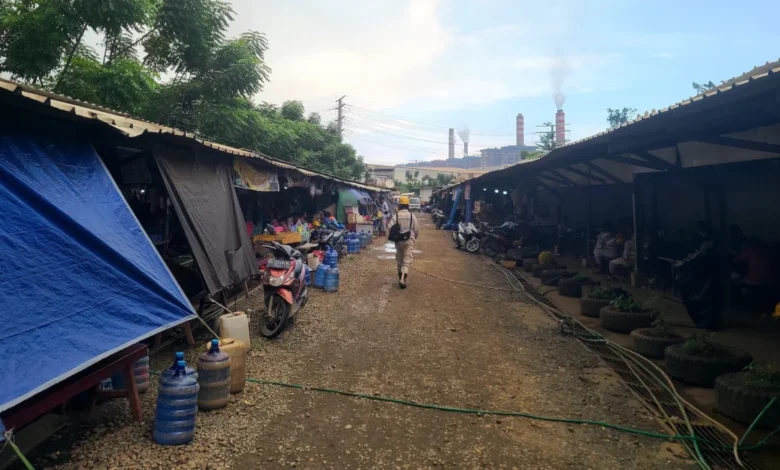
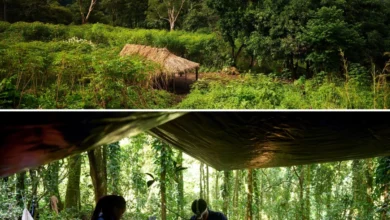
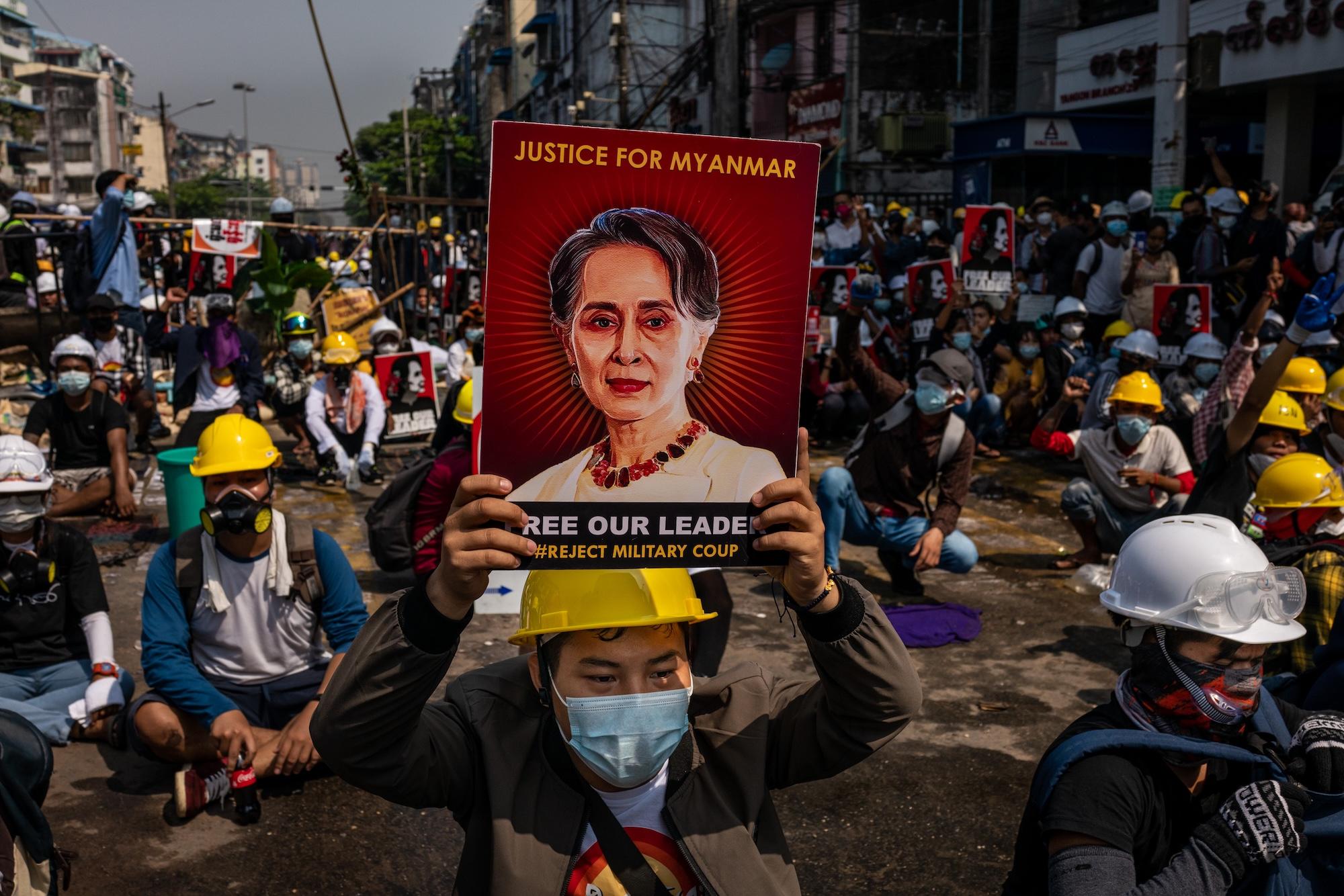
When Min left the hot, dusty plains of central Myanmar for the mountainous eastern border with China earlier this year, he was not seeking adventure, but survival. Following the 2021 military coup that ousted the democratically elected government of Aung San Suu Kyi, the formal economy of the Southeast Asian nation has effectively collapsed. In Min’s native Sagaing Region, the epicenter of an armed uprising against the military junta, airstrikes and retaliatory scorched-earth campaigns have become daily realities. With the introduction of mandatory military conscription in 2024, young men like Min faced a grim choice: join the army that was destroying their villages or flee into the lawless borderlands.
Min chose the latter. He paid a broker 2,000 Chinese yuan ($290) to secure jobs for himself and his younger brother at a rare earth mining site in an autonomous region controlled by a powerful ethnic armed organization. The promise of 3,000 yuan ($430) a month—a fortune compared to the dwindling wages in the heartland—was enough to outweigh the known dangers. However, the cost of that choice became tragically clear within weeks. While operating heavy machinery on a steep, unstable slope, Min’s brother was killed in a landslide. His body was never recovered, buried under the same earth they were stripping for global markets.
This personal tragedy is a microcosm of a much larger, global paradox. As the world scrambles to decarbonize, the "green" technologies essential to the energy transition—electric vehicle (EV) motors and offshore wind turbines—are being built on the back of a secretive, toxic, and violent industry in Myanmar.
The Strategic Necessity of Heavy Rare Earths
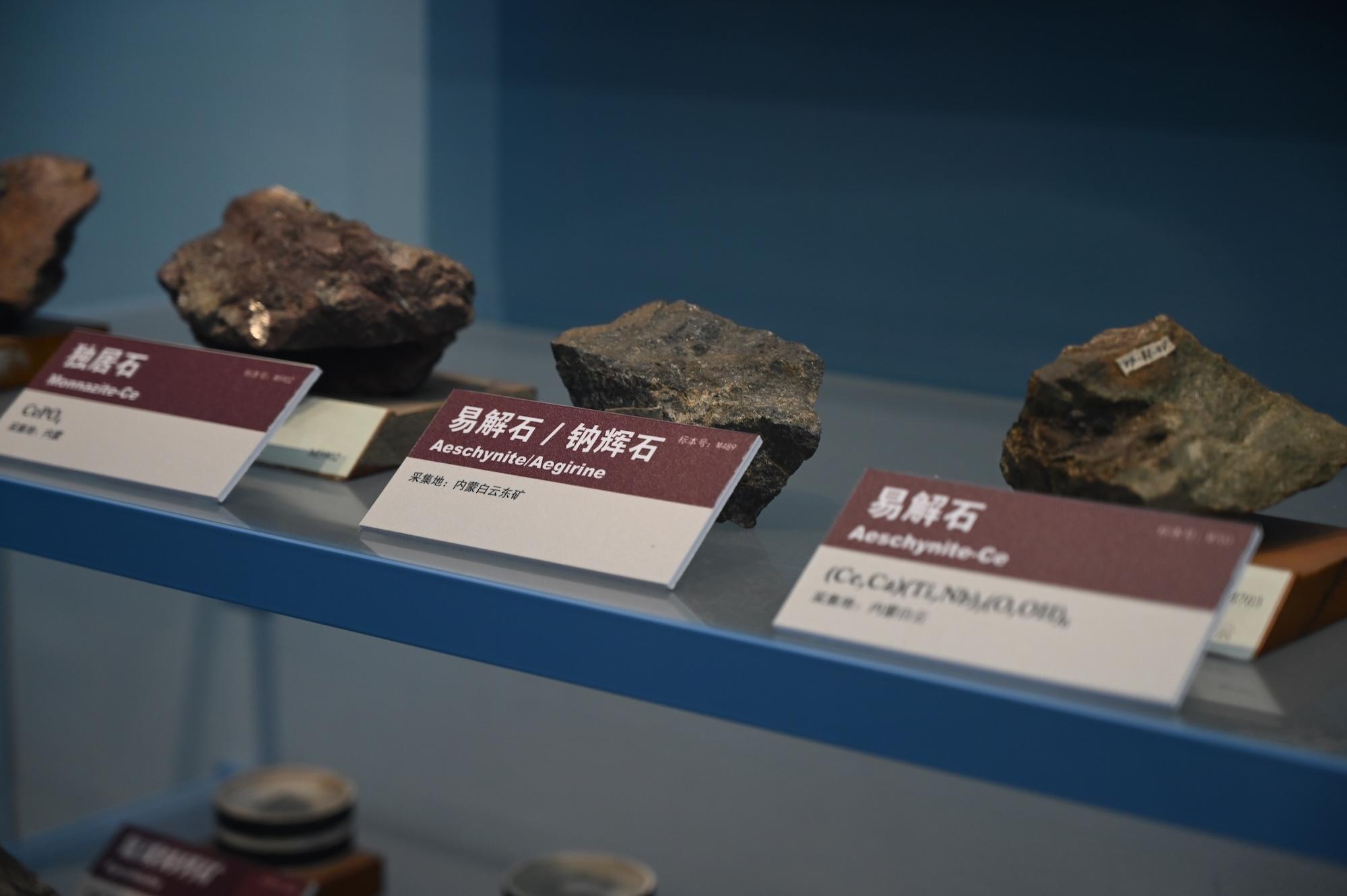
Rare earths are a group of 17 elements essential to modern technology. While they are relatively abundant in the Earth’s crust, they are rarely found in concentrations that make extraction economically viable. Myanmar has emerged as the world’s most critical source of "heavy" rare earths, specifically dysprosium and terbium. These elements are vital for the production of neodymium-iron-boron (NdFeB) magnets, which can maintain their magnetism at high temperatures—a requirement for the high-performance motors found in EVs and the generators in wind turbines.
According to data from the U.S. Department of Energy, industrial motors and consumer electronics accounted for nearly 60 percent of global NdFeB magnet demand as of 2020. However, in a high-growth climate scenario, EVs and wind turbines are projected to account for two-thirds of global demand by 2030. Beyond the "green" sector, these minerals are also foundational to advanced defense systems, including missile guidance sets, sonar, and jet engines, making them a cornerstone of national security for global superpowers.
A Chronology of Extraction and Conflict
The roots of Myanmar’s mining boom are tangled in its decades-long civil war, the longest ongoing conflict in the world. Since gaining independence from Britain in 1948, the country’s borderlands have been contested by ethnic armed organizations (EAOs) seeking autonomy.
1989 – 2011: The Era of Ceasefire Capitalism
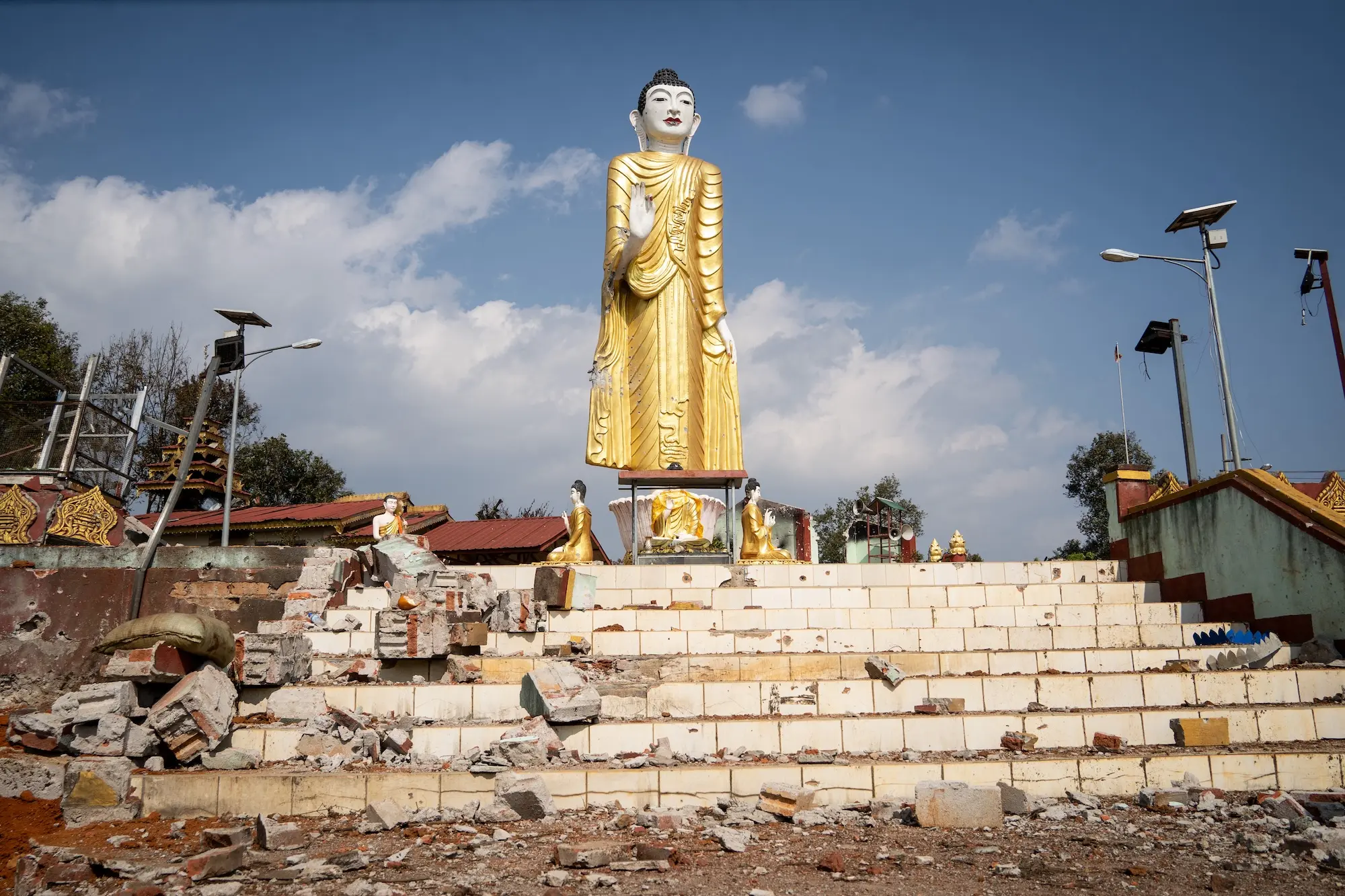
The current mining landscape began to take shape in 1989 when the military junta signed ceasefires with several ethnic armies. In exchange for stopping their rebellions, groups like the New Democratic Army-Kachin (NDA-K), led by warlord Zahkung Ting Ying, were granted "Special Region" status. This gave them the autonomy to exploit natural resources—timber, jade, and eventually rare earths—with total impunity. Researchers call this "ceasefire capitalism," where resource extraction funds the very groups maintaining a fragile, often brutal, peace.
2012 – 2017: The Shift from China to Myanmar
Historically, China mined its own heavy rare earths in its southeastern provinces. However, the process was so environmentally devastating that the Chinese government eventually faced a public health crisis. In 2012, Beijing vowed to overhaul the industry, tightening environmental regulations and closing domestic mines. This did not stop the demand; it simply pushed the extraction across the border into Myanmar, where regulations were non-existent and armed groups were eager for new revenue streams.
2021 – Present: The Coup and the Mining Explosion
The February 1, 2021, military coup accelerated the industry to an industrial scale. As the country descended into a "polycrisis" of war and economic ruin, the junta and various EAOs turned to rare earths to fund their operations. Chinese customs data reveals that between 2017 and 2024, China imported over 320,000 tons of rare earths from Myanmar. By 2021, Myanmar had surpassed China to become the world’s largest source of heavy rare earths.
The Toxic Reality of In-Situ Leaching
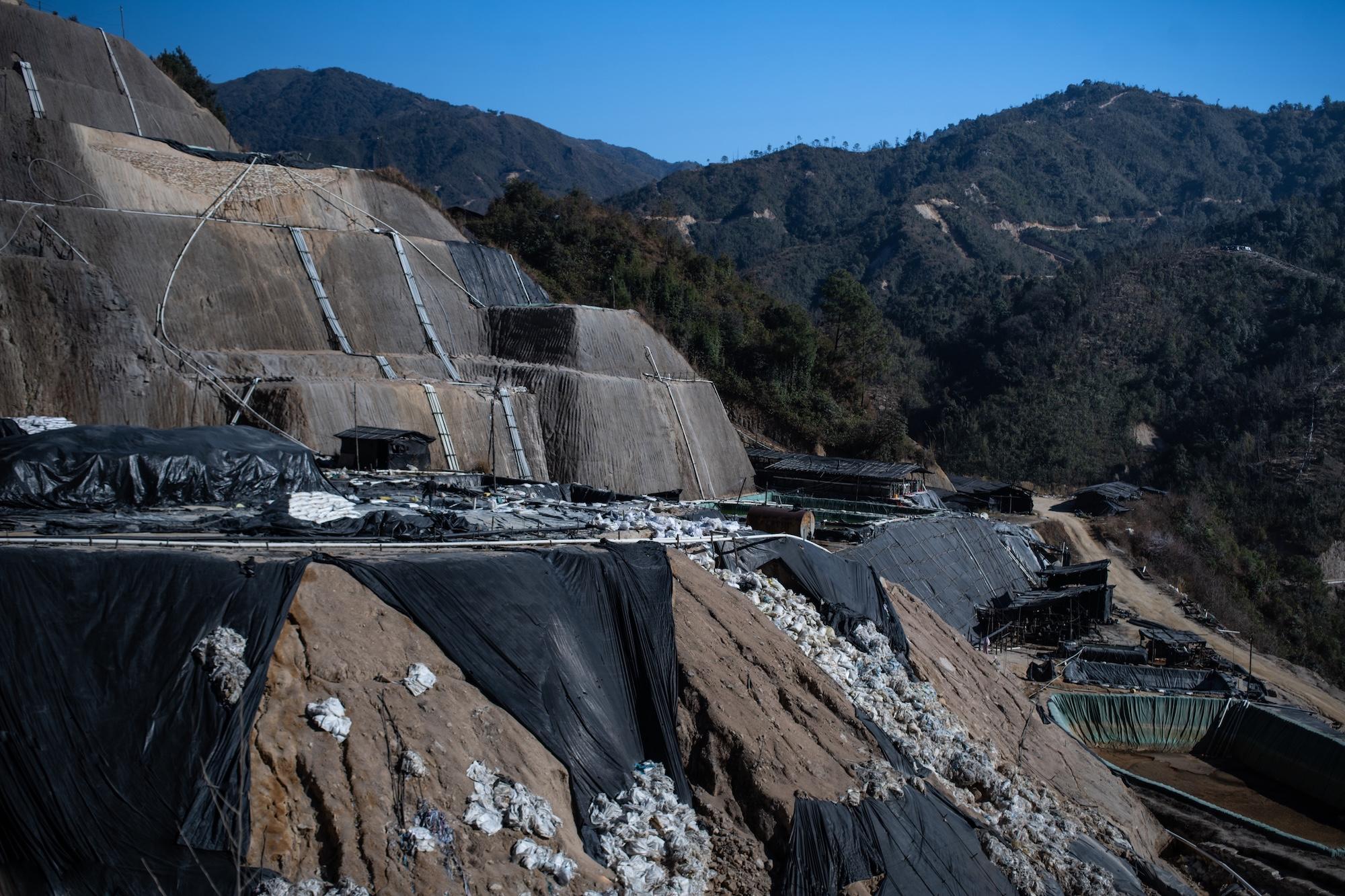
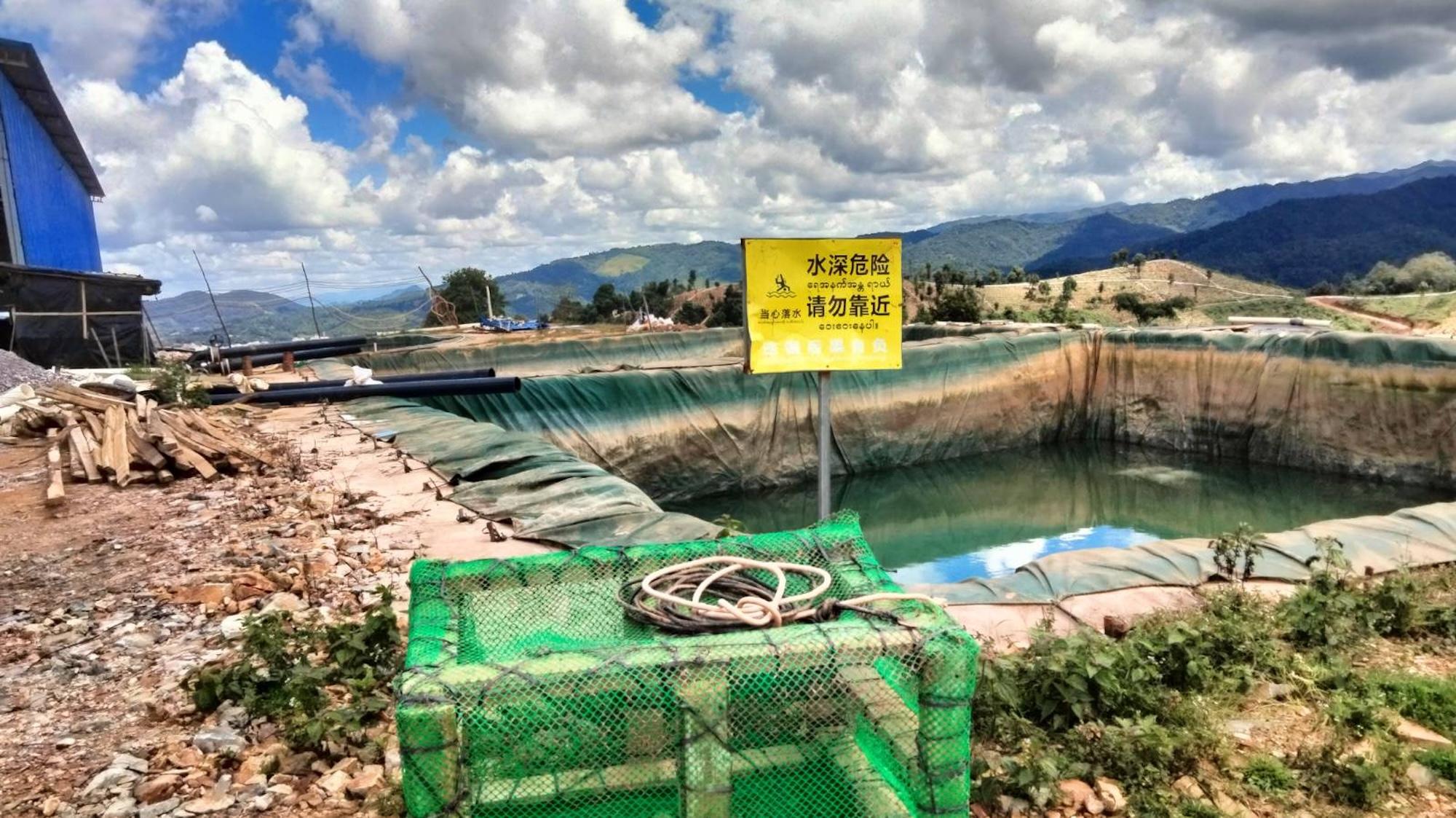
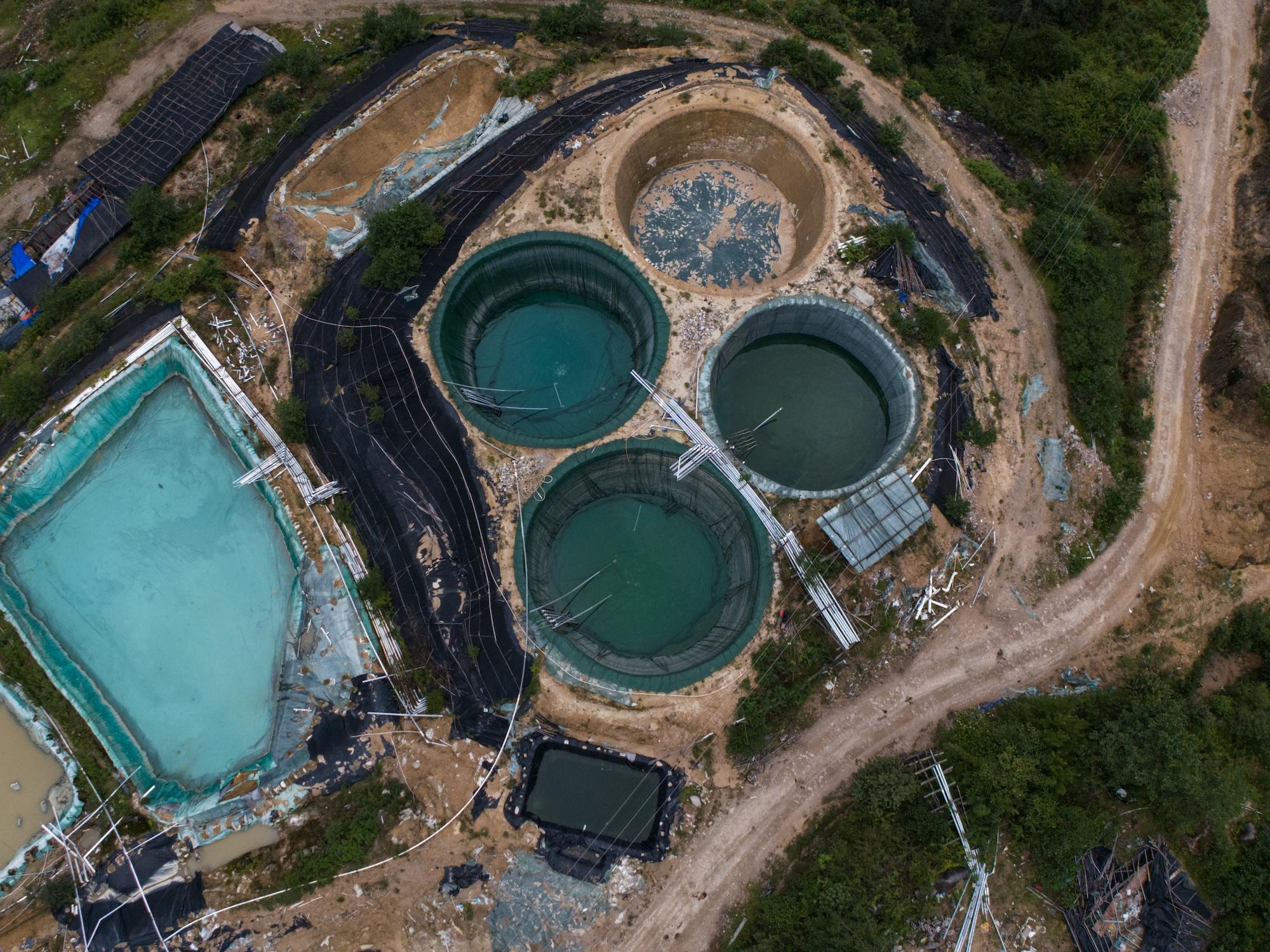
Unlike traditional open-pit mining, heavy rare earths in Myanmar are extracted through a process known as in-situ leaching. This involves drilling thousands of boreholes into mountainous terrain and injecting a mixture of ammonium sulfate and other acid solvents directly into the earth. The chemicals dissolve the minerals, which are then collected in PVC pipes at the bottom of the mountain and processed in chemical pools.
The environmental fallout is catastrophic. Research by Naresuan University in Thailand found that water samples from mining areas in Kachin State were severely contaminated with radioactive elements and toxic heavy metals, exceeding safety thresholds by massive margins.

"The water is lifeless, and the mountains have been badly damaged," says Kaung, a former site supervisor who worked in the industry for five years. "Plants and trees can no longer grow. Wild animals have lost their habitats." Workers also report health complications, including skin burns from acid handling and rumors of infertility among those working near the furnaces.
Labor Exploitation and the "Sacrifice Zone"
The industry operates in a legal gray area, characterized by a lack of contracts and extreme discrimination. Workers from Myanmar often earn a fraction of what their Chinese supervisors make, and the compensation for death is starkly unequal. According to workers interviewed, the "value" of a Myanmar worker’s life is often capped at 100,000 yuan ($14,000), while a Chinese national’s death can command upwards of 2 million yuan ($280,000).
The lack of formal oversight allows for even more egregious abuses. In May 2024, human rights groups reported that mining operations in Shan State were using prisoners and human trafficking victims as "slave labor," with the complicity of both the Myanmar military and the United Wa State Army (UWSA).
Geopolitical Maneuvering: The US-China-India Triangle
As China controls over 90 percent of the world’s rare earth processing capacity, Western nations are desperate to diversify their supply chains. This has led to uncomfortable geopolitical alignments. The Trump administration has shown interest in securing access to Myanmar’s minerals, even as the military junta remains heavily sanctioned for human rights abuses.
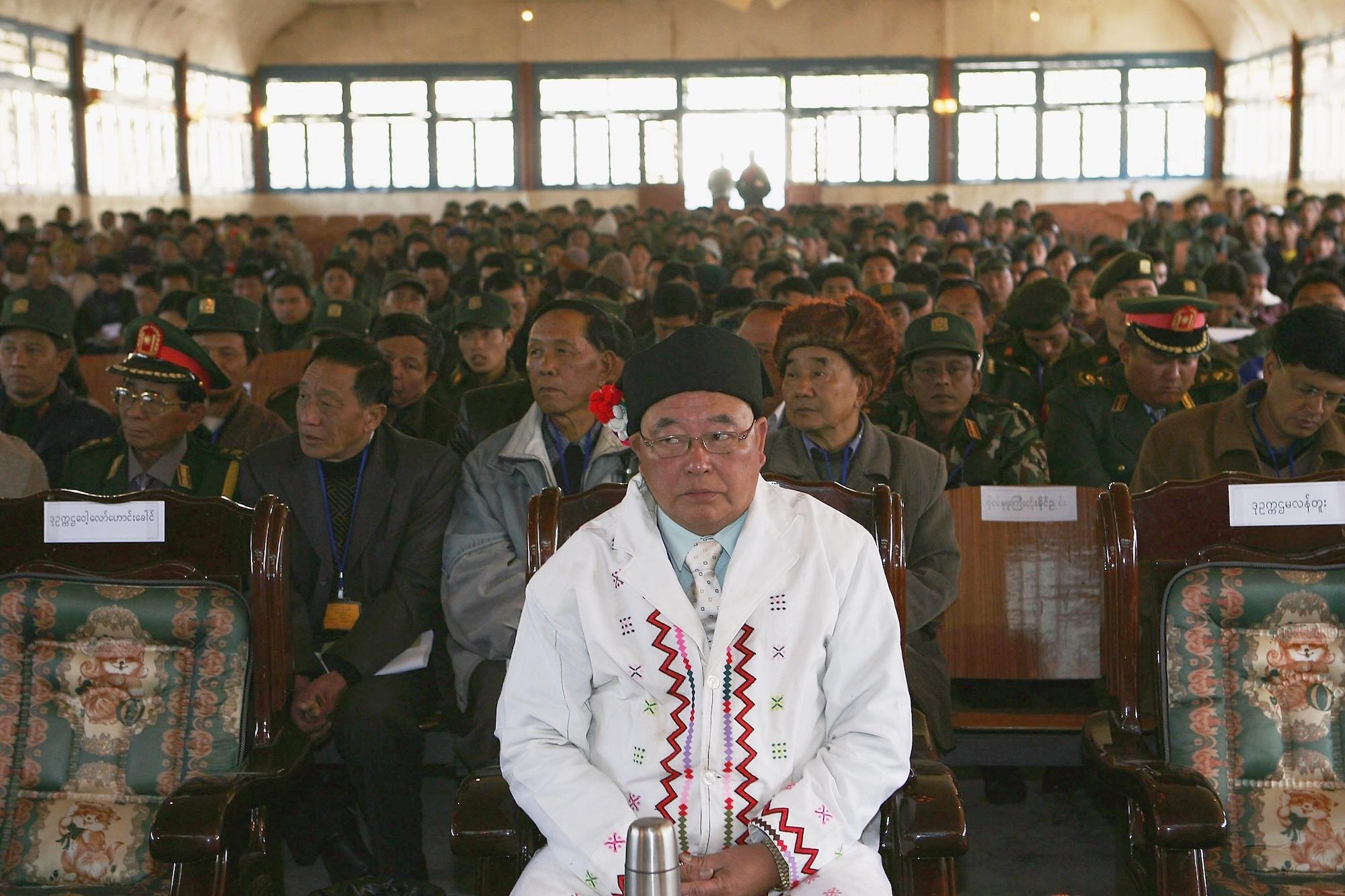
In 2026, the U.S. signed a deal with India to cooperate on securing critical mineral supplies. Shortly thereafter, Myanmar’s junta leader, Min Aung Hlaing, met with Indian Prime Minister Narendra Modi to discuss "deepening cooperation" in the sector. The irony is that many of the richest mining sites are currently in the hands of ethnic rebels, not the central military. In late 2024, the Kachin Independence Army (KIA) defeated the junta-aligned warlord Zahkung Ting Ying, taking control of the Pangwa mining hub. This has forced China to negotiate directly with the rebels to keep the minerals flowing.
The Laundering of Green Supply Chains
One of the greatest challenges for ethical consumers and manufacturers is the "laundering" of these minerals. Once rare earth oxides cross the border into China, they are mixed with materials from other sources during the smelting and separation process.
"Unless you are on the floor and can track the molecules, it becomes really tricky," says Ryan Castilloux, managing director of Adamas Intelligence. However, he notes that because Myanmar provides such a massive percentage of the global heavy rare earth supply, any company using high-strength permanent magnets is almost certainly utilizing minerals tied to Myanmar’s conflict zones.
Conclusion: A Race to the Bottom
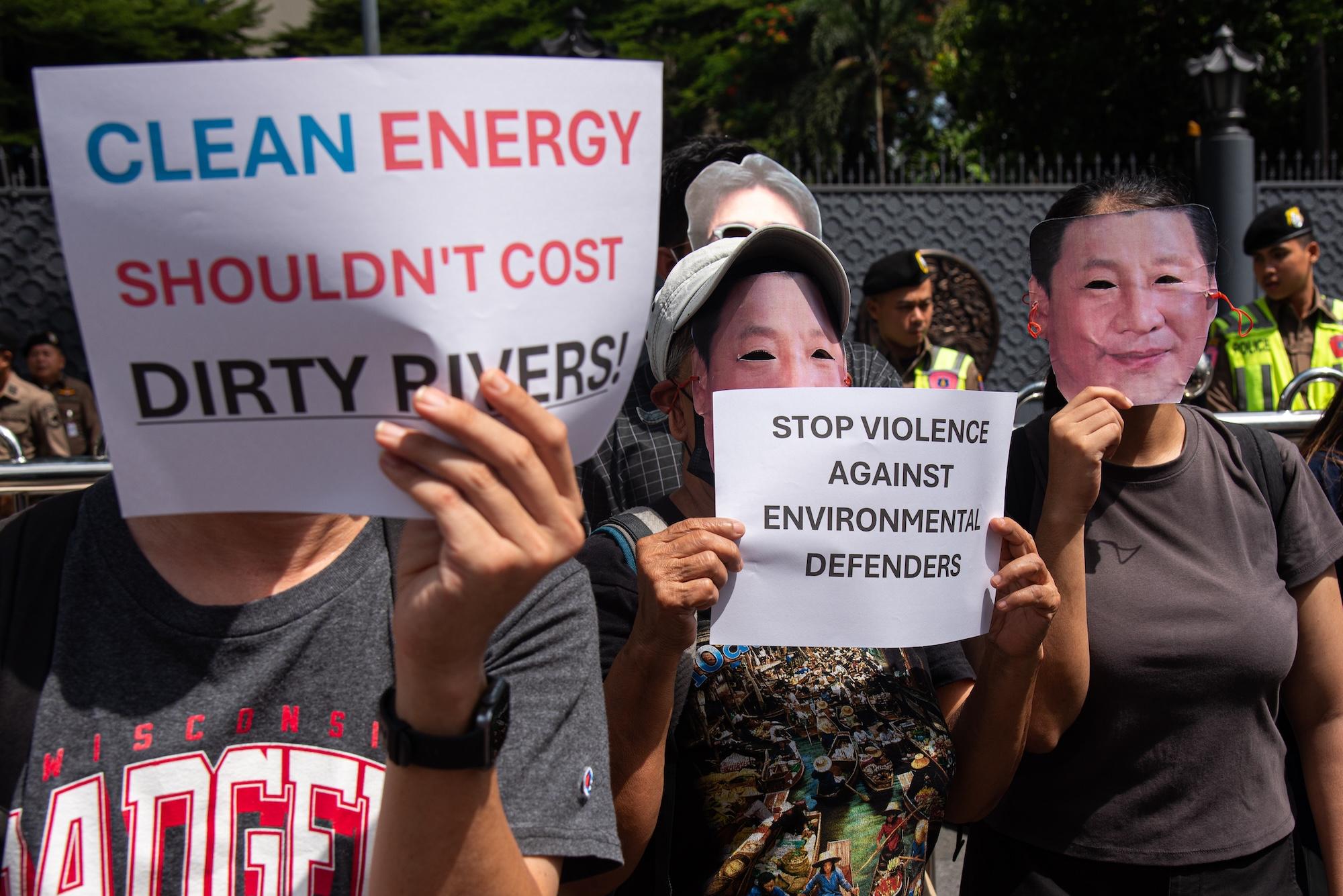
The tragedy of Myanmar’s rare earth boom is that it pits the global need for climate action against the local need for human rights and environmental protection. Experts warn that without strict, enforceable international standards for "responsible sourcing," the energy transition will continue to create "sacrifice zones" in the Global South.
For people like Min, the global debate over net-zero emissions is a distant abstraction. For him, the industry is defined by the silence of a missing brother and the pale, yellowish dust of a dying mountain. "There is no freedom to speak openly," Min says. "Workers simply work, rest, and receive their salaries. No one takes responsibility for what happens to the land."
As the race for critical minerals intensifies, Myanmar serves as a grim reminder that the "green" future must not be built on the same exploitative foundations as the fossil fuel past. Without accountability, the minerals intended to save the planet may instead continue to fuel one of the world’s most enduring and invisible wars.
Related posts: