Isle Royale Wolf Population Faces Uncertain Future Amidst Genetic Bottlenecks and Shifting Ecosystem Dynamics

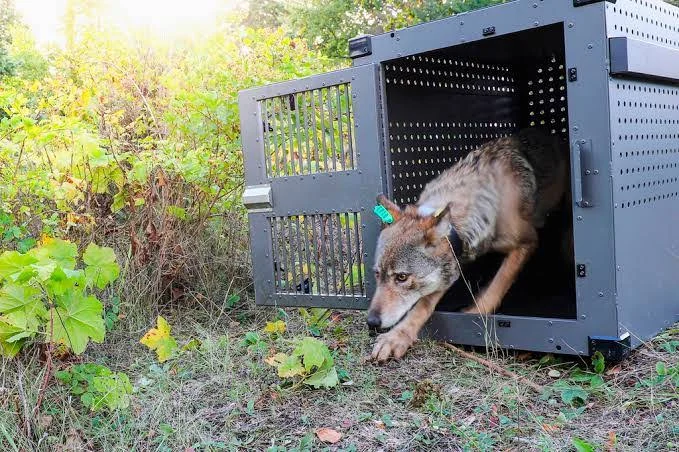
The reintroduction of gray wolves to Isle Royale National Park, an ambitious ecological experiment initiated in 2018, has achieved its primary goal of preventing local extinction, yet the long-term viability of the population remains tethered to the persistent challenges of genetic isolation and environmental instability. A recent study published in the journal Conservation Science and Practice suggests that while the reintroduced wolves have a greater than 80 percent probability of maintaining a presence on the island for the next two decades, the ecological landscape they inhabit is shifting in ways that complicate their recovery. The introduction of 19 wolves between 2018 and 2019 was a calculated intervention designed to reverse a collapse that had left the island with only two genetically compromised individuals by 2016. While this infusion of genetic diversity was initially hailed as a success, recent data concerning the plummeting moose population—the wolves’ primary prey—has introduced a new layer of uncertainty regarding the island’s fragile trophic balance.
A Chronology of Decline and Intervention
The saga of the Isle Royale wolves is one of the most closely monitored wildlife management projects in North America. For decades, the island, located in the middle of Lake Superior, served as a natural laboratory for studying predator-prey dynamics. However, by the mid-2010s, the wolf population had entered a terminal decline. The causes were multifaceted: human-introduced canine parvovirus in the 1980s decimated their numbers, and a subsequent lack of "ice bridges"—the winter formations that allow wolves from the mainland to migrate to the island—prevented the arrival of new genetic material.
By 2016, only two wolves remained on the island. Both were severely inbred, sharing a father-daughter relationship that resulted in significant physical deformities and reproductive failure. Recognizing that the predator-prey balance was essential to preventing an overpopulation of moose that would otherwise denude the island’s vegetation, the National Park Service (NPS) took decisive action. Between the fall of 2018 and the spring of 2019, federal and state agencies relocated 19 wolves from the Great Lakes region and Ontario, Canada, to the island. This "genetic rescue" was intended to restore the pack structures necessary for effective hunting and long-term population stability.
Statistical Analysis and Survival Projections
The recent study, which analyzed population trends following the translocation, offers a nuanced outlook. The researchers utilized sophisticated modeling to determine the likelihood of persistence over a 20-year horizon. An 80 percent success rate is statistically robust for a small, isolated population; however, the study notes that "success" is defined by the mere presence of wolves, not necessarily a population that mirrors the historical densities of the 20th century.
Key metrics identified in the study include:
- Genetic Diversity: The introduction of the 19 wolves successfully lowered the coefficient of inbreeding, but the small total population size means that genetic drift—the random loss of alleles—is an ever-present risk.
- Reproductive Success: Initial breeding cycles in 2019 and 2020 showed high pup survival rates, which provided the momentum needed to move the population out of the "extinction vortex."
- Carrying Capacity: The island’s geography limits the number of wolves that can be supported, creating a "ceiling" that makes the population inherently vulnerable to sudden environmental shocks, such as disease outbreaks or severe winter weather.
The Moose Factor: An Ecological Imbalance
While the wolves appear to be establishing themselves, the status of their primary food source has become a cause for concern among wildlife biologists. The moose population on Isle Royale has experienced a sharp decline in recent years. Historically, the moose population fluctuated based on the success of the wolf pack in controlling their numbers. When wolves were abundant, moose populations remained stable; when wolves were absent or ineffective, moose numbers ballooned, leading to overbrowsing of the island’s balsam fir forests.
Current surveys indicate that the moose population is currently in a downward trend. This decline is likely influenced by a combination of factors, including climate change, which increases the prevalence of winter ticks that weaken moose, and the increased predatory pressure from the successfully breeding wolf population. If the moose population continues to drop, the wolves may face a "bottom-up" limitation where their food source is insufficient to support the current pack sizes, leading to a contraction in wolf numbers that could once again trigger the risks of isolation and inbreeding.

Official Perspectives and Management Strategies
The National Park Service, which manages the Isle Royale wilderness, maintains a cautious stance. Officials have emphasized that the translocation was not intended to create a static, controlled environment, but rather to allow natural processes to re-assert themselves. According to internal briefings, the agency continues to monitor the wolves using GPS collaring and aerial surveys, but they are wary of further direct human interference.
"The goal of the reintroduction was to ensure that the ecological role of a top predator was maintained," said a spokesperson familiar with the NPS management plan. "We have moved beyond the emergency phase of the project. We are now in a phase of observation. The data confirms that the animals are behaving as expected, but the island is a closed system, and the complexities of that system—especially regarding prey availability—are things we must respect."
Independent researchers have echoed this sentiment, suggesting that while the "genetic rescue" was a necessary intervention, it was only the first step. Long-term survival, they argue, will require the wolves to adapt to a changing climate that may permanently alter the frequency of ice bridges. If the ice bridges no longer form, the wolves on Isle Royale will remain a "managed" population, requiring periodic human intervention to introduce new individuals to stave off the deleterious effects of inbreeding.
Broader Implications for Island Biogeography
The Isle Royale case study serves as a critical lesson in island biogeography and the ethics of conservation. It raises profound questions about the limits of human management: At what point does a wild, natural area become an outdoor zoo? The decision to intervene in 2018 was controversial, with some conservationists arguing that the collapse of the wolf population was a natural occurrence that should have been left to run its course. Others maintained that the "natural" state of the island had already been so compromised by human-driven climate change—specifically the loss of ice bridges—that the extinction of the wolves was effectively a human-caused event that demanded a human-led solution.
The implications for other isolated ecosystems are significant. As climate change continues to fragment habitats and isolate populations, the "Isle Royale Model" may become a blueprint for wildlife managers elsewhere. This model involves active monitoring, genetic assessment, and, when necessary, assisted migration to maintain the health of predator populations. However, as the recent decline in the moose population demonstrates, the success of a single species is not the same as the success of an ecosystem.
Future Outlook and Research Priorities
As the wolves of Isle Royale continue to navigate their environment, the focus of the scientific community is shifting toward understanding the resilience of the ecosystem as a whole. Researchers are now prioritizing the following areas for further study:
- Trophic Cascades: Monitoring the impact of the current wolf population on vegetation recovery, specifically the recruitment of tree species that had been decimated by over-browsing during the wolves’ absence.
- Genetic Health Tracking: Utilizing genomic sequencing to monitor the mutation load in the new population, ensuring that the initial benefits of the 2018-2019 translocation are not eroded by subsequent generations of inbreeding.
- Climate Adaptability: Studying how moose and wolves respond to the shifting thermal profile of the island, particularly the increasing summer temperatures that may stress the moose population further.
The survival of the wolves on Isle Royale is a testament to the power of modern conservation, yet it serves as a sobering reminder of the fragility of isolated populations. While the wolves are currently thriving, the shifting dynamics of their prey and the ongoing challenges of genetic isolation mean that their future is far from guaranteed. For now, the island remains a beacon of hope for those who believe in the necessity of apex predators, but the path forward remains as rocky and unpredictable as the volcanic shoreline of Lake Superior itself. The continued monitoring of these wolves will provide the scientific community with invaluable data, not just for the sake of one park, but for the global effort to preserve biodiversity in an era of rapid environmental change.
Related posts: