Devastating Wildfires Ravage Canadian First Nations as Jurisdictional Disputes Hamper Emergency Relief Efforts

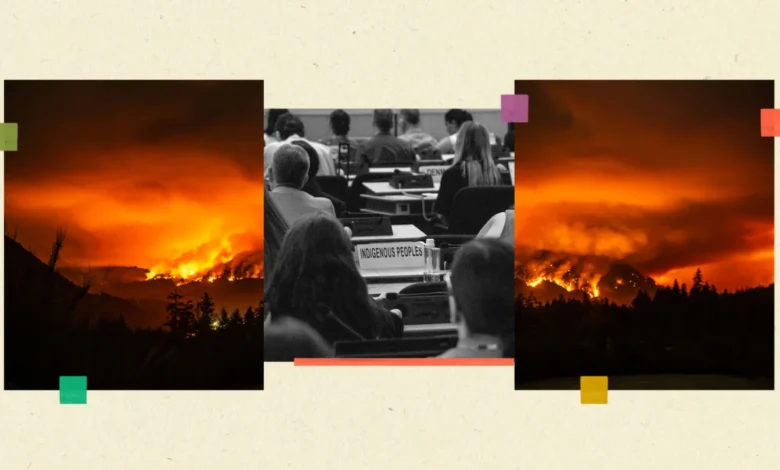
The scale of the wildfire crisis currently unfolding across the Canadian wilderness has reached a critical inflection point, with more than 900 active blazes threatening the safety, sovereignty, and survival of Indigenous communities. As of the latest reports, 13 First Nations remain under mandatory evacuation orders, a directive that has uprooted 2,182 individuals from their ancestral lands. While the environmental toll is staggering, the human and political dimensions of the catastrophe are increasingly coming to the fore, particularly as remote communities face the dual threats of fast-moving flames and a slow-moving federal bureaucracy.
Among the most harrowing accounts is that of the Namaygoosisagagun (Collins) First Nation, a community located approximately 125 miles north of Thunder Bay, Ontario. On Wednesday, the community was largely erased from the map in less than an hour. Residents described a scene of chaotic urgency as a wildfire, propelled by high winds and desiccated timber, advanced with such speed that there was no time for a coordinated provincial response. With only minutes to act, families abandoned their homes and belongings, fleeing to the safety of the water. More than two dozen people were forced to evacuate by boat, watching from the shoreline as the fire overtook their village. Anishinabek Nation Grand Council Chief Linda Debassige confirmed that while all community members have been accounted for, the physical infrastructure of the Nation has been decimated.
The Destruction of Namaygoosisagagun and the Failure of Early Warning Systems
The loss of Namaygoosisagagun highlights a systemic failure in emergency communication and support for remote Indigenous territories. Unlike many non-Indigenous municipalities that receive tiered warnings and provincial logistical support, Namaygoosisagagun residents reported receiving no advance notice from provincial or federal authorities. The evacuation was a grassroots effort; community members went door-to-door to alert neighbors as smoke began to choke the air.
Because the community is inaccessible by road, the reliance on watercraft was the only viable means of escape. This geographic isolation, characteristic of many Northern Ontario First Nations, necessitates a specialized emergency response framework that leaders argue is currently non-existent or tied up in red tape. Grand Council Chief Debassige expressed profound sadness over the "unexpected and fast-moving" nature of the blaze, noting that the destruction includes not only private residences but also essential community buildings that serve as the heartbeat of the Nation.
A Legal Limbo: The Recognition Gap in Federal Aid
Perhaps the most contentious aspect of the Namaygoosisagagun tragedy is the ongoing dispute over federal recognition. While the residents of Collins are recognized as First Nations people under the federal Indian Act, the community itself has not been granted official "Band" status by the Canadian government. This distinction, which leadership has fought to change for decades, has had dire consequences during this emergency.
Meaghan Daniel, a lawyer representing the community, has publicly criticized the federal government for denying the Nation access to the emergency, recovery, and reconstruction funds typically reserved for recognized First Nations. In a formal letter to Indigenous Services Minister Mandy Gull-Masty, Daniel warned that the lack of immediate federal intervention could lead to the permanent dissolution of the community. The letter emphasized that without the same rebuilding supports afforded to other Nations, Namaygoosisagagun may never recover the infrastructure it spent decades establishing. The legal argument centers on the fact that the community has occupied its territory "since time immemorial," yet is being sidelined during its greatest moment of need due to administrative technicalities.
Statistical Overview of the 2026 Wildfire Season
The broader data regarding the current wildfire season underscores a national emergency. As of Friday, 903 fires were burning across Canada. The severity of these fires is indicated by the fact that 750 are classified as "out of control." In a single 24-hour period leading into the weekend, 43 new fires were ignited, further straining the resources of the Canadian Interagency Forest Fire Centre (CIFFC).
Ontario has emerged as the epicenter of the current surge. There are 193 active fires in the province alone, leading to the evacuation of seven First Nations. Organizations such as the Chiefs of Ontario have noted that while some evacuations were supported by the Ontario Provincial Police, many communities were forced to declare their own states of emergency to protect their citizens. The list of impacted communities includes Whitesand First Nation, Kiashke Zaaging Anishinaabek, and Animbiigoo Zaagi’igan Anishinaabek. The crisis is not limited to Indigenous territories; dozens of non-Indigenous communities in Northern Ontario have also been cleared as smoke plumes and fire fronts advance southward.
Chronology of the Crisis and the Bureaucratic Response
The timeline of the current disaster reveals a rapidly escalating situation that outpaced the government’s ability to respond.
- Early Week: High temperatures and low humidity across the Canadian Shield created "tinderbox" conditions. Small fires ignited by lightning strikes began to merge into larger complexes.
- Wednesday: An emergency meeting was convened by Ontario Chiefs as the fire near Namaygoosisagagun grew exponentially. Leaders expressed frustration over the "jurisdictional disputes" that delayed the deployment of transport aircraft and suppression teams. It was during this window that Namaygoosisagagun was destroyed.
- Thursday: During a national assembly in Ottawa, the Assembly of First Nations (AFN) passed an emergency resolution. The resolution demanded that the federal government bypass traditional bureaucratic hurdles to provide immediate aid to all impacted Nations, regardless of their official status under the Indian Act.
- Friday: Indigenous Services Canada (ISC) issued a statement via spokesperson Eric Head, indicating that the agency is finally working to "determine immediate needs" for the displaced residents of Collins. However, for many, this response is seen as too little, too late.
Political Friction and the "Financial Discussion" Critique
The frustration among Indigenous leadership is palpable. Ontario Regional Chief Abram Benedict has been vocal about the "administrative delays" that he claims are putting lives at risk. According to Benedict, the priority during a life-threatening wildfire should be the safe extraction of people, yet leadership often finds itself mired in debates over who will foot the bill for chartered flights and temporary housing.
"This needs to be everyone’s priority rather than financial discussions and technicalities," Benedict stated, highlighting a recurring theme in Indigenous-Crown relations during environmental disasters. He noted that while the government focuses on "technicalities," First Nations emergency responders and community members are on the front lines of a "catastrophe that is having international impacts," referring to the smoke that has crossed borders and affected air quality across the continent.
Environmental Analysis and Long-term Implications
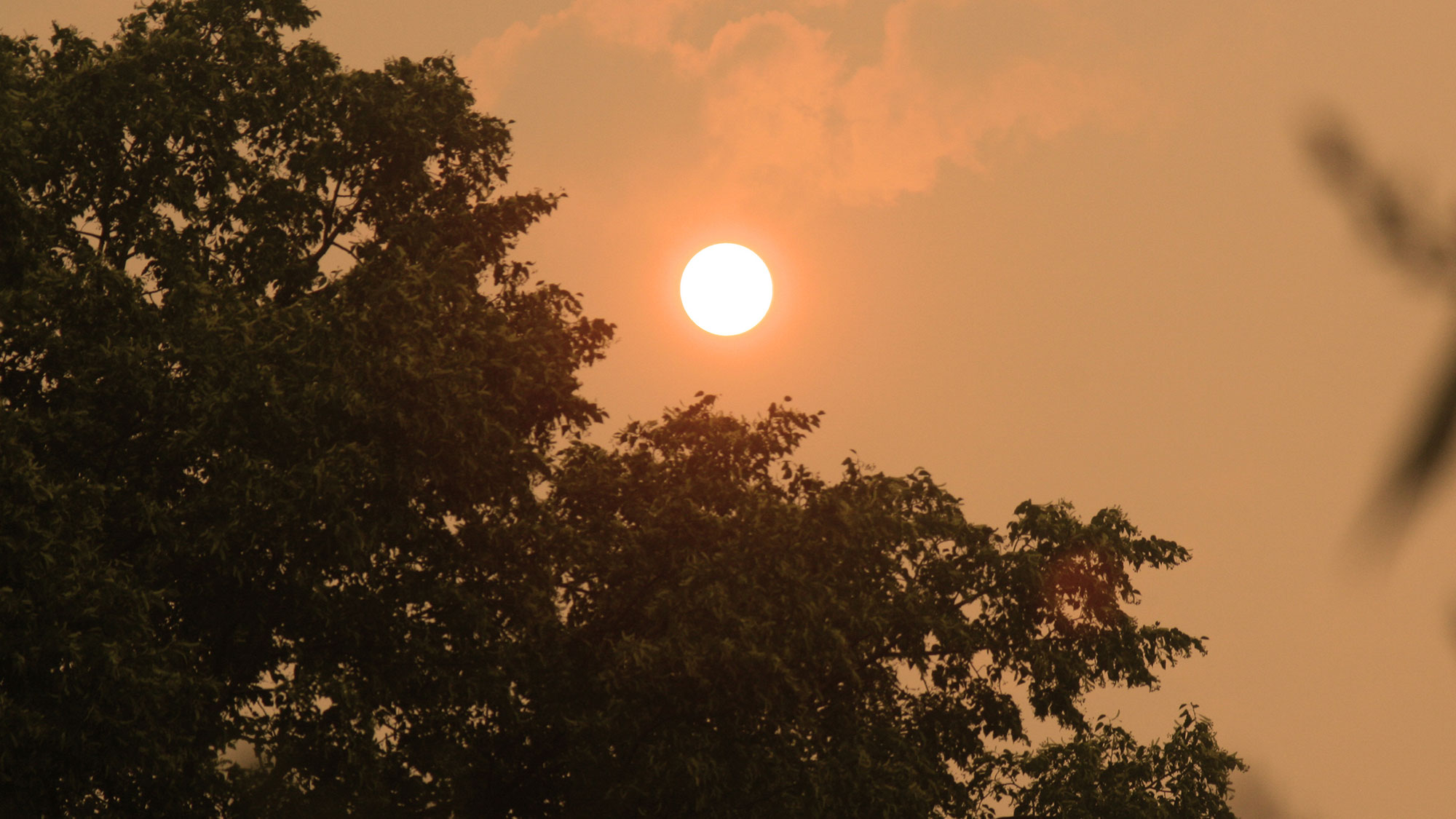
The 2026 fire season follows a trend of increasing frequency and intensity of wildfires in Canada’s boreal forests. Climate scientists point to shorter winters and longer periods of extreme heat as the primary drivers of these "megafires." For First Nations, the impact is not merely physical; it is cultural and spiritual. The destruction of the forest represents a loss of traditional hunting grounds, medicinal plant sites, and sacred areas.
The situation in Namaygoosisagagun serves as a case study for the vulnerabilities of remote communities in the age of climate change. Without road access, these communities are entirely dependent on air and water corridors that can be easily cut off by smoke or fire. The lack of permanent fire-suppression infrastructure within these communities means that by the time provincial water bombers arrive, the damage is often already done.
Furthermore, the "recognition" issue adds a layer of systemic inequality to climate adaptation. If a community is not recognized as a legal entity by the federal government, it often lacks the funding to build fire breaks, install early warning sirens, or maintain emergency shelters. This leaves them disproportionately vulnerable to the increasing volatility of the natural environment.
The Path Forward: Reconstruction and Recognition
As the smoke continues to hang over Ontario, the focus is shifting toward the long-term survival of the displaced. The Anishinabek Nation has called for a period of privacy and prayer for the citizens of Namaygoosisagagun, emphasizing the "unprecedented loss" they have suffered. Chief Paavola and the members of the Nation are now facing the daunting task of navigating a recovery process that is currently unfunded and unorganized.
The emergency resolutions passed by the Assembly of First Nations represent a significant political move to hold Ottawa accountable. By demanding ongoing support throughout the duration of the crisis, the AFN is signaling that the federal government’s responsibility does not end once the fires are extinguished. For Namaygoosisagagun, the question remains whether the Canadian government will provide the necessary resources to rebuild, or if the "recognition gap" will result in the permanent displacement of a people from their ancestral home.
In the coming weeks, the coordination between the Ontario Provincial Police, Indigenous Services Canada, and First Nations leadership will be under intense scrutiny. The immediate priority remains the containment of the 750 out-of-control fires, but the political fallout from the destruction of an entire community is likely to resonate long after the last ember is cooled. The crisis has laid bare the need for a fundamental overhaul of how Canada manages emergency services in Indigenous territories, moving away from a model of jurisdictional bickering toward one of proactive, equitable protection.
Related posts: