Indigenous Communities in Panama’s Darién Forest Test a New Way to Fund Conservation Through Biodiversity Credits

In the heart of Panama’s Darién Gap, one of the most biodiverse and ecologically significant regions in the Western Hemisphere, four Wounaan and Emberá-Wounaan Indigenous villages are spearheading a pioneering conservation initiative. Faced with the encroaching threats of illegal logging and the relentless expansion of agricultural frontiers, these communities have launched a comprehensive biodiversity monitoring project. This effort, documented by reporter María Paula Rubiano A., represents a significant shift in how forest stewardship is practiced and financed, moving beyond traditional philanthropy toward a model of market-based environmental preservation.
The Ecological Stakes of the Darién
The Darién region acts as a vital biological corridor connecting Central and South America. Its dense tropical rainforests serve as a global carbon sink and a sanctuary for a vast array of wildlife, many of which are currently threatened by habitat fragmentation. The four villages involved in this project manage 18,000 hectares (approximately 44,500 acres) of primary forest.
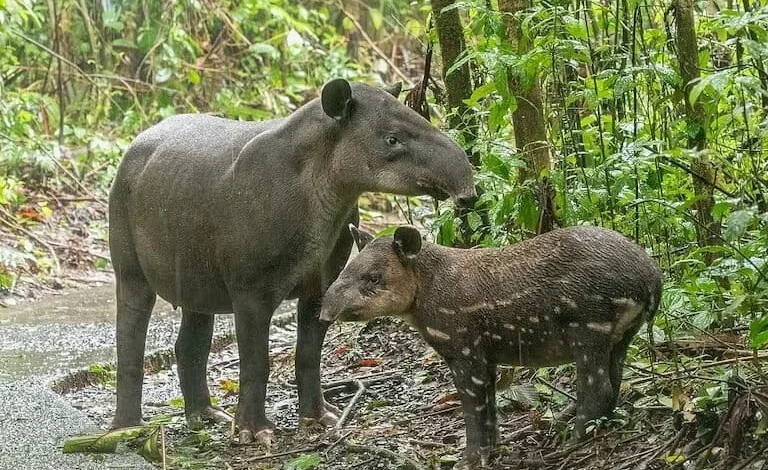
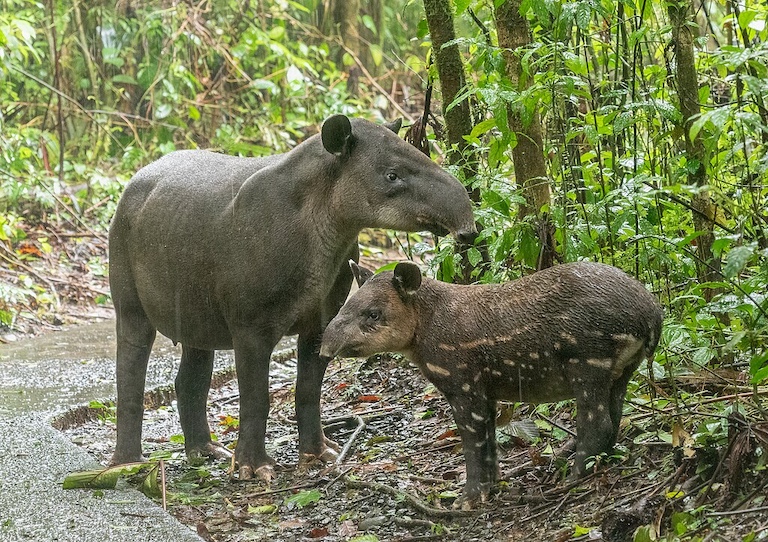
The baseline survey conducted by the communities has identified over 200 distinct species, providing concrete evidence of the area’s immense ecological value. Among the findings are three critical "umbrella" species: the jaguar (Panthera onca), the Baird’s tapir (Tapirus bairdii), and the crested eagle (Morphnus guianensis). In ecology, the protection of umbrella species serves as a proxy for the health of the entire ecosystem; by ensuring the survival of these wide-ranging apex predators and large herbivores, the communities are effectively safeguarding the habitats of countless smaller species. The documentation of at least 15 threatened species within their lands underscores the urgency of their mission, as these forests represent a final stronghold for local biodiversity.
A Technological and Traditional Synthesis
The success of this monitoring initiative relies on a strategic blend of modern technology and traditional ecological knowledge. To track the health of their forest, the villages have deployed bioacoustic monitoring systems and an extensive network of camera traps. These tools allow for the continuous observation of wildlife activity without the constant presence of human interference, providing high-quality data that is essential for modern scientific verification.
This technical framework is supported by a coalition of organizations, including the FSC Indigenous Foundation and the international nonprofit Health In Harmony. Central to the methodology is a system developed by Savimbo, a biodiversity credit company co-founded by Indigenous leaders. The Savimbo model utilizes 15 indicator species as a measurable proxy for forest health. By establishing a rigorous, repeatable data collection process, the communities have effectively created a "biodiversity baseline" that can be verified by third parties—a critical step for participating in the emerging global market for biodiversity credits.
The Shift Toward Biodiversity Credits
Biodiversity credits operate on a principle similar to carbon credits but focus on the preservation and restoration of ecosystem integrity rather than solely on greenhouse gas sequestration. For communities in the Darién, where economic opportunities have historically been scarce, this model offers a path to financial self-sufficiency that does not require the degradation of the forest.
The implications for the regional economy are profound. If these communities can monetize the ecosystem services provided by their land—such as water purification, soil stabilization, and biodiversity maintenance—they can provide a competitive alternative to the short-term financial gains promised by logging or industrial agriculture. This transition from extractive land use to a "conservation economy" is a major objective for the project partners, who view the model as a potential blueprint for Indigenous communities globally.
Chronology of the Initiative
The road to this point has been a multi-year effort involving community mobilization and institutional partnership:
- Pre-2024: The villages identify increasing pressure from illegal logging and land clearing, prompting concerns regarding long-term territorial integrity.
- Early 2025: Collaboration begins between local village leaders, the FSC Indigenous Foundation, and Health In Harmony to formalize a monitoring structure.
- Mid-2025: The project officially implements the Savimbo methodology, training local community members in the use of bioacoustic recorders and camera traps.
- Late 2025: Data collection leads to the identification of 200+ species, including critical apex predators, providing the evidence needed to apply for biodiversity credit programs.
- 2026: The communities begin the process of leveraging their findings to seek market-based funding, signaling a transition toward a self-sustaining conservation model.
Behavioral Change and Local Stewardship
Perhaps the most striking outcome of the project is the shift in community behavior regarding resource use. Samuel Cheucarama, a resident of a participating Wounaan village, highlights that the project has fostered a deeper connection to the land and a proactive approach to its protection. The data collected by the villagers themselves has acted as a catalyst for local governance changes.

"People don’t go hunting anymore," Cheucarama observed. "They’re saying, ‘We’re going to put up a ‘No Hunting’ sign.’" This transition reflects a broader trend in Indigenous-led conservation: when communities are empowered to measure and manage their own resources, they become the most effective guardians of those ecosystems. The shift from subsistence hunting to active monitoring represents a cultural and economic transformation that reinforces the community’s role as the rightful and effective managers of their ancestral forests.
Analysis of Implications
The initiative in the Darién carries significant weight for the broader conservation sector. Traditionally, conservation finance has been top-down, often excluding the very people living on the land. By centering the project on Indigenous methodology and data, the Darién model challenges this paradigm.
- Verification and Integrity: By using 15 specific indicator species, the communities are addressing the "verification problem" that often plagues environmental credit markets. Investors are increasingly wary of "greenwashing"; having hard data from camera traps and acoustic sensors provides the necessary transparency to ensure that funding is actually leading to measurable conservation outcomes.
- Socio-Economic Development: For isolated communities, the biodiversity credit market offers a form of "payment for ecosystem services" that is more sustainable than logging. However, the long-term success of this model depends on the stability of the global biodiversity credit market, which is still in its infancy.
- Policy and Land Rights: The project also serves as a form of territorial defense. By documenting the presence of rare species and the health of their forests, the villages are creating a scientific record that can be used to advocate for land tenure and protection against external encroachment in legal or policy forums.
Official Responses and Future Outlook
While international nonprofits have been instrumental in the project’s launch, the long-term success of the initiative hinges on the communities’ ability to maintain the monitoring equipment and navigate the complex financial mechanisms of biodiversity credits.
Representatives from the FSC Indigenous Foundation have noted that the project is not merely an environmental endeavor but a rights-based one. By asserting the value of their forests, these communities are asserting their rights to self-determination. The ongoing partnership with Health In Harmony further emphasizes the connection between environmental health and human well-being, acknowledging that a healthy forest is a prerequisite for a healthy community.
As the global community looks for scalable solutions to the biodiversity crisis, the Darién project stands as a testament to the efficacy of community-led stewardship. While challenges remain—including the fluctuating prices of biodiversity credits and the persistent threat of illegal actors—the initiative has established a strong foundation. By turning their forests into a measurable, verifiable asset, the Wounaan and Emberá-Wounaan are not only protecting their ancestral lands but are also carving out a new, dignified economic future in one of the world’s most challenging and beautiful wildernesses.
Related posts: